Jablanica: Neretva Bridge & Roast Lamb Stop
Jablanica on the Sarajevo-Mostar road: Battle for the Wounded museum (5 KM), the 1943 bridge, roast lamb lunch. Hours, parking, how long to stop.
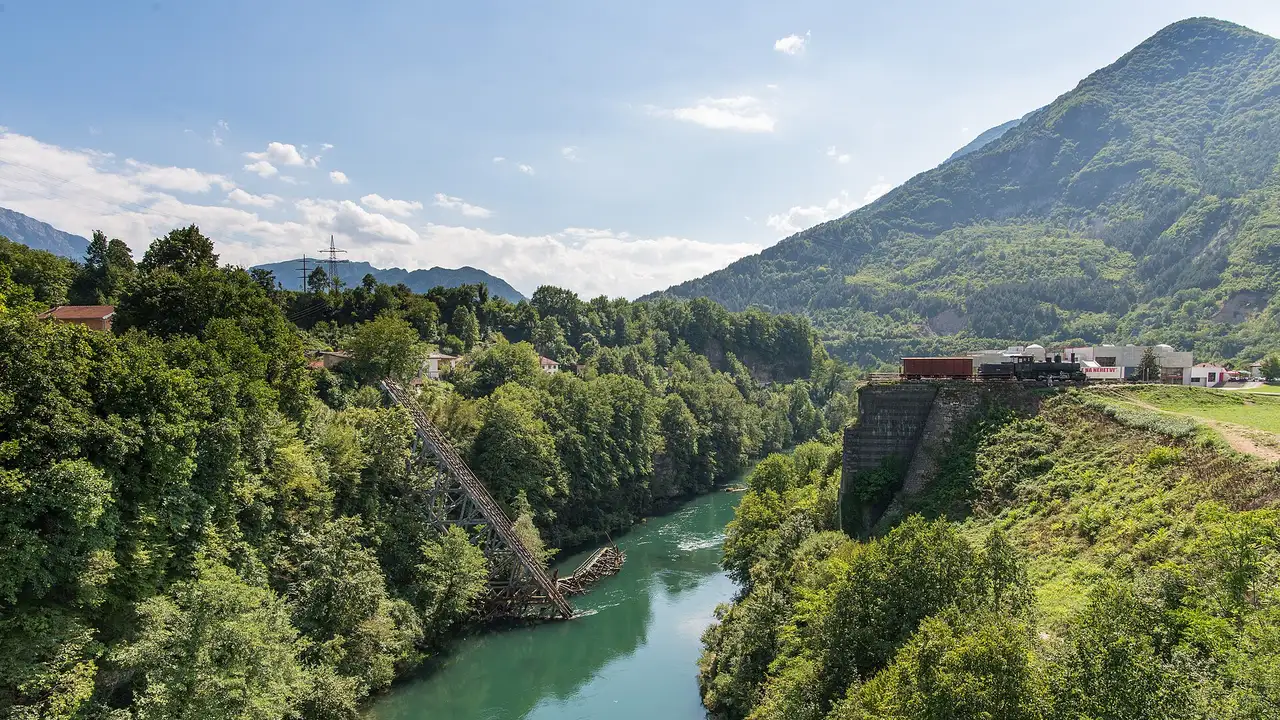
Jablanica is the M17 stop where the Sarajevo-Mostar drive actually means something: the Museum of the Battle for the Wounded on the Neretva (adult entry 5.00 KM), the ruined railway bridge that still hangs over the river, and a plate of spit-roast lamb if the grills are turning. Plan an hour to an hour and a half for the memorial, then eat before you push south to Mostar or north toward Konjic. Winter Saturdays are the catch - from November through March the museum lists weekday hours only, and it says outright that it runs the winter period without heating.
Why this stretch of river still matters
In Yugoslav historiography the fight here is the Fourth Enemy Offensive, known more widely as the Battle for the Wounded on the Neretva. The museum’s own battle page places the start of the Axis operation Fall Weiss on 20 January 1943. Partisan units pulled back under winter pressure with almost 4,000 wounded already in tow. The point of the campaign, as the museum frames it, wasn’t a glamorous ridge-line victory - it was getting those wounded out of the encirclement alive. That focus is why older texts call it the most humane battle of the war in this theatre.
By early March 1943 the column had reached Jablanica and the Neretva. On 3 March 1943, on Tito’s order, Partisans demolished the railway bridge as a tactical deception - to muddy Axis guesses about where the force would cross. Engineer Vladimir Smirnov (Volođa) then raised an improvised wooden bridge in 19 hours. The museum’s demolished-bridge page says more than 4,000 wounded and sick, about 80,000 refugees, and the Partisan units with the Supreme Headquarters crossed it; the same page estimates around 100,000 people in total. Those are museum figures, not a blog paraphrase - treat them as the site’s own account of the crossing.
The steel you see today isn’t a pristine 1943 wreck frozen in place. The original span went up in 1888 under Austro-Hungarian rule as part of the narrow-gauge Narentabahn. After the wartime demolition, German forces later built again; for filming of the movie Battle of Neretva in 1968, the bridge was demolished once more, and the film crew’s upstream road bridge is still the one traffic uses. The memorial lattice beside the museum is the outdoor centrepiece of the complex, not a random rust pile by the highway.
The memorial complex and museum
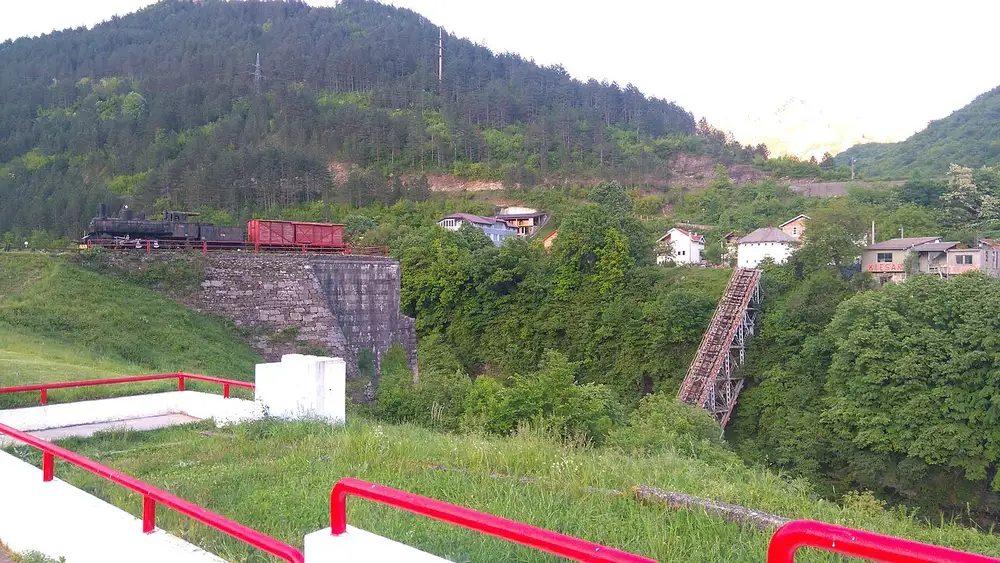
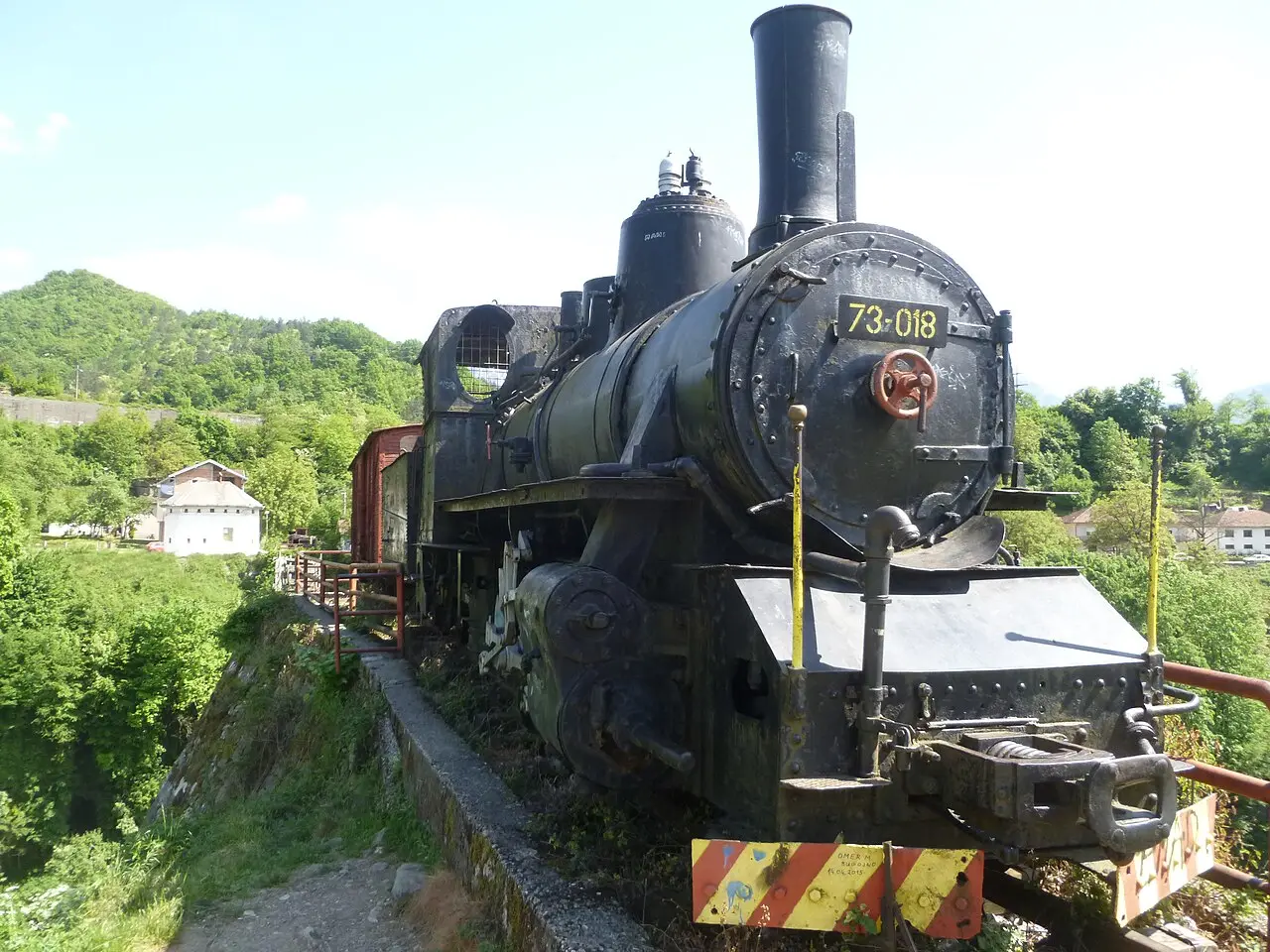
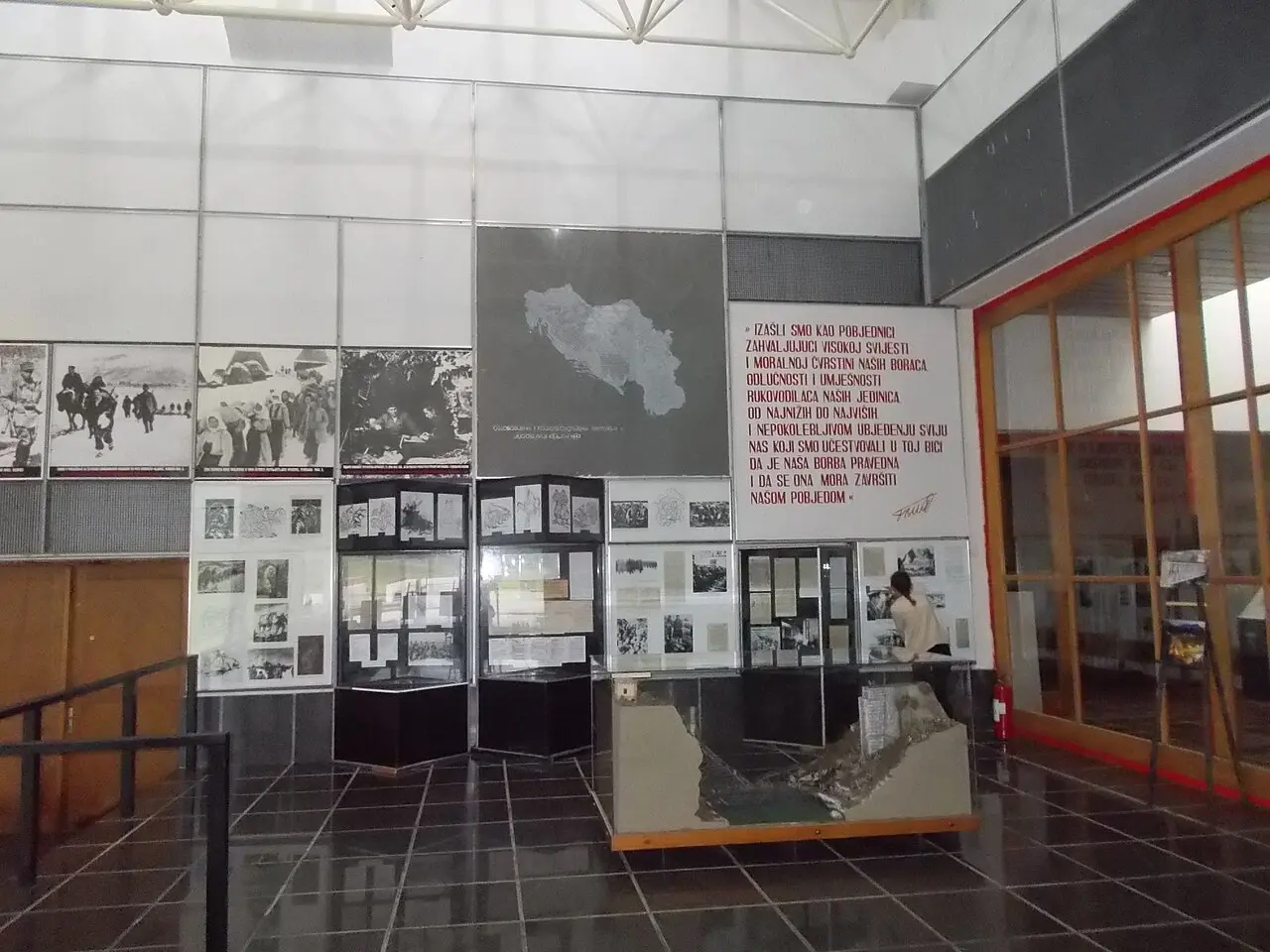
The Memorial Complex opened on 12 November 1978 - the 35th anniversary of the battle - and Josip Broz Tito opened it in person. In 2009 Bosnia and Herzegovina’s Commission to Preserve National Monuments listed the historic area as a National Monument; the museum states that on its memorial-complex page, and the Commission’s public register still carries the entry under that name. On site you’ll find the museum building, the demolished bridge, an assembly area with an eternal flame, outdoor hardware, and the Bunker building, which the museum lists among the objects of the complex. A narrow-gauge locomotive also stands on the grounds; it turns up in visitor photographs, though the museum doesn’t name it on its published list of objects, so count it as a bonus and not a billed exhibit.
Inside, expect documents, photographs, weapons and personal kit - not a flashy multimedia ride. An hour covers the permanent rooms and the outdoor deck without sprinting. For spoken context, English guided tours sit on the price list at 30.00 KM for the museum exhibits and 40.00 KM for museum plus memorial complex. Both need booking in advance, and the museum FAQ gives two channels for it: e-mail to muzejjablanica@yahoo.com or the online reservation form on its site. One thing the price list leaves open: it doesn’t say whether those figures are charged per person or per group, so settle that when you book rather than at the counter. Flash-free photography is fine in most permanent exhibitions; leave the tripod in the car unless you’ve cleared professional filming.
Tickets, hours and parking
Pay at the museum counter in convertible marks (KM). On the operator’s 2026 price list:
- Adults 5.00 KM
- Students 4.00 KM
- Children 2.00 KM
- Family ticket 10.00 KM
- Visitors with disabilities: free
- Audio guide 2.00 KM (Bosnian listed; the English column is blank on the published table)
- Virtual content 5.00 KM
Two things the museum publishes that are easy to miss. First, how you pay: the operator spells out methods for groups only - cash on site against a certified receipt, or transfer to the museum’s bank account, with card payment listed as “coming soon”. For an individual walking up to the counter it publishes nothing at all, so bring KM in cash and don’t build the stop around tapping a card. Second, access: the museum’s own accessibility page says some exhibitions and restroom facilities are not yet fully adapted for wheelchair users, alongside the free admission above. If that matters to your group, weigh it before you commit to the 60-90 minutes across the building and the outdoor complex, and call ahead on the numbers below.
April-October: Monday-Friday 08:00-18:00, Saturday-Sunday 10:00-18:00.
November-March: Monday-Friday 08:00-16:00 only. The tickets page does not list weekend hours in winter - so a Saturday dash down the valley can find the door shut. That is the published timetable, not a staffing rumour. The same page adds a detail worth a coat: in the winter period the museum operates without heating, and it advises visitors to dress accordingly. Take that literally: an unheated exhibition room in a mountain valley is a coat-on visit, not a scarf-off one.
Address: 1. Mart 23, 88420 Jablanica. Phones on the contacts page: +387 36 752-705 and mobile 061/175-317. The museum FAQ confirms its own free parking lot for visitors - useful when you’re already fighting M17 traffic and don’t want to hunt for a side street.
Roast lamb: the other reason drivers stop
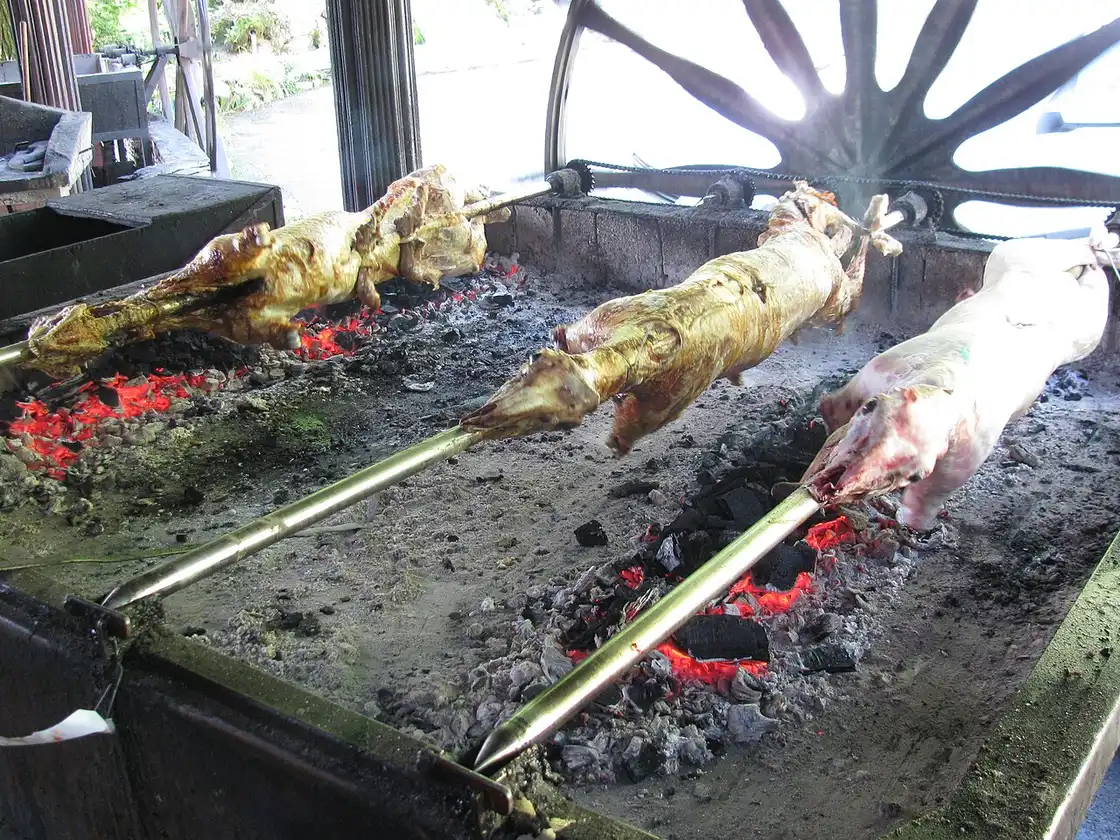
Bosnian drivers treat Jablanica as a janjetina town - whole lamb on a spit (na ražnju) or under the metal bell (ispod sača), usually sold by the kilo or by generous shared portions. The grills sit on or just off the main road, and the smell hits before the sign does. I won’t invent a menu price here: no named grill published a stable operator price sheet I could verify on 4 September 2026. Ask at the grill, read the board, and pay what that day costs. Cash in KM is safer than assuming a foreign card will clear on a Sunday afternoon.
Go for lunch after the museum so the memorial hour stays quiet and focused. If you’re sharing a table, order less meat than your hunger suggests - spit-roast portions run heavy. Trout and mixed grill show up too, but the lamb is why people brake.
Getting there on the M17
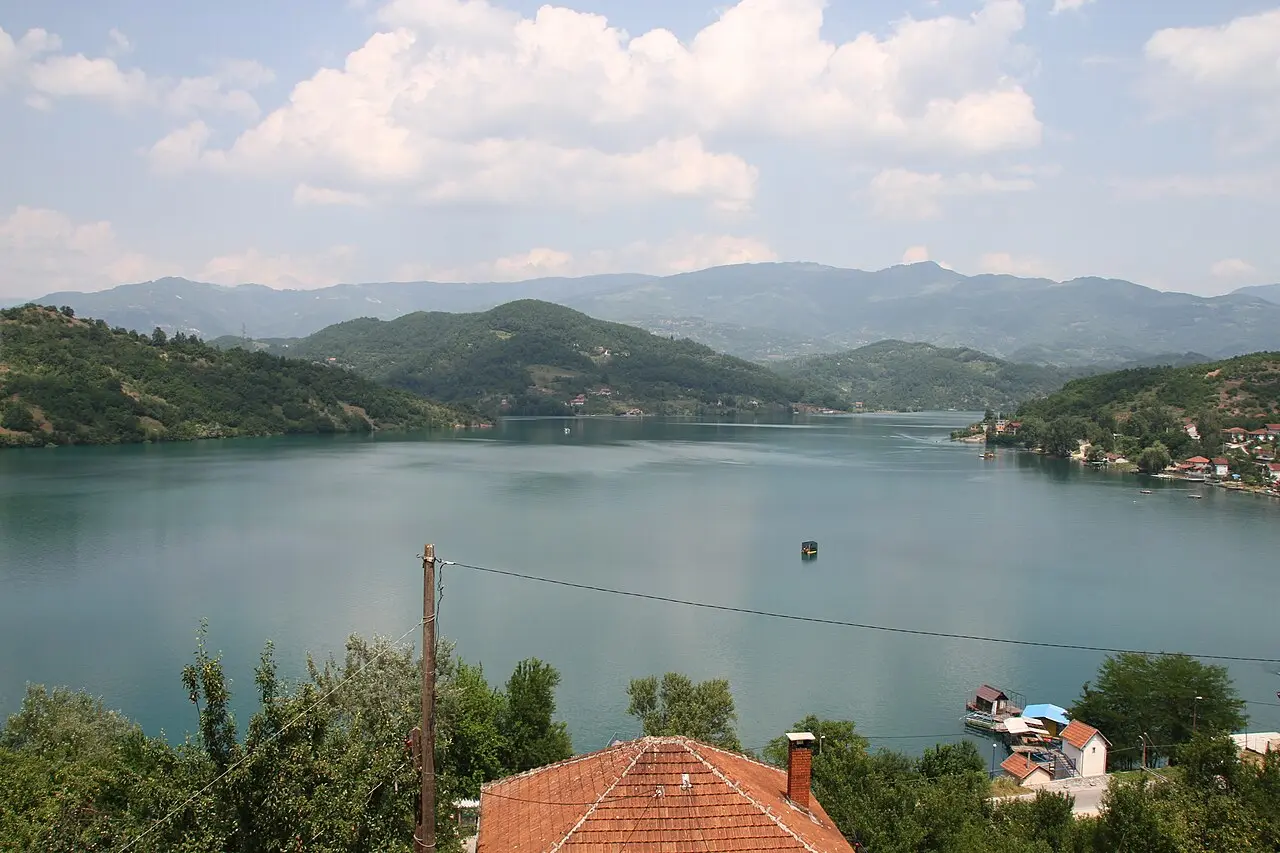
Jablanica sits on the main Sarajevo-Mostar corridor. Driving distances from an OSRM check on 4 September 2026: about 79 km from central Sarajevo (around 1h15-1h25 in normal traffic) and about 47 km from Mostar (around 45-60 min). Konjic is only about 23 km north - close enough that the bunker and the museum fit the same day if your ARK D-0 slot is early.
A hire car is what makes the stop easy: you leave the highway, park free at the museum, walk the bridge, then pull into a grill without watching a bus timetable. The same wheels carry you into the longer Neretva Adventure Route if you’re stretching the valley over two days.
Without a car you still have two ways in. Coaches work the Sarajevo-Mostar corridor - Centrotrans sells the run on its own booking site, and smaller operators share the road - but the carriers don’t spell out which departures call in Jablanica, so check the specific service instead of assuming they all stop. From the town bus station it’s about 0.7 km to the museum, a short walk.
The train is the other option, and it needs one piece of local knowledge: get off at Jablanica Grad, roughly 1.1 km from the museum, not at the station simply called Jablanica, which sits down in Donja Jablanica about 3.3 km away. ŽFBH runs two services each way per day on the valley line. Southbound from Sarajevo to Jablanica Grad the departures are 07:15 (train 723) and 16:46 (train 721); coming the other way, Mostar to Jablanica Grad means the northbound pair out of Čapljina at 06:03 (720) and 16:42 (722). The carrier publishes those endpoint times but not the minute each train calls at Jablanica Grad, so ask at the counter instead of reverse-engineering an arrival from the endpoints. The Sarajevo to Mostar page covers fares and the seasonal coastal service for the corridor as a whole. The ride is gorgeous, but two trains a day won’t wait while you eat lamb.
Summer Fridays and Sundays pack the M17 with coastal traffic. Build slack into the Mostar leg, keep water in the car, and don’t treat “45 minutes from Mostar” as a promise when roadworks or queues hit the gorge.
How long to budget
Museum and bridge alone: an hour to an hour and a half.
Museum + lamb lunch: 2-2.5 hours.
Museum after Tito’s bunker near Konjic: half a day north-to-south, with the bunker booked first - that site is tour-only and will not take walk-ups.
Don’t overnight in Jablanica unless you already have a reason. Most people sleep in Mostar or back in Konjic / Sarajevo and treat this as the honest midpoint stop. Keep KM cash for tickets and lunch, and re-check winter hours the week you travel - the weekday-only winter list is easy to miss when you’re planning from a summer memory, and the unheated winter season is easier still to forget until you’re standing in it.
Photos
On the map
The map loads on click - to keep the page lightweight.
The map didn’t load. Check your connection and refresh the page.
Admission and opening hours
- Admission price
- Adults 5.00 KM; students 4.00 KM; children 2.00 KM; family ticket 10.00 KM (museum price list). Free admission for visitors with disabilities, and the museum states that some exhibitions and restroom facilities are not yet fully adapted for wheelchair users. Payment methods are published for groups only - cash on site or bank transfer, with card payment marked "coming soon"; nothing is published for individual visitors, so carry KM in cash. English guided tour of exhibits 30.00 KM; museum plus memorial complex 40.00 KM - prior booking required by email or the online reservation form, and the price list does not say whether the guide fee is per person or per group, so confirm when booking.
- Opening hours
- April-October: Mon-Fri 08:00-18:00, Sat-Sun 10:00-18:00. November-March: Mon-Fri 08:00-16:00 only - no weekend hours listed on the operator page, and the museum states it operates without heating during the winter period, so dress for it. Confirm before a winter Saturday run.
Free visitor parking on the museum lot. Photography allowed in most permanent exhibitions without flash or tripods. Address: 1. Mart 23, 88420 Jablanica. Currency is the convertible mark (KM) - euros are not the everyday currency anywhere in Bosnia, and the museum publishes no euro or card policy for individual visitors, so bring marks.
Details checked: September 4, 2026
Distance
- Sarajevo ≈79 km · about 1h15-1h25 by car M17 / E73 down the Neretva valley after the A1 stretch to Bradina. Driving distance about 79 km (OSRM, 2026-09-04). Coaches on the Sarajevo-Mostar corridor are run by Centrotrans among others, but not every departure calls in Jablanica - check the specific service. The town bus station is about 0.7 km from the museum.
- Mostar ≈47 km · about 45-60 min by car North on the M17; about 47 km. Same corridor as the scenic train and bus run between the two cities.
Read also

What to see · 15 min read
Via Dinarica Bosnia: Huts, Stages & Logistics
Verified · September 12, 2026Plan the Via Dinarica White Trail in Bosnia: 12 stages, 334 km, hut booking, trailheads, closures and three workable section packages.

What to see · 8 min read
Prokoško Lake: Shepherd Huts High Above Fojnica
Verified · September 3, 2026Prokoško on Vranica at 1,636 m: katuni, gate prices for foreigners, no swimming, and the 2026 asphalt climb from Fojnica.

What to see · 11 min read
Franz Ferdinand's Sarajevo: Latin Bridge & 1914 Site
Verified · August 29, 2026The Latin Bridge corner in Sarajevo where Franz Ferdinand was shot in 1914: what happened, the Museum of Sarajevo 1878-1918 inside, hours and tickets.

What to see · 10 min read
Vijećnica: Sarajevo City Hall & Its Burned Library
Verified · August 28, 2026Sarajevo City Hall (Vijećnica): the 1896 pseudo-Moorish landmark, the 1992 library fire, the 2014 restoration, plus hours, tickets and what to see inside.