Sarajevo to Mostar Train & Bus 2026: Times & Fares
Sarajevo to Mostar in 2026: the scenic Neretva train (2 a day, ~2h), frequent buses and the M17 drive compared, plus the summer train to the coast.
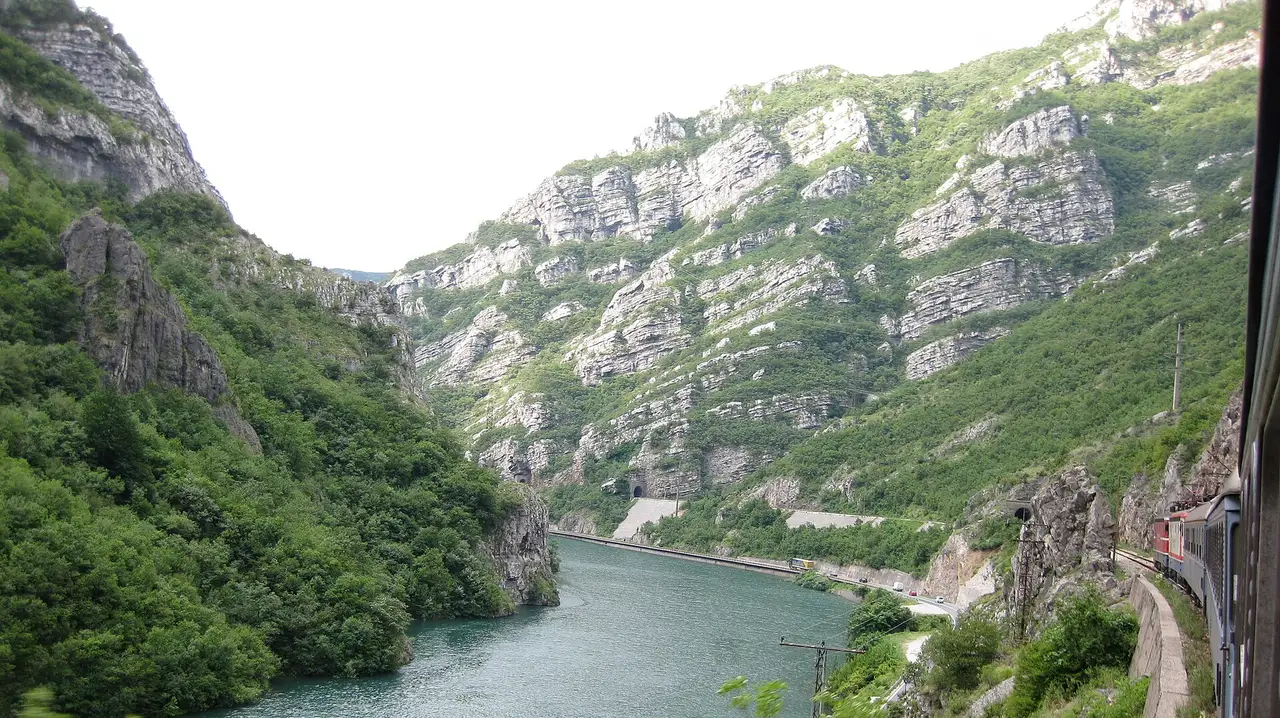
The short version: the roughly 130 km from Sarajevo to Mostar takes about two hours by train or car, and 2.5 to 3 hours by bus - and if you can time it, the train is the one to take, because the line threads the Neretva canyon and is regularly rated one of the most scenic rail journeys in the Balkans. Most people make this trip after a day or two in the capital’s old bazaar of Baščaršija, heading south to Herzegovina. The snag with the train is that it only runs about twice a day. Buses go far more often and cost a little more; driving gives you the freedom to stop, which is what makes Herzegovina worth the road in the first place. This guide breaks down all three - times, prices, where the stations are, and which to choose for your trip.
The quick comparison
The at-a-glance version first, before the detail. All prices are in convertible marks (KM / BAM), the local currency - roughly 1.96 to the euro.
- Train - about 2 hours, around twice a day each way (morning and late afternoon); second class was 14.10 KM (about €7) at the last published tariff, and ŽFBH announced a 20% fare rise from 1 March 2026 without publishing a new price list, so budget up to about 17 KM and confirm at the counter (checked September 2026). The scenic winner and the cheapest, but infrequent, so it sells out on holidays. On summer weekends one service now runs straight through to the Croatian coast at Ploče. Best for the journey itself.
- Bus - about 2.5-3 hours, roughly 28-34 KM depending on the operator, and frequent (many departures through the day). The flexible default if you’re travelling city to city and don’t want to watch a timetable.
- Car - about 2 to 2.5 hours driving the M17 down the valley. Most freedom, lets you stop at Konjic, Jablanica and the viewpoints - and it’s what you want if Mostar is the start of a wider Herzegovina loop rather than the destination. It’s a two-lane road shared with trucks, so it helps to know what driving in Bosnia is actually like before you set off.
- Private transfer - door to door in about 2 hours, no driving and no station. The pricey-but-easy option, and genuinely worth it with luggage, a group, or a late arrival.
There’s no wrong answer here - it depends on whether you value the view (train), flexibility (bus), stops (car) or comfort (transfer). Below, each in turn.
The train: the scenic highlight
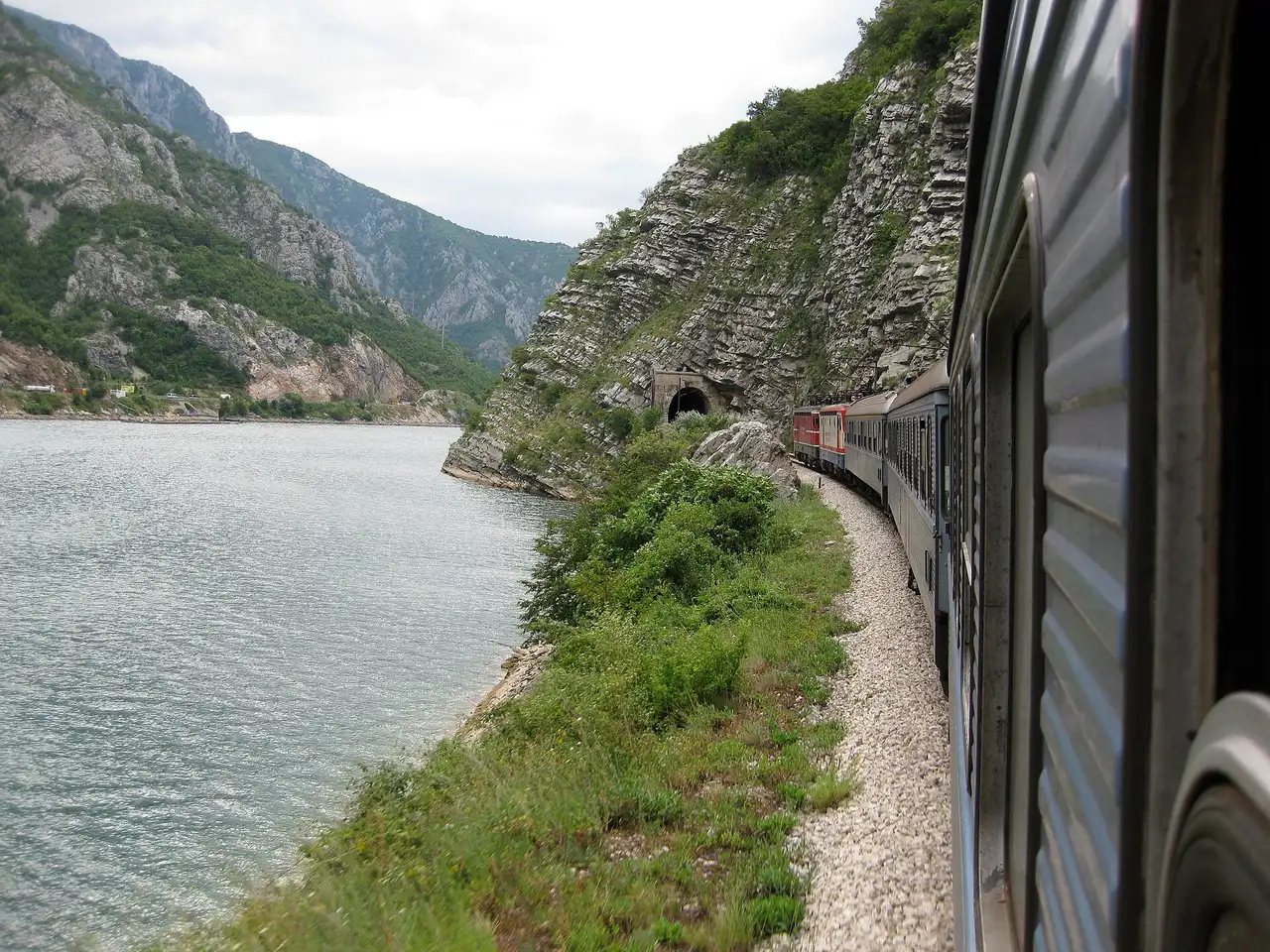
If your schedule allows it, take the train. The line down the Neretva valley is genuinely one of the best rides in the region - for two hours it hugs the river, threading gorges, skirting the improbably turquoise Jablanica reservoir, and slipping through tunnel after tunnel as the landscape shifts from Sarajevo’s highlands to the Mediterranean feel of Herzegovina. It costs about the same as a coffee and a sandwich, and it beats the road hands down for scenery.
The service is run by ŽFBH (Railways of the Federation of Bosnia and Herzegovina) using modern, air-conditioned Talgo trains, with a small café-bar on board and first and second class. There are about two departures a day in each direction - in 2026 the southbound trains leave Sarajevo around 07:15 in the morning and 16:46 in the late afternoon (train 721) - and the trip takes just under two hours. Second class runs around 14 KM (13.90-14.10 BAM depending on the source you check); ŽFBH doesn’t publish an online fare table for this route, so buy at the station counter, and a return works out about 20% cheaper than two singles. Exact times shift with the season, so check the current ŽFBH timetable before you build a day around it.
Two practical points that trip people up. First, timetables here change with the season and are not dense - a couple of trains a day means a cancelled plan if you don’t check, so look up the current schedule on the ŽFBH site (zfbh.ba) before you build a day around it, and don’t assume the return time is convenient - the afternoon southbound still leaves room for Mostar restaurants with a bridge view once you arrive. Second, for the best views, sit on the correct side: the finest river scenery is on the left-hand side going Sarajevo to Mostar, and the right-hand side coming back. There are no seat reservations - you sit where you like - so board a few minutes early to claim a window on the river side. Tickets are sold at the station or online, with booking opening about two weeks ahead.
The summer train to the sea: Sarajevo to Ploče
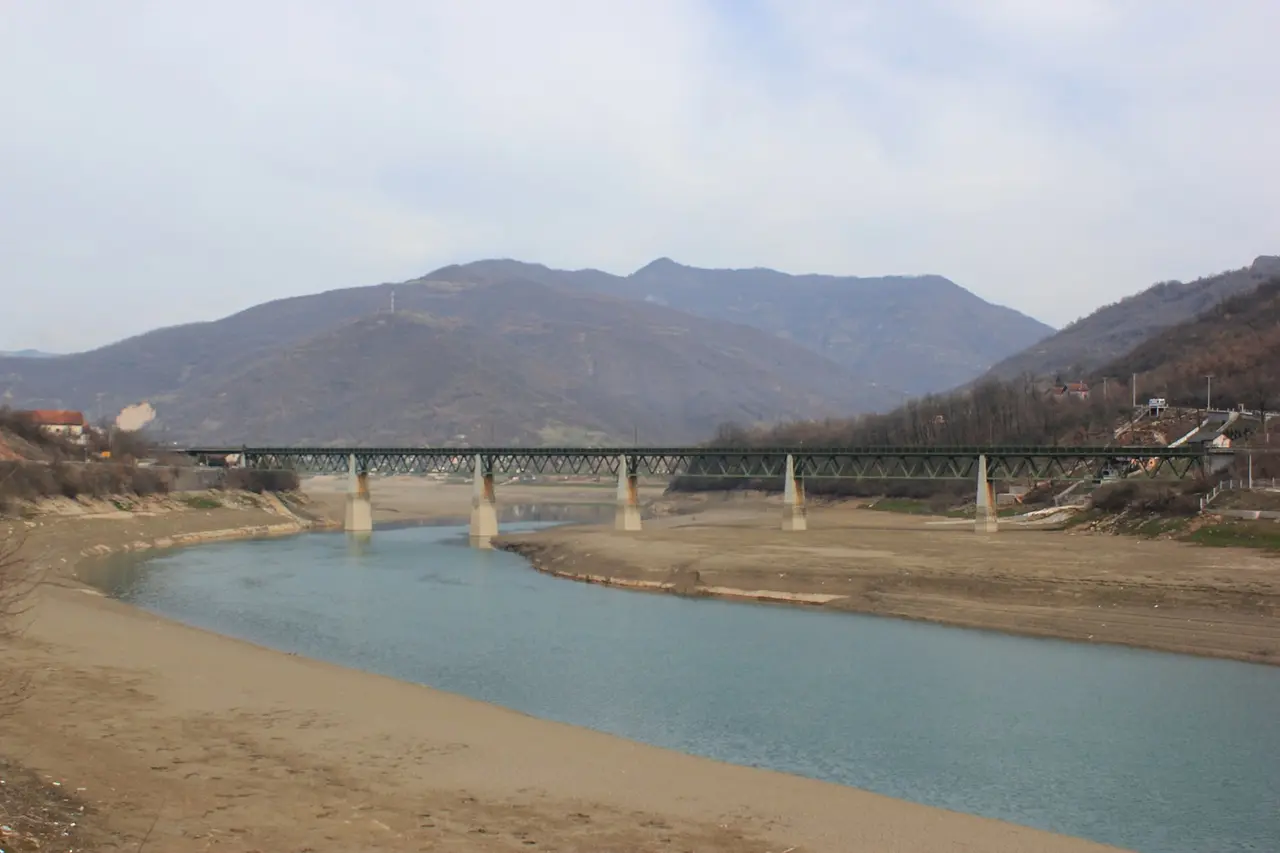
Here’s the part worth planning around if your dates line up. On summer weekends - 26 June to 27 September in 2026, nothing out of season - (Fridays, Saturdays and Sundays), the morning train does not stop at Mostar - it carries on down the Neretva and across the border to Ploče on the Croatian coast, a joint ŽFBH and Croatian Railways (HŽPP) service brought back after years off the map. It leaves Sarajevo at 07:15, reaches Mostar at 09:15, then calls at Čapljina and Metković before pulling into Ploče at 10:36 - about 3 hours 20 minutes end to end. The return runs the same evening, leaving Ploče at 18:26 and getting back into Sarajevo at 21:54, passing through Mostar around 19:56. That 27 September end date is from ŽFBH’s current 2026 season page; both HŽPP’s own news post and an earlier ŽFBH announcement still show a stale “runs until end of August” on their sites, so don’t be put off by an older page if you’re travelling in September.
Fares for the full Sarajevo-Ploče run are 29.30 BAM one way and 48.30 BAM return (roughly €15 and €25), with a 30% discount for students, pensioners, journalists and groups of six or more, half price for children aged 4 to 12, and free travel under 4. A one-way ticket is valid for four days and a return for a month, so a weekend by the sea is easy to build around it. The catch: you can’t buy this ticket online. On the Bosnian side you buy at ŽFBH stations; on the Croatian side, on board or at HŽPP international ticket offices. It’s slow, scenic and genuinely cheap, and it only runs three days a week in summer, so if the Adriatic is your onward plan, book the trip around the train rather than the other way round. Off-season or midweek, stick to the two domestic Mostar trains above and pick up the coast from there with our Split to Mostar and Dubrovnik to Mostar guides.
The bus: frequent and flexible
If the two train times don’t suit you - and often they won’t - the bus is the practical fallback, and for most travellers moving city to city it’s the default. Buses on this route are frequent, with departures spread through the day from early morning to mid-evening, so you can more or less turn up and go rather than plan around a sparse timetable.
The trade-off is time and, marginally, money: the coach takes about 2.5 to 3 hours (it follows the same valley road as a car, with a stop or two), and fares run roughly 28 to 34 KM one way depending on the operator - Centrotrans prices every departure at a flat 34 KM on its own booking site, while Globtour and the other smaller operators can run cheaper, down toward 28 KM. Several companies work the route - Centrotrans, Globtour, Autoprevoz and Globus Turist among them - so times and prices vary; it’s worth comparing on a site like buskarta.ba or GetByBus, or just buying at the station counter.
One thing to get right: which station. Buses leave from Sarajevo’s main bus station next to the railway station, but note that Sarajevo has a second terminal in East Sarajevo (Lukavica), in Republika Srpska, which some carriers use - so check your ticket for the departure point. In Mostar, intercity buses pull in at the East (main) bus station, which sits next to the train station in the north of the city, a 15-20 minute walk or short taxi from the Old Bridge.
Driving the M17
Driving is the move if you want to stop along the way or if Mostar is just the first leg of a bigger Herzegovina trip. The route is straightforward: the short A1 motorway south out of Sarajevo (through the Ivan Tunnel - this is the one tolled stretch, paid at a booth in KM or euros, cards accepted), then you drop onto the M17, the two-lane road that runs the length of the Neretva valley all the way to Mostar. Reckon on 2 to 2.5 hours for the roughly 130 km.
For a two-day version with Konjic, the bunker, Boračko and Jablanica built in, see the Neretva Adventure Route.
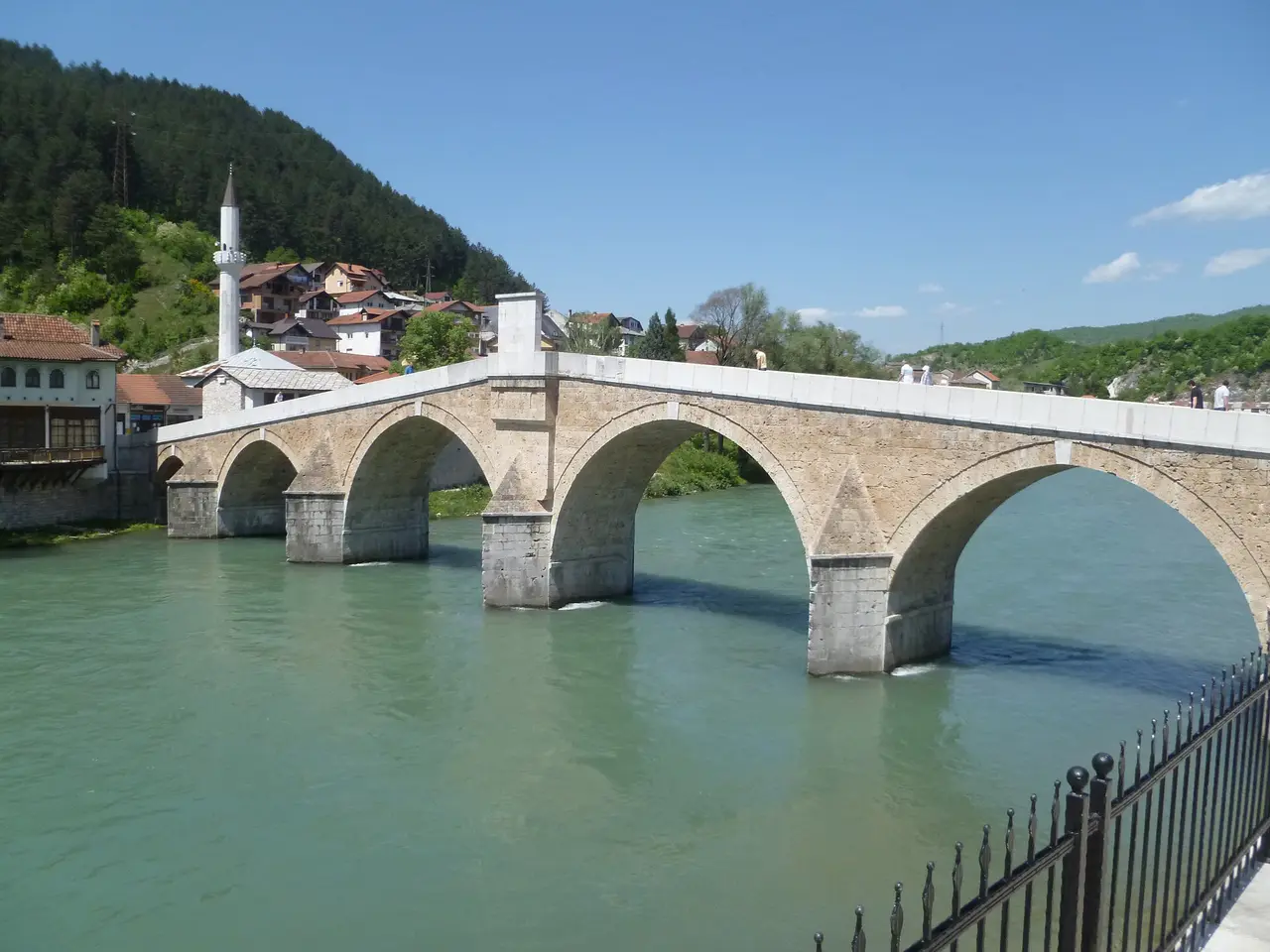
Set expectations for the M17: it’s a good-surfaced but single-lane-each-way road shared with trucks, winding along the river, so overtaking is slow and your average speed will be modest - this is not a motorway blast, and you shouldn’t plan it as one. That’s also its charm. The payoff for driving is the stops the train and bus blow straight past: Konjic, with its handsome Ottoman stone bridge over the Neretva and Tito’s Cold War nuclear bunker (ARK D-0) nearby; Jablanica, on its turquoise lake and known for spit-roast lamb; and any number of river viewpoints where you can just pull over. If you’re renting, our Bosnia car rental guide covers where to book, cross-border rules and winter tyres - and note that returning the car in a different city adds a drop fee, so a Sarajevo-out-and-back loop is the efficient shape.
Private transfer: door to door
If you’d rather not drive and the train times don’t fit, a private transfer does the journey door to door in about two hours, with no station and no changes. It’s the most expensive way to cover the route by some margin, but it earns its keep in specific situations: arriving late, travelling as a group (where the per-head cost drops), lugging heavy bags, or simply wanting to watch the Neretva go by without touching a steering wheel or a timetable. Many drivers will also add a stop at Konjic or Jablanica for a fee, turning the transfer into a mini-tour. Price it up against a rental before you decide - for a one-way, city-to-city hop with no onward driving, a transfer can make more sense than a car you’d only park.
So which should you take?
Match it to your trip:
- You want the experience, and your times line up → the train. It’s the cheapest and by far the prettiest; just check the ŽFBH schedule and grab a left-hand window.
- You want to go now, or the train times don’t work → the bus. Frequent, cheap enough, no planning required.
- You want to stop, or you’re carrying on into Herzegovina → drive the M17, and fold in Konjic and Jablanica. A hire car makes the wider region work in a way nothing else does.
- You want it effortless → a private transfer, especially with bags, a group or a late arrival.
Whichever you pick, this is a short, easy hop between Bosnia’s two headline cities - read up on the ends of it in our guides to Sarajevo and Mostar, and once you arrive, where to stay in Mostar sorts out which side of the Neretva to book. If you’re doing a short trip, our 3 days in Bosnia route pairs these two cities with a Herzegovina day; for the whole country, the 7-day Bosnia itinerary builds this leg into a full self-drive loop. Flying in? Our guide to which airport to fly into for Bosnia weighs up Sarajevo, Tuzla and the coastal gateways, and if you’re arriving from the Croatian coast first, our guides to getting here from Dubrovnik and Split cover the border and the drive up to Mostar.
Photos
Read also

Transport · 11 min read
Sarajevo Public Transport: Trams, Buses & Tickets
Verified · September 3, 2026How Sarajevo trams, trolleybuses and buses work: GRAS fares in KM, where to buy tickets, the Javni Prevoz KS app, and when to walk instead.

Transport · 13 min read
Bosnia-Montenegro Border Crossings: What to Expect
Verified · August 24, 2026Bosnia-Montenegro at Hum, Klobuk, Deleuša and Zupci: real insurance rules, honest queue ranges, rental car paperwork, and which crossing fits your route.

Transport · 11 min read
Sarajevo to Travnik & Jajce: Bus and Driving Guide
Verified · August 22, 2026Sarajevo to Travnik and Jajce: Centrotrans bus from 26.50 KM, or drive 90 min to Travnik, 2h50 to Jajce. One corridor, both towns. Checked August 2026.

Transport · 10 min read
Sarajevo to Trebinje 2026: Drive 4h or 07:45 Bus
Verified · August 15, 2026Sarajevo to Trebinje: 222 km, about 4 hours by car via Foča and Gacko. Morning bus from East Sarajevo; confirm the fare at the window.