Dubrovnik to Trebinje: Bosnia's Easiest Day Trip
Trebinje is the easiest day trip from Dubrovnik: about 30 km and 30-40 minutes over the small Brgat crossing. Car, taxi, tour and bus compared.
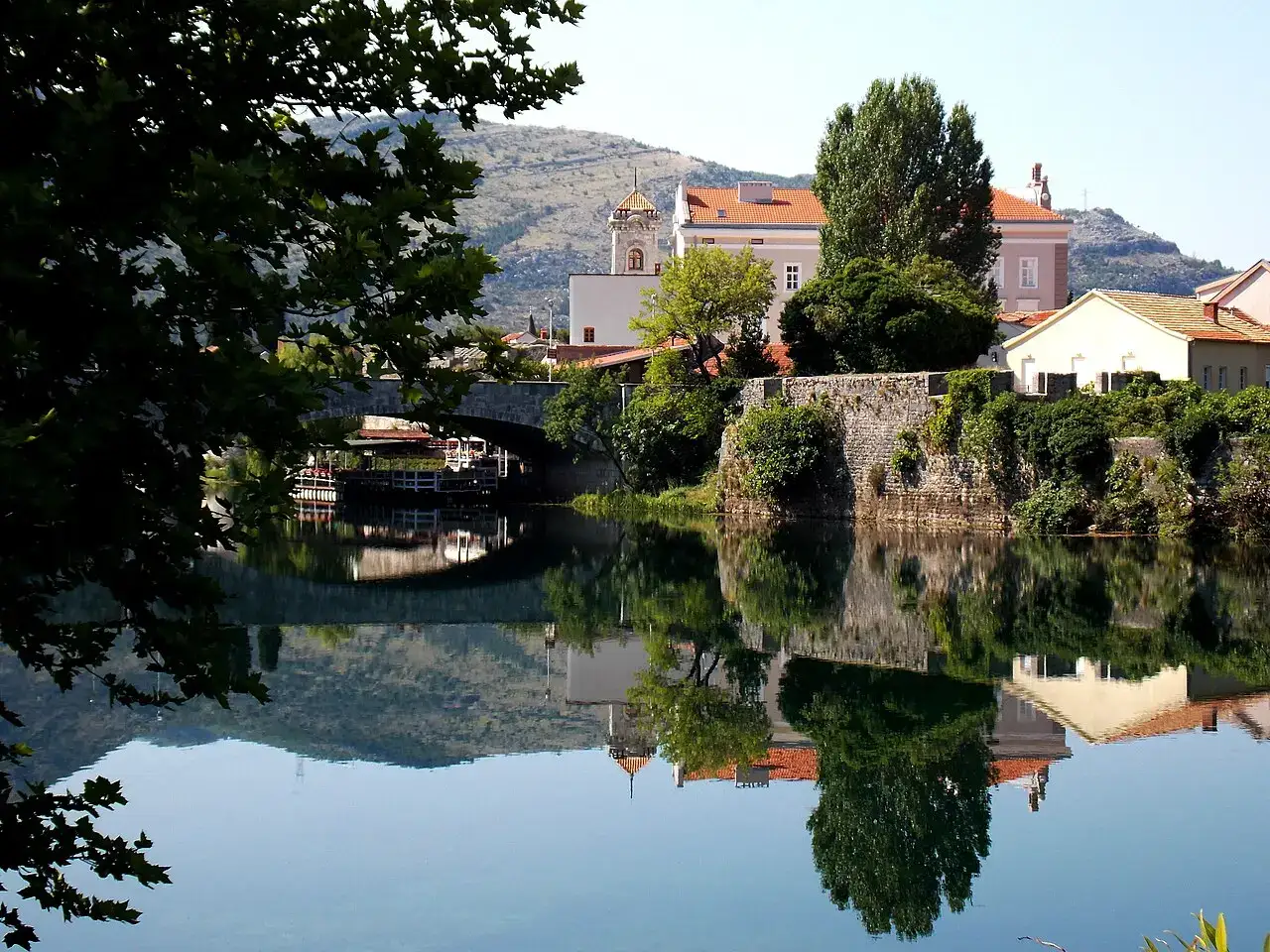
Short answer: Trebinje is the single easiest place to reach in Bosnia from Dubrovnik, and it barely feels like a border day at all. It’s about 30 km and 30 to 40 minutes by car, over one small crossing that most people have never heard of, into a sunny Herzegovinian town of plane-tree squares, wine cellars and an Ottoman bridge. The catch, and the thing that decides how you should travel, is transport: there is no proper direct scheduled bus on this hop, so the honest ranking is drive, taxi or tour first, and the bus a distant last, which is the opposite of most Balkan routes. This guide walks through each option, the Brgat crossing, what you actually see in a day, and why so many people rate Trebinje above the crowds of Kotor for a quick hop out of Croatia. The town itself gets the full treatment in our Trebinje guide; this is how you get there and back.
The honest numbers
On the map it’s roughly 30 km on a quiet inland road, and a routing app shows about 40 minutes of driving for the roughly 34 km. Add the border stop and call it 40 to 50 minutes door to door in normal conditions. That’s genuinely short - shorter than the drive to many beaches, and a fraction of the Dubrovnik to Mostar run, which is more than twice as far. You can be sipping coffee on Trebinje’s main square less than an hour after leaving your Dubrovnik hotel.
The road climbs up from the coast at Brgat and drops into the Trebišnjica valley, so it’s a scenic little drive rather than a motorway slog. Trebinje sits in Republika Srpska, the Serb-majority entity of Bosnia, which in practice means Cyrillic road signs and the convertible mark (BAM / KM) as the currency. Some places take euros, but rates are poor, so carry a little cash in marks for a coffee, a wine tasting or the market.
The Brgat crossing
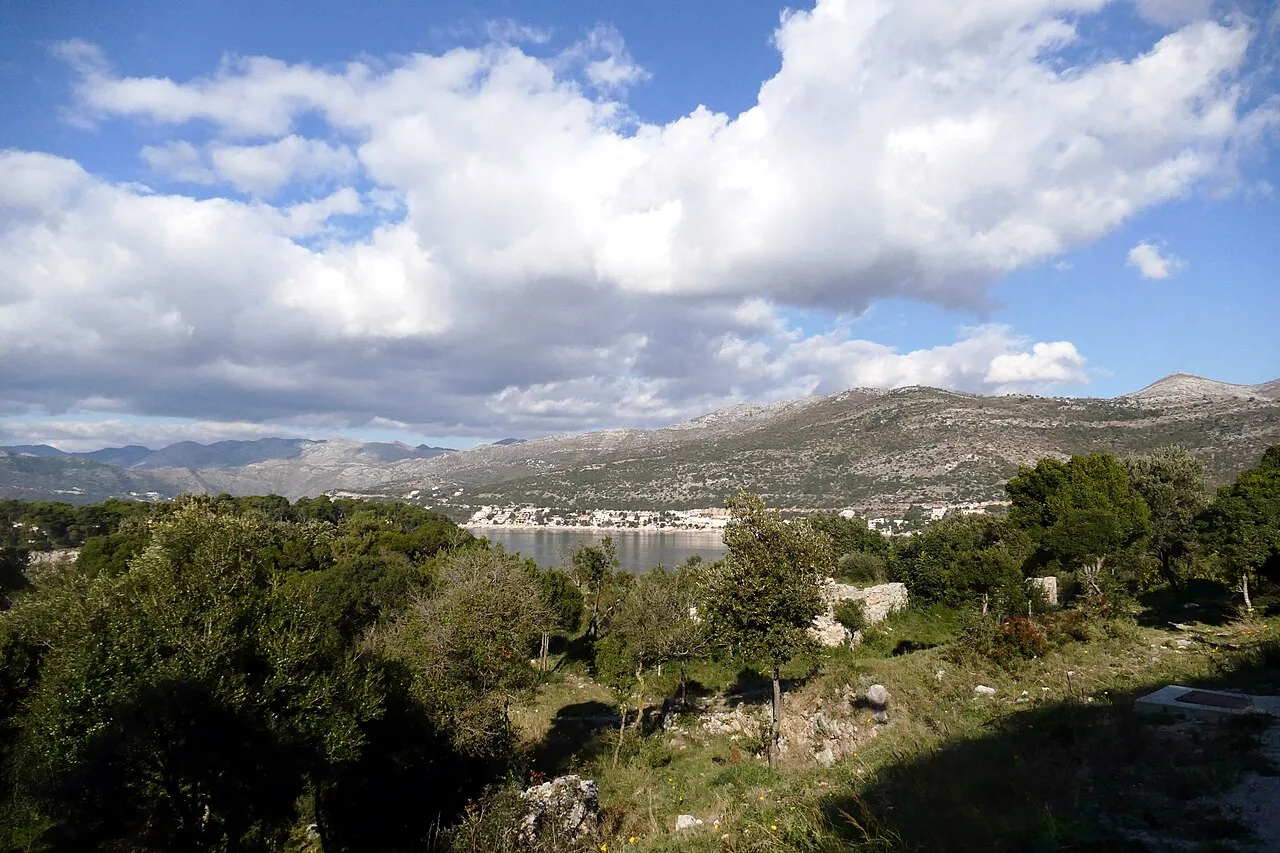
Here’s the crossing that shapes the trip. The direct route uses the Brgat Gornji (Croatia) - Ivanica (Bosnia) border, one of the smaller official crossings in the area. Despite its size it is a full international crossing for passenger and goods traffic, and coaches aren’t barred from it in principle. Hours can shift with the season and aren’t the round-the-clock coastal kind, so if you are planning a very early start or a late return, check the current times first; confirm your own document rules with the Bosnian Border Police too (checked 2026-07-08).
The thing that actually makes Brgat pleasant is how quiet it is. It sees a trickle of traffic compared with the coastal Karasovići crossing that funnels everyone into Montenegro, so waits are often under 15 minutes outside the peak-season weekends. That’s a big part of why Trebinje feels easy: the border is rarely the bottleneck. The bottleneck, as it turns out, is the bus timetable rather than the crossing - which is why driving, a taxi or a tour beat the bus here, the reverse of most Balkan routes. Hold that thought for the transport comparison below.
On documents, the usual Bosnia rule applies. EU, EEA and Schengen nationals cross on a valid national ID card; everyone else, including UK and US passport holders, needs a passport. Ninety days visa-free in any 180 covers a day trip many times over. Our Croatia-Bosnia border crossing guide has the full picture on stamps and summer queues.
Driving yourself
If you already have a car, or are happy to hire one, self-driving is the best way to do Trebinje. You get your own timing, the freedom to add Tvrdoš monastery or a viewpoint, and the short direct route through Brgat. The drive is easy and the parking in Trebinje is simple - it’s a small town, not a fortress-city like Dubrovnik, so you can leave the car near the centre and walk.
The one thing to sort at the rental desk is cross-border permission. Taking a Croatian hire car into Bosnia needs the company’s written authorisation, arranged when you book, not at the barrier. Since 2021 a Croatian plate is recognised in Bosnia on its own, so a Green Card certificate isn’t actually a legal requirement at this crossing - it’s the desk’s own cross-border paperwork that matters, and it’s often still sold under that name. It’s routine and usually cheap for Bosnia, but a car without the company’s sign-off can be turned back. We cover the whole process, fees and all, in our guide to taking a rental car from Croatia into Bosnia. Do that once and Trebinje, Mostar and the rest of Herzegovina all open up.
Taxi or private transfer: the easy button
No car, no problem. Because the distance is so short and the crossing so quick, a taxi or private transfer is a genuinely reasonable option here - far more so than for the longer inland runs. Expect somewhere in the region of €25 to €45 one way for a taxi or ride-hail (one commonly quoted Uber fare sits around €24), and more for a booked private transfer that waits for you and brings you back. Split between three or four people, a return transfer for a half-day in Trebinje isn’t extravagant, and it removes the border admin and the parking entirely.
A private transfer also lets you treat the driver as a loose guide: many will pause at the Gračanica viewpoint or wait while you tour Tvrdoš, effectively turning the ride into a light custom tour. If you want a fixed price door to door with a Bosnia-savvy driver, this is the low-stress choice.
Guided tours: wine, monastery, lunch
Trebinje is one of the most popular half-day tours out of Dubrovnik, usually built around Tvrdoš monastery and Herzegovinian wine. Tvrdoš is a working 15th-century Orthodox monastery with old cellars, and its monks make wine from indigenous grapes like Žilavka - the tastings are the hook. A typical tour rolls the monastery together with the Gračanica viewpoint, a wander round Trebinje’s old town, a family winery, and a long lunch of local food, getting you back to the coast by sunset.
A tour makes sense if you want the wine and the stories without driving or navigating, and if lunch and tastings are the point of the day rather than an add-on. One practical note if Tvrdoš is on your list: it’s an active monastery with a dress code - no bare shoulders or shorts - so pack accordingly. If instead you would rather build the day around your own timing and stops, a self-drive or a private transfer gives you the same sights with more control.
The bus: technically possible, practically painful
This is where Trebinje flips the usual advice. On most routes the bus is the cheap, sensible default. Here it’s the weak link, and not because of the border - it’s simply that no reliable direct scheduled bus really serves this short hop. Cross-border coaches are built for the big city pairs, not a 30 km cross-valley run, so what you find is thin and awkward: a routing engine like Rome2rio typically returns an indirect connection of around three to four hours that loops via Herceg Novi in Montenegro (roughly six days a week), while the occasional more direct local minibus is infrequent and doesn’t run every day (and often not on Sundays). Fares are cheap, in the €6 to €25 range depending on the service, and buses use Dubrovnik’s main terminal in Gruž.
So the bus is only worth it if you’re on a shoestring, have no car, and your dates happen to line up with a rare direct departure - and even then, check the current timetable carefully on a service like Balkanviator, Putovnica or GetByBus, because times change and the schedules disagree. For a same-day return with time to actually enjoy Trebinje, the bus usually eats too much of the day. Drive, split a taxi, or take a tour instead.
What you actually get for the effort
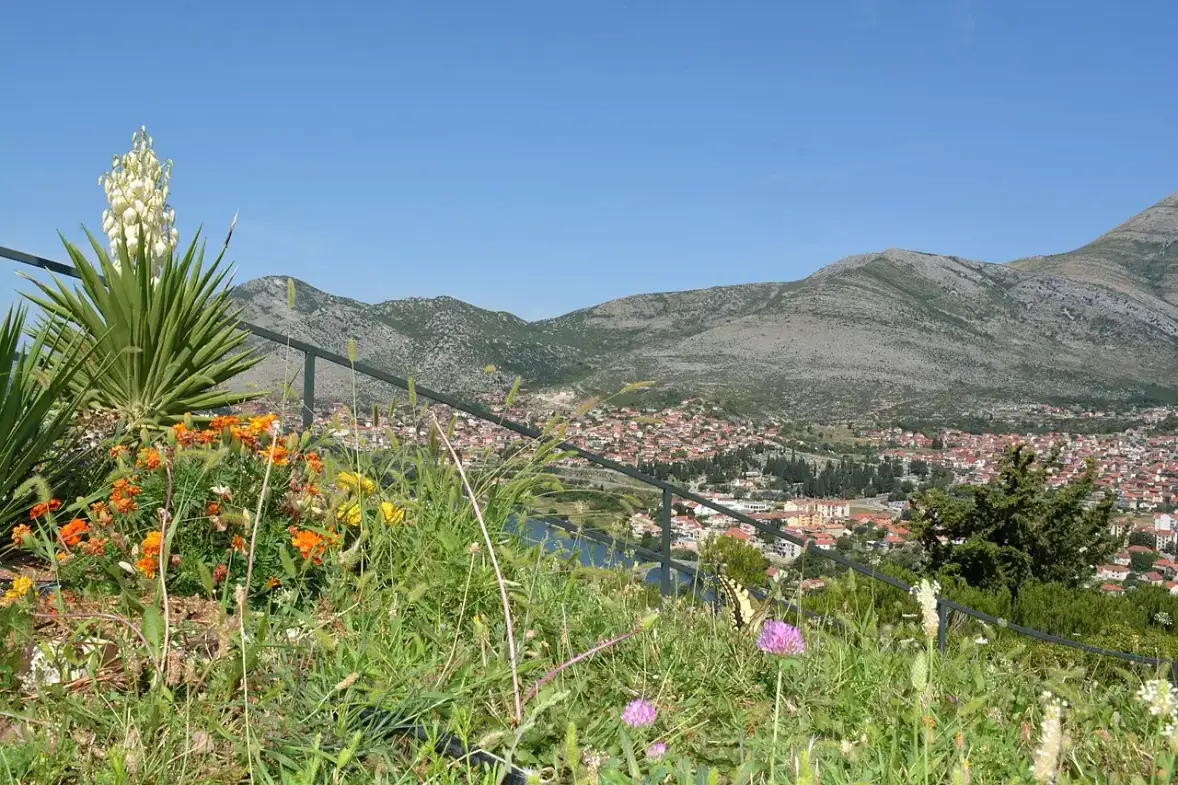
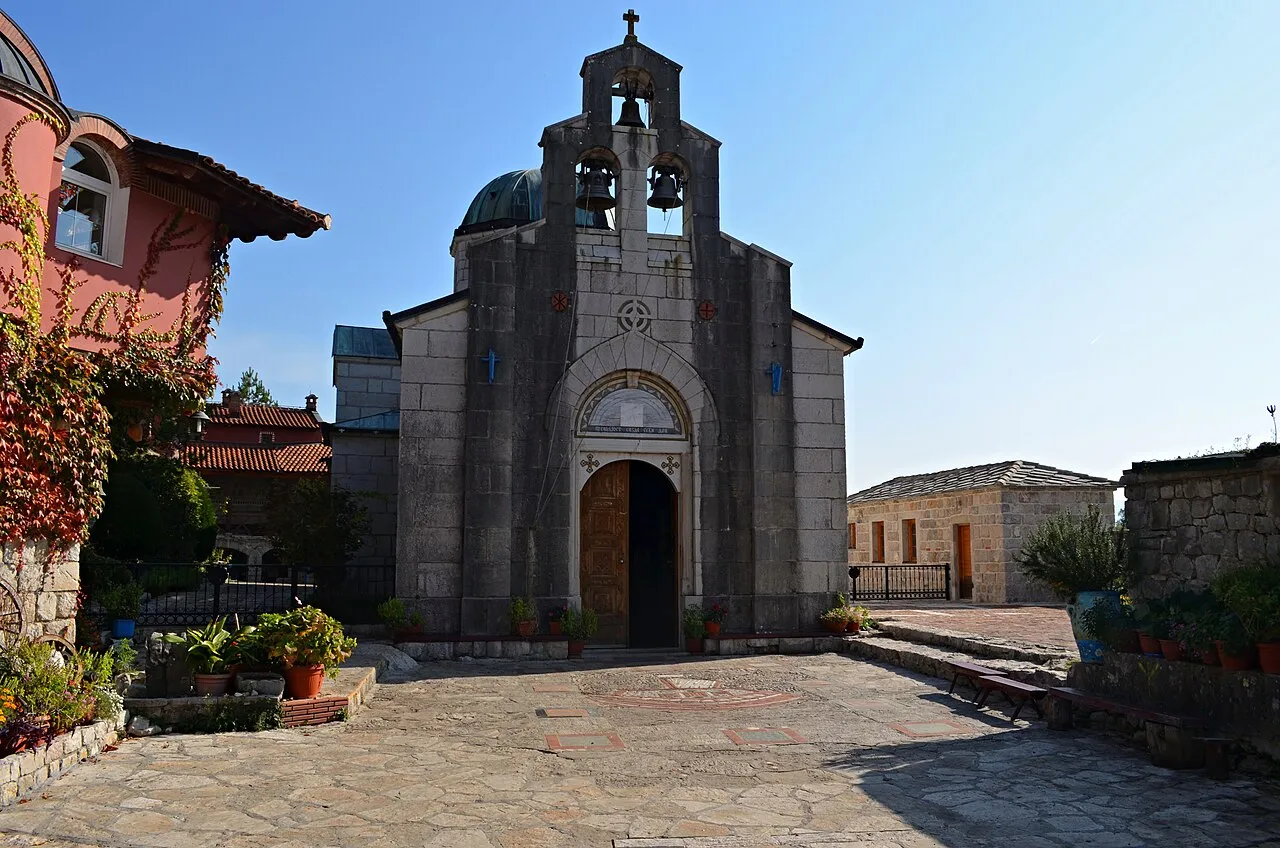
Half an hour of driving buys a surprisingly complete little day. Trebinje’s compact old town, walled and Ottoman at its core, opens onto Trg slobode, a square shaded by huge plane trees where the whole town seems to drink coffee. A short walk away, the elegant Arslanagić bridge arches over the Trebišnjica, a 16th-century Ottoman span moved stone by stone to its present spot when a dam flooded its original site. Up on the hill sits Hercegovačka Gračanica, a modern church built as a copy of the medieval Gračanica in Kosovo, with the best panorama over the red roofs and green valley.
Add the wine - Tvrdoš and the family wineries around town - and a plate of Herzegovinian food, and you have a full, unhurried outing. A tight visit of the old town, bridge and hilltop church runs about four to five hours on the ground; fold in lunch and a tasting and it becomes a relaxed six to seven hour day, which is exactly the length a Dubrovnik day trip wants to be.
So how should you go?
Match the trip to your setup:
- You’ve or will hire a car → drive. Shortest route, full freedom, easy parking. Just sort the cross-border permission at the rental desk first - the paperwork some still call a Green Card.
- No car, want it simple → a taxi or private transfer, especially split between a few people - the short distance keeps it affordable and hands-free.
- You want the wine and the stories told for you → a half-day tour around Tvrdoš and Trebinje.
- Shoestring budget, flexible dates → the bus, but only after checking that a rare direct service fits your day; otherwise it is more hassle than it is worth.
Whichever you pick, Trebinje rewards it. It’s the gentlest possible introduction to Bosnia from the Croatian coast - sunny, walkable, wine-soaked and refreshingly free of Dubrovnik’s crowds. Once it has you thinking about going deeper, the next steps inland are our guides to Dubrovnik to Mostar for the region’s headline day trip, and Dubrovnik to Sarajevo if you are ready to commit to the capital. And to plan the town itself, read the Trebinje guide before you go, or flip this trip around with our guide to the best day trips from Trebinje, which covers the run back to Dubrovnik plus the Bosnian options on the same side of the border.
Photos
Read also

Transport · 11 min read
Sarajevo Public Transport: Trams, Buses & Tickets
Verified · September 3, 2026How Sarajevo trams, trolleybuses and buses work: GRAS fares in KM, where to buy tickets, the Javni Prevoz KS app, and when to walk instead.

Transport · 13 min read
Bosnia-Montenegro Border Crossings: What to Expect
Verified · August 24, 2026Bosnia-Montenegro at Hum, Klobuk, Deleuša and Zupci: real insurance rules, honest queue ranges, rental car paperwork, and which crossing fits your route.

Transport · 11 min read
Sarajevo to Travnik & Jajce: Bus and Driving Guide
Verified · August 22, 2026Sarajevo to Travnik and Jajce: Centrotrans bus from 26.50 KM, or drive 90 min to Travnik, 2h50 to Jajce. One corridor, both towns. Checked August 2026.

Transport · 10 min read
Sarajevo to Trebinje 2026: Drive 4h or 07:45 Bus
Verified · August 15, 2026Sarajevo to Trebinje: 222 km, about 4 hours by car via Foča and Gacko. Morning bus from East Sarajevo; confirm the fare at the window.