Best Day Trips from Trebinje (Dubrovnik Included)
Day trips from Trebinje: Dubrovnik in 40 minutes, Vjetrenica cave, Mostar as a stretch, and the wine cellars already on your doorstep.
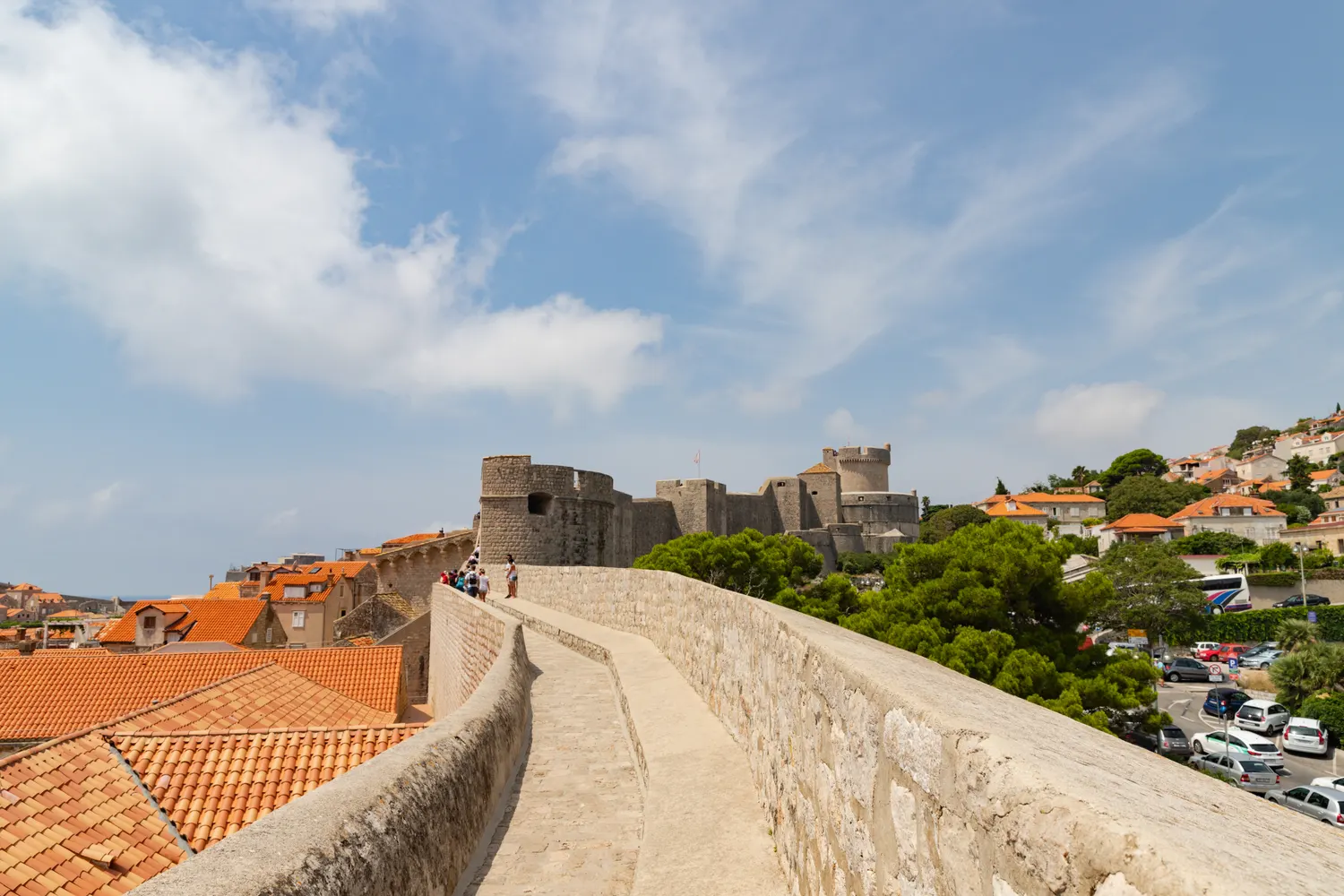
Trebinje’s whole appeal as a base is that it puts a genuinely different country within an easy morning’s drive, so the headline day trip here isn’t in Bosnia at all: Dubrovnik is about 30 km and 30 to 40 minutes away, border included. From the same town you can also reach a UNESCO cave, Herzegovina’s best wine cellars and, if you’re willing to make a longer day of it, Mostar. What Trebinje doesn’t give you is a huge menu - this is a small, quiet corner of the country, and the honest version of this list is four real options rather than ten padded ones.
Dubrovnik: the reason most people base here
Cross the border and you’re in a different world within the hour: the walled Old Town, the ramparts you can walk the full circuit of, and the cable car up Srđ for the view down over the terracotta roofs and the Adriatic beyond them. None of that needs an introduction, and our sister site’s Dubrovnik travel guide covers the walls, the cable car and the rest of it properly - this page is about the trip there and back, not the sightseeing once you’ve arrived.
The drive itself is short: about 30 km and 30 to 40 minutes including the border, over the quiet Brgat Gornji-Ivanica crossing rather than the busier coastal ones. Documents depend on your passport: EU, EEA and Schengen citizens can cross on a national ID card, while everyone else needs a passport, and since Croatia’s side is now an external Schengen border, first-time non-EU crossers give four fingerprints and a photo under the EU’s Entry/Exit System rather than getting a stamp. None of that should slow you down by more than a few minutes outside peak summer weekends. Our Croatia-Bosnia border crossing guide has the full detail on documents, queues and which crossing to use.
You have two realistic ways to do it. Drive yourself if you already have a car or are hiring one for the wider trip - it’s usually the cheapest option and the one that lets you linger, though if the car is a Bosnian rental, budget for the cross-border permission the company has to arrange from booking - whatever the desk calls the insurance part, it is that written authorisation you actually carry - and that fee (roughly €40) eats into that “cheapest” maths; our car rental in Bosnia guide covers the paperwork. Book a private transfer if you’d rather not navigate an unfamiliar city’s one-way system and parking, which in Dubrovnik in summer is a real headache - it also covers you if you’d rather skip driving altogether, since organised half-day tours to Dubrovnik are sold out of Dubrovnik itself rather than out of Trebinje. Whichever you choose, go early: the cruise-ship crowds thicken through the late morning, and Trebinje’s proximity means you can be walking the walls before the coach parties from further afield have arrived.
One more thing worth sorting before you leave: money. Trebinje runs on the convertible mark (BAM / KM), but Croatia uses the euro, so switch currencies at the border rather than trying to pay in marks on the Croatian side, where they won’t be accepted. Draw or change euros before you go if you can; airport-style exchange rates right at the crossing are rarely the best you’ll find.
Vjetrenica cave: an easy Bosnian half-day
If you’d rather stay on the Bosnian side, Vjetrenica at Zavala is the pick. It’s 41.6 km from central Trebinje, around 50 minutes on quiet roads along the edge of Popovo polje, and it’s the country’s newest UNESCO World Heritage listing, inscribed in 2024 for the richness of life in its flooded lower channels. Tours are guided, run on the hour, and take under an hour underground, which makes this a comfortable half-day rather than something that eats your whole schedule. Our Vjetrenica cave guide has the current ticket price, tour times and the drive in full.
The wine cellars you don’t even need a day trip for
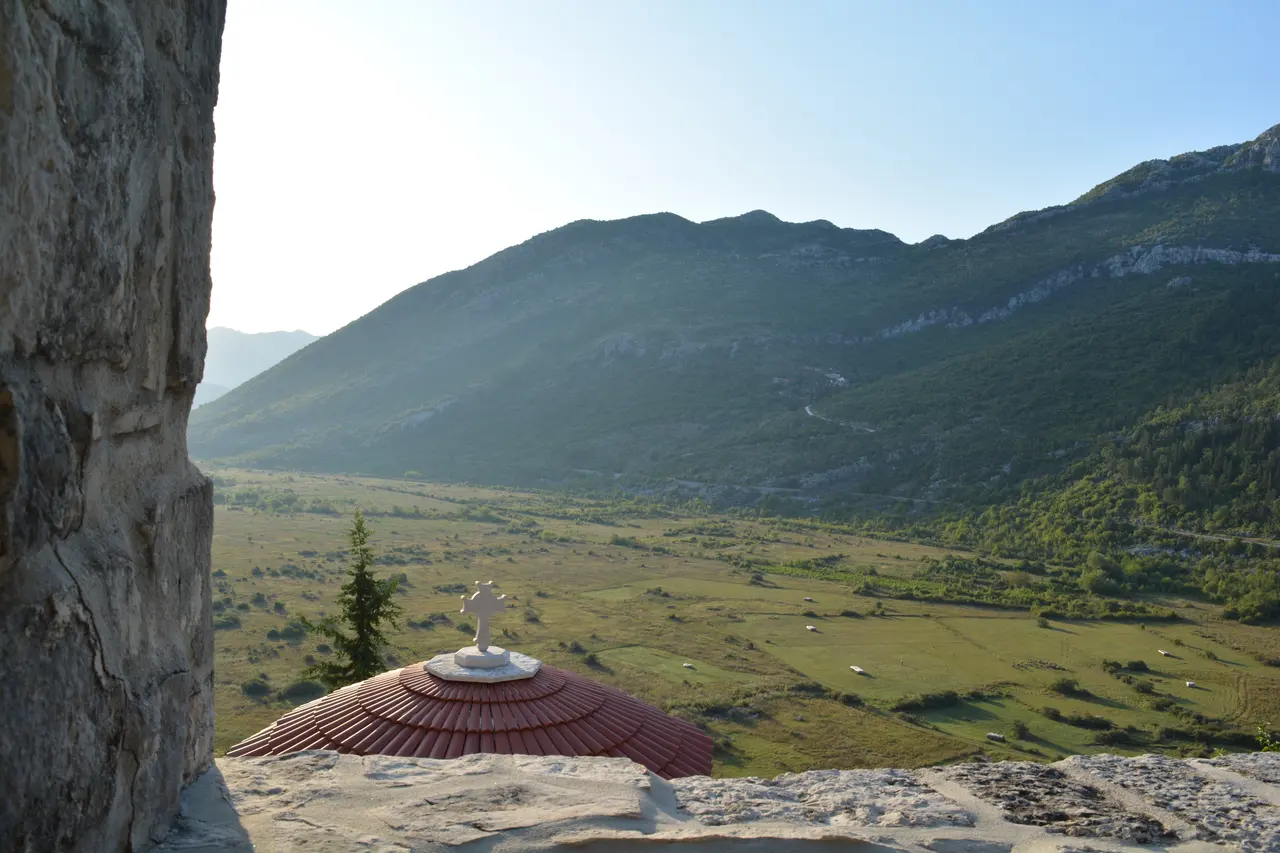
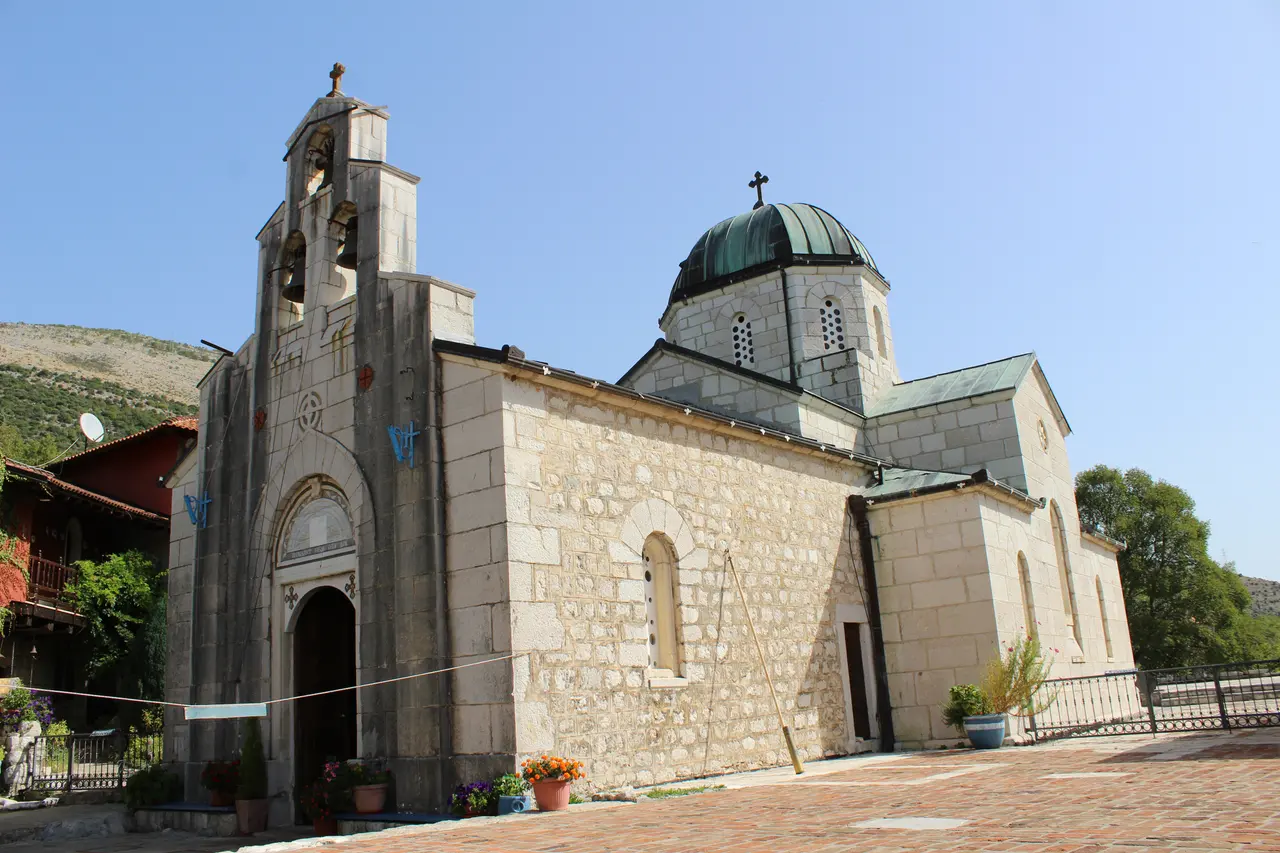
This one barely counts as an excursion, and that’s exactly the point. Tvrdoš Monastery and Podrumi Vukoje both sit a few minutes outside Trebinje, close enough that you don’t have to give up a whole day to reach them the way you would from Mostar. Tvrdoš is the atmospheric one, a working Orthodox monastery with cellars dating back centuries; Vukoje is the polished family operation with a proper tasting room and restaurant. Between the two you get both ends of Herzegovinian wine without touching a highway, which is one more reason Trebinje makes a better wine base than most visitors realise. Our Herzegovina wine guide covers both cellars, the grapes and the harvest timing in full.
Mostar: a stretch, but doable
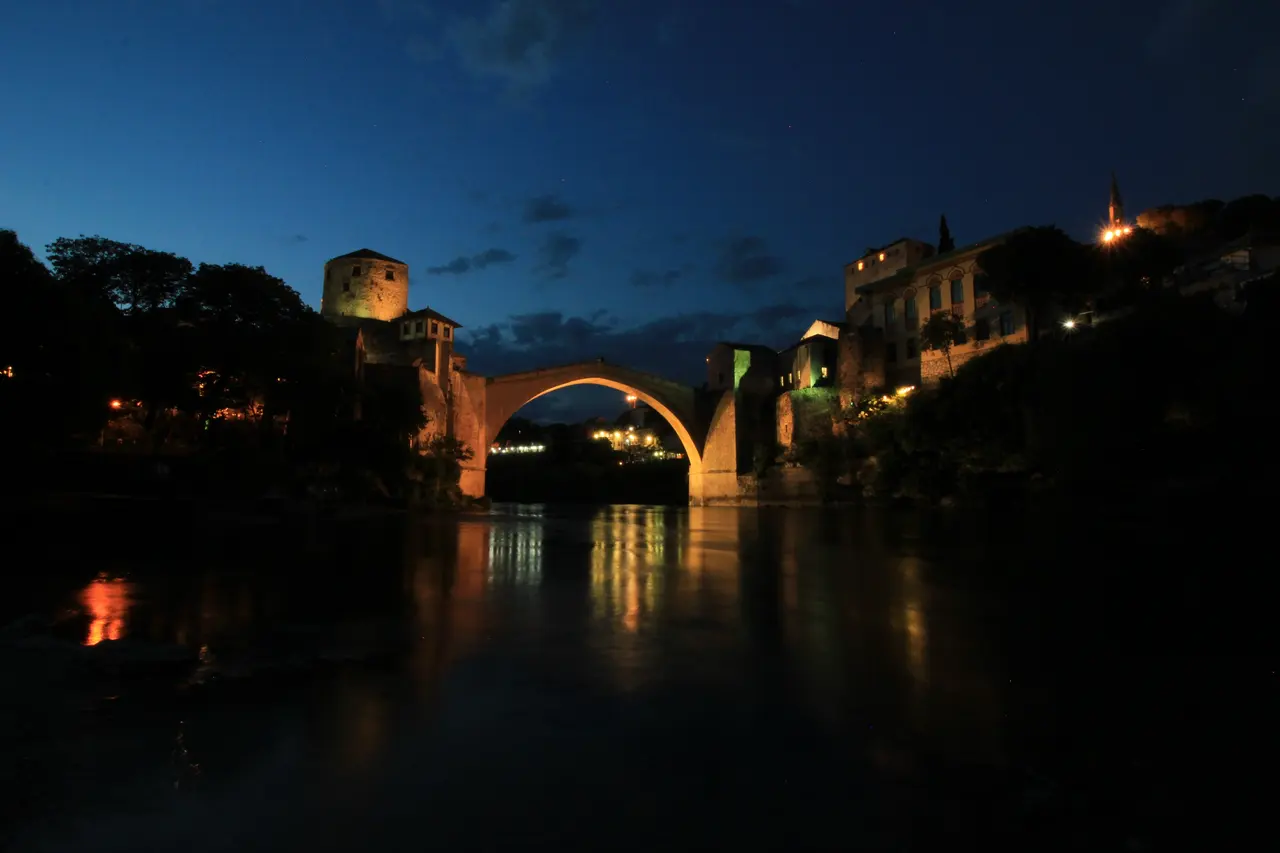
Mostar is about 120 km and two and a half hours from Trebinje by the Ljubinje and Stolac road, which puts it at the outer edge of what counts as a day trip rather than a comfortable one. The road runs west through Ljubinje and Stolac before it joins the Neretva valley, and it’s a proper drive rather than a motorway hop, so you’ll spend the best part of five hours in the car for a visit that deserves more time than a rushed afternoon gives it. Think hard before you commit a whole day to it from here. If Mostar is genuinely on your list, the better plan is often the reverse of what you’d expect: treat Trebinje as the stop on the way, not the base you day-trip from, and give Mostar the night it’s asking for. Our guides to things to do in Mostar and the best day trips from Mostar pick up from there if you decide to flip the trip around.
Popovo polje and the road between
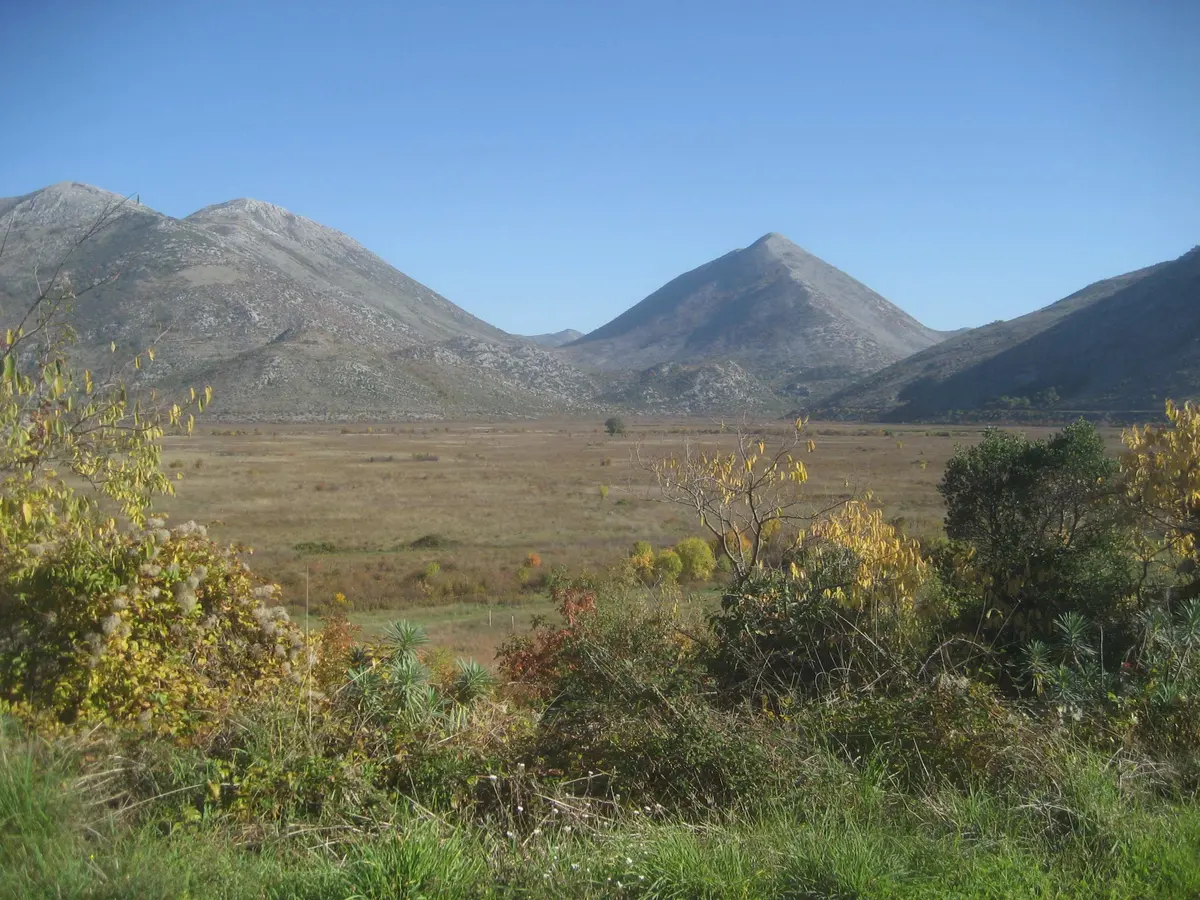
The drive itself is part of the appeal down here. Between Trebinje and Zavala the road skirts Popovo polje, a long karst valley that floods in winter and turns bone-dry and gold by late summer, ringed by bare limestone hills that never quite look like anywhere else in the country. If you have more than a single day and want to push further west, the medieval tombstones at Radimlja and the wetland channels of Hutovo Blato both sit further along this same karst country - close enough to bolt on, but far enough that they deserve their own time rather than a rushed add-on to Vjetrenica. Our East Herzegovina wine route strings all three together with Trebinje into a proper two-day loop if that’s the trip you’re after.
When to go
Weekdays beat weekends for Dubrovnik specifically, since cruise ships and coach tours both pile in hardest on Saturdays and Sundays in summer, and the queue at Brgat lengthens to match. Spring and early autumn give you the same walls and the same cave with noticeably thinner crowds and a cooler walk along the ramparts than a July afternoon allows. Vjetrenica runs its tours year-round regardless, and the wine cellars are actually busiest, not quietest, during the September and October harvest, so don’t assume the shoulder season empties everything out equally - it depends which of these four you’re chasing.
Trebinje as a base, not just a stop
Most people passing through Herzegovina treat Trebinje as a name on the way to somewhere else - the last town before Dubrovnik, or a dot on the Mostar-to-Kotor road. Spend even one night here and that view flips: you land in a wine town with a genuine UNESCO cave under an hour one way and a World Heritage city thirty to forty minutes the other, plus two of the country’s best cellars close enough to walk to on a good day. Our guide to where to stay in Bosnia makes the case for Trebinje as the far-south base on a longer loop, and the Trebinje city guide covers what to do in the town itself once the day trips are done. If the Montenegrin coast is also on your route, Trebinje sits directly on the road south, as our Mostar to Kotor guide lays out for anyone continuing that far.
Photos
Read also

Before you go · 10 min read
Where to Stay in Medjugorje: Pansions & Hotels
Updated · August 25, 2026Where to stay in Medjugorje: guesthouses near St James Church, pilgrim hotels, peak dates, and whether to sleep here or day-trip from Mostar.

Before you go · 9 min read
Where to Stay in Jajce: Hotels by the Waterfall
Updated · August 23, 2026Where to stay in Jajce: old-town hotels steps from the Pliva Waterfall, lakeside rooms by the watermills, and which base suits a one-night stop.

Before you go · 11 min read
Mostar or Trebinje: Which Herzegovina Base?
Verified · August 18, 2026Mostar or Trebinje as a Herzegovina base: crowds, hotel prices, summer heat, Dubrovnik access and wine - pick the nights that fit your trip.

Before you go · 7 min read
Cash, Cards and Tipping Across the Balkans in 2026
Verified · August 15, 2026Twelve currencies, three of them the euro, and two pegged to it. What is fixed, what is a habit, and where you still need notes in your pocket.