Where to Stay in Medjugorje: Pansions & Hotels
Where to stay in Medjugorje: guesthouses near St James Church, pilgrim hotels, peak dates, and whether to sleep here or day-trip from Mostar.
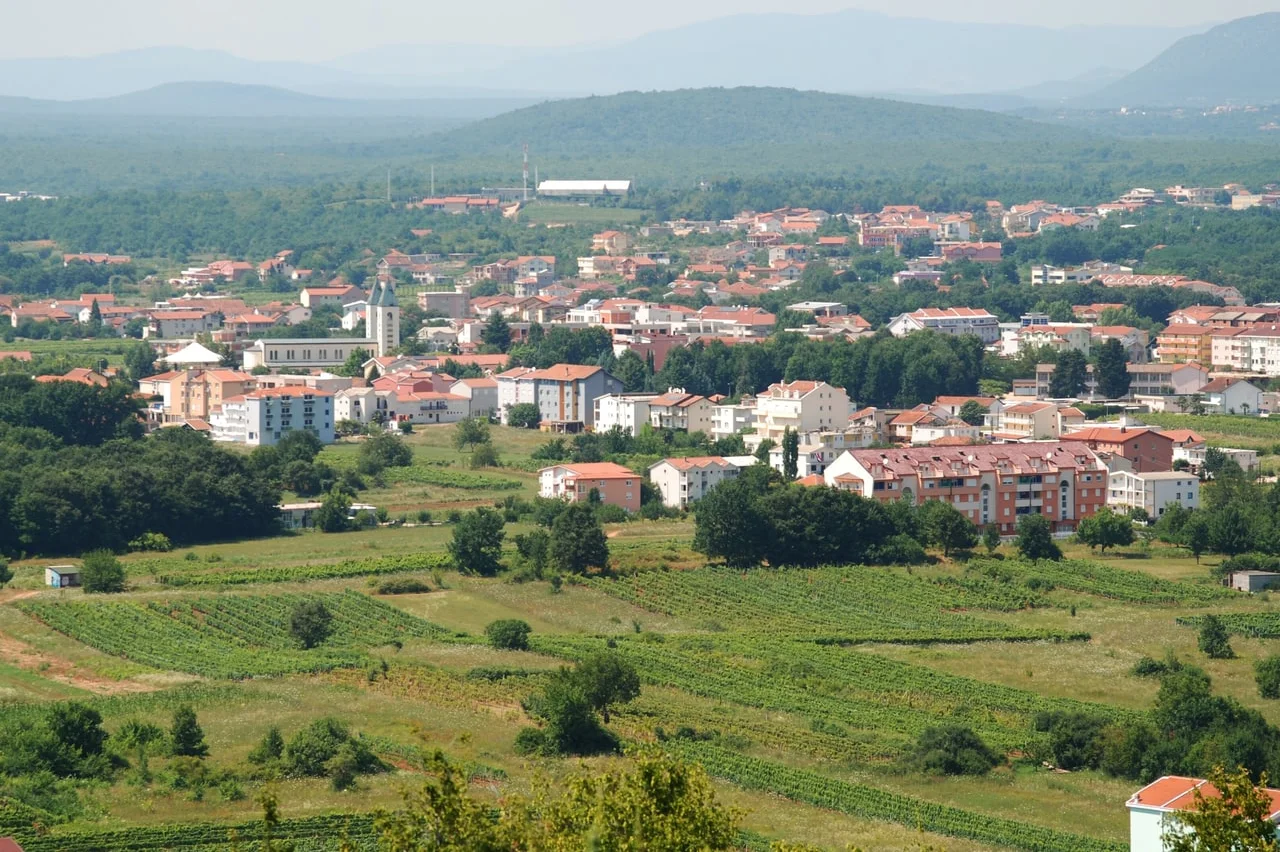
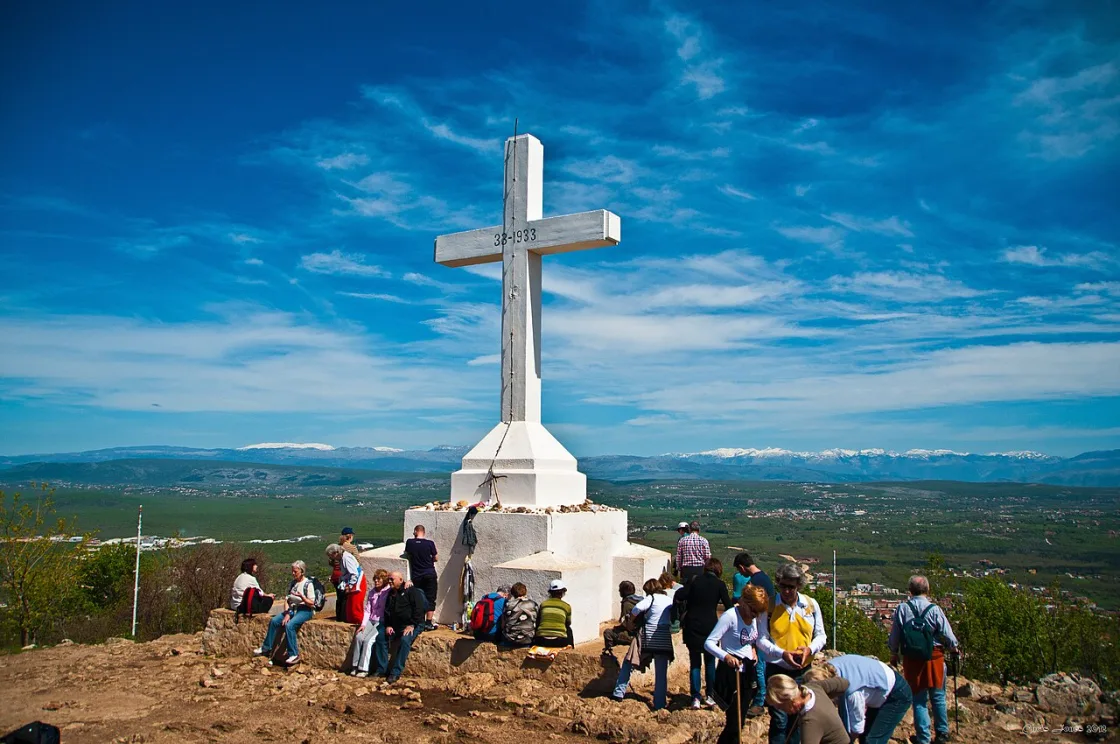
Book within walking distance of St James Church if you’re coming for the shrine. Medjugorje is a single-purpose village: family pensions, pilgrim hotels and retreat houses all exist to put you near the evening Rosary, the confessionals and the climbs to Apparition Hill and Cross Mountain. The real choice isn’t a trendy neighbourhood - it’s how close you sleep to the church, whether you need half-board and coach parking, and whether you’re here for one prayerful night or folding the town into a wider Herzegovina loop from Mostar or the Croatian coast. For how Medjugorje fits a whole-country trip, see where to stay in Bosnia; for what actually happens at the shrine, the Medjugorje pilgrimage page has the hills, the 2024 Vatican ruling and the evening programme.
The short answer
Match the bed to how you’re travelling:
- First pilgrimage, 1-3 nights: a pansion or guesthouse within 10 minutes of St James, ideally with breakfast or half-board so group meals aren’t a daily hunt.
- Comfort, coach groups, spa after long walks: the larger pilgrim hotels near the church plaza - Medjugorje Hotel & Spa (99 rooms, prayer chapel, wellness centre) is the benchmark name, with Hotel Grace and similar properties closer still to the twin towers.
- Quiet mornings on the hill paths: a house on the Bijakovići / Apparition Hill side, accepting a longer walk down for evening Mass.
- Curious visitor, tight schedule: sleep in Mostar and bus in for a day - workable, but you’ll miss the evening programme and the dawn climb unless you stay over.
Near St James: where most people should book
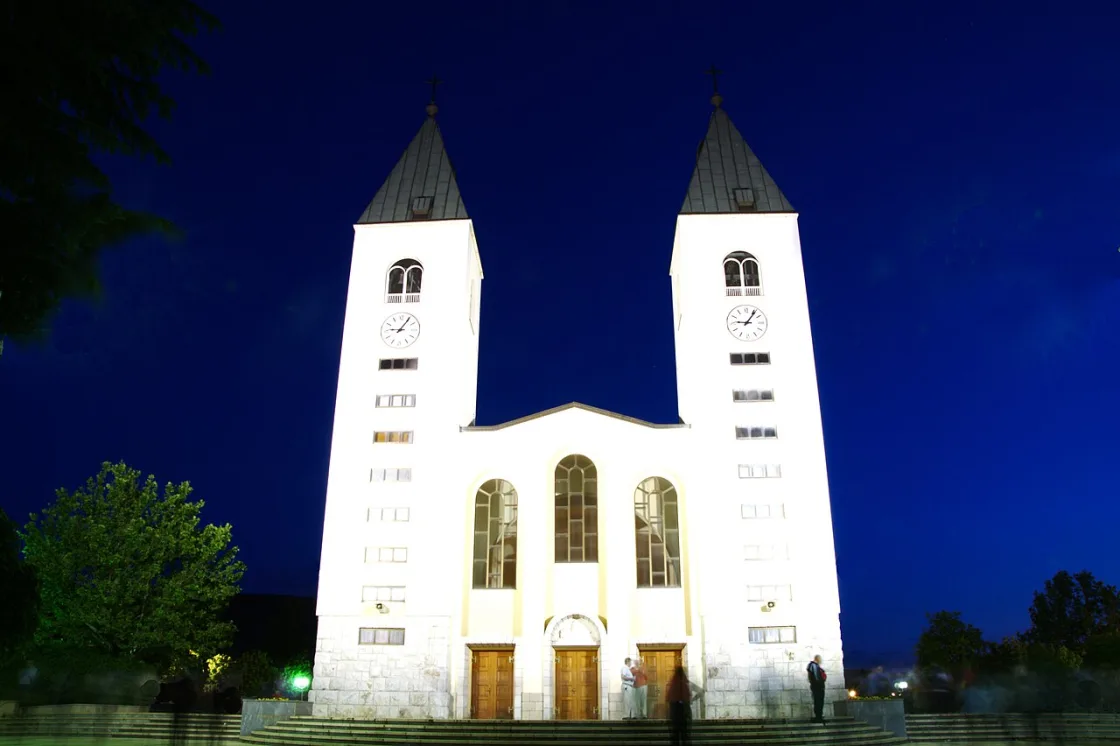
The Church of St James (Sv. Jakov) and its wide plaza are the village centre. Almost every worthwhile guesthouse sits on the lanes radiating from here - typically 300 metres to 1 kilometre from the doors, which translates to a five- to fifteen-minute walk at pilgrim pace. That’s the zone to search first.
Family pensions are the default Medjugorje experience. They’re usually called pansion or guesthouse, run by a household that’s hosted pilgrims for decades, and priced for groups as much as solo travellers. Guesthouse Ana & Stjepan Nikolić, for example, has welcomed visitors for more than 40 years, offers 22 rooms plus a suite, and puts St James at 700 metres and the bus station at 300 metres on its own site - typical distances for this category. Expect clean simple rooms, air-conditioned dining rooms, B&B or half-board (lunch) with homemade food, and hosts who’ll arrange airport pickups on request. English and Italian are common; cash and marks still matter at check-in.
Church-adjacent hotels suit travellers who want lifts, on-site restaurants and coach bays without giving up the plaza. The Medjugorje Irish Centre markets itself as the closest accommodation to St James, with rooms, apartments and organised transfers from Dubrovnik, Split and Sarajevo airports - a pattern many properties copy. Medjugorje Hotel & Spa is the largest purpose-built option: 99 rooms, disabled access, an inner prayer hall, restaurant, garage and a wellness centre the hotel describes as more than 500 m², positioned a short walk from both the church and Apparition Hill per the hotel’s official description. It’s the upgrade pick when your knees have had enough of karst paths.
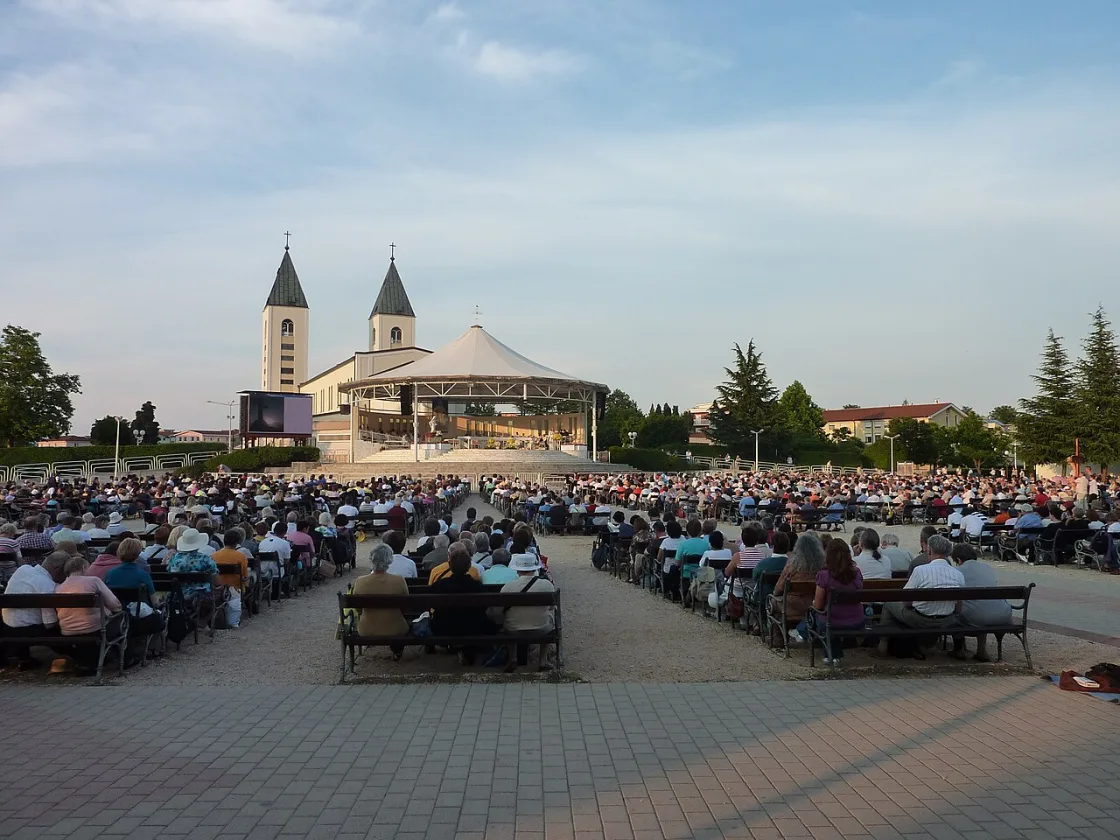
What you won’t find is nightlife or a hotel district in the conventional sense. The commercial strip sells rosaries, statues and candles; restaurants cluster around hotel dining rooms and pension terraces. Proximity beats star rating almost every time, because you’ll walk to Mass, confession and the candle gardens more than once a day.
Bijakovići and the hill side: quieter beds, longer walks
Above the main village, the hamlet of Bijakovići climbs toward Apparition Hill (Podbrdo). Some houses, retreat centres and the Mothers Village complex sit up here among the vines, trading plaza buzz for morning quiet on the path.
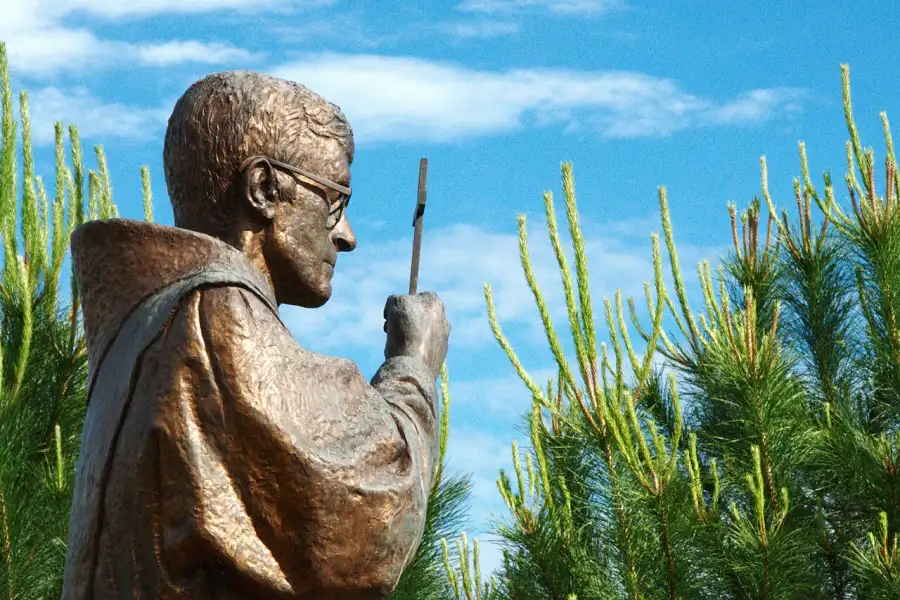
The trade is straightforward. You’ll hear fewer coaches at night and step onto the hill tracks earlier, but St James is downhill - fine in the cool of morning, less fun when you’re rushing for the Rosary. The parish splits the year by date, not by daylight saving: 1 September to 31 May the programme runs 17:00-20:00 with the Rosary at 17:00 and Mass at 18:00, and 1 June to 31 August it shifts to 18:00-21:00 with the Rosary at 18:00 and Mass at 19:00. Official guesthouse distances illustrate the spread: the same Nikolić house quotes 2.5 km to Podbrdo and 2.3 km to Cross Mountain (Križevac) from a base that’s only 700 metres from church doors. If climbing both hills is the point of your trip, sleeping higher can make sense; if the evening programme is the heart of it, stay lower.
Peak dates, crowds and how far ahead to book
Medjugorje has far more beds than a village this size would normally need, yet the big pilgrim weekends still fill up. Three windows dominate:
- 24-25 June: the anniversary of the 1981 apparitions, with the International Peace March on the 24th and the heaviest crowds around the 25th.
- Late July / early August: Mladifest, the youth festival - usually early August (in 2026 the 37th edition ran 1-6 August; confirm next year’s dates on the parish programme before you book).
- September: the feast of the Exaltation of the Cross on Krizevac, marked on the first Sunday after 8 September. The parish has held it since 1934, decades before the apparitions; international pilgrims joined after 1981.
Outside those spikes, spring and autumn are calmer and cheaper, and you’ll still get the evening Mass without fighting for a confession slot. During the peaks, book months ahead if you’re travelling with a group that needs adjoining rooms or bus parking - pensions will hold blocks for parish tours, and walk-in space disappears fast.
Medjugorje or Mostar for the night?
Mostar is 25 km northeast - about 30 to 40 minutes by car or local bus - and has far more restaurants, the Old Bridge and the wider hotel choice laid out in where to stay in Mostar. Sleeping there and day-tripping to Medjugorje works if you’re mainly sightseeing: you can see the church, walk part of Podbrdo and be back for dinner on the Neretva.
It fails if you came for the evening prayer programme. The Rosary, Mass and Adoration are the reason half the village is on its knees after dark, and a bus back to Mostar usually means missing the tail end or treating the shrine as a photo stop. The same logic applies to coast day-trippers from Dubrovnik or Split: you’ll get the plaza and the shops, not the quiet hour on the hill at dawn.
Honest split: two nights in Mostar for Herzegovina (Blagaj, Kravice, Počitelj - see day trips from Mostar) plus one night in Medjugorje beats either town alone if faith and scenery both matter. Pure pilgrimage itineraries often do two or three nights here and skip Mostar except as a transport hub.
Getting there from Mostar, Dubrovnik and Split
Most foreign visitors arrive by air on the Croatian coast or via Mostar, then need the last leg into the village.
- From Mostar: local buses run several times daily for a few marks; a taxi is quick and easy to split. Medjugorje slots neatly into the Herzegovina day-trip list, but overnight transport back is the constraint.
- From Dubrovnik: reckon on 128 km and about 2.5 to 3 hours by car once you count the border crossing - two routing engines put the driving alone at 2 h 40. Summer queues at the border are the variable that wrecks tight schedules - see Dubrovnik to Mostar for crossing mechanics, then add the short hop southwest to Medjugorje.
- From Split: about 140 km and roughly two hours by road (traffic and border queues vary); fewer coach departures than the Dubrovnik route, so check timetables before you commit.
A private transfer is worth it for groups, heavy luggage or arrivals after dark - many pensions will book one, and the comparison box below lets you compare door-to-door options without the border guesswork.
Meals, board and how long to stay
Simple pensions here sit below Dubrovnik rates and roughly level with Mostar; the spa hotel is its own tier. Pilgrimage weekends (late June anniversary, Mladifest week, September Exaltation) move room rates faster than booking apps reflect, so lock a quote for your exact dates rather than trusting a screenshot from April. Small guesthouses often want convertible marks (KM / BAM) at the desk - euros float around because of foreign groups, but the street exchange is a poor deal and cards aren’t universal.
Half-board (lunch at Nikolić-style houses, dinner at many hotels) fits the village better than hunting restaurants after Adoration: kitchens run on pilgrim schedules, and the commercial strip is rosaries and candle shops more than late kitchens. Breakfast-only is fine if you’re happy with hotel terraces and supermarket picnics between climbs.
On time: one night covers evening Mass plus a dawn hill; two or three suits a retreat pace; a Mostar day trip only works if you accept missing the night programme. Pair an overnight here with a full Mostar day and the southern loop in day trips from Mostar if you’re building a secular-plus-sacred Herzegovina week.
Book by what you came for
| You care most about… | Book… |
|---|---|
| Evening Rosary, confession, dawn climbs | A pansion within walking distance of St James (block coach parking if you’re leading a group) |
| Quiet mornings on Podbrdo paths | A house or retreat on the Bijakovići / hill side, accepting the walk down for Mass |
| Spa, lifts, coach bays after long days | Medjugorje Hotel & Spa or similar plaza hotels |
| Old Bridge dinners + one shrine look | Mostar base, bus in - and know you’ll skip the night programme |
A Dubrovnik or Split beach add-on can work as a single day, but one night near the plaza is what turns the stop into the experience most pilgrims describe. Coast coaches and Mostar buses both leave you outside that rhythm; the pensions that have hosted groups since the 1980s are how most visitors stay inside it. For the shrine programme itself, keep the Medjugorje pilgrimage page open alongside your booking.
Photos
Read also

Before you go · 9 min read
Where to Stay in Jajce: Hotels by the Waterfall
Updated · August 23, 2026Where to stay in Jajce: old-town hotels steps from the Pliva Waterfall, lakeside rooms by the watermills, and which base suits a one-night stop.

Before you go · 11 min read
Mostar or Trebinje: Which Herzegovina Base?
Verified · August 18, 2026Mostar or Trebinje as a Herzegovina base: crowds, hotel prices, summer heat, Dubrovnik access and wine - pick the nights that fit your trip.

Before you go · 7 min read
Cash, Cards and Tipping Across the Balkans in 2026
Verified · August 15, 2026Twelve currencies, three of them the euro, and two pegged to it. What is fixed, what is a habit, and where you still need notes in your pocket.

Before you go · 9 min read
Where to Stay in Trebinje: Hotels & Wine Stays
Verified · August 14, 2026Where to stay in Trebinje: hotels under the plane trees, riverside rooms, wine-country apartments, and why it beats Dubrovnik prices ~30 km away.