Where to Stay in Trebinje: Hotels & Wine Stays
Where to stay in Trebinje: hotels under the plane trees, riverside rooms, wine-country apartments, and why it beats Dubrovnik prices ~30 km away.
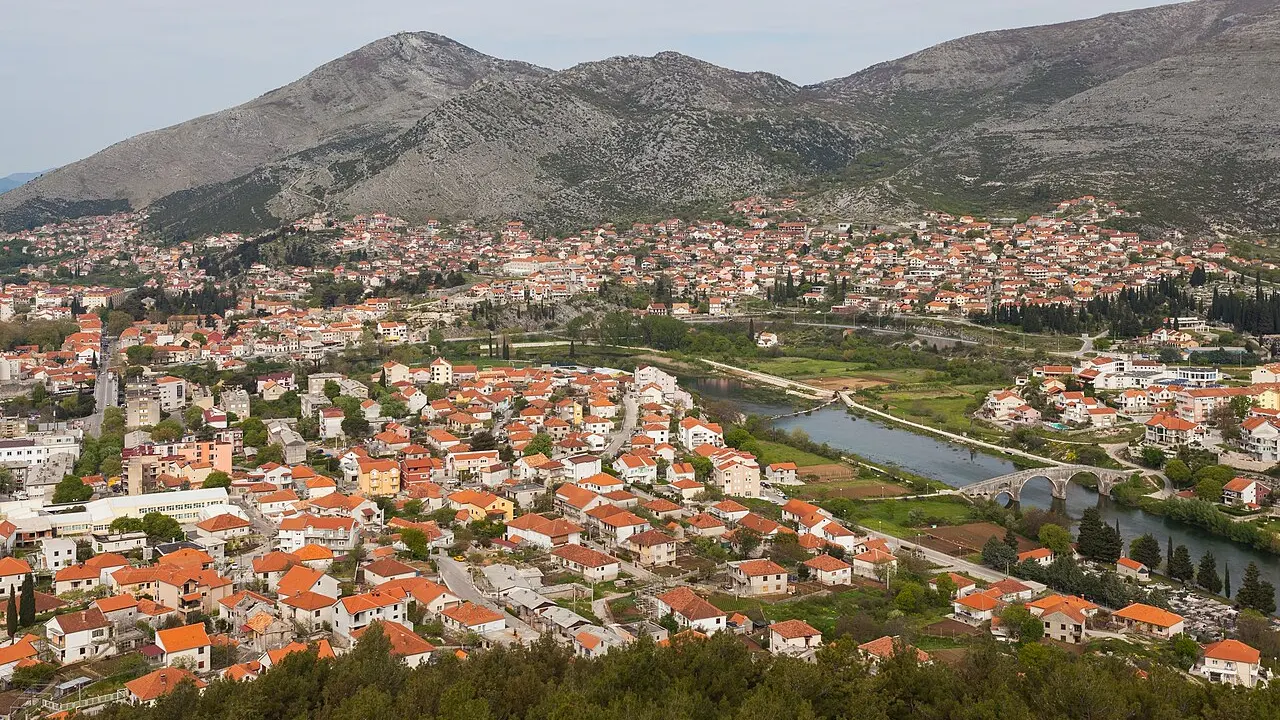
For most trips, sleep under the plane trees on the main square - a short walk from the old town, the cafés and the evening promenade. That’s the default in Trebinje. Stretch the stay if you’re here for wine: either keep that central bed and visit the cellars by day, or book a rural apartment among the vines and treat town as your evening out. This page is about that hotel decision, not a full city walk-through; for what to see once you’ve dropped your bag, use our Trebinje town guide.
Trebinje sits about 30 km inland from Dubrovnik, so the same choice also answers a money question: pay coastal prices for a room inside the walls, or sleep cheaper on the Bosnian side and cross the border when you want the old town. Hotel rates move with season and weekends, so treat any figure below as a dated snapshot and confirm for your nights.
Centre or vineyard: the real choice
- One or two nights, first visit: the square and the streets around Hotel Platani / Trg Slobode. You walk everywhere.
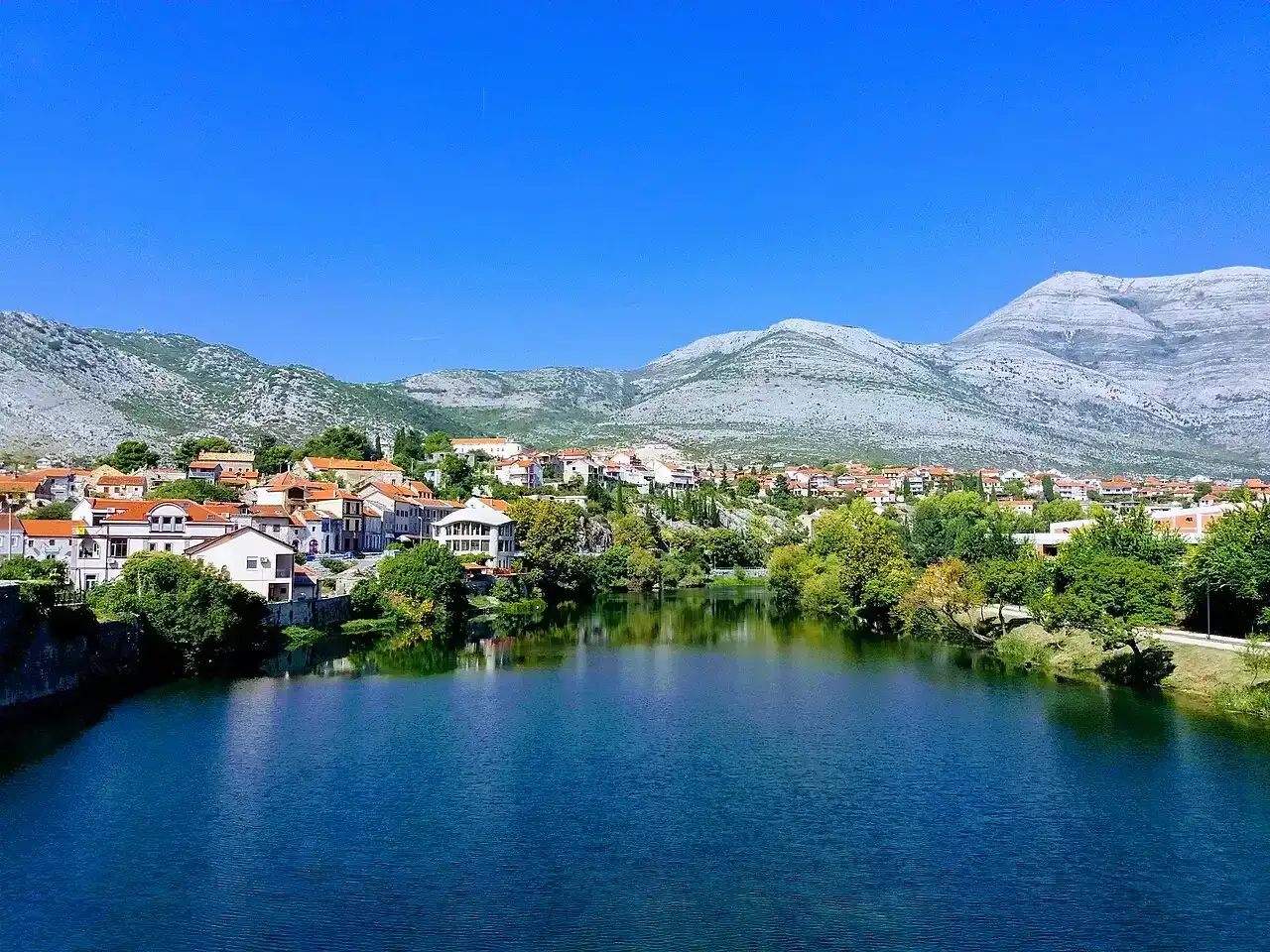
- You want quieter nights but still central: rooms along the Trebišnjica, facing the water and the old-town silhouette.
- Wine is the point of the trip: stay in town and day-trip to Tvrdoš, Anđelić and Vukoje, or book a winery/rural apartment outside town if you have a car.
- You’re using Trebinje as a Dubrovnik alternative: same central pick, plus a clear plan for the border hop.
The town itself is small. Once you’re within a few blocks of the plane trees, star ratings matter less than whether you can walk to dinner without negotiating a taxi. The vineyard stays only win if you actually want morning quiet among the vines and don’t mind driving into town.
Under the plane trees: the default
Locals nickname Trebinje for its sun and its platani - the enormous plane trees that shade the main square outside the old-town walls. That square is where café life happens, and it’s also where the stay decision gets simple: book anything you can walk from in under ten minutes and you’ll never think about transport again.
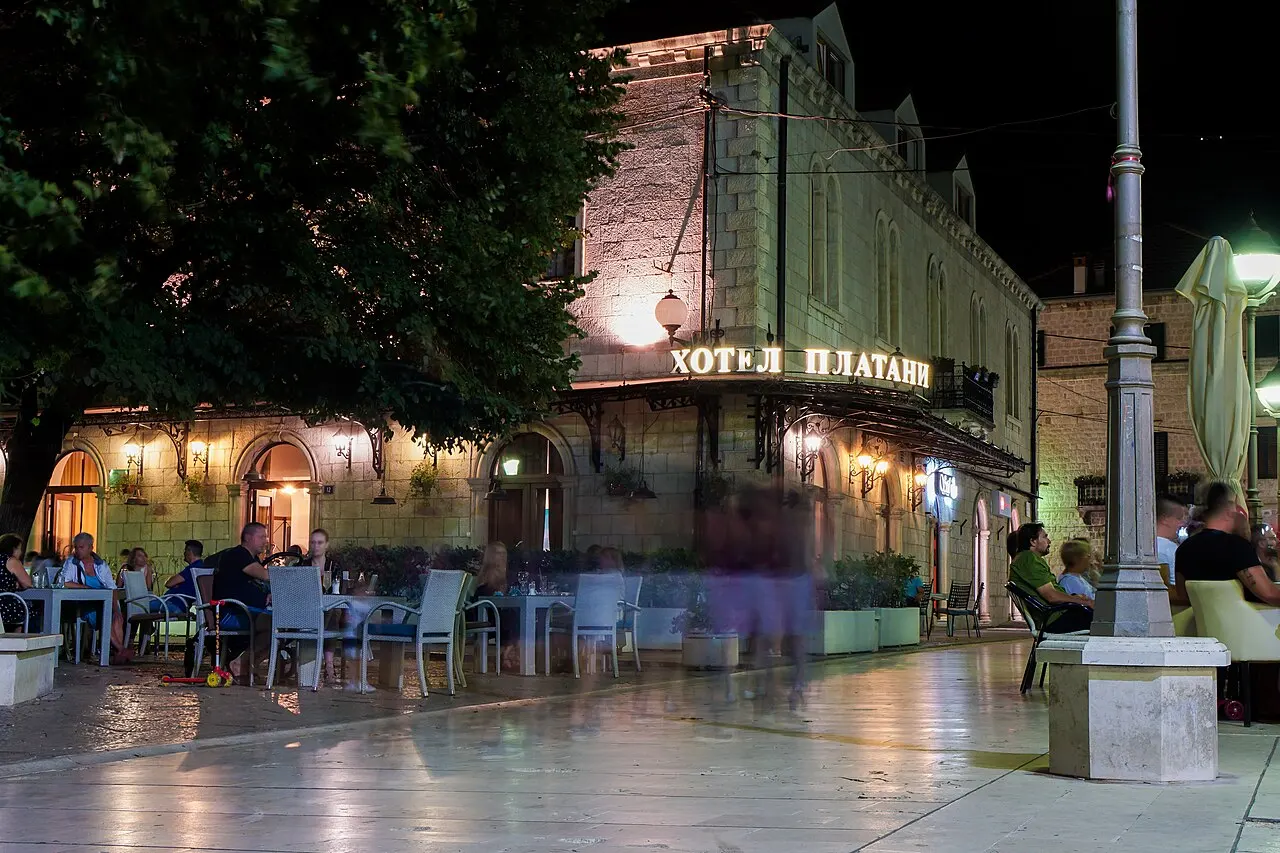
Hotel Platani sits on that square in two neighbouring buildings, a few dozen metres apart, in the restored Herzegovinian-Mediterranean style that still defines the centre. The Herzegovina Wine Route lists it at the heart of town and about 27 km from Dubrovnik on their page (other local sources round the same hop to ~30 km). It’s the landmark people mean when they say “stay by the Platani.”
A block away, Hotel Central Park occupies an 1894 building at Trg Slobode 6, with rooms looking over the city market and those same plane trees, or out toward the street and the hills. On the hotel’s own site (checked 14 August 2026) standard doubles were listed from €61, Standard Plus from €66, Comfort from €71, and larger apartments from €139, breakfast included in the room rates shown - always re-check the calendar for your dates, because published “from” prices aren’t a guarantee for peak weekends. Reception is 24 hours, which helps if you’re rolling in late from Dubrovnik Airport after the border.
Around the same few blocks you’ll also find smaller hotels and apartments. The useful filter isn’t brand, it’s noise: ask for a room off the square if you’re a light sleeper, because summer terraces stay lively. Cards work in the better hotels; keep convertible marks (KM) for markets, taxis and family restaurants, because euros aren’t reliable here the way they are on the Croatian coast.
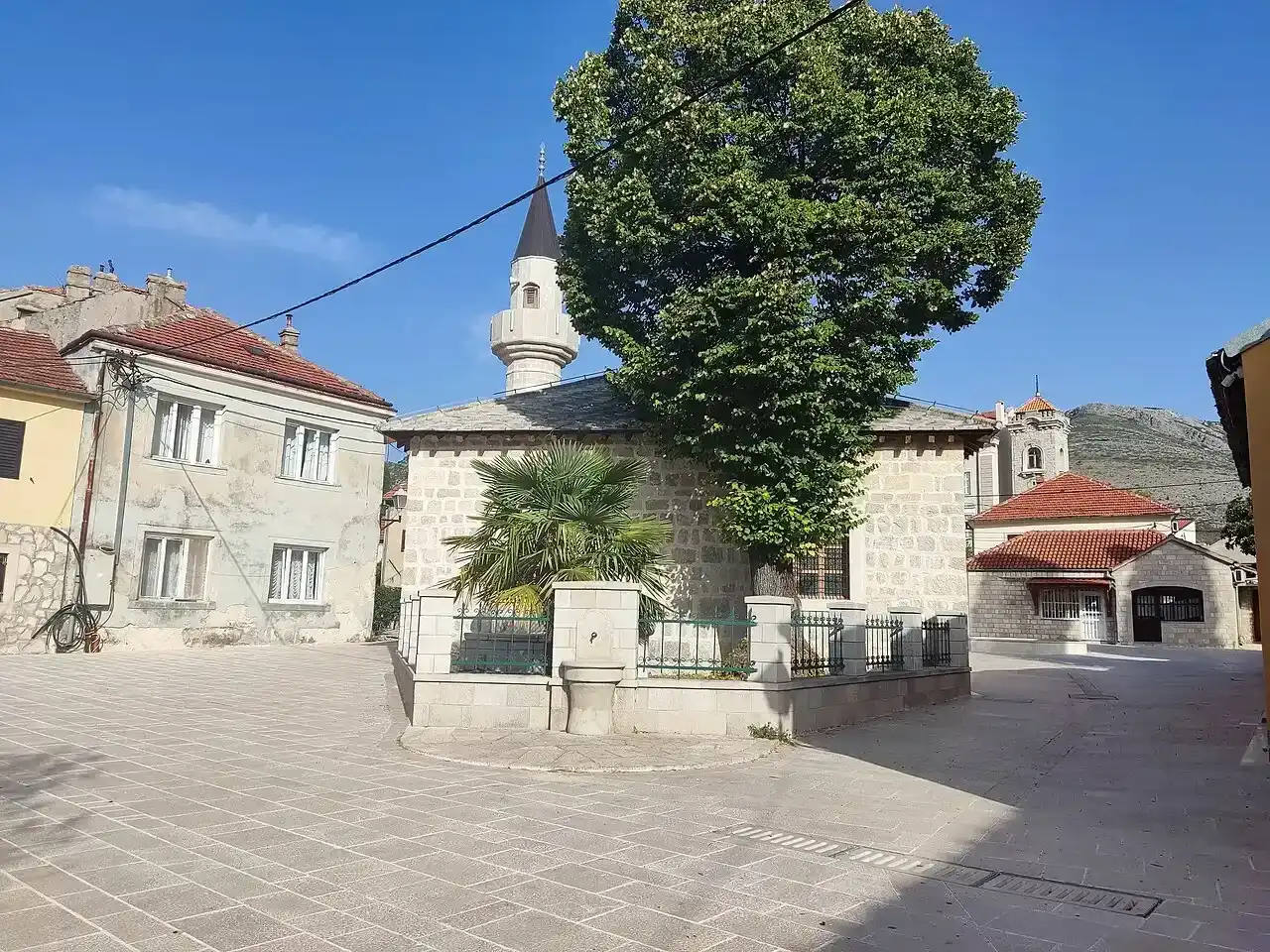
Along the Trebišnjica: quieter rooms
If the square feels too social, shift a few minutes toward the river. Hotel Leotar sits on the left bank of the Trebišnjica at Luke Vukalovića 1, with trees around it and a view back toward the old town. The hotel’s own site puts Dubrovnik at about 30 km; the city tourism listing adds parking, terraces and a larger inventory that can take groups as well as couples. You’re still in town - this isn’t a countryside lodge - but evenings are softer than on the café terraces.
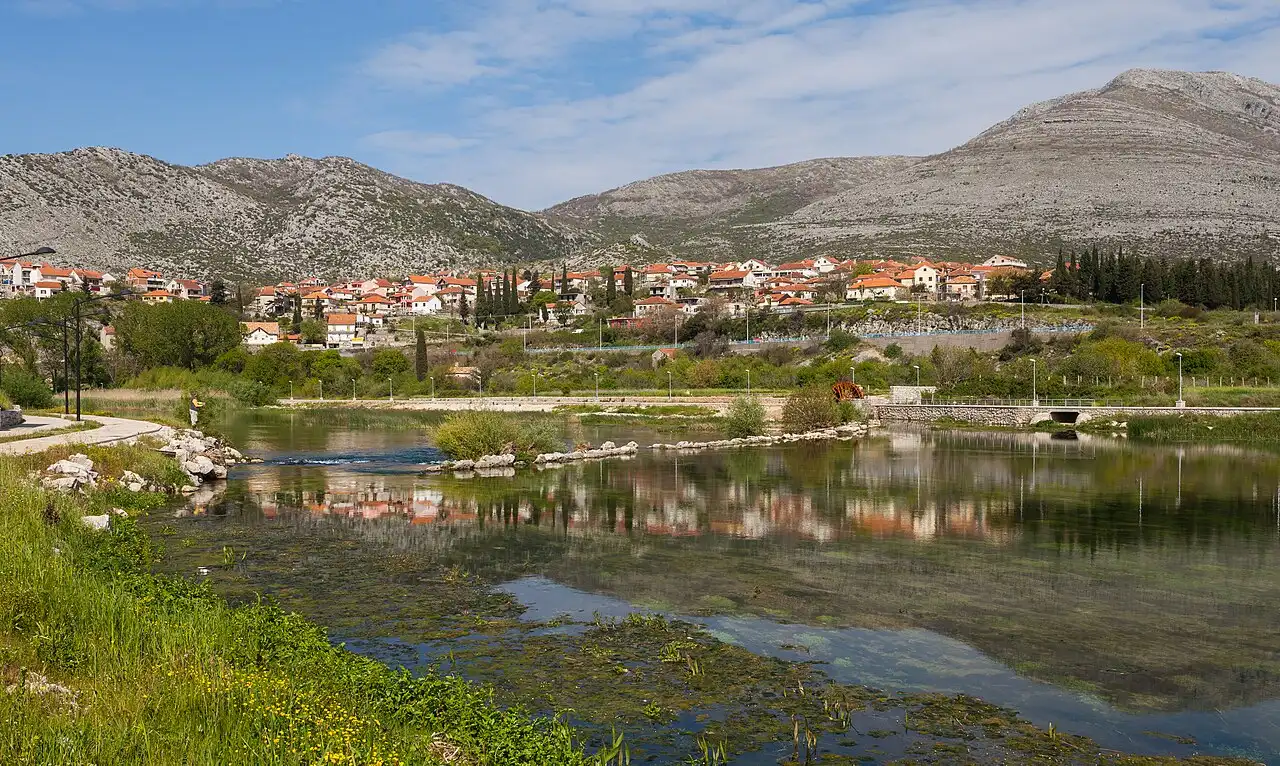
Riverside and near-old-town apartments work the same way: you trade a little less café spillover for the same walkable radius. Don’t go further out unless you have a car and a reason - Trebinje rewards being able to stroll back from dinner.
Wine stays without sleeping in a cellar
Here’s the honest bit people get wrong. The famous Trebinje wine stops are mostly tasting destinations, not hotels. Tvrdoš Monastery cellars sit about 5.5 km from the centre (city tourism listing); monks have made wine here for centuries, and you come for the vaulted barrels and a bottle to take home, not a guest room. Anđelić is closer still, about 3.8 km out, with an underground cellar cut into rock and tastings that usually need a call ahead. Vukoje runs a serious tasting setup and restaurant in town (Mirna 28 on the Wine Route listing) and, at the time of writing, listed no on-site accommodation on the Herzegovina Wine Route page - so plan to sleep elsewhere and visit.
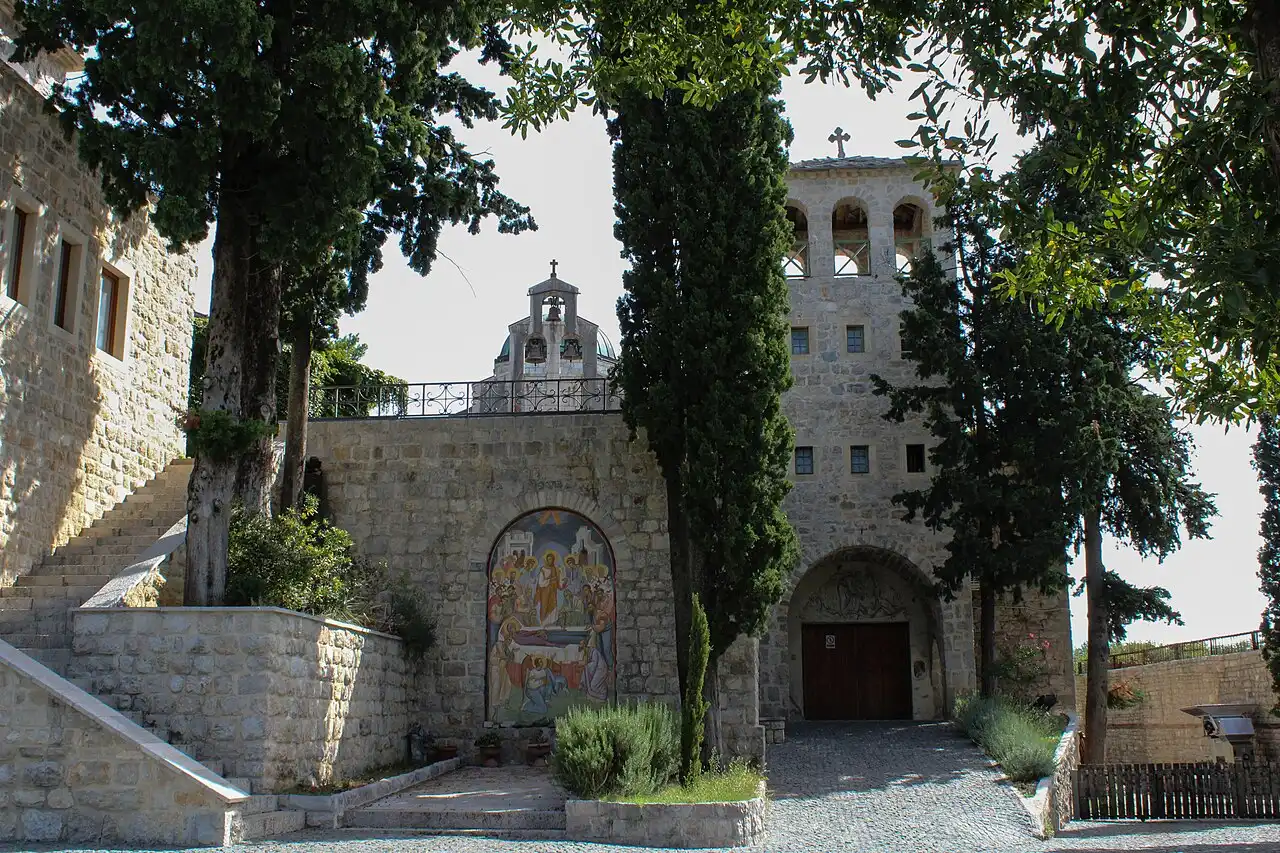
So what does a “wine stay” actually look like?
- Town base + cellar days - the practical default. Sleep under the plane trees, book tastings, nominate a driver or take a transfer so nobody’s over the limit on the way home. Our Herzegovina wine guide covers grapes, route logic and season; day trips from Trebinje folds the same cellars into a wider day.
- Rural / winery apartments - when you want vines outside the window. The city tourism site lists Apartments Vinarija Anđušić in Dračevo (33 km from the centre, car essential, six beds) and Stara Hercegovina in Tuli/Zubci on the Trebinje-Herceg Novi road (10 km out, four apartments above a traditional restaurant). These are the real “sleep among Herzegovina” options - quieter, more atmospheric, and useless without wheels.
If you’re choosing between those two patterns, ask whether wine is a half-day interest or the whole reason you’re here. Half a day belongs with a central hotel. A slow wine weekend earns the rural apartment, provided you accept the drive into town for the evening promenade.
Trebinje as a cheaper Dubrovnik base
This is the angle that makes Trebinje interesting beyond Herzegovina specialists. Dubrovnik is roughly a 30 km / 40-50 minute drive plus one Croatia-Bosnia border crossing (see Dubrovnik to Trebinje for the road, bus and document detail). Stay in Trebinje and you pay Bosnian hotel rates, eat on terrace prices that still feel local, and day-trip to the walls when you want them. Stay inside Dubrovnik and you pay for the postcard address.
The trade is real: you add border time each way, and summer weekends at the crossing can stretch. It’s worth it if you’re on the road for several nights, have a car, or already planned a southern Bosnia loop that ends near the coast. It’s less worth it for a single night with no car and a late flight out of DBV - then a Dubrovnik bed may still be the cleaner logistics.
For the wider question of whether Trebinje should be a base at all on a Bosnia itinerary, where to stay in Bosnia puts it in sequence with Sarajevo and Mostar: usually a night or two at the end of a southern arc, not a week-long hub.
How long, and what you’ll pay
Most people need one or two nights. The old town and river walks fit an afternoon; a cellar morning plus an evening under the plane trees fills a second day without padding. Three nights makes sense if you’re using Trebinje as the Dubrovnik hinge and chasing two or three wineries at an unhurried pace.
On price, only quote what an operator publishes, then re-check. Central Park’s site showed mid-range doubles from the low €60s and apartments from the high €100s on 14 August 2026; Platani, Leotar and the rural apartments publish less clearly online, so compare live offers for your dates rather than trusting a blog round-up. Summer weekends and the autumn harvest window fill first. Pay in KM where you can, and don’t assume a coastal “everyone takes euros” habit applies once you’re inland.
Book the centre if you want Trebinje itself. Book the river if you want the same radius with softer nights. Book a vineyard apartment only when the vines are the point - and keep a town fallback in mind for dinner. Either way, you’re choosing a stay, not rewriting the city guide: drop the bag, walk to the square, and let the cellars wait until morning.
Photos
Read also

Before you go · 10 min read
Where to Stay in Medjugorje: Pansions & Hotels
Updated · August 25, 2026Where to stay in Medjugorje: guesthouses near St James Church, pilgrim hotels, peak dates, and whether to sleep here or day-trip from Mostar.

Before you go · 9 min read
Where to Stay in Jajce: Hotels by the Waterfall
Updated · August 23, 2026Where to stay in Jajce: old-town hotels steps from the Pliva Waterfall, lakeside rooms by the watermills, and which base suits a one-night stop.

Before you go · 11 min read
Mostar or Trebinje: Which Herzegovina Base?
Verified · August 18, 2026Mostar or Trebinje as a Herzegovina base: crowds, hotel prices, summer heat, Dubrovnik access and wine - pick the nights that fit your trip.

Before you go · 7 min read
Cash, Cards and Tipping Across the Balkans in 2026
Verified · August 15, 2026Twelve currencies, three of them the euro, and two pegged to it. What is fixed, what is a habit, and where you still need notes in your pocket.