Dubrovnik to Sarajevo: Bus, Car & Transfer
How to get from Dubrovnik to Sarajevo: the direct bus, driving via Mostar or Trebinje, and private transfers - times, the border, and which to pick.
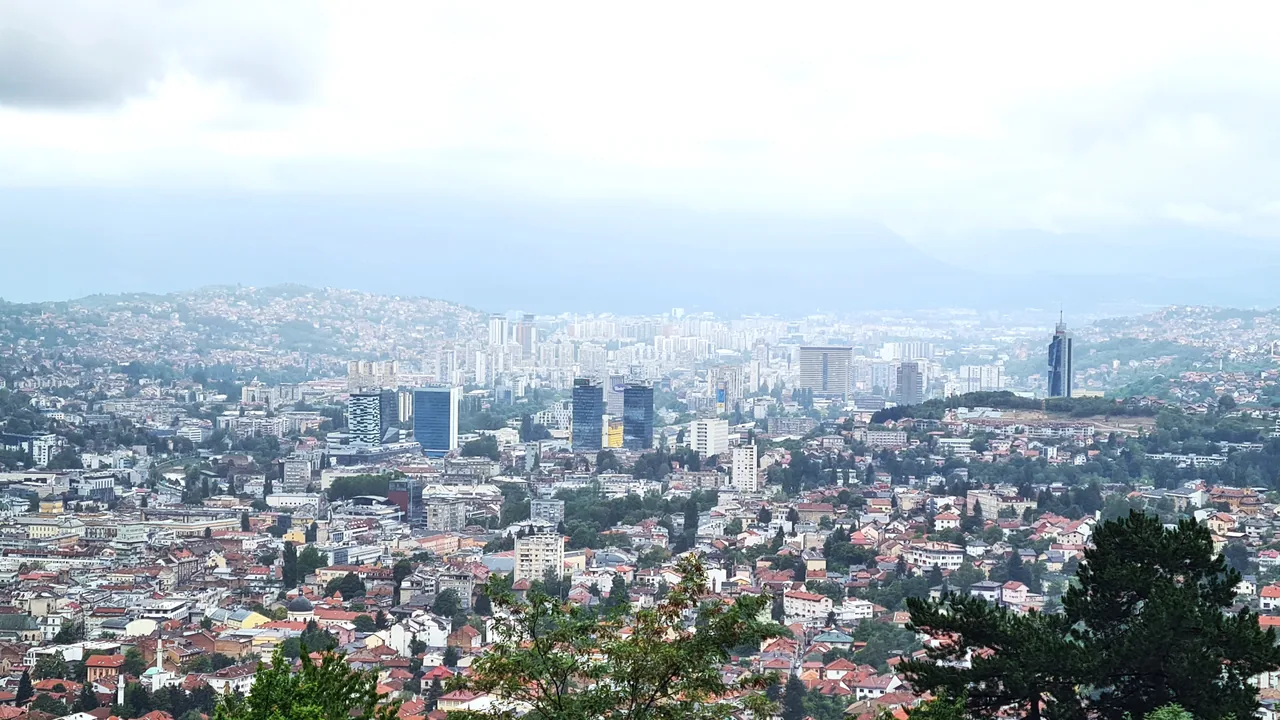
The roughly 230 km from Dubrovnik to Sarajevo is one of the most popular crossings between the Croatian coast and Bosnia, and it comes down to three choices: the direct bus (cheap, once or twice a day, but a long ride), your own car (around four and a half to five and a half hours, and you pick the route), or a private transfer (priciest, but door to door with no border-then-change shuffle). Whichever you take, you cross the Croatia-Bosnia border once. This guide lays out the times, the two very different driving routes, and which option suits which kind of trip.
Distance, time and the honest numbers
On the map it’s only about 229 to 230 km, and a routing app will quote you something like three and three-quarter hours of pure driving. Treat that as a floor, not a promise. Real journeys run longer once you add the border crossing, the winding valley and mountain roads, and the fact that neither route is motorway for more than a short stretch. Plan on four and a half to five and a half hours by car, and six to seven hours by bus, and you’ll not be caught out.
The single fixed obstacle is the border. There’s exactly one crossing between Croatia and Bosnia on this trip, and you need your passport: Bosnia and Herzegovina is outside the EU and the Schengen area, so this is a proper frontier with passport checks, not a wave-through. Queues are usually quick out of season and can stretch to half an hour or more on summer weekends, so build in a buffer if you have a bus or flight to catch at the far end.
One more thing to get straight before you book: currency. Croatia is on the euro; Bosnia uses the convertible mark (KM / BAM), pegged at about 1.96 to the euro. Bus tickets bought in Bosnia, roadside cafés and the like will want marks, so carry a little cash in KM once you cross.
The direct bus
For most travellers without a car, the bus is the obvious answer, and it works well. Several companies run the route - Globtour, Centrotrans, Croatia Bus and Arriva/Autotrans among them - so between them you get a handful of departures spread across the day, typically clustered in the morning. Book a day or two ahead in peak season, when seats sell out.
Set your expectations on time and price. The ride takes roughly six to seven hours depending on the operator and the border, and one-way fares land somewhere around €20 to €55, with the cheaper direct services (Globtour has been the budget pick) at the low end. Buses run the coastal-and-valley way, so you pass through Mostar and can, on some services, break the journey there. Tickets are sold at the Dubrovnik main bus station, through the operators’ sites, or on aggregators like GetByBus, Omio or Rome2Rio; buses arrive at Sarajevo’s main bus station on the Federation side of the city (worth noting, as Sarajevo also has a second terminal in East Sarajevo used by some Republika Srpska carriers).
Why does a 230 km trip take the best part of a day by coach? Because the bus follows the longer coastal routing down to the Neretva delta before turning inland, stops on the way, and sits in the same border queue as everyone else. It’s comfortable and cheap; it’s not fast.
Driving: two routes, two moods
Hiring a car is the move if you want to control your own time or turn the transfer into a day of sightseeing. The point few guides spell out is that there are two genuinely different roads between Dubrovnik and Sarajevo, and the one you choose changes the whole trip - don’t treat them as interchangeable.
The western route, via Mostar (the scenic one)
The route most people take, and the one the buses use, swings northwest from Dubrovnik along the coast, crosses into Bosnia near the Neretva delta around Metković, and then climbs the Neretva valley inland through Mostar, Jablanica and Konjic before the final run into Sarajevo. This is the prettier drive by a distance: turquoise river, gorges, the Jablanica reservoir, and Mostar itself sitting right on the line. It also lets you break the trip in Mostar, which is the single best reason to take it - see our guide to things to do in Mostar to make a half-day of it. From Mostar on, the road is the same one covered in our Sarajevo to Mostar transport guide, just travelled in reverse.
The eastern route, via Trebinje (the inland one)
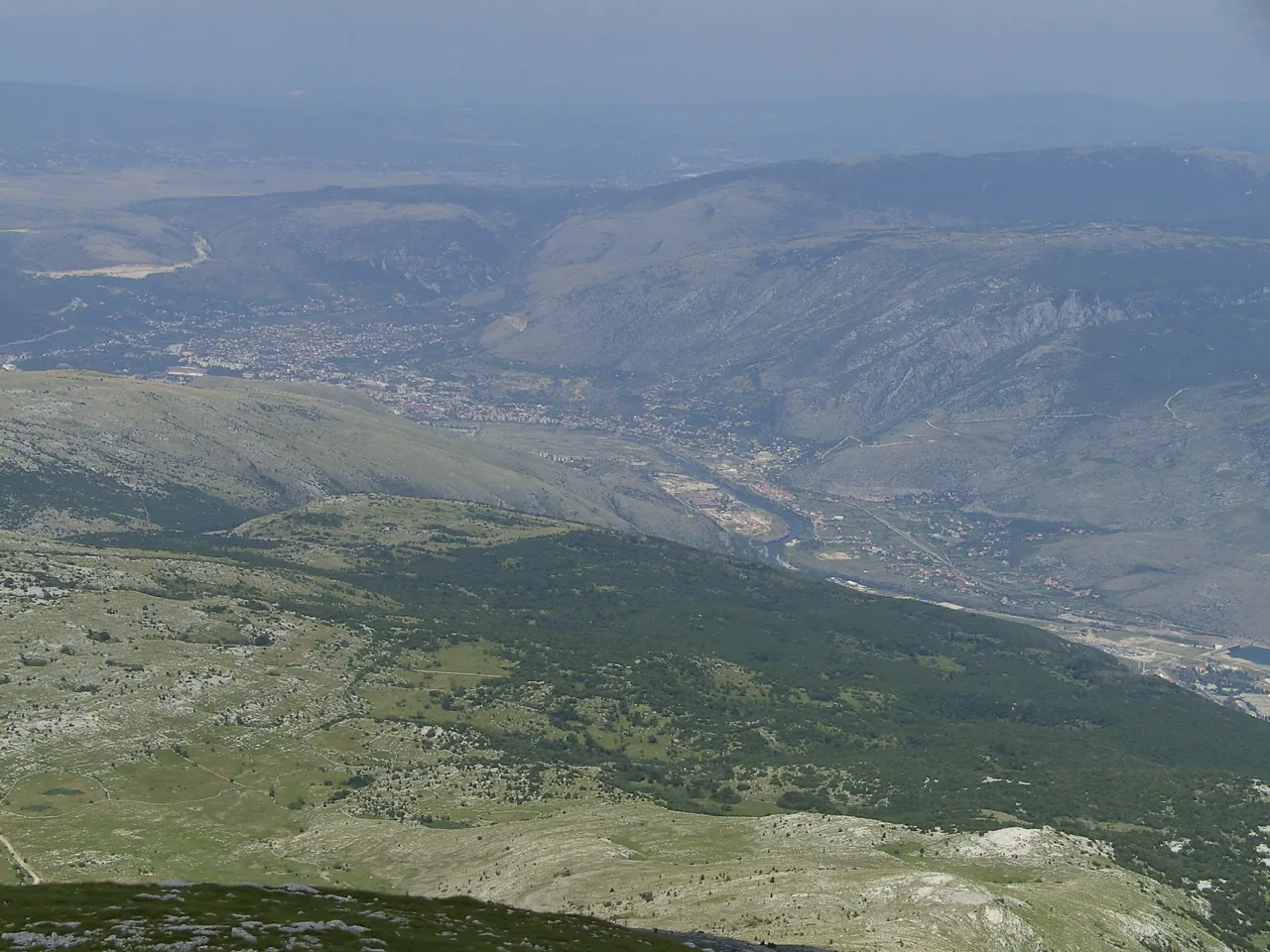
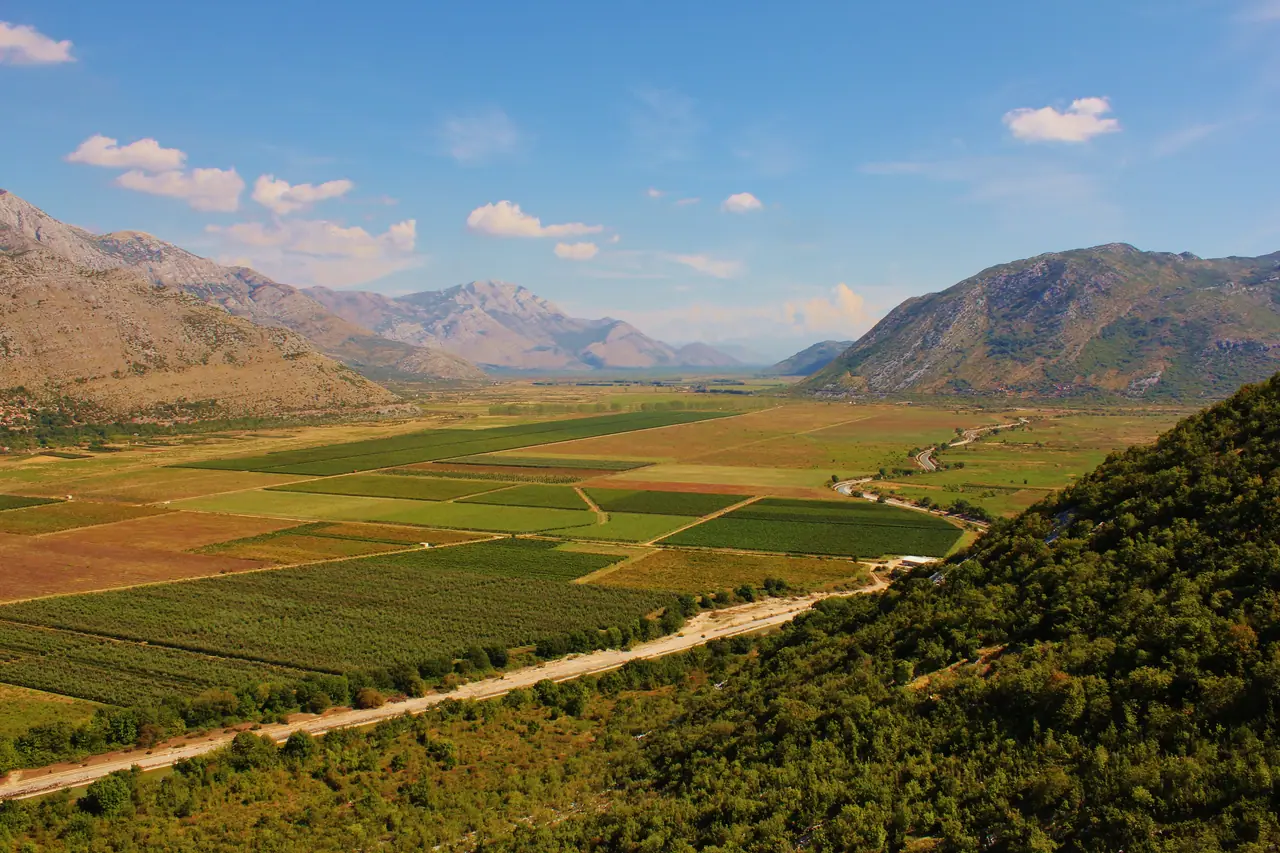
The alternative heads inland almost straight away, climbing from Dubrovnik to Trebinje (barely 30 km, and a lovely stop in its own right - see our Trebinje guide), then on through the highland towns of Bileća, Gacko and Foča to approach Sarajevo from the southeast. This is the quieter, wilder drive: high karst plateaus, the flat expanse of Popovo polje, big empty landscapes and far less traffic. It can be a touch shorter in distance, but the roads are mountainous and slower, so it rarely saves time. Take it if you want Trebinje and solitude rather than Mostar and the river - you’ll feel the emptiness of it.
A couple of driving notes either way. A car hired in Croatia and taken into Bosnia needs the rental company’s written permission, usually for a cross-border fee on top - flag the plan when you book and check it’s on the paperwork. Since 2021 a Croatian plate’s cover has been recognised in Bosnia on its own, so the actual Green Card certificate is no longer a legal requirement at the border, though the desk will often still call the paperwork that. And if you pick the car up in Dubrovnik and don’t bring it back, expect a one-way drop fee - which is where a transfer or the bus can quietly work out simpler.
Private transfer: door to door
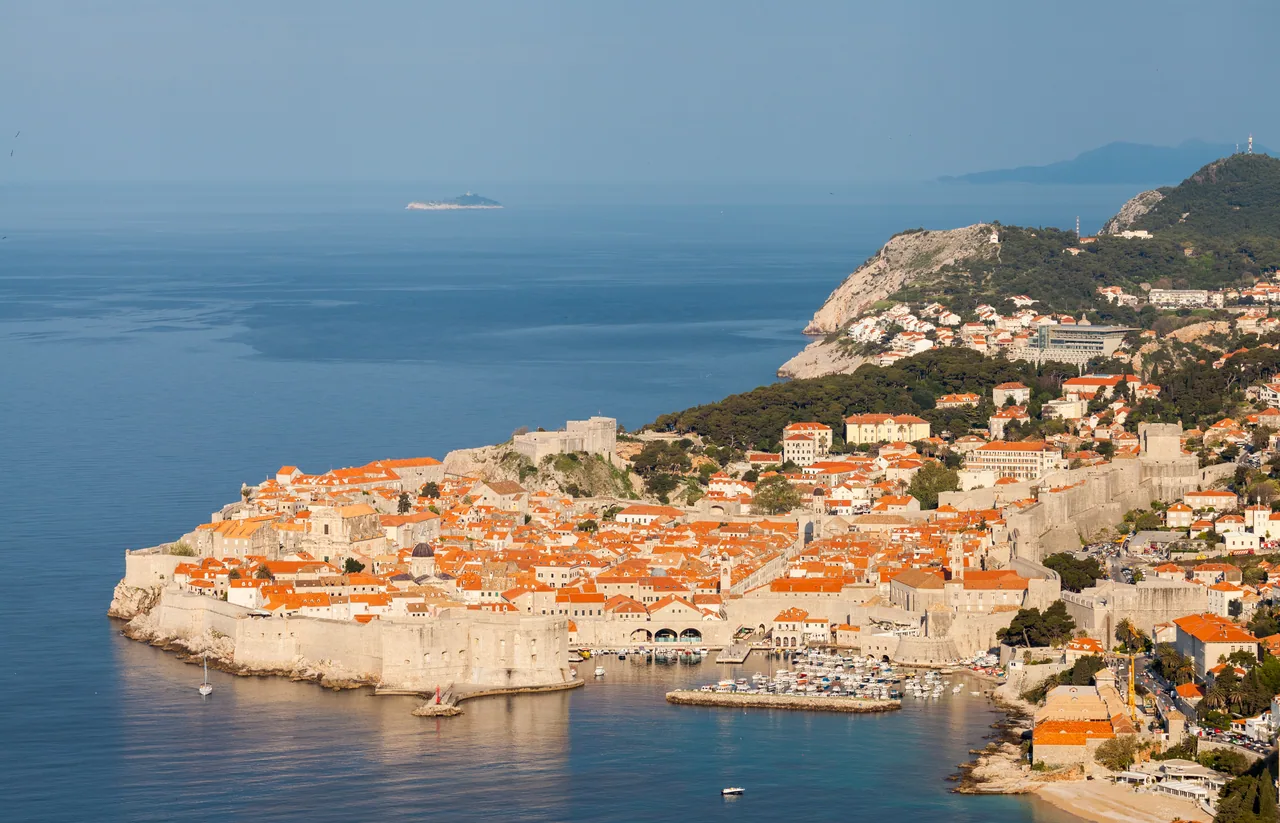
If you’d rather not drive, a private transfer runs door to door in about four to five hours, and on this route it solves two problems the bus creates. It collects you right by the walled Old Town, where coaches don’t go and parking defeats most people, and it carries you across the Croatia-Bosnia border in a single vehicle, so there’s no unloading your bags onto a platform at the crossing. It’s the priciest way to go, though for a family or small group the split narrows the gap with the bus, and most drivers will fold in a stop at Mostar or Trebinje for an agreed price. Since you’re ending up in a different country, the fair comparison isn’t a local hire but a one-way rental with its cross-border drop fee.
Two roads, one border: which way to go
The real decision on this trip is less bus-versus-car than which road you take, because the two are genuinely different journeys.
The western route, down the Neretva through Mostar, is the one the buses run and the one most people should choose. It’s faster and greener, and it threads Mostar’s Old Bridge, Blagaj and the Kravice falls straight onto your path, so the drive doubles as a day of sightseeing. Take it for the country’s highlights on the way through.
The eastern route, inland via Trebinje, Bileća, Gacko and Foča, is a different mood: quieter, higher and emptier, crossing the karst plain of Popovo polje with barely a town for miles. It rarely saves time and there’s far less to stop for, but if raw, empty landscape is the appeal and Trebinje is already on your list, it’s the more memorable drive.
Then it’s simple to match the transport to the road:
- Budget, western route, no fuss - take the bus: cheap and direct, and none of your own luggage to wrangle across the border.
- Set on Mostar - drive it, or book a transfer that builds the stop in; the coach sails straight past.
- After Trebinje and empty roads - drive the eastern route yourself, since no bus covers it usefully.
Either way, this is one of the great transitions in the region: from the polished stone of the Adriatic to the minarets and coffee houses of the Bosnian capital in an afternoon. It’s also why so many visitors treat Dubrovnik as their gateway to Bosnia in the first place, a call our guide to which airport to fly into for Bosnia unpacks in full. Read up on the far end with our guide to things to do in Sarajevo, and if you’re stitching the whole country together afterwards, the onward legs start in our Sarajevo to Mostar guide.
Photos
Read also

Transport · 11 min read
Sarajevo Public Transport: Trams, Buses & Tickets
Verified · September 3, 2026How Sarajevo trams, trolleybuses and buses work: GRAS fares in KM, where to buy tickets, the Javni Prevoz KS app, and when to walk instead.

Transport · 13 min read
Bosnia-Montenegro Border Crossings: What to Expect
Verified · August 24, 2026Bosnia-Montenegro at Hum, Klobuk, Deleuša and Zupci: real insurance rules, honest queue ranges, rental car paperwork, and which crossing fits your route.

Transport · 11 min read
Sarajevo to Travnik & Jajce: Bus and Driving Guide
Verified · August 22, 2026Sarajevo to Travnik and Jajce: Centrotrans bus from 26.50 KM, or drive 90 min to Travnik, 2h50 to Jajce. One corridor, both towns. Checked August 2026.

Transport · 10 min read
Sarajevo to Trebinje 2026: Drive 4h or 07:45 Bus
Verified · August 15, 2026Sarajevo to Trebinje: 222 km, about 4 hours by car via Foča and Gacko. Morning bus from East Sarajevo; confirm the fare at the window.