Tito's Bunker (ARK D-0) in Konjic: Tours & Tickets
How to visit Tito's secret nuclear bunker (ARK D-0) near Konjic: tour-only entry, times, tickets around 40 KM, booking and getting there from Sarajevo.
Tito’s Bunker, officially ARK D-0, is a vast nuclear command bunker dug into a mountain near Konjic, and you can only get inside on a guided tour booked at least a day ahead. Tours run at set times (usually around 09:00, 12:00 and 15:00), last about 90 minutes, and cost roughly 40 KM (about €20) for foreign visitors. Book ahead, bring cash in convertible marks, and give the rest of the day to Konjic itself.
What ARK D-0 actually is
For most of its life this place didn’t officially exist. ARK stands for Armijska Ratna Komanda, the “Army War Command”, and D-0 was its codename. It was built to keep Yugoslav president Josip Broz Tito and up to 350 of his closest people alive and running the country through a nuclear war, hidden inside Zlatar hill on the southern edge of the Bjelašnica range, about 7 km outside the town of Konjic.
The numbers are hard to believe when you’re standing in it. Construction started in 1953, on Tito’s own order, and ran on and off until 1979 - roughly 26 years of secret digging. The finished complex spreads over roughly 6,500 square metres in a horseshoe of tunnels and rooms, buried deep under the rock. Cost estimates vary wildly and no single figure is gospel, but they run into the billions of dollars, which made it one of the most expensive things socialist Yugoslavia ever built. Fewer than a handful of people knew the full plan, and Tito himself, by most accounts, never once set foot in it.
The bunker stayed a state secret right up to the 1990s. When Yugoslavia fell apart, the officers holding it were reportedly ordered to blow it up rather than let it fall into the wrong hands, and they simply refused. That decision is why you can walk through it today. In 2011 it was designated a national monument and opened to the public.
Booking, tickets and opening times
Here’s the single most important thing to get right: you can’t just turn up. Entry is by guided tour only, on a fixed schedule, and you have to reserve in advance. Arrive at the gate without a booking and you will be turned away, because there is nobody to let you in outside the set tour times.
Tours generally run three times a day, at roughly 09:00, 12:00 and 15:00, and each lasts about 90 minutes. That schedule shifts with the season, and some listings note a Monday closure or custom slots for larger groups, so treat the times as a guide and pin them down when you book. Reserve at least 12 to 24 hours ahead; in peak summer the slots genuinely fill.
On price, foreign visitors pay around 40 KM (about €20) per person, with BiH residents paying roughly half and young children free. Payment is normally cash in convertible marks (KM), collected in Konjic town when you pick up the tour, so don’t count on tapping a card at the mountain. Prices creep up year to year, so confirm the current rate with the operator rather than trusting a figure you read months ago.
One small but real tip: it holds a constant 21 to 23°C inside, year-round. In July that feels wonderful after the heat of the valley; in shoulder season it can turn cool after twenty minutes of standing still, so bring a light layer whatever the forecast says. Tours run in Bosnian and English, and photography is allowed throughout.
What you see on the tour
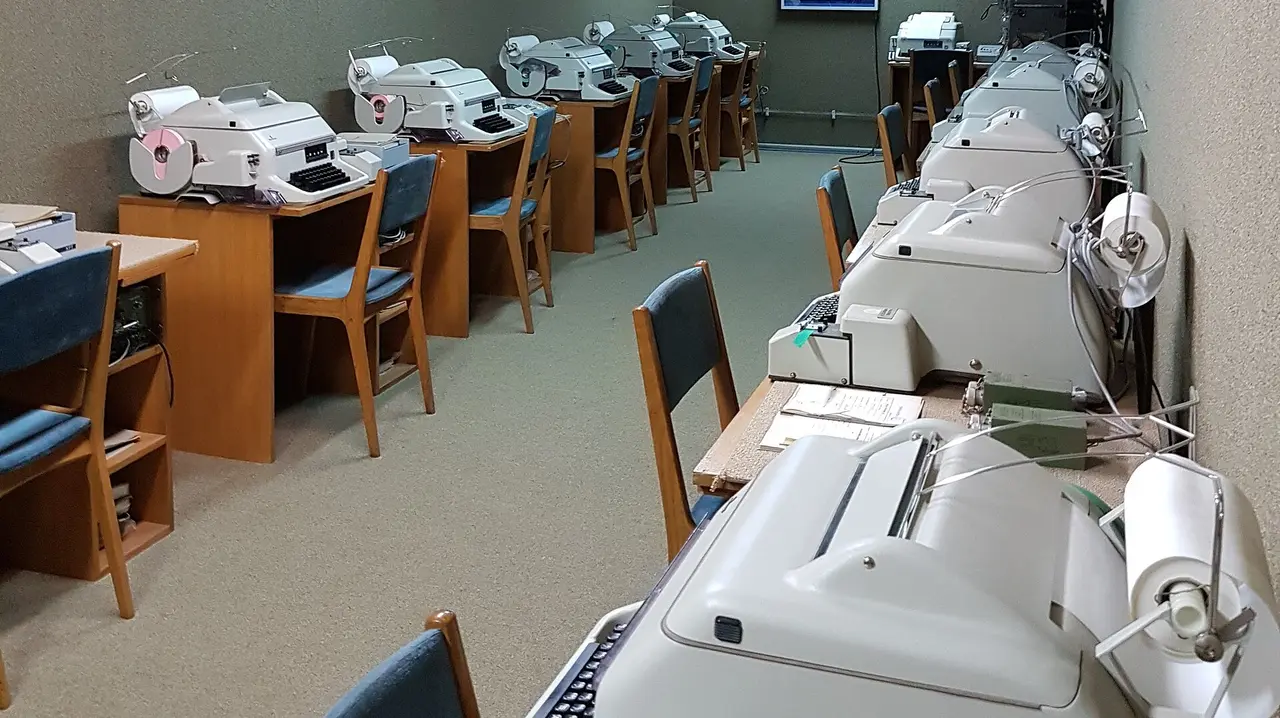
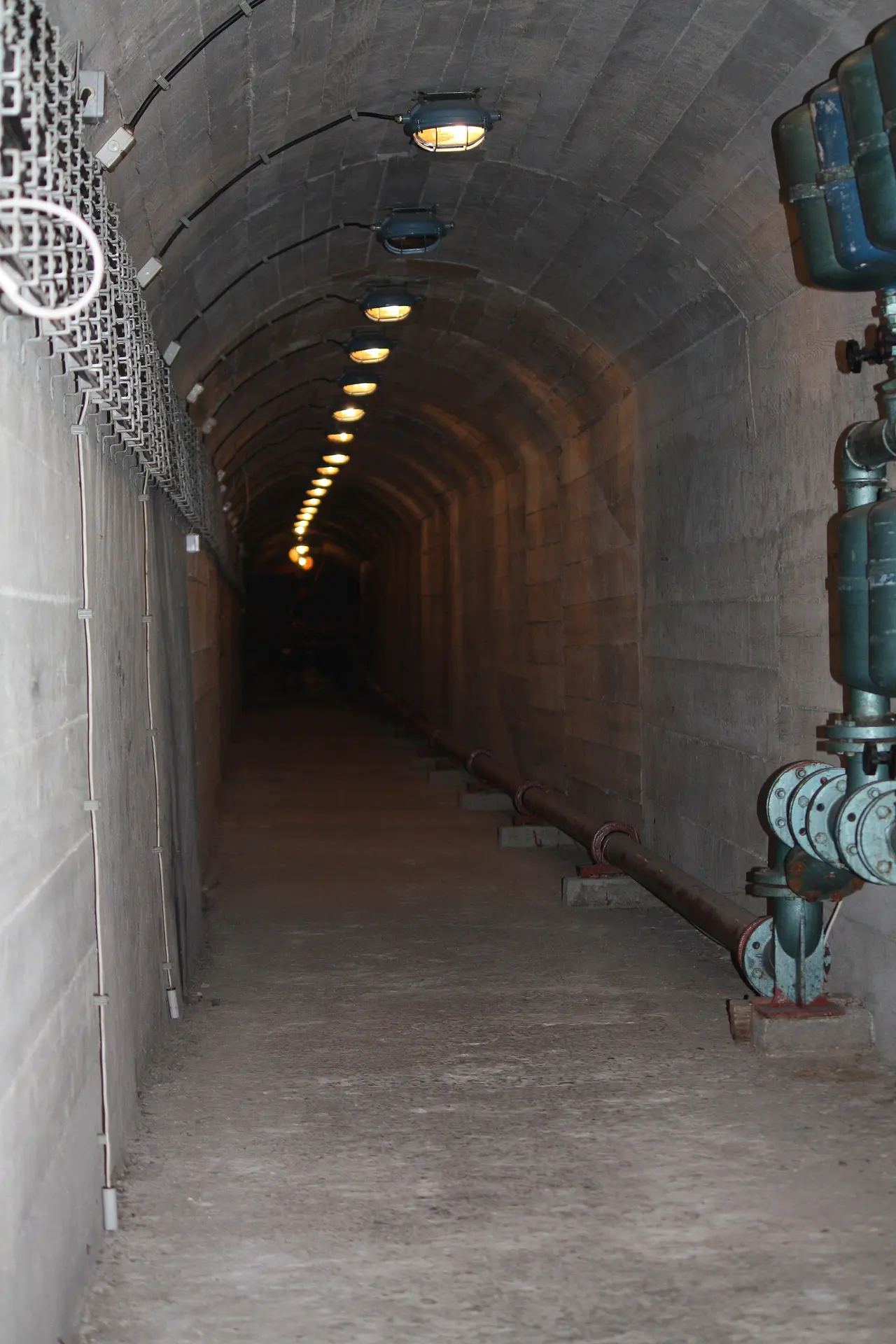
You walk in through a plain door in the hillside and down a long tunnel, and the scale takes a while to sink in. The complex is a warren of corridors linking around a hundred rooms: offices, strategic planning rooms, cramped dormitories, a kitchen, a briefing hall, and the communications heart of the place.
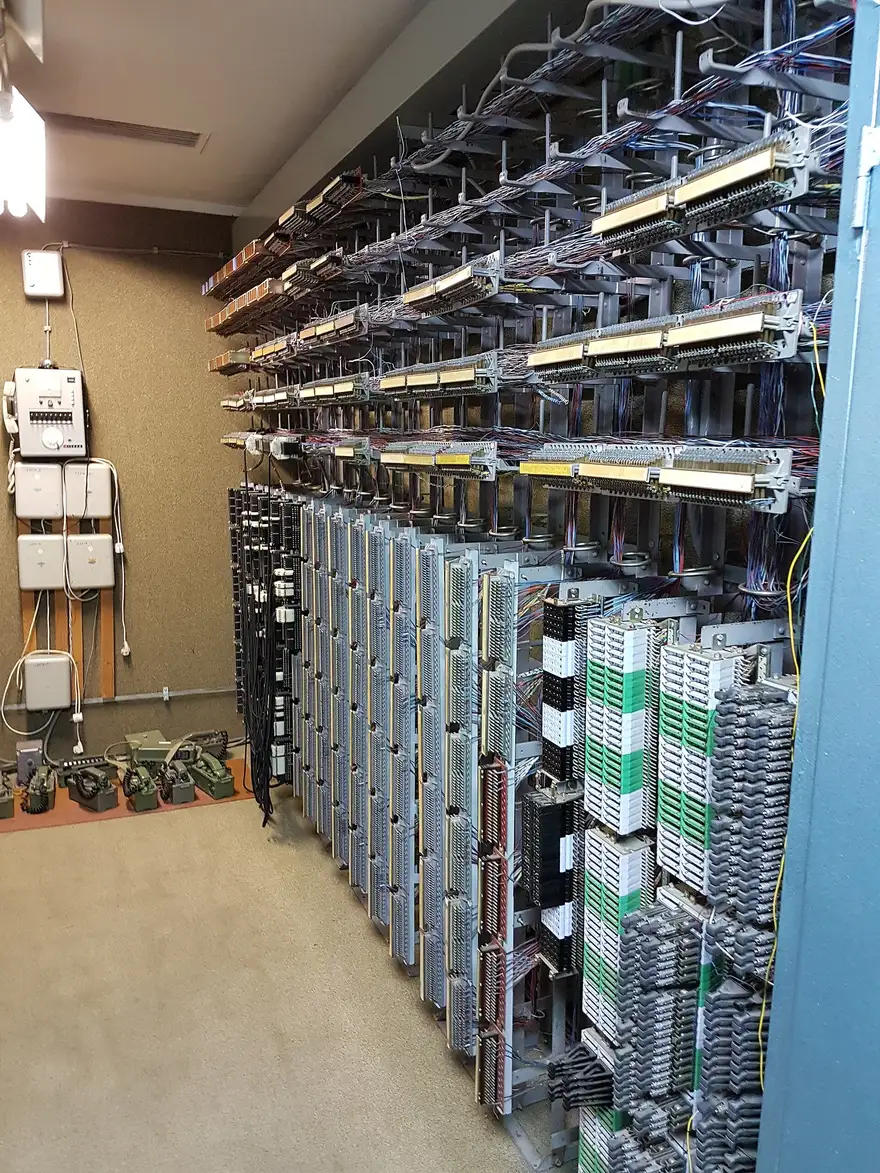
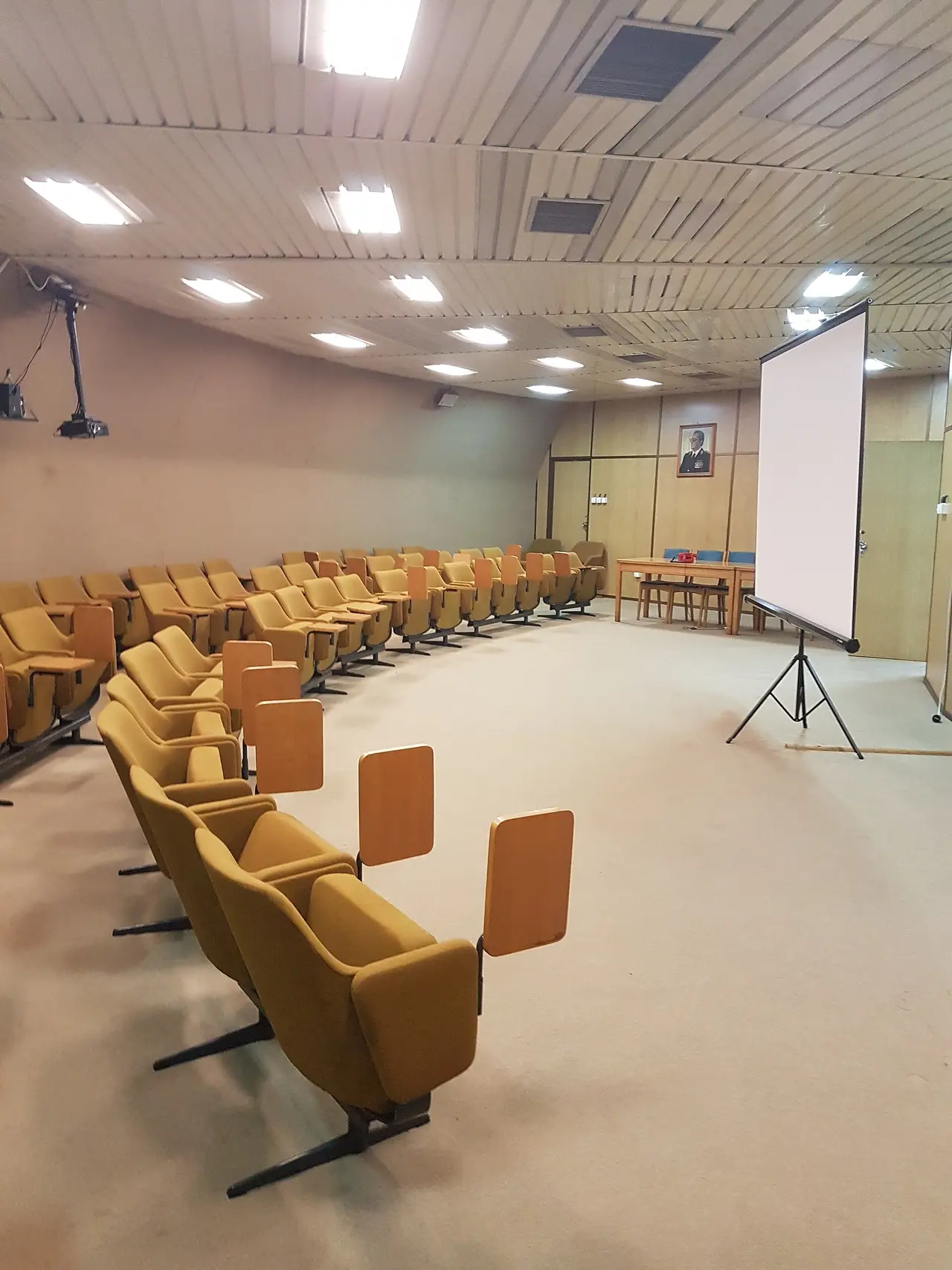
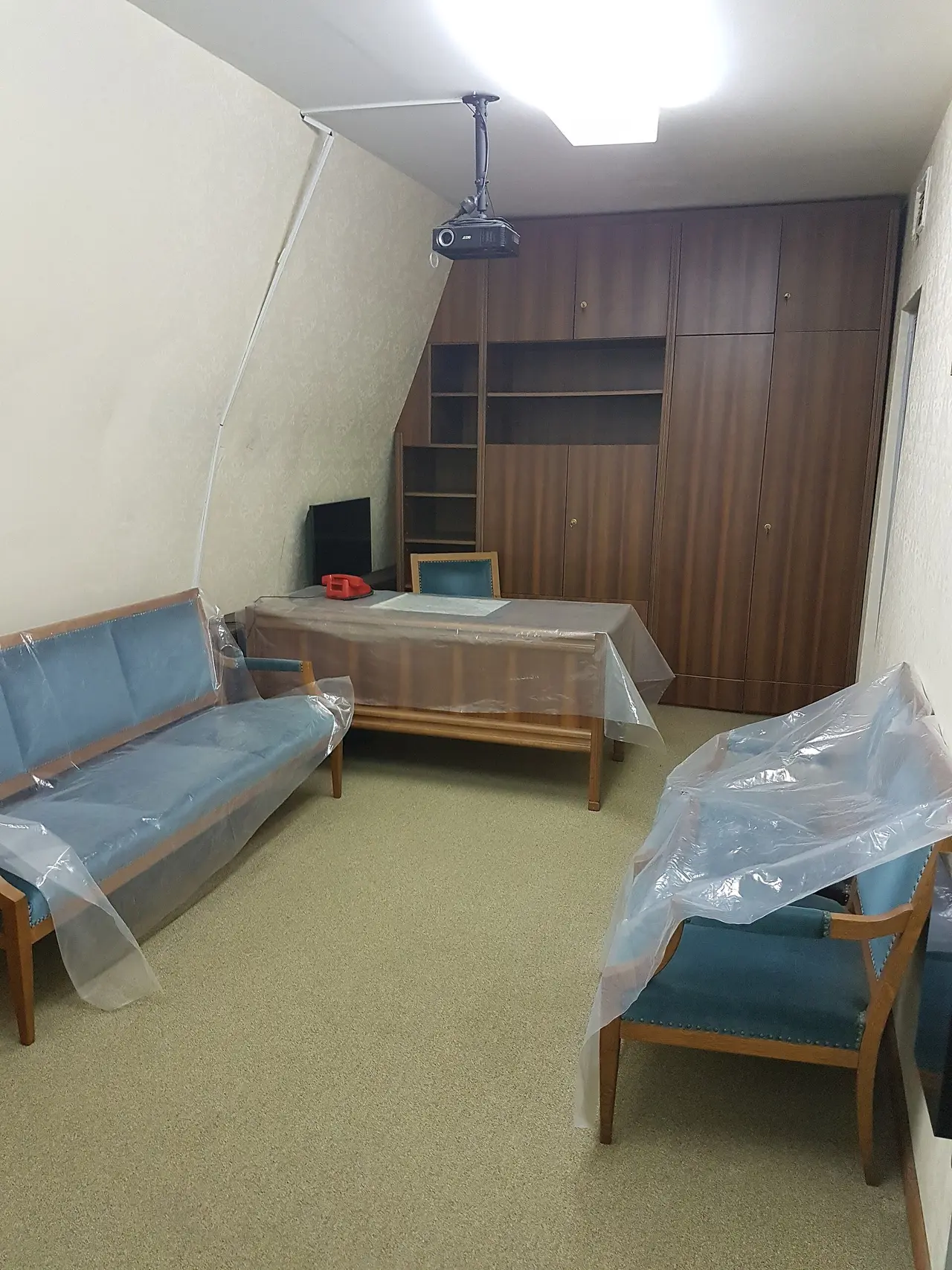
What makes it land is how little has been changed. The telephone exchange still bristles with its original wiring. The briefing room has its rows of seats, a screen, and a portrait of Tito watching over them, as if a meeting might start at any moment. The residential quarters keep their period furniture, some of it still under dust sheets, the colour scheme frozen somewhere in the 1970s. It’s less a polished museum than a time capsule that someone finally unlocked.
The twist nobody expects is the art. Since 2011 the bunker has doubled as home to the D-0 ARK Biennial of contemporary art, and installations by artists from around the world are threaded through the tunnels. You round a corner in a Cold War dormitory and meet a modern art piece built into the space itself. It sounds like it should clash, and instead it makes the whole thing stranger and more memorable: a doomsday machine repurposed as a gallery.
How to get there from Sarajevo or Mostar
Konjic sits on the M-17 down the Neretva valley, right between Sarajevo and Mostar, which makes the bunker easy to fold into a day. From Sarajevo it’s about 61 km, roughly a 50-minute drive or a 1h10 train ride on the pretty valley line; buses run too and cost only a few marks. From Mostar it is about an hour north by car or bus. The bunker sits around 7 km outside Konjic town, and because entry is tour-only you meet your group in Konjic rather than driving to the door.
If you would rather not deal with trains, timetables or the drive, a private transfer to Konjic is the simplest option, especially for a small group splitting the cost.
Bosnia doesn’t have a big established tour-operator scene, so plenty of people simply reserve their bunker slot directly and get themselves to Konjic by train, bus or car. Whichever way you come, build in a buffer: you don’t want to be sprinting for a fixed tour time after a delayed connection.
Make a day of Konjic
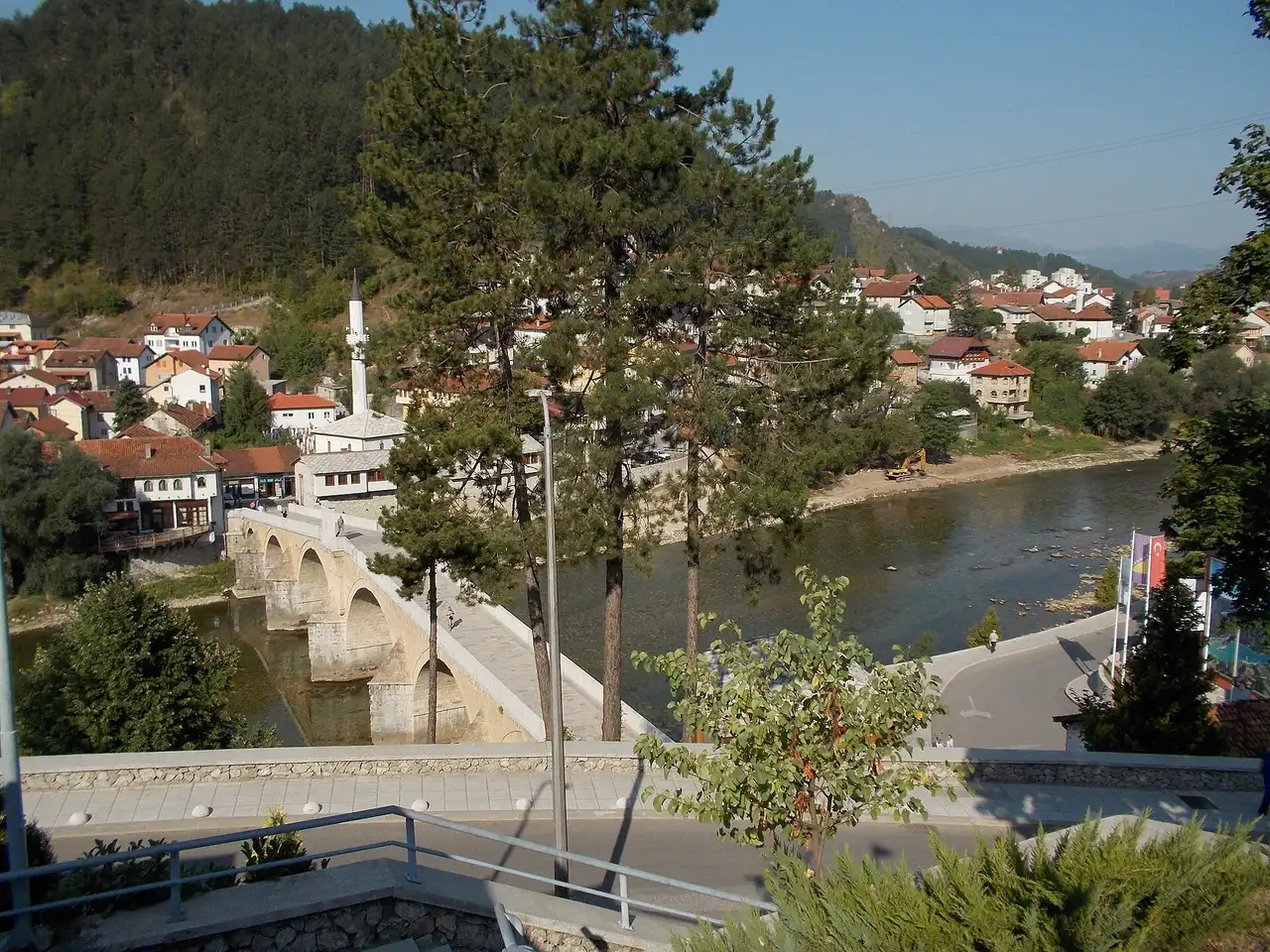
Don’t treat the bunker as a drive-by. Konjic itself is a handsome little town on the Neretva, with a graceful Ottoman stone bridge at its heart and some of the best rafting in Bosnia on the fast green water just upstream. Pairing a morning underground with an afternoon on the river, or a long lunch by the old bridge, turns a niche Cold War stop into a proper day out.
Because Konjic falls on the route, the bunker also works as a stop on the way south. If you are already planning the Sarajevo to Mostar journey, breaking it at Konjic for the tour costs you only a couple of hours. Push a little further down the valley and Jablanica adds the WWII museum and a roast-lamb lunch before Mostar. It slots just as well into a list of day trips from Sarajevo, and if the river tempts you, our guide to rafting in Bosnia covers the Konjic operators and what a run on the Neretva is like. For the bigger picture of where this sits among the country’s sights, see our roundup of things to do in Bosnia.
Is it worth it?
If you have any interest in the Cold War, Yugoslavia, or just seriously strange places, yes. There are bigger and shinier bunker museums in Europe, but few feel this untouched, and fewer still hide a contemporary art biennial in the dormitories. The tour-only rule and the booking faff put some people off, and that is exactly why it never feels overrun. Sort the reservation, bring cash and a layer, and give Konjic the rest of the day. It earns it. If you are threading the bunker into a Sarajevo-Mostar self-drive, the Neretva Adventure Route sets the overnight and the lake stop around the tour clock.
Photos
On the map
The map loads on click - to keep the page lightweight.
The map didn’t load. Check your connection and refresh the page.
Admission and opening hours
- Admission price
- Around 40 KM (~€20) per person for foreign visitors; roughly half (about 20 KM) for BiH residents; children under about 12 free. Bring cash in convertible marks (KM). Prices change - confirm when you book.
- Opening hours
- Tours run at set times, typically about 09:00, 12:00 and 15:00. Some operators list a Monday closure and adjust the schedule off-season, so confirm the day and slot when you reserve. A tour lasts roughly 90 minutes.
Entry is by guided tour only - you cannot drive to the door or wander in on your own, and you must book ahead (at least 12-24 hours). Inside it stays a constant 21-23°C, so bring a light layer even in summer. Tours run in Bosnian and English.
Details checked: July 16, 2026
Distance
- Sarajevo ≈61 km · ~50 min by car, ~1h10 by train Konjic is about 61 km south of Sarajevo on the M-17 down the Neretva valley. Regular trains and buses reach Konjic town; the bunker is ~7 km outside town and you meet the tour in Konjic.
- Mostar ≈68 km · ~1 hour by car or bus Konjic sits on the M-17 between Mostar and Sarajevo, so the bunker slots neatly into a day between the two.
Read also

What to see · 15 min read
Via Dinarica Bosnia: Huts, Stages & Logistics
Verified · September 12, 2026Plan the Via Dinarica White Trail in Bosnia: 12 stages, 334 km, hut booking, trailheads, closures and three workable section packages.

What to see · 10 min read
Jablanica: Neretva Bridge & Roast Lamb Stop
Verified · September 4, 2026Jablanica on the Sarajevo-Mostar road: Battle for the Wounded museum (5 KM), the 1943 bridge, roast lamb lunch. Hours, parking, how long to stop.

What to see · 8 min read
Prokoško Lake: Shepherd Huts High Above Fojnica
Verified · September 3, 2026Prokoško on Vranica at 1,636 m: katuni, gate prices for foreigners, no swimming, and the 2026 asphalt climb from Fojnica.

What to see · 11 min read
Franz Ferdinand's Sarajevo: Latin Bridge & 1914 Site
Verified · August 29, 2026The Latin Bridge corner in Sarajevo where Franz Ferdinand was shot in 1914: what happened, the Museum of Sarajevo 1878-1918 inside, hours and tickets.