Rafting in Bosnia: Una, Tara & Vrbas
Rafting in Bosnia on the Una, Tara and Vrbas: which river suits you, the grades, the season, what a trip costs, safety and the insurance you need.
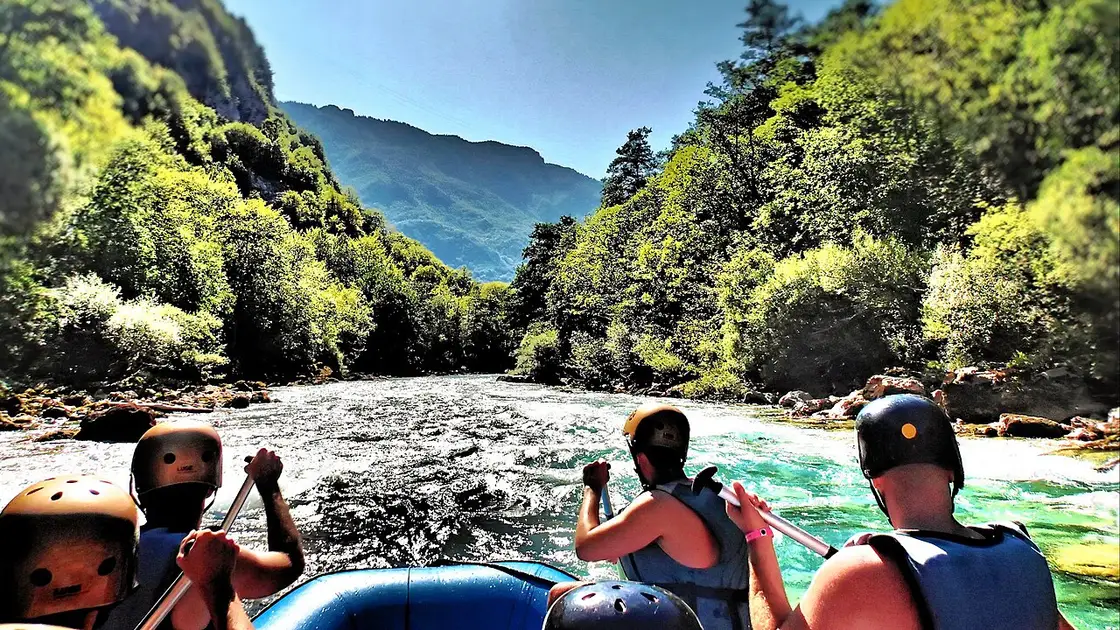
Bosnia and Herzegovina has three rivers worth crossing a border for, and choosing between them comes down to one question: how wild do you want it? The gentle Una in the northwest is the family river, all emerald pools and easy splashes. The Tara in the southeast runs through the deepest canyon in continental Europe and is the serious one. The Vrbas near Banja Luka is the sporty middle ground, good enough that it hosted a world championship. All three are cold, clear mountain water, all three run roughly April to October, and none of them are in easy reach without a car. This guide sorts out which river suits you, what the grades really mean, what a trip costs, and the one thing people forget to check: their insurance.
A quick word on those grades before we start. White water is rated on a scale from I (easy) to VI (unrunnable), and Bosnia’s commercial trips sit mostly in the II to IV band. But a river is not a fixed number: the same stretch that is a mellow grade II in low August water can be a bucking grade IV after the spring melt. Treat every grade below as a rough guide, and let the operator match the section to your group and the day’s conditions.
The Una: the easy, emerald one
If you want scenery over adrenaline, or you’re bringing kids, the Una is your river. It’s the improbably green ribbon of water in the country’s far northwest, in Una National Park near the town of Bihać, and it’s the most forgiving of the three. The water is loaded with dissolved minerals that build the low tufa ledges you bounce over, and between them the river spreads into calm turquoise pools you can drift in. It’s beautiful in a way the wilder rivers aren’t, precisely because you have the headspace to look up.
There are really two Una experiences, and this matters more than picking “rafting” in the abstract. The stretch up by the big Štrbački buk waterfall is the adrenaline run, higher-grade water with real rapids and the drama of the falls; the gentler reaches around Kostela and down toward Bosanska Krupa are calm enough for first-timers and families. Tell the operator which you want. A guided half-day runs around 100 to 105 KM (about €54) and usually bundles in park entry, gear, transfer and basic insurance, though rates vary, so confirm when you book.
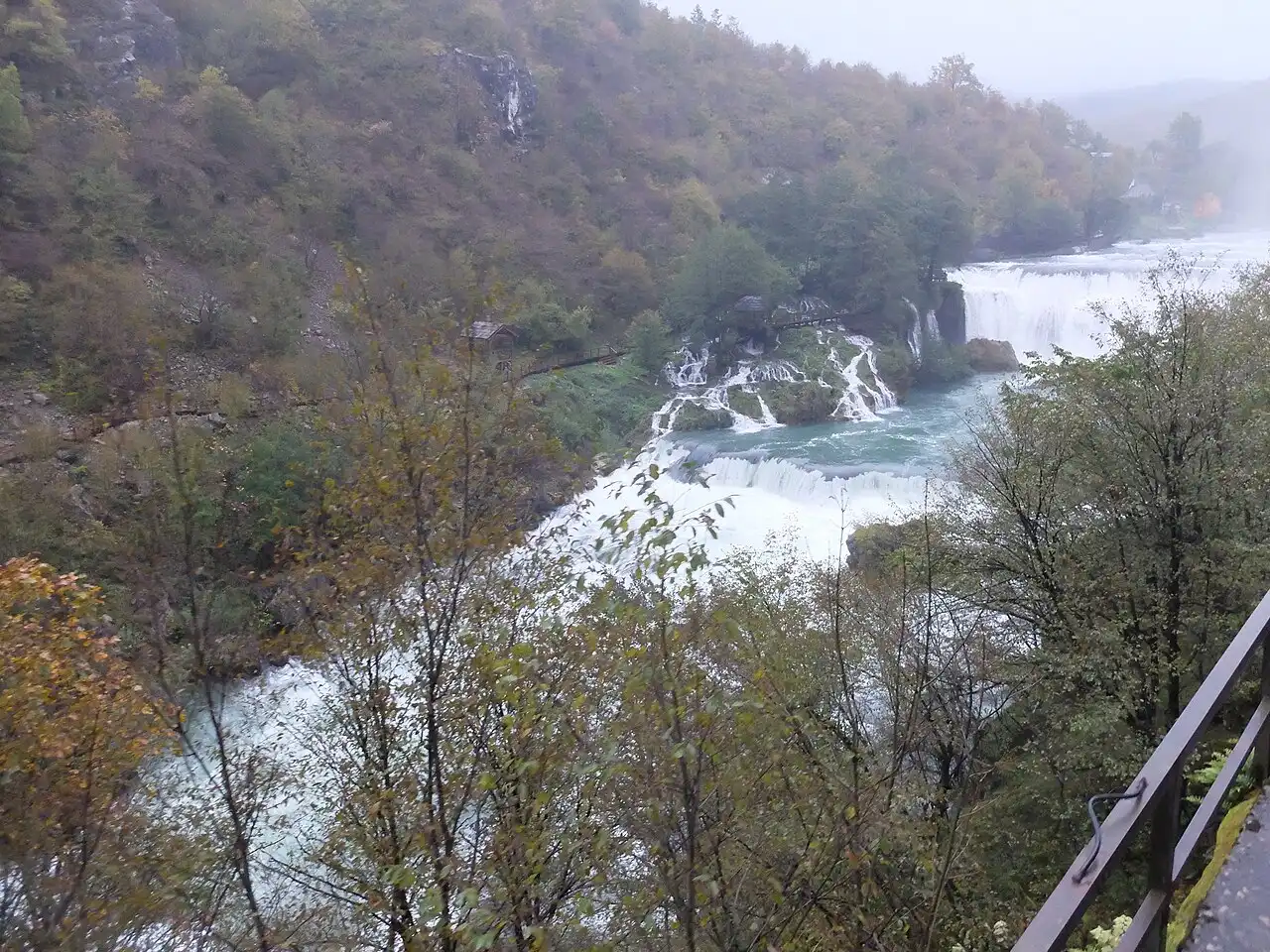
The one drawback with the Una is distance. Bihać is out on a limb in the far northwest, roughly 300 km and four and a half to five hours from Sarajevo - genuinely closer to Zagreb than to the Bosnian capital, and barely an hour from Plitvice Lakes across the Croatian border. That reframes it: the Una is not a day trip from Sarajevo, but it slots in beautifully if you’re already touring the north or crossing to or from Croatia. Our full Una National Park guide covers the sections, fees and waterfalls in detail, and if you want to build a whole trip around the river, our Una River loop links the Štrbački buk rafting put-in with the valley’s castles and waterfalls over two or three days.
The Tara: the deepest canyon in continental Europe
The Tara is the trip you take when you want the real thing. Its canyon is the deepest in continental Europe, cut as much as 1,300 metres down through the mountains on the border with Montenegro, and rafting it means dropping into a gorge so steep the walls close over your head. Locals call the Tara the “Tear of Europe” for the clarity of its water, and drinking straight from the river mid-trip is part of the ritual. This is the headline white-water experience in the region, and for a lot of people it becomes the highlight of the whole trip.
Most Bosnian trips launch from around Foča in the southeast and run down into the canyon, often finishing across the border in Montenegro near Šćepan Polje - the river is shared, and plenty of operators sell the same run from the Montenegrin side. The water is genuinely lively: the river drops steadily through the park, with dozens of named rapids and cascades, and the grade sits broadly in the III to IV range at normal levels. That sounds intimidating, but a standard one-day trip with a good guide is within reach of a reasonably fit beginner - you’ll get thoroughly soaked and properly thrilled rather than endangered. Spring, when the snowmelt is in, is the fast and cold end of the scale; late summer is tamer and warmer.
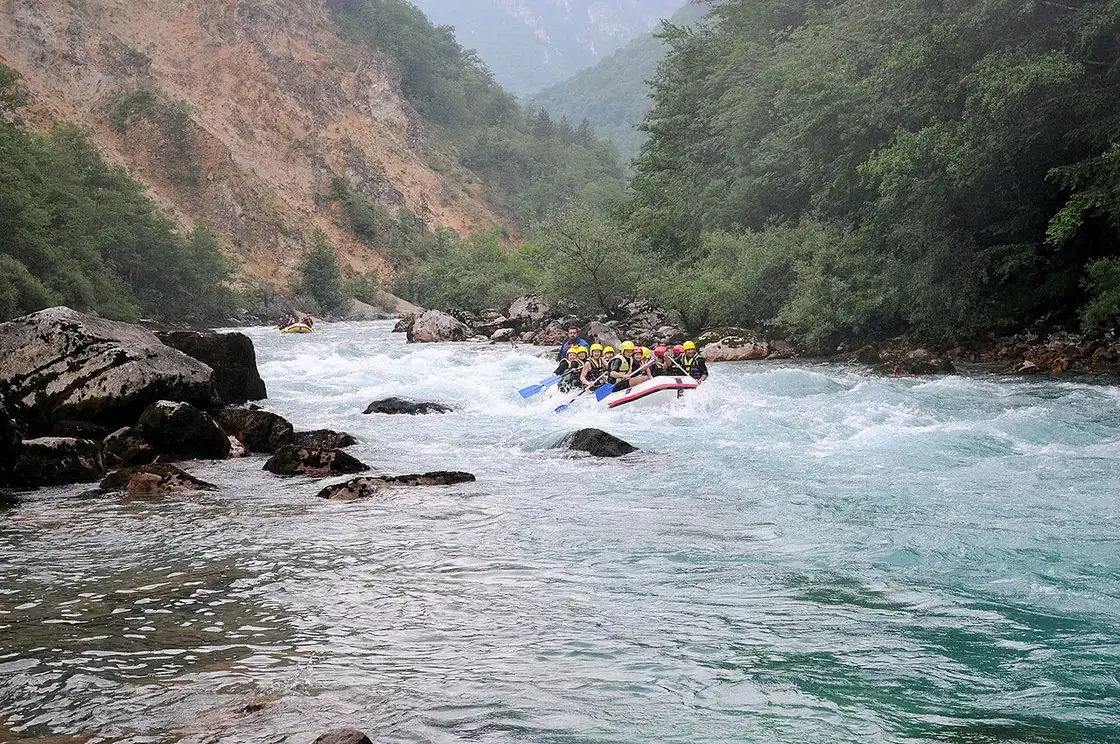
Foča is the gateway, which puts the Tara in the same wild corner as Sutjeska National Park and Maglić - the country’s highest mountain and its last primeval forest - so it pairs naturally with a couple of days of serious mountains rather than city sightseeing. Like the Una, it’s a long way from anywhere: budget three to three and a half hours from Sarajevo, and treat it as its own expedition.
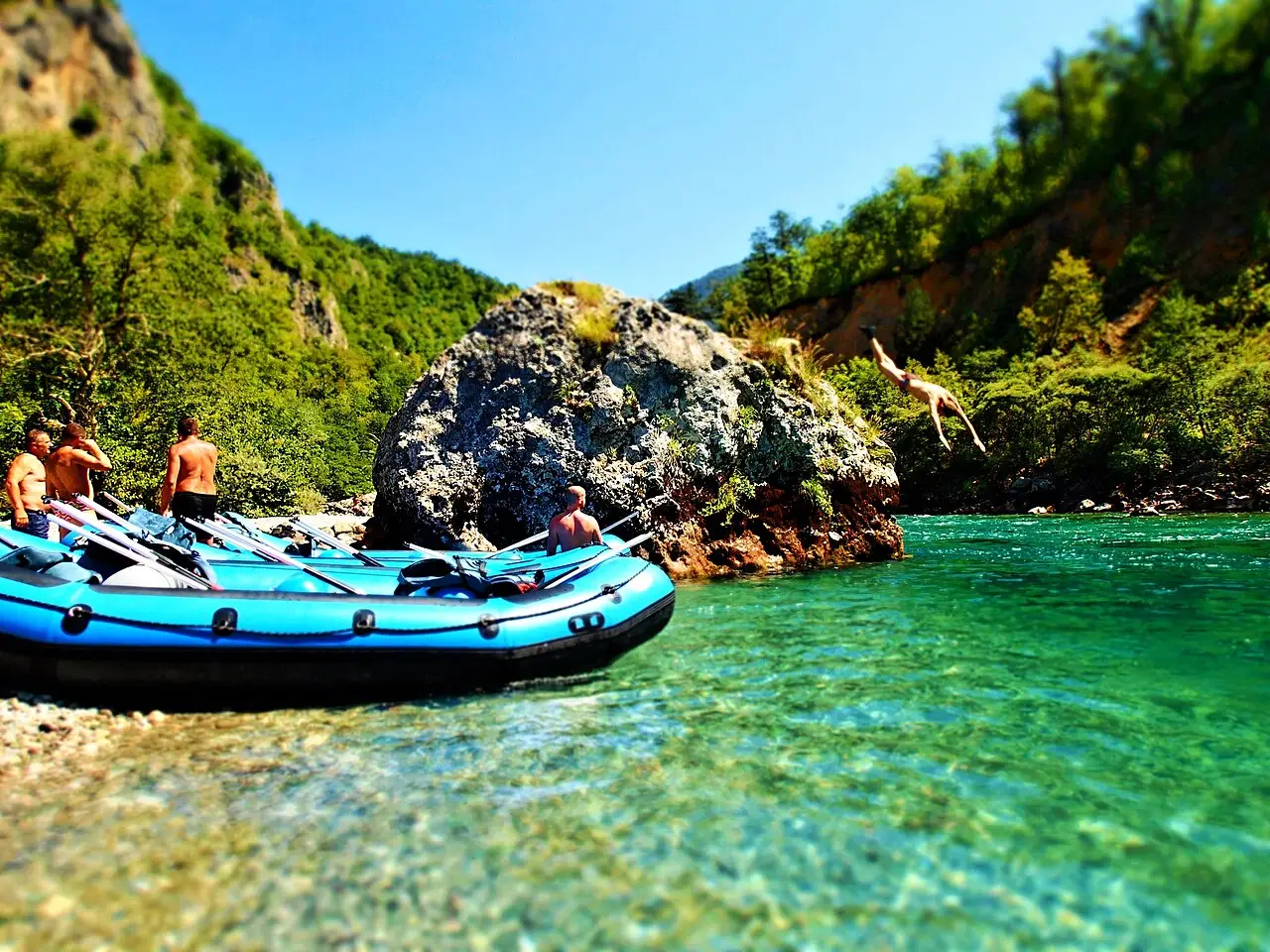
The Vrbas: the sporty river with a championship pedigree
The Vrbas is the one to pick if you want a proper sporting run without the long haul to the far corners of the country. It carves through the hills just above Banja Luka, Bosnia’s second city, and it’s fast, technical, and closer to a major town than either of the others. Its rafting stretch runs about 31 km and threads two gorges - the tight Tijesno canyon and the longer Podmilačje - with grades that sit around III to IV on the busier sections and drop to an easy I to II elsewhere.
Its credentials are real. Banja Luka and the Vrbas hosted the 2009 World Rafting Championships, with the sprint, head-to-head and slalom disciplines run on the Vrbas itself (the long downriver race was held over on the Tara), and the world championship returned to the river again in 2022. That’s not marketing gloss: it means the river has a mature, competitive rafting scene, well-drilled operators, and put-ins geared up for visitors. For a traveller based in the north of the country, or anyone who wants a genuine white-water hit without committing a whole expedition to it, the Vrbas is the efficient choice.
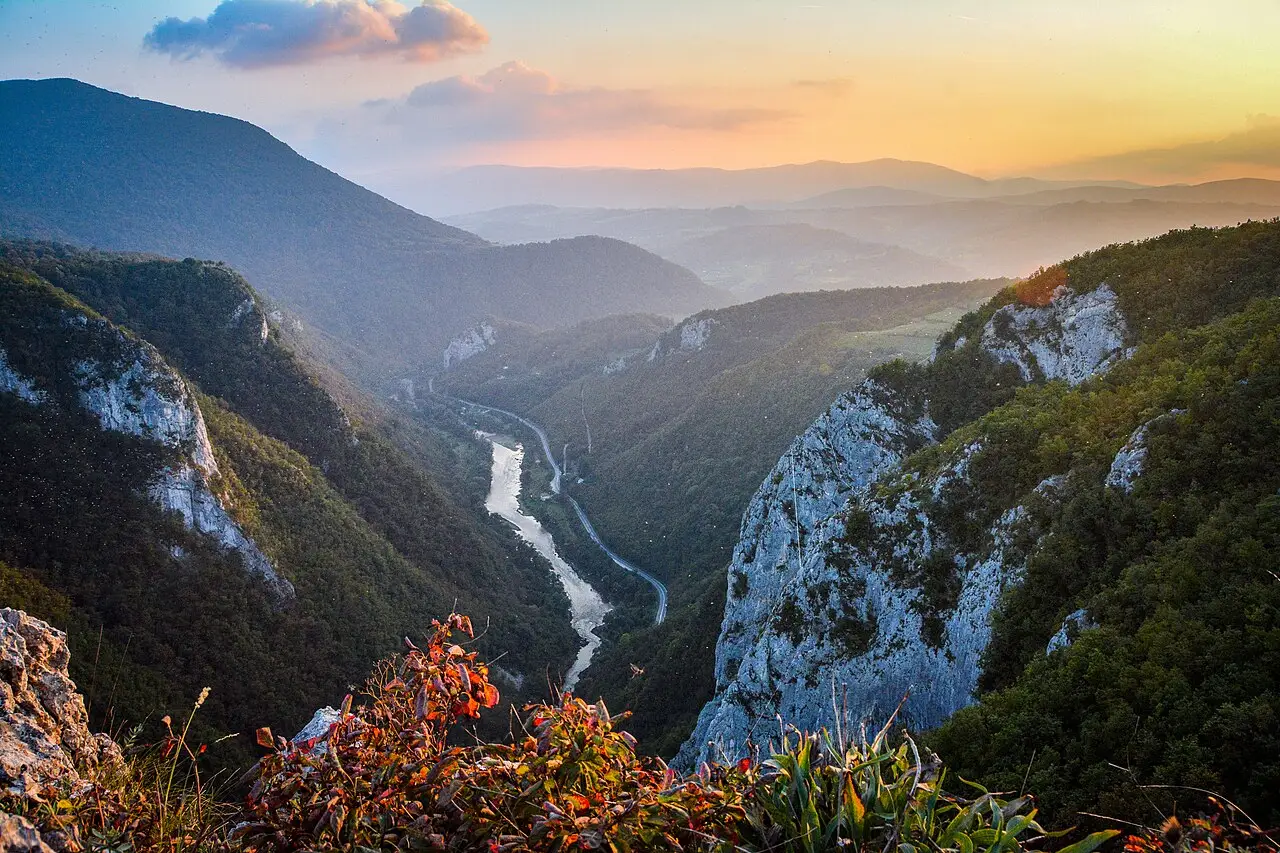
So which river should you raft?
Sort it by what you actually want, not by which name you’ve heard:
- Bringing kids, or new to it, and want scenery? The Una. Ask for the gentle Kostela section, and enjoy the emerald water.
- Chasing the big one, and happy to travel for it? The Tara, from Foča - the deepest canyon in continental Europe and the region’s benchmark run.
- Want a real sporting river close to a city? The Vrbas, above Banja Luka - technical, competitive, and the least remote.
- Short on time and based around Sarajevo? None of these is a quick half-day from the capital, but you can also raft the Neretva from Konjic, less than an hour south of the city, for a taste without the long drive.
Whichever you choose, the season is the same story: April to October, with spring bringing the highest, coldest, most demanding water (snowmelt), and July and August the warmest and gentlest. If you want the most exciting water, come in late spring; if you’re bringing a nervous group or young children, aim for high summer. Our guide to the best time to visit Bosnia sets out the wider seasons if you’re timing a whole trip around it.
Safety, gear and the insurance nobody checks
Rafting in Bosnia is well-run, but it is still white water, so a few things are worth getting right. Go with a licensed, certified operator - all three rivers have established outfits, and the reputable ones provide a wetsuit, helmet and buoyancy aid as standard, put a qualified guide in every raft, and give a proper safety briefing before you push off. Listen to it: the “self-rescue” position and what to do if you go overboard are the two minutes that matter most.
Bring a change of dry clothes and shoes you don’t mind soaking, expect the water to be genuinely cold even in summer (this is snowmelt fed off high mountains), and carry cash in convertible marks for anything the booking didn’t cover, because card machines are rare at remote put-ins.
The thing travellers most often overlook is cover. White-water rafting is exactly the kind of activity many standard travel insurance policies exclude or load as a “hazardous sport”, which means a bad day on the river could leave you uninsured for the helicopter and the hospital. Read your policy’s adventure-sports clause before you go, and if rafting isn’t covered, buy a plan that explicitly includes it. Basic accident insurance is usually bundled into a reputable trip, but that is not the same as your own medical and repatriation cover, and you want both. Our guide to travel insurance for Bosnia covers what the adventure rider does and does not include, and why evacuation cover matters most out here.
Getting to any of these rivers realistically means your own wheels - the put-ins on the Una, Tara and Vrbas all sit off the transit map, and public transport reaches the nearest towns but not the launch points. A hire car turns a logistical headache into a simple drive; our Bosnia car rental guide covers the booking and cross-border details, which matter especially on the Tara if your trip finishes in Montenegro. Sort the car and the insurance, pick your river by how wild you actually want it, and Bosnia will give you some of the best and least crowded white water in Europe.
Photos
Admission and opening hours
- Admission price
- A guided half-day on the Una runs roughly 100-105 KM (about €54) per person, typically including park entry, a qualified skipper, wetsuit, helmet and buoyancy aid, transfer to the put-in and basic insurance. Tara and Vrbas day trips are broadly comparable, but rates vary by operator, section and water level - confirm when you book.
- Opening hours
- The rafting season runs roughly April to October across the three rivers, with the highest, fastest water in spring (snowmelt) and warmer, gentler flows in July and August. Trips are guided; book a day or two ahead in high summer.
Prices are in convertible marks (KM / BAM); carry cash, as card acceptance at remote put-ins is patchy. River grades shift with the water level - the same rapid can be far tamer in August than in May, so treat any grade as a guide, not a guarantee.
Details checked: July 4, 2026
Read also

Entertainment · 10 min read
Best Lakes in Bosnia for Swimming & Road Trips
Verified · September 3, 2026Five Bosnian lakes for swimming and road trips: Pliva, Boračko, Blidinje, Prokoško and Pannonica - which warm up, which ban bathing, how to link them.

Entertainment · 11 min read
Sarajevo Nightlife: Best Bars, Pubs & Clubs
Verified · August 10, 2026Where Sarajevo goes after dark: Bascarsija bars, Ferhadija pubs, live jazz, Sloga club nights and 06:00 closing times - all walkable, all cash-friendly.

Entertainment · 14 min read
Bosnia Events Calendar: Month by Month 2026-2027
Verified · September 23, 2026What happens in Bosnia each month: Bascarsija Nights all July, the film festival 14-21 August 2026, Jazz Fest 4-7 November, and the holiday trap.

Entertainment · 8 min read
Sarajevo Film Festival 2026: A Visitor's Guide
Verified · July 18, 2026The Sarajevo Film Festival runs 14-21 August 2026: what it is, the open-air cinema, how tickets work, the guests and where to stay.