Things to Do in Banja Luka: Bosnia's Second City
Things to do in Banja Luka: Kastel fortress on the Vrbas, the rebuilt Ferhadija mosque, cafe-lined Gospodska and the city's Trappist beer heritage.
Banja Luka is Bosnia’s second city and the capital of its Serb-majority half, and it rewards a slow day or two rather than a hit-list sprint. The short version of what to do: walk the riverside Kastel fortress, step inside the Ferhadija mosque and read the story of how it got there, drink coffee on pedestrian Gospodska among people who take cafe culture more seriously than almost anyone in Europe, and get out onto the green Vrbas for a raft or a swim. It’s flatter, leafier and more Central European than the Ottoman towns to the south, and most travellers use it as a comfortable base for the northwest rather than a bucket-list stop in itself, which is exactly why it is worth slowing down for.
First, the lie of the land. Banja Luka is the largest city of Republika Srpska, one of Bosnia’s two entities, so it reads Orthodox and Serbian where Sarajevo and Mostar read Ottoman and mixed: golden church domes rather than minarets on the skyline, Cyrillic on the shopfronts alongside Latin, and the convertible mark (KM) in the till, with euros only patchily accepted. UNESCO named it a Creative City of Music in 2019, and on a warm evening you’ll believe it, when the terraces along the main street fill and the whole town seems to be out drinking coffee. Bring cash, keep your expectations set to “pleasant city” rather than “open-air museum”, and you will like it a great deal.
Kastel: the fortress on the Vrbas
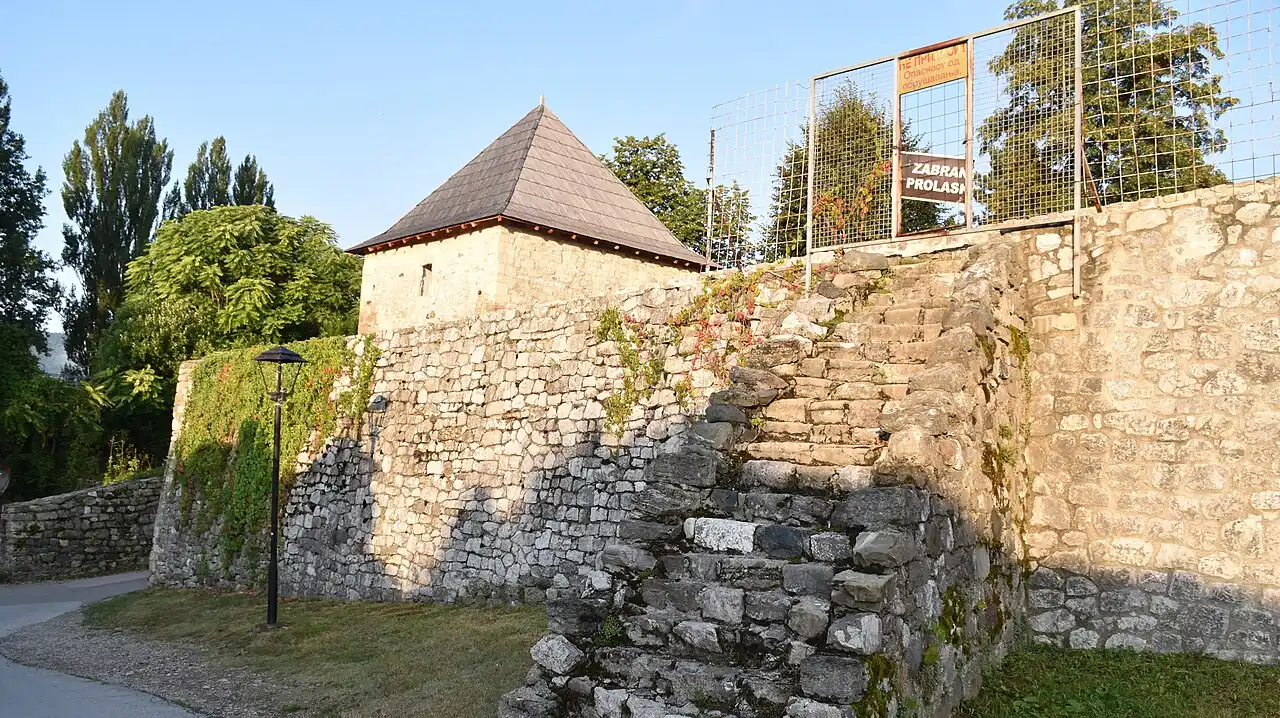
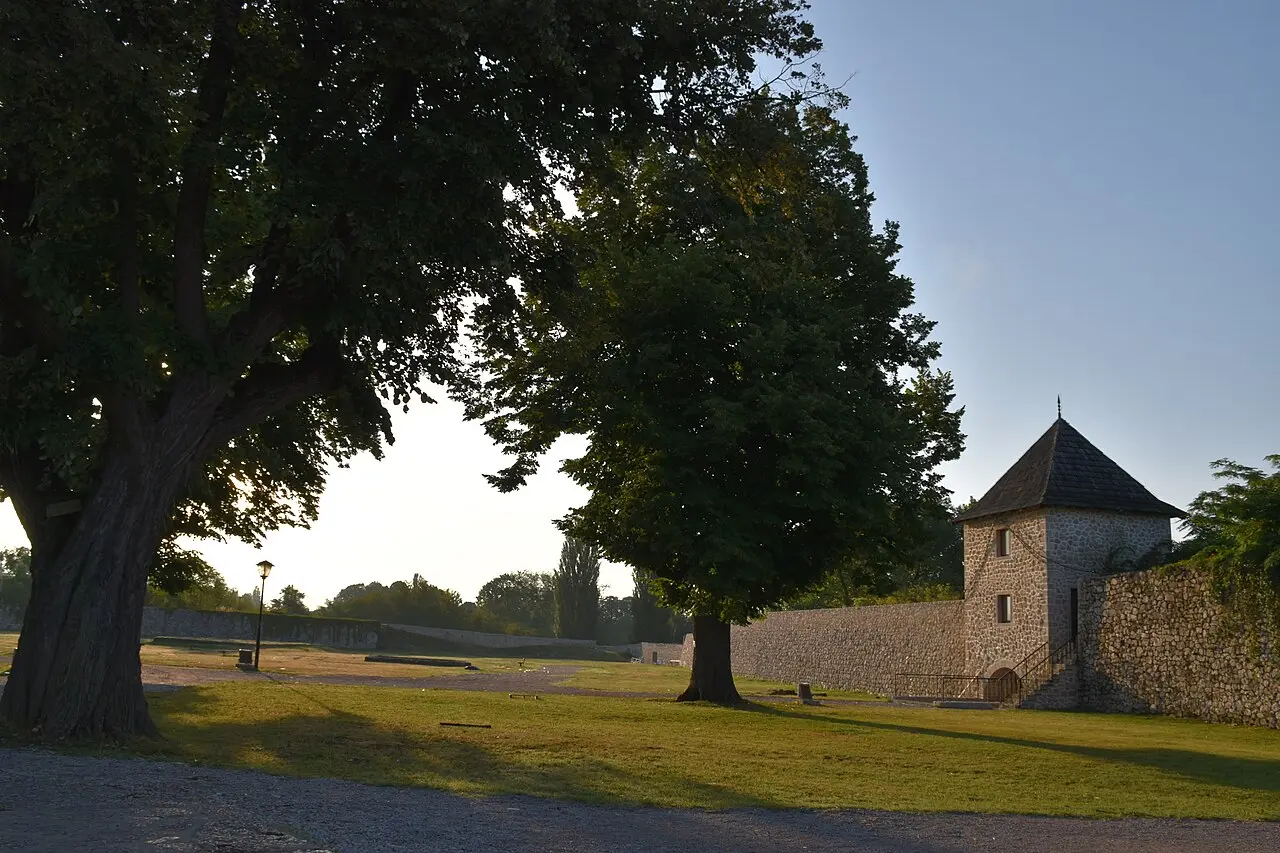
Start at the water. Kastel is the city’s oldest monument, a big walled fortress on the left bank of the Vrbas, and its name gives away its age: there was a Roman castrum on this site, and archaeologists have turned up everything from Neolithic tools to Roman coins and ceramics within the walls. What survives above ground is mostly the much-rebuilt Ottoman and Austro-Hungarian fortress, a spread of bastions, gates and green lawns right on the river.
The pleasant surprise is that it’s not a ticketed sight so much as a public park with ramparts. The grounds are free and open, there’s a cultural stage and an amphitheatre inside that hosts summer concerts and the Demofest music festival, and a restaurant sits within the walls. Locals come here to walk the dog, jog the riverbank and drink coffee, so half an hour at Kastel tells you as much about how the city lives now as about its past. Come early for the quiet, or at dusk when the walls catch the light off the water.
Ferhadija: the mosque rebuilt from its own rubble
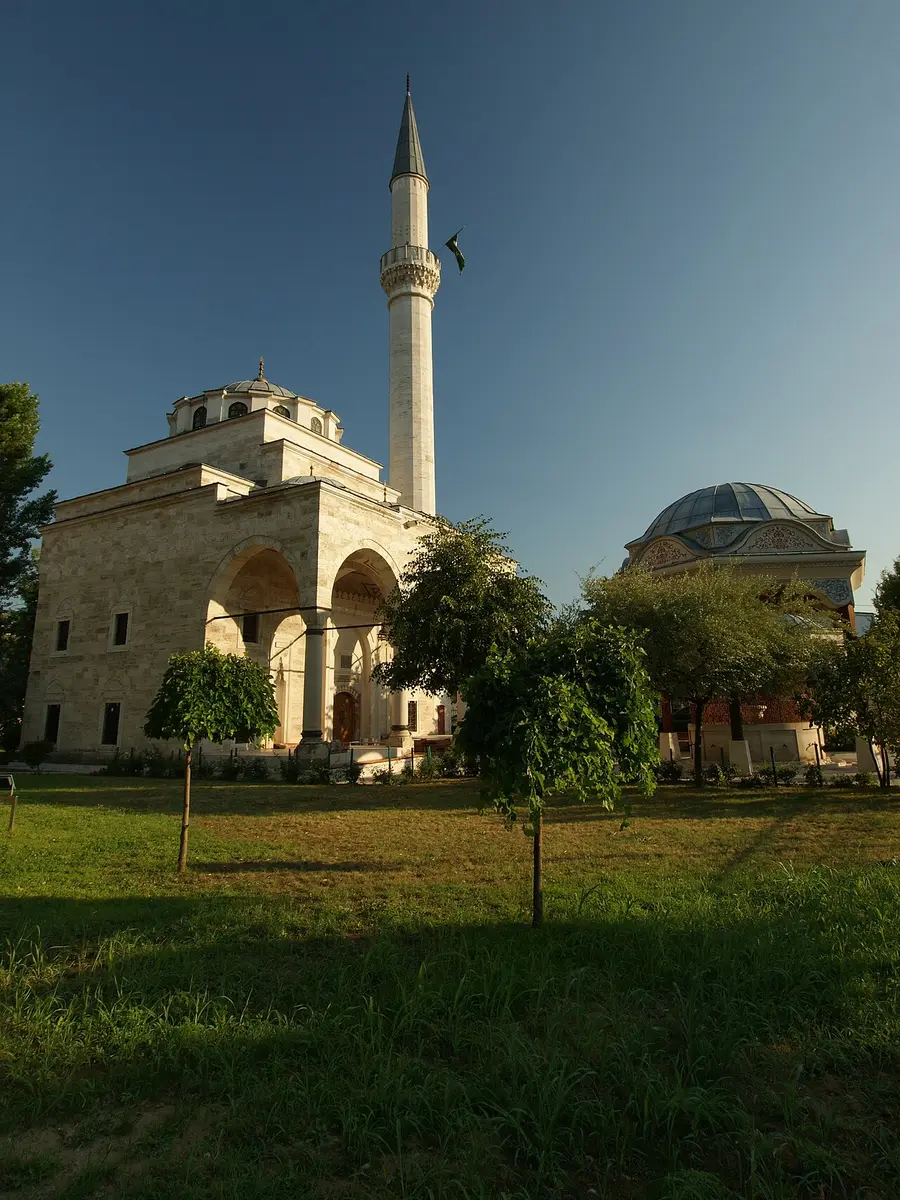
The Ferhadija, or Ferhat Pasha Mosque, is the one building here you shouldn’t miss, and the reason is its story as much as its stonework. It was built in 1579 for the Bosnian governor Ferhad-paša Sokolović, paid for in part with ransom money for a Habsburg general, and it became one of the finest works of 16th-century Ottoman architecture anywhere in Bosnia, its dome and slender minaret set in a walled garden of fountains and tombs.
Here is the part most visitors do not know until they’re standing in front of it. On the night of 6 to 7 May 1993, during the war, the authorities of Republika Srpska dynamited the Ferhadija to the ground, along with the nearby Arnaudija mosque a quarter of an hour later, and trucked the rubble away to secret dumps. What you see today is a reconstruction reopened on 7 May 2016, built painstakingly from the mosque’s own recovered stones: teams sorted thousands of original fragments fished out of rivers and landfills, and about 65% of the rebuilt mosque is original stone, the rest new-cut to match. The reopening happened under heavy security, two decades after the destruction. Step into the courtyard, look closely at the masonry, and you can pick out the weathered old blocks set among the fresh ones - a building that is at once medieval and less than a decade old. It’s open daily, and visitors are welcome in the main hall outside prayer times; dress modestly and take your shoes off at the door.
The old centre: Gospodska, Krajina Square and the cathedral
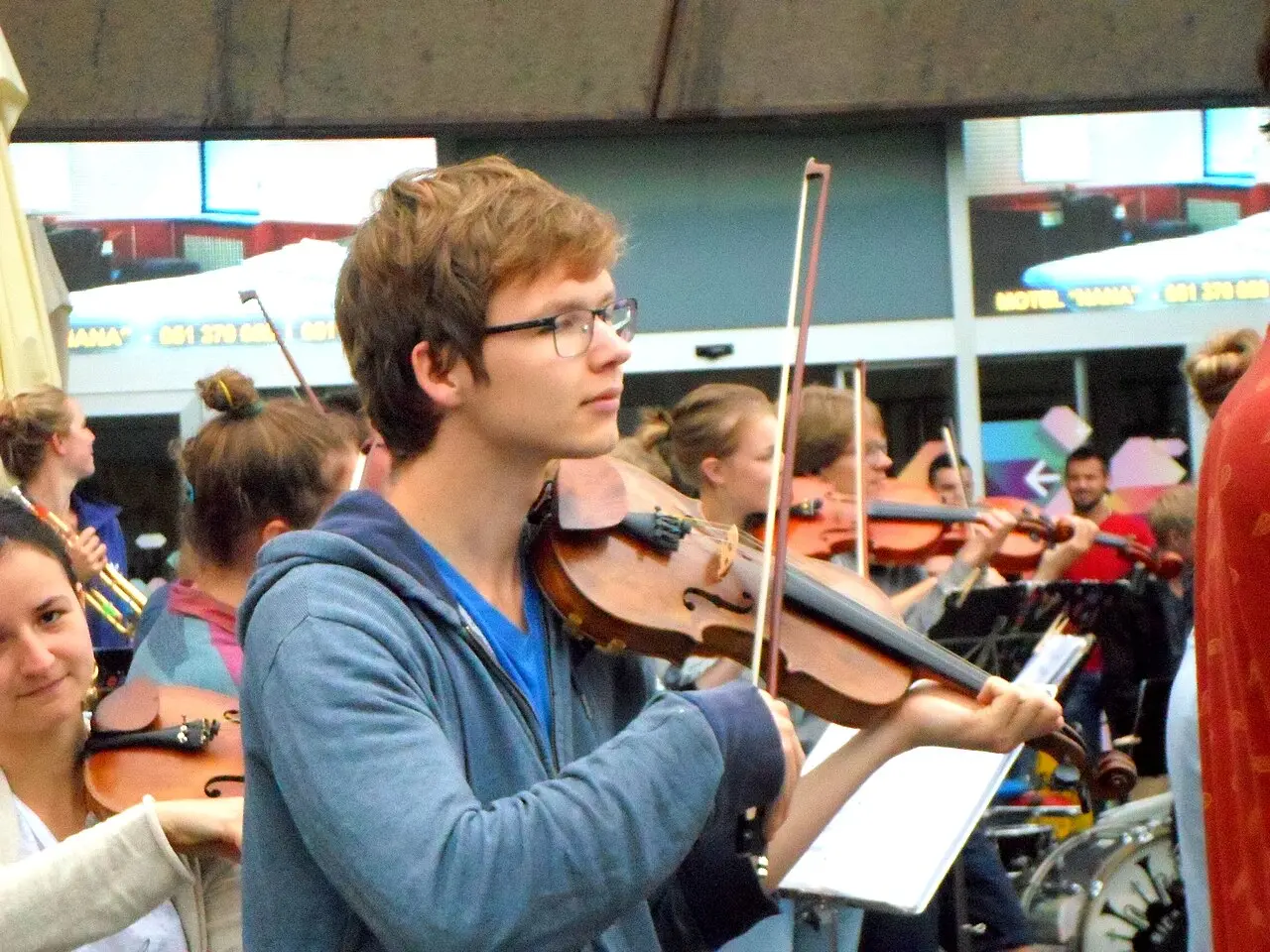
Banja Luka’s centre is compact, flat and made for walking, and its spine is Gospodska street (officially Veselina Masleše), a pedestrian run of cafes, patisseries and Neo-Renaissance facades left over from the Austro-Hungarian years. This is where the city’s famous coffee habit plays out: tables spill across the pavement from mid-morning, and nursing a single macchiato for an hour is not loitering here, it’s the local sport. Wander it slowly and duck into the side streets for the ornate old merchant houses.
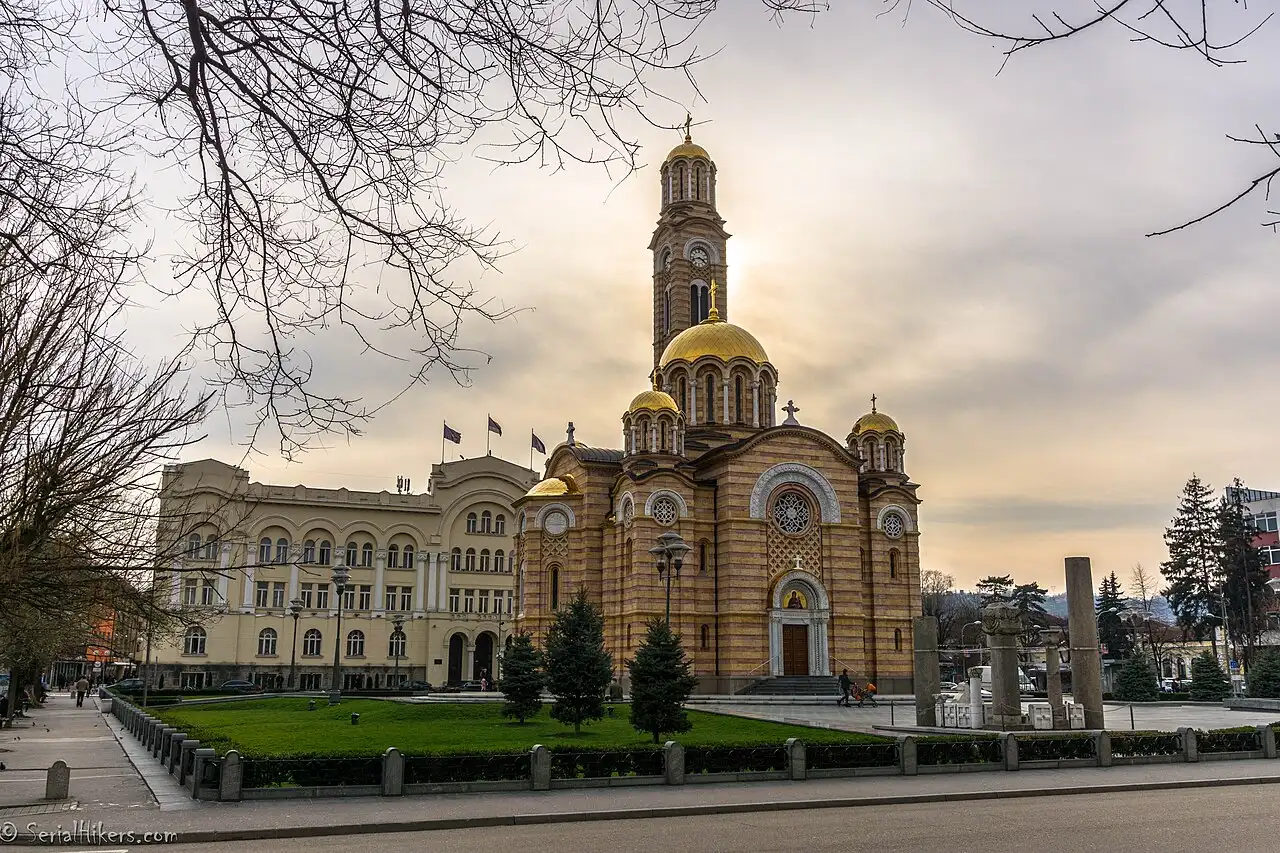
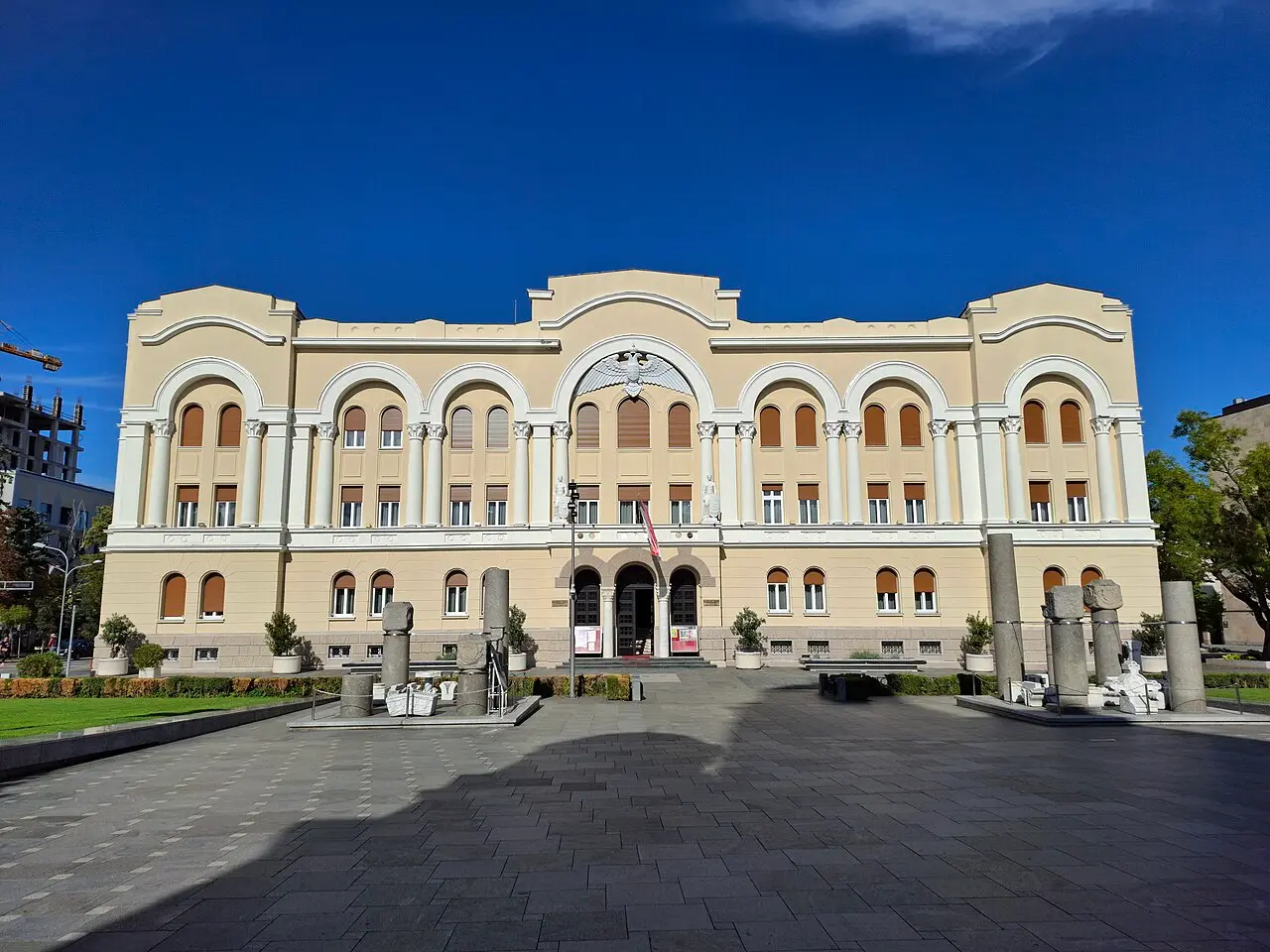
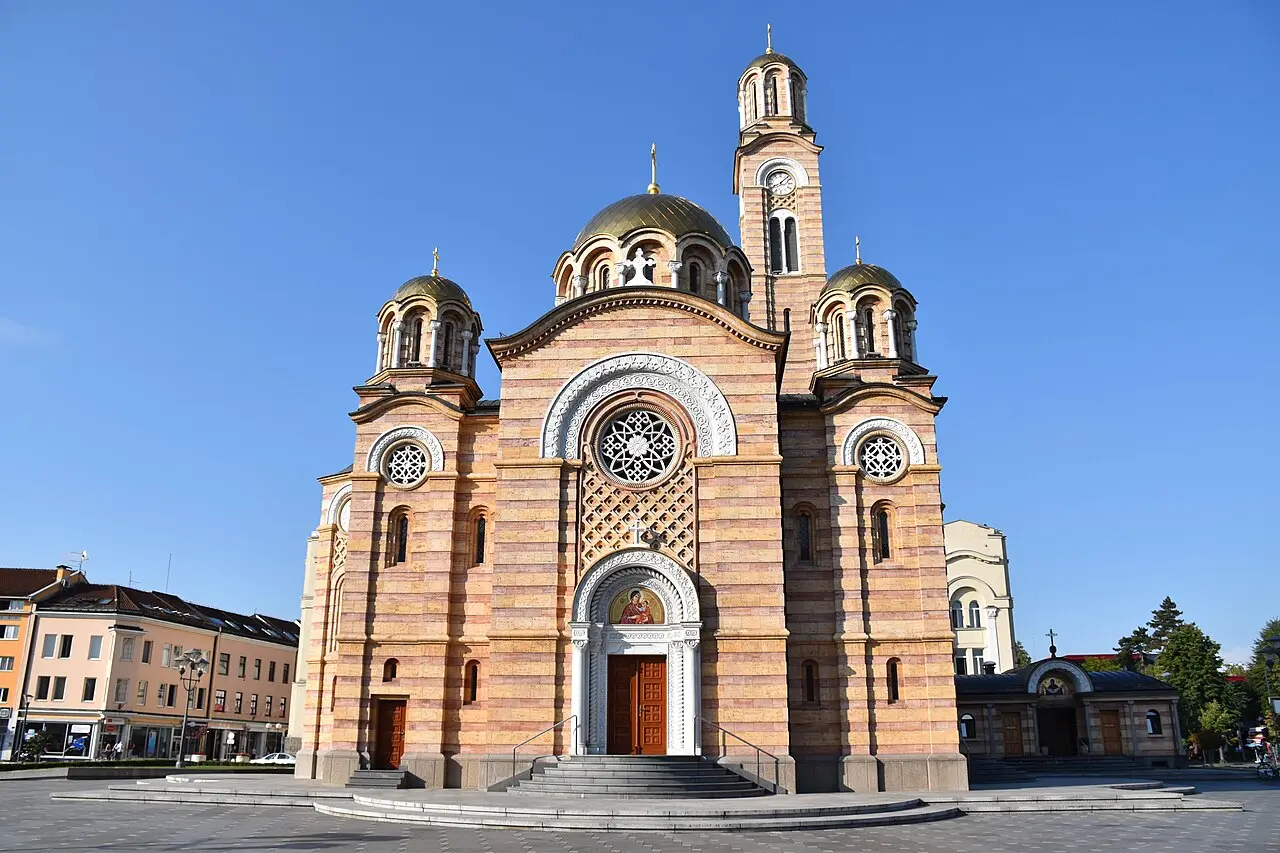
Gospodska opens onto Krajina Square (Trg Krajine), the civic heart of the city, edged by the grand interwar Banski Dvor - the “Ban’s Palace”, built in the 1930s as the seat of the governor of the Vrbas province and now a cultural centre with concerts and exhibitions - and the matching administration building beside it. A short walk away rises the Cathedral of Christ the Saviour (Hram Hrista Spasitelja), the Serbian Orthodox cathedral of warm ochre and honey-coloured stone, rebuilt after its predecessor was destroyed in the Second World War. Between the square, the cathedral and the fortress you have the whole centre inside a ten-minute walk.
The Vrbas: rafting, canyons and river cafes
The Vrbas is the reason a lot of active travellers come at all. It runs clear and green through the middle of the city, and a short way upstream it tightens into a proper canyon - the narrow Tijesno gorge and the longer Podmilačje stretch - that’s one of the better white-water runs in the region. This isn’t a marketing line: Banja Luka and the Vrbas hosted the World Rafting Championships in 2009 and again in 2022, so the operators are well drilled and the put-ins are geared for visitors. A guided half-day is easy to arrange in season, and it’s the single most Banja Luka thing you can do that does not involve coffee.
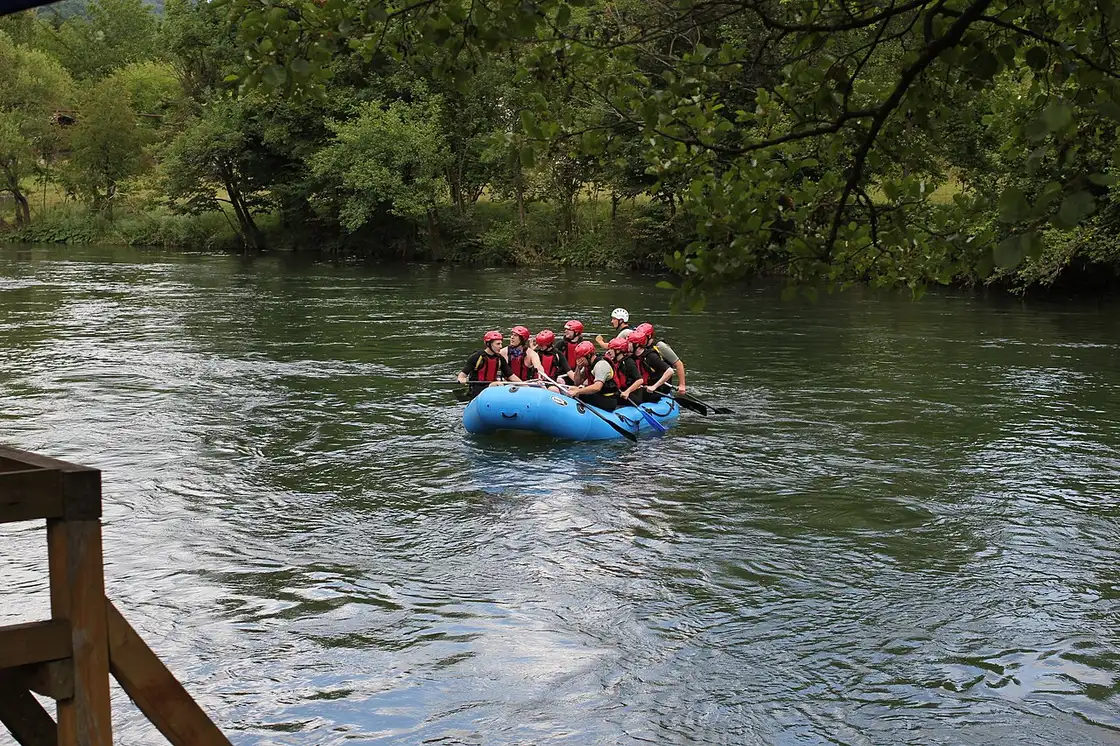
If you would rather take the river gently, the old spa quarter of Gornji Šeher (Srpske Toplice), a little upstream on the edge of town, has thermal springs and a run of riverside cafes where the city goes to cool off in summer. For the full picture of which Bosnian river suits which kind of day, and what a trip costs, see our guide to rafting in Bosnia, which covers the Vrbas alongside the Una and the Tara.
Trappist monastery and one of Bosnia’s oldest breweries
Here’s Banja Luka’s most unlikely claim to fame, and one almost no visitor knows. About 5 km from the centre stands the Marija Zvijezda monastery, also called Mariastern Abbey, founded when Trappist monks arrived here in 1869 under Abbot Franz Pfanner; at its height it was reckoned the largest Trappist abbey in the world. The monks needed to fund themselves, so in 1873 they built a brewery - and that brewery grew into today’s Banjalučka Pivara, the maker of Nektar beer and one of the oldest breweries in Bosnia and Herzegovina (and the oldest in Republika Srpska). The pint of local lager you order on Gospodska has, in other words, a monastic pedigree a century and a half deep.
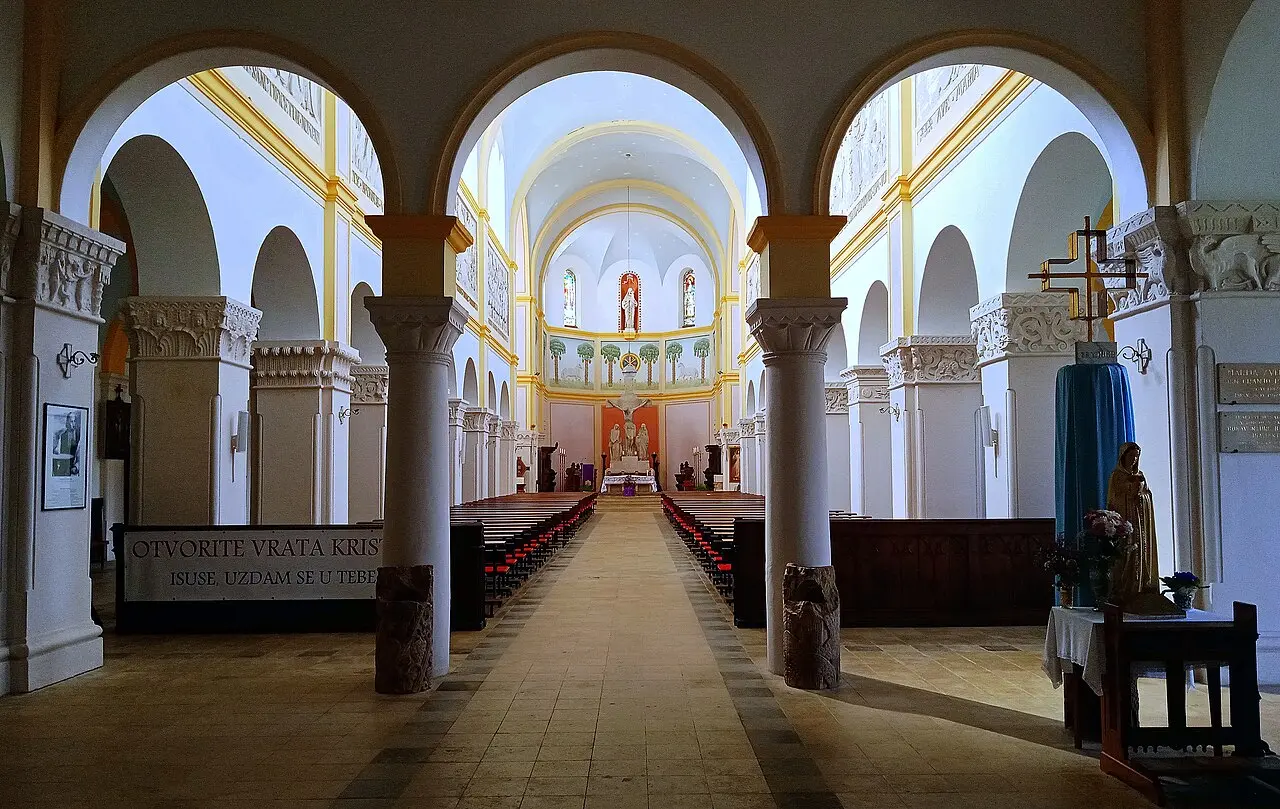
The same monks were long famous for their Trappist cheese, once exported across the old Yugoslavia, and while the great abbey is much reduced today, the church and grounds are still there to visit and the story is worth carrying with you to the bar afterwards. It’s the kind of local detail that turns a coffee-and-fortress city into somewhere you remember.
Around Banja Luka: Krupa waterfalls and the northwest
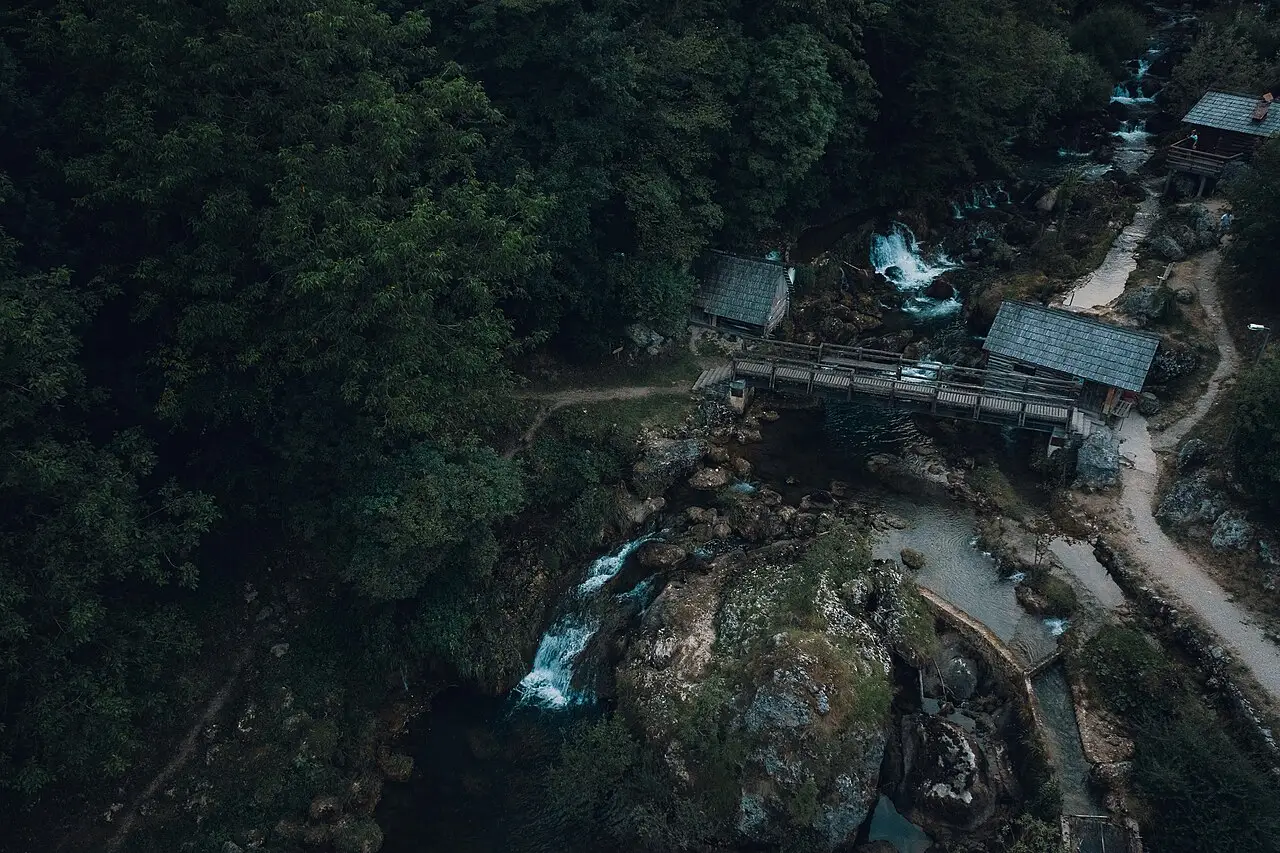
Give the city a full day and it earns a second one from what surrounds it. The nearest reward is Krupa na Vrbasu, about 25 km southeast, where the little Krupa river steps down a run of low cascades over a cluster of restored wooden watermills, with the St Ilija monastery and the ruined Greben fortress on the same protected-nature loop. It is a half-hour drive or a cheap local bus, and an easy, pretty morning.
Further out, Banja Luka is the natural launch pad for northwest Bosnia, which is far easier from here than from Sarajevo. The waterfall town of Jajce, where the Pliva drops through the middle of the streets under a medieval fortress, is about 80 km south; the emerald rivers and falls of Una National Park around Bihać lie to the west. Both make better day trips from Banja Luka than from the capital.
Getting there, and how long to stay
The honest logistical truth about Banja Luka is that it sits off the main Sarajevo-Mostar tourist line, up in the northwest corner of the country. The licensed coach run from Sarajevo is 236 km on the Ministry register and sells for 55 KM, about 4 hours 55 minutes on Centrotrans (main station to main station) - a real half-day either way; the scenic self-drive corridor via Travnik and Jajce is closer to 196 km / 3.5 hours of pure driving. Full options, fares and the missing train are in Sarajevo to Banja Luka. It’s actually closer to Zagreb (around 180 km) than to its own capital, which tells you how to think about it: this is a city to reach from Croatia, or on a northern loop, rather than a quick hop from Sarajevo.
That northwest position is also why the city has taken off lately. Banja Luka’s airport (BNX) out at Laktaši, about 24 km north, has become Ryanair’s Bosnian base, with seasonal budget routes to a scatter of European cities, plus Wizz Air and Air Serbia links; the Smiljic shuttle bus meets flights and runs into town in 30 to 45 minutes for around 10 KM. Timetables move with the season, so check the current map rather than last year’s.
Most people need only a night or two here. The centre is walkable in an afternoon, the fortress and the mosque are an easy morning, and the city earns its keep as a relaxed base more than as a sight in its own right. For where to sleep, from the walkable centre to the quieter riverside, our guide to where to stay in Banja Luka breaks down the areas and the airport question; for the Sarajevo hop see Sarajevo to Banja Luka, and for the wider network start with getting around Bosnia. Land, walk into the centre, order the coffee, and you’ll have the measure of the place by your second cup.
On the map
The map loads on click - to keep the page lightweight.
The map didn’t load. Check your connection and refresh the page.
Read also

Cities · 12 min read
Bihać City Guide: Your Base for Una National Park
Verified · July 23, 2026Bihac in northwest Bosnia: a Gothic church that became a mosque in 1592, the Captains Tower museum, the Una through town and the July regatta.

Cities · 9 min read
Konjic: Ottoman Bridge, Rafting & Cold War Secrets
Verified · July 21, 2026A guide to Konjic on the Neretva: the 1682 Ottoman bridge, upper-Neretva rafting, a secret Cold War bunker, a UNESCO woodcraft and Boračko Lake.

Cities · 10 min read
Travnik: Vizier Capital, Fortress & Painted Mosque
Verified · July 20, 2026Things to do in Travnik, Bosnia's old Ottoman vizier capital: the best-preserved fortress, the painted Sarena Dzamija over a bazaar, and Plava Voda.

Cities · 10 min read
Neum: Bosnia's Only Beach Town
Verified · July 9, 2026Bosnia's only stretch of coast: 20 km of Adriatic at Neum, pebble beaches and hotels at roughly half Croatian prices. What it's like and when to go.