Where to Stay in Banja Luka
Where to stay in Banja Luka: the walkable centre around Gospodska, the riverside, budget Borik, and getting in from the Ryanair airport at Laktaši.
Stay in the city centre, within a few minutes’ walk of Gospodska street. Banja Luka is compact, flat and easy to walk, so a central room puts the cafés, the fortress, the river and the bus station all within reach, and you won’t need transport once you’ve dropped your bag. That’s the short answer for almost everyone. The longer one depends on why you’re here: a lot of visitors now arrive on a cheap Ryanair flight and use the city as a first night in the Balkans or a base for the green northwest, and for them the choice comes down to the centre, the quieter riverside, or a budget bed a little further out.
The short version
- First time, one or two nights: the city centre, around Gospodska and Krajina Square. Everything’s on foot.
- You want quiet and a view: the streets near Kastel fortress and the Vrbas, still central but calmer at night.
- Watching the budget, or travelling as a family: Borik or the outer districts, cheaper and well connected by bus.
- Early Ryanair flight out: consider a spa hotel near the airport at Laktaši for the last night, and nowhere else.
Banja Luka is the second city of Bosnia and the capital of the Republika Srpska entity, so it’s Orthodox in character, uses the convertible mark (KM) like the rest of the country, and leans more Serbian than the Ottoman-flavoured towns to the south. It’s pleasant rather than a bucket-list stop, which is exactly why the walkable centre is worth prioritising: you’re here for the café-lined streets and the river, and you want them on your doorstep.
Getting in from the airport
The Ryanair effect is real. Banja Luka’s airport (BNX), out by Laktaši about 24 km north of the centre, has become the airline’s Bosnian base, with seasonal routes to cities such as Vienna, Stockholm, Gothenburg, Memmingen and Karlsruhe, plus Wizz Air and Air Serbia links. Schedules shift by season, so check the current timetable rather than trusting last year’s map.
A shuttle bus run by Smiljic meets scheduled flights and runs into town in about 30 to 45 minutes for roughly 10 KM, ending at the Old and Main bus station; it’s timed to arrivals, so it’s the cheap default if your flight lands at a civil hour. For late or early Ryanair slots, or if you’re jet-lagged and don’t fancy waiting, a pre-booked transfer or a taxi takes the guesswork out of it. Either way, aim to land with some KM in cash, because euros are not reliably accepted here and the bus and taxis want local notes. Where the airport sits relative to your hotel matters less than you’d think, since the whole city is small; pick your area on its own merits and sort the transfer separately.
The city centre: where most people should stay
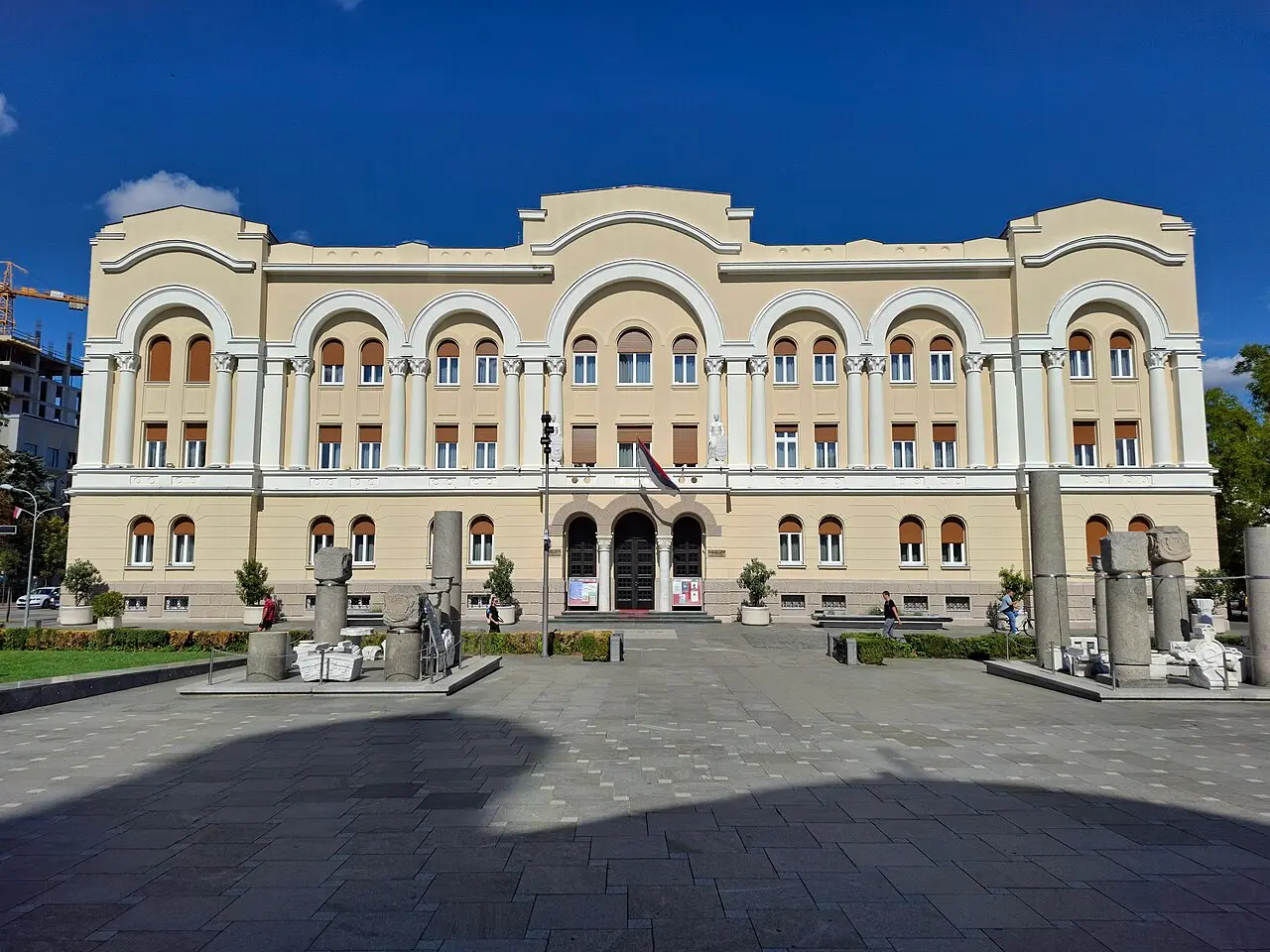
The heart of Banja Luka is its pedestrian spine, Gospodska street (officially Veselin Masleša), a run of cafés, shops and the old Boska department store that empties out into Krajina Square. Base yourself anywhere in these few blocks and you’re a short stroll from the grand interwar Banski Dvor cultural centre, the golden Cathedral of Christ the Saviour, and the riverside fortress. This is the area with the most hotels across every price point, from the central Hotel Bosna a hundred metres off the main square to the four-star Courtyard by Marriott, and it’s where the city’s famously heavy café culture actually happens.
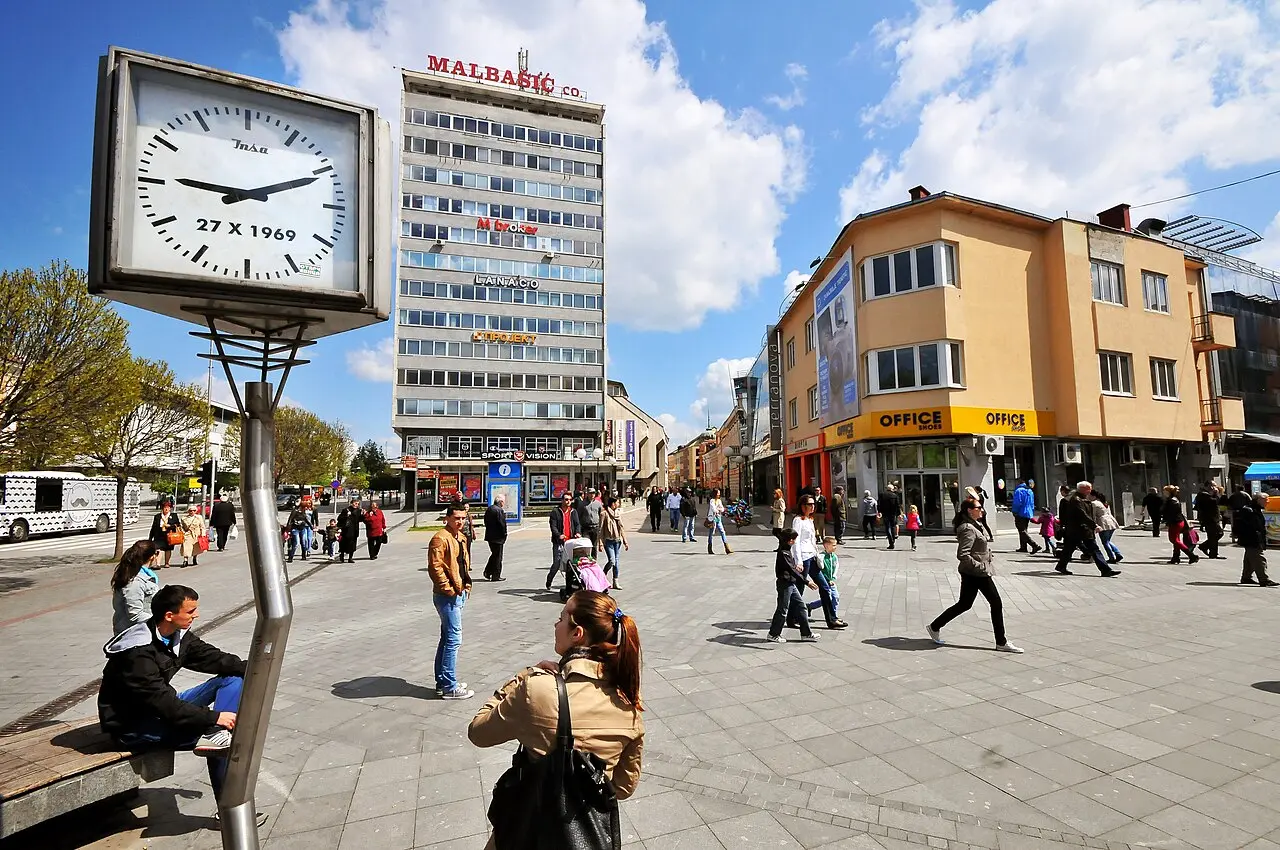
The trade-off is the same as any city centre: the streets around the bars can stay lively late, and Banja Luka’s student and coffee-drinking population keeps the terraces full into the night. If you’re a light sleeper, ask for a room off the main drag rather than over it. For the same money you get a location that means you never think about buses, which on a one or two night stop is worth more than a marginally cheaper room out in a suburb.
By the fortress and the river: the quiet central pick
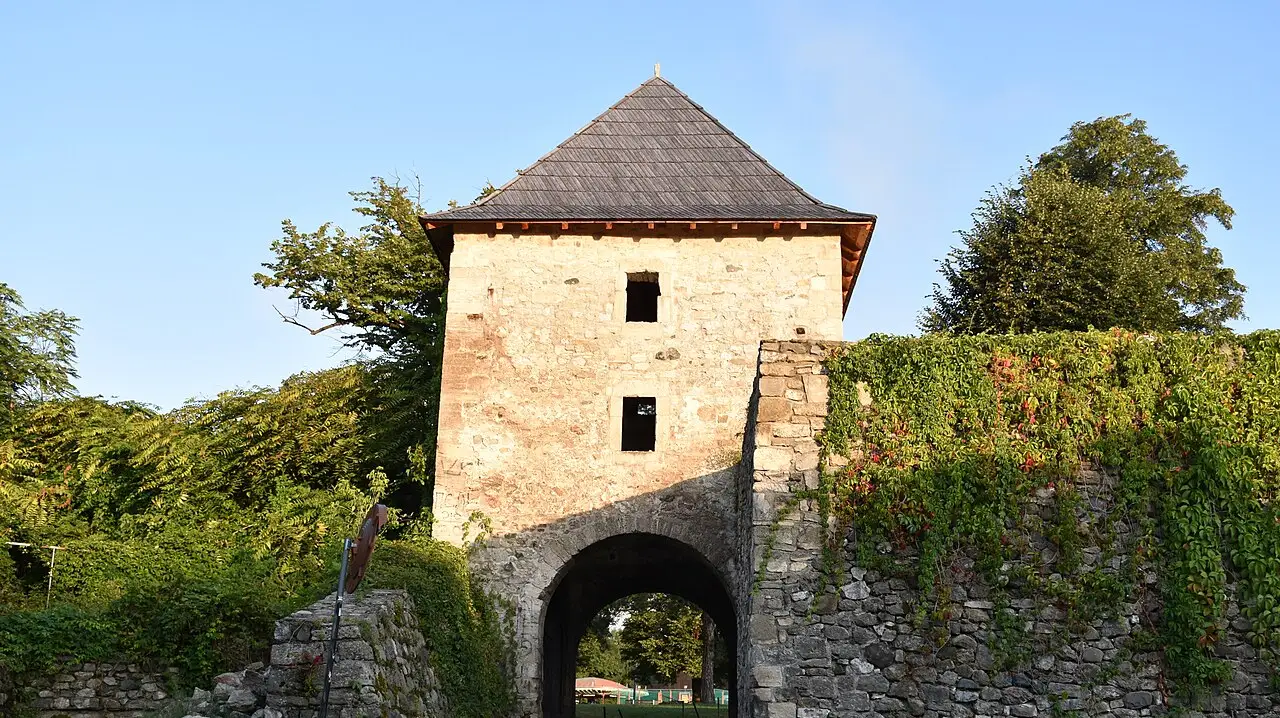
If you want the central location without the late-night noise, look at the streets around Kastel fortress and the Vrbas. The fortress itself is the city’s oldest monument, a Roman-founded, much-rebuilt complex of bastions and lawns right on the water, and it’s a fine place for a morning walk before the day warms up. The riverbanks nearby are greener and calmer than the café blocks, yet still an easy ten-minute walk from Gospodska, which makes this a smart compromise for couples and anyone who values sleep.
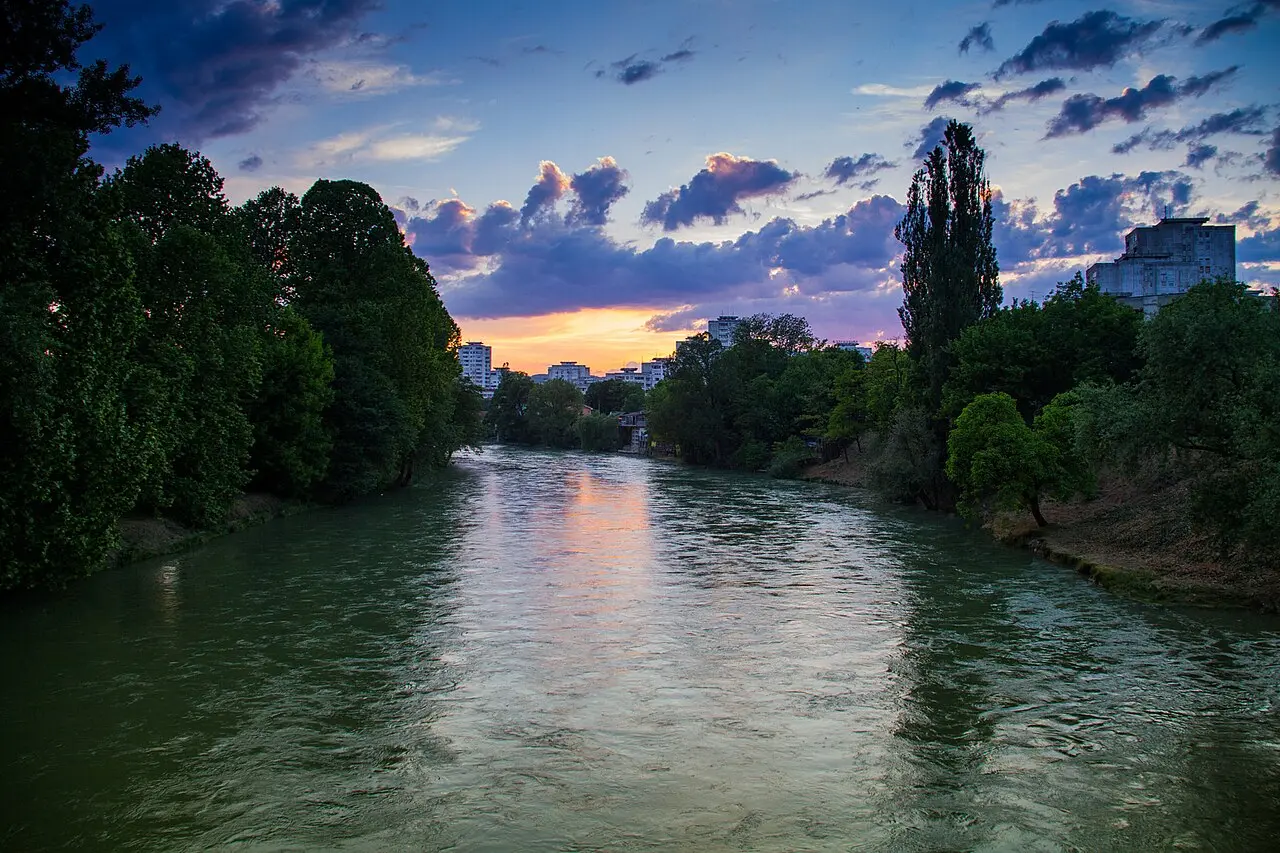
The Vrbas is also the reason a lot of active travellers come at all: upstream it tightens into a canyon that’s one of the better rafting and kayaking runs in the region. If that’s your plan, a riverside base makes the logistics easier, and the old spa quarter of Gornji Šeher a little further up the valley is the atmospheric, slightly out-of-the-centre option for a night.
Borik and the outer districts: the budget choice
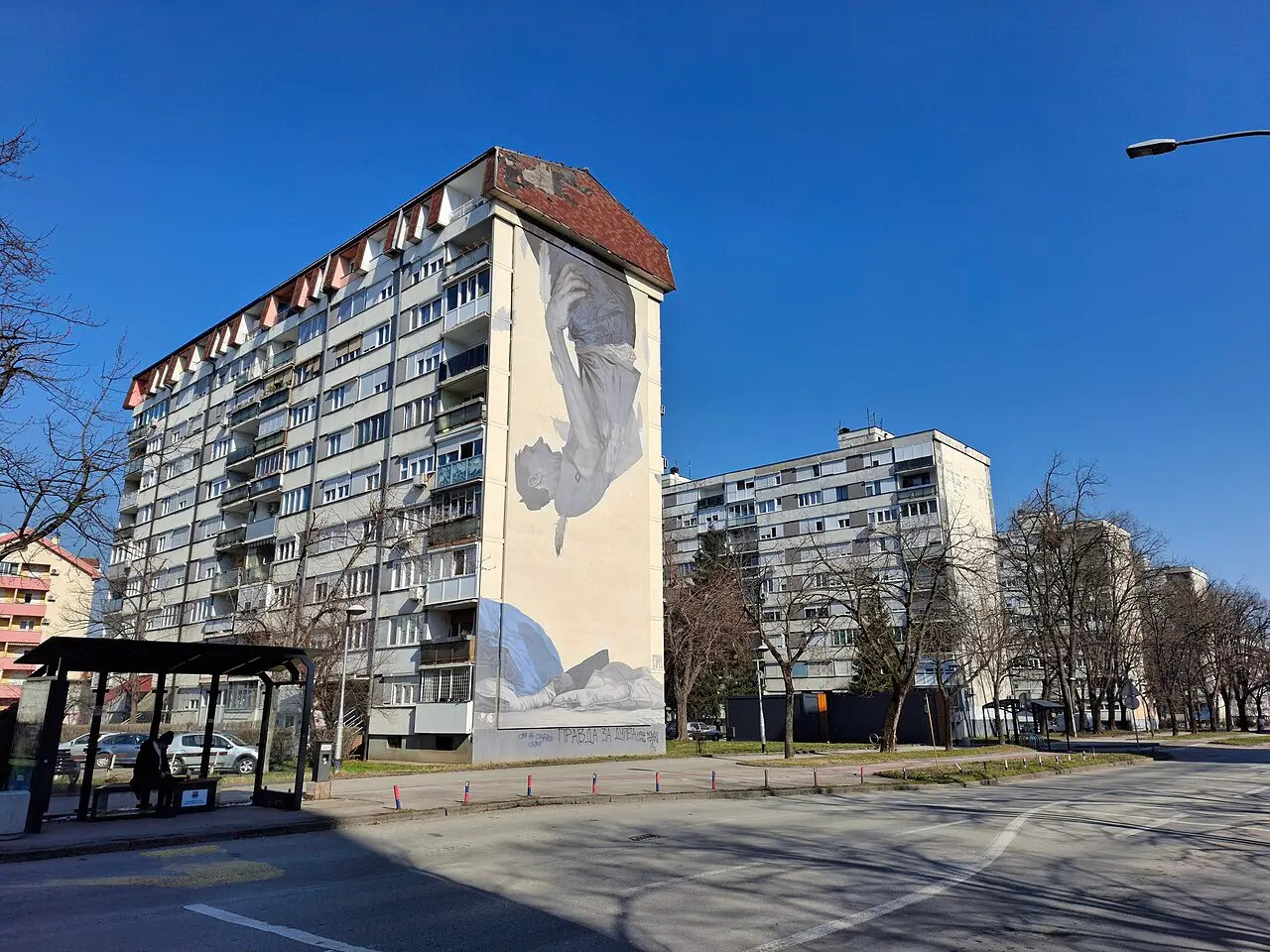
For a cheaper bed, or more room if you’re travelling as a family, look at Borik, the tower-block neighbourhood laid out after the 1969 earthquake and now brightened up with murals across its facades. It sits a short bus ride or a longish walk from the centre, has parks and the city’s main sports hall, and its apartments and small hotels tend to undercut the central rates. The districts of Petrićevac and Aleksandrovac work the same way: further out, cheaper, and fine so long as you’re happy to use the buses, which are frequent and cost very little.
Be honest with yourself about the trade. On a single night you’ll save a little and spend it on taxis or waiting for buses; the maths only really favours the outskirts if you’re staying several nights, self-catering, or arriving with a car. And a car changes the picture anyway, since Banja Luka is a natural base for the northwest and you’ll want to be able to park.
Prices and how long to stay
Banja Luka is one of the cheaper city stays in the country. As a rough guide at the time of writing, budget apartments and hostels sit around 40 to 70 KM (roughly 20 to 35 euros) a night, comfortable three-star doubles around 100 to 140 KM, and the top four and five-star hotels climb toward 250 to 300 KM; confirm current rates when you book, as they move with the season and the flight schedule. Cards work in hotels, but keep KM for buses, taxis and smaller places.
Most people need only a night or two here. The centre is walkable in an afternoon, and the city earns its keep more as a comfortable base than as a sight in itself, though our guide to things to do in Banja Luka makes the case for the fortress, the Ferhadija and the Vrbas. The nearest reward is the Krupa na Vrbasu waterfalls, a run of low cascades over old wooden mills about 25 km southeast, reachable in half an hour by car or on a 3.5 KM local bus, with a monastery and a ruined fortress on the same loop. With a full day, the waterfall town of Jajce is about 80 km south, and the emerald rivers of Una National Park around Bihać are within reach to the west, both far better as day trips from here than from Sarajevo. For the wider question of which town to anchor a whole Bosnia trip in, see where to stay in Bosnia. Coming up from the capital, Sarajevo to Banja Luka covers the bus, the (not running) train and the Vrbas canyon drive; for the wider network start with getting around Bosnia. Land, walk into the centre, and you’ll have the measure of the place by your second coffee.
Photos
Read also

Before you go · 10 min read
Where to Stay in Medjugorje: Pansions & Hotels
Updated · August 25, 2026Where to stay in Medjugorje: guesthouses near St James Church, pilgrim hotels, peak dates, and whether to sleep here or day-trip from Mostar.

Before you go · 9 min read
Where to Stay in Jajce: Hotels by the Waterfall
Updated · August 23, 2026Where to stay in Jajce: old-town hotels steps from the Pliva Waterfall, lakeside rooms by the watermills, and which base suits a one-night stop.

Before you go · 11 min read
Mostar or Trebinje: Which Herzegovina Base?
Verified · August 18, 2026Mostar or Trebinje as a Herzegovina base: crowds, hotel prices, summer heat, Dubrovnik access and wine - pick the nights that fit your trip.

Before you go · 7 min read
Cash, Cards and Tipping Across the Balkans in 2026
Verified · August 15, 2026Twelve currencies, three of them the euro, and two pegged to it. What is fixed, what is a habit, and where you still need notes in your pocket.