Travnik: Vizier Capital, Fortress & Painted Mosque
Things to do in Travnik, Bosnia's old Ottoman vizier capital: the best-preserved fortress, the painted Sarena Dzamija over a bazaar, and Plava Voda.
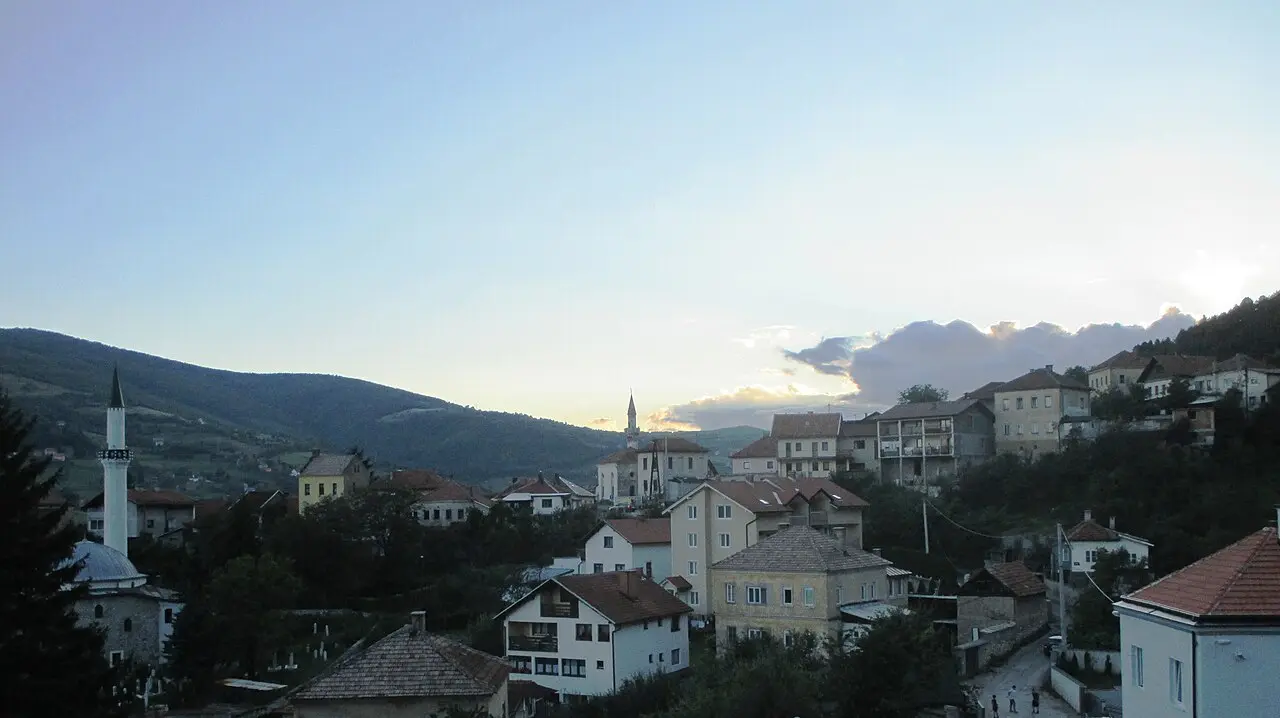
Travnik is the small central-Bosnian town that once ran the whole country. For 150 years it was the seat of the Ottoman viziers who governed Bosnia, and it still wears that history: a hilltop castle that’s the best-preserved in the country, a mosque with a painted facade and a covered bazaar tucked underneath it, and a cold spring called Plava Voda where the whole town goes to sit by the water. It’s also the birthplace of Bosnia’s only Nobel laureate. You can see the heart of it in a focused half-day, which is exactly why most people pair it with the waterfall town of Jajce up the road and make one strong day out of the two.
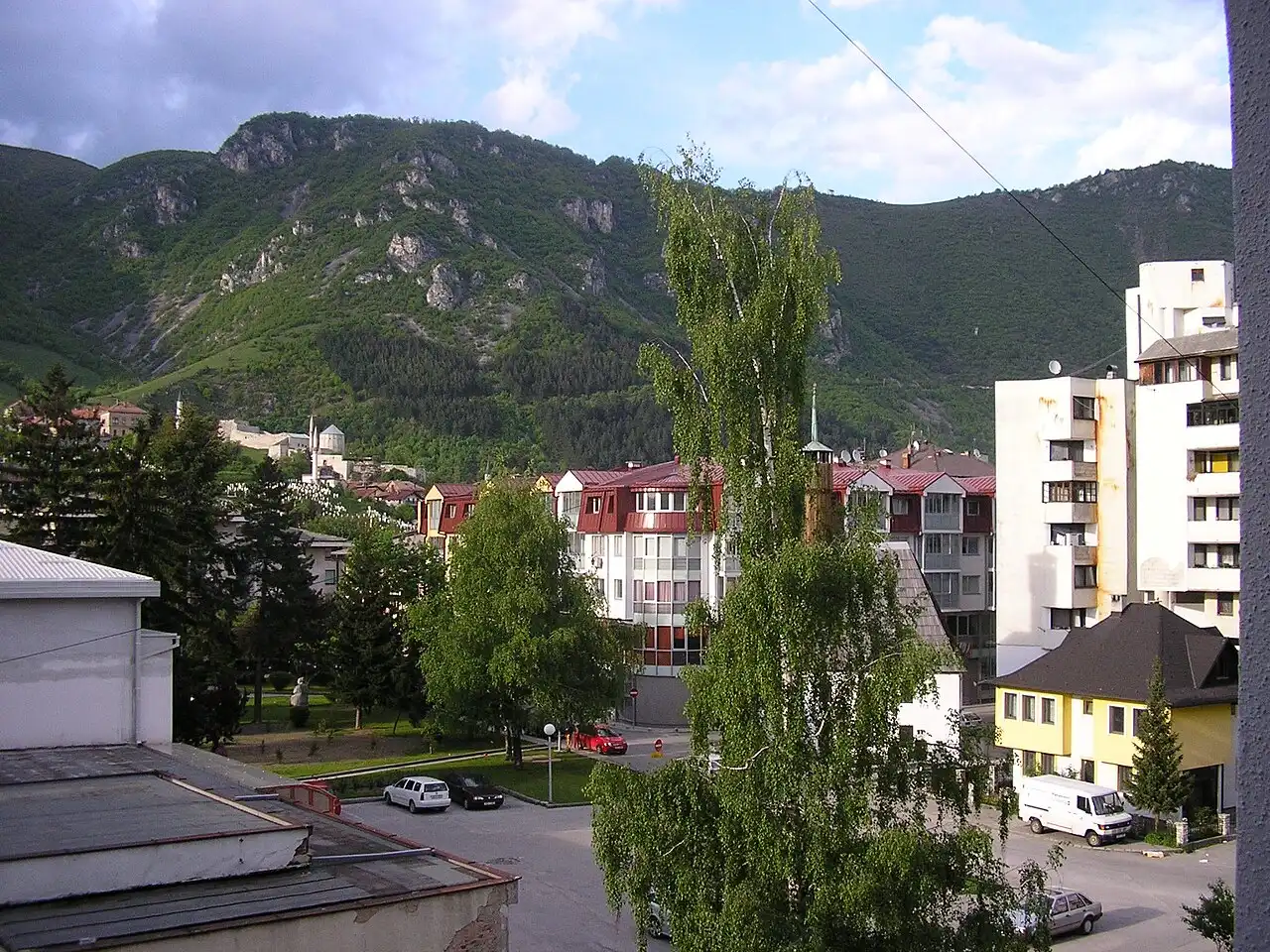
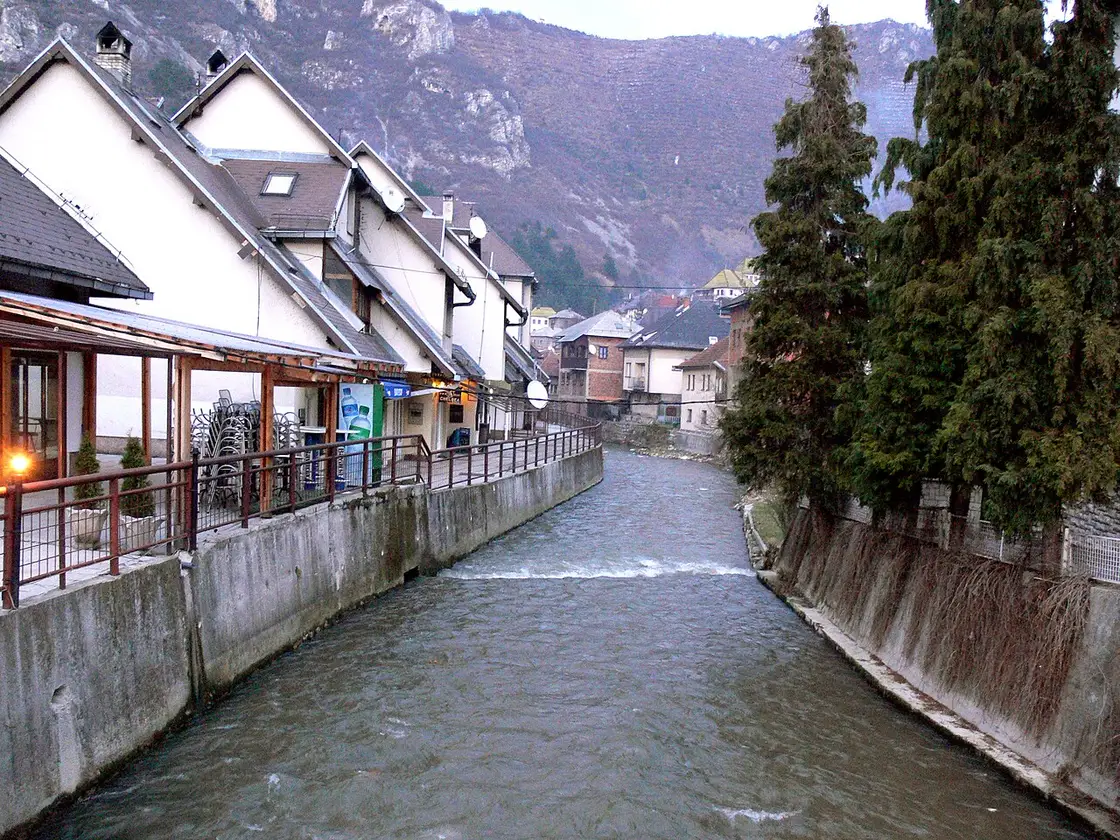
The setting alone earns the drive. Travnik is wedged into a steep green valley on the Lašva river, under the bulk of Mount Vlašić, so the town climbs the slopes in tiers of red roofs and slim minarets. It’s compact and walkable, cash runs on the convertible mark (KM), and the whole place carries the air of somewhere that used to matter far more than its size suggests - which, for a century and a half, it did.
The town that governed Bosnia
Start with the thing that makes Travnik unusual. From 1699 to 1850 it was the capital of the Bosnian Eyalet, the Ottoman province, and the viziers who ruled Bosnia held court here rather than in Sarajevo - some seventy-seven of them across those years. The old sources called it the “European Istanbul”, and for a small mountain town that is a startling boast to have earned. In 1850 the Ottomans moved the seat back to Sarajevo, and Travnik quietly shrank into the provincial town it’s now, which is why so much of its grand past survives unspoiled.
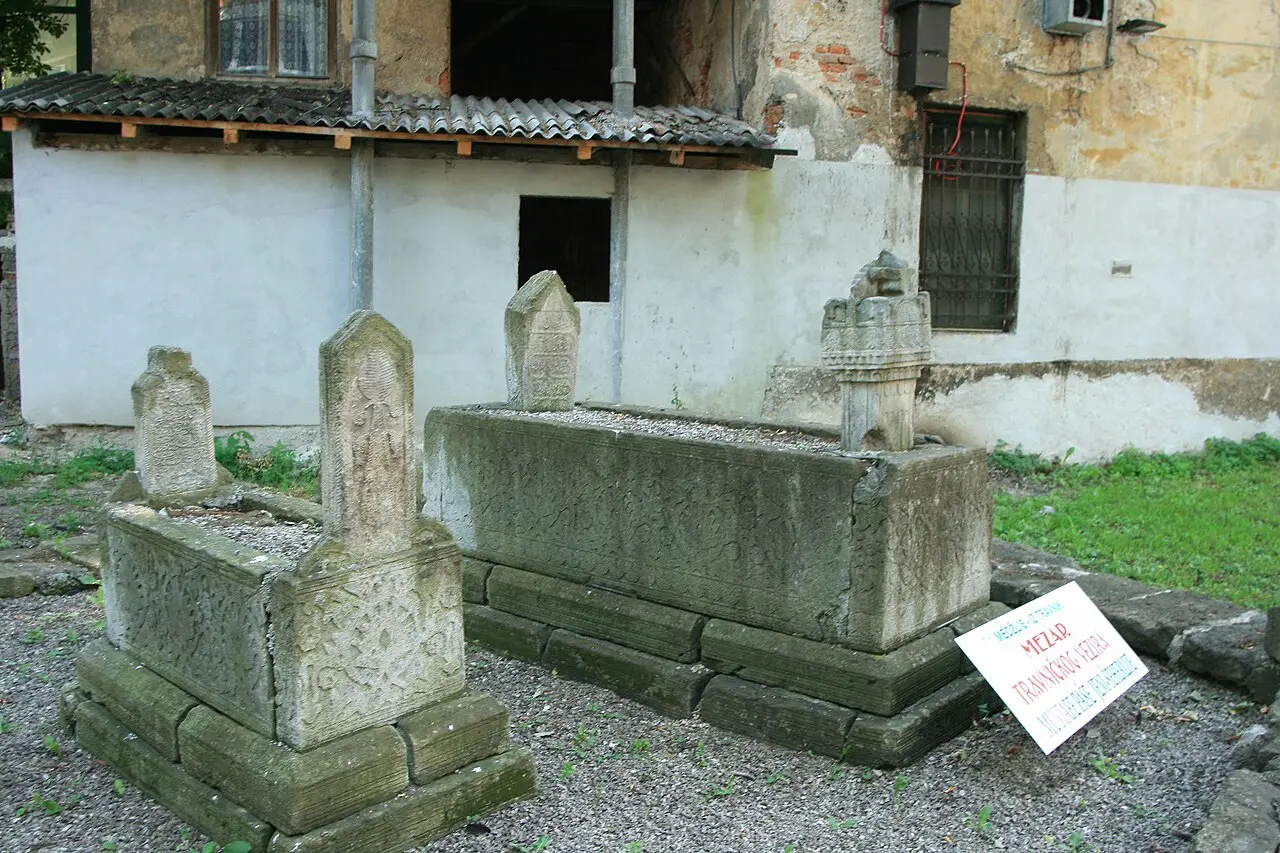
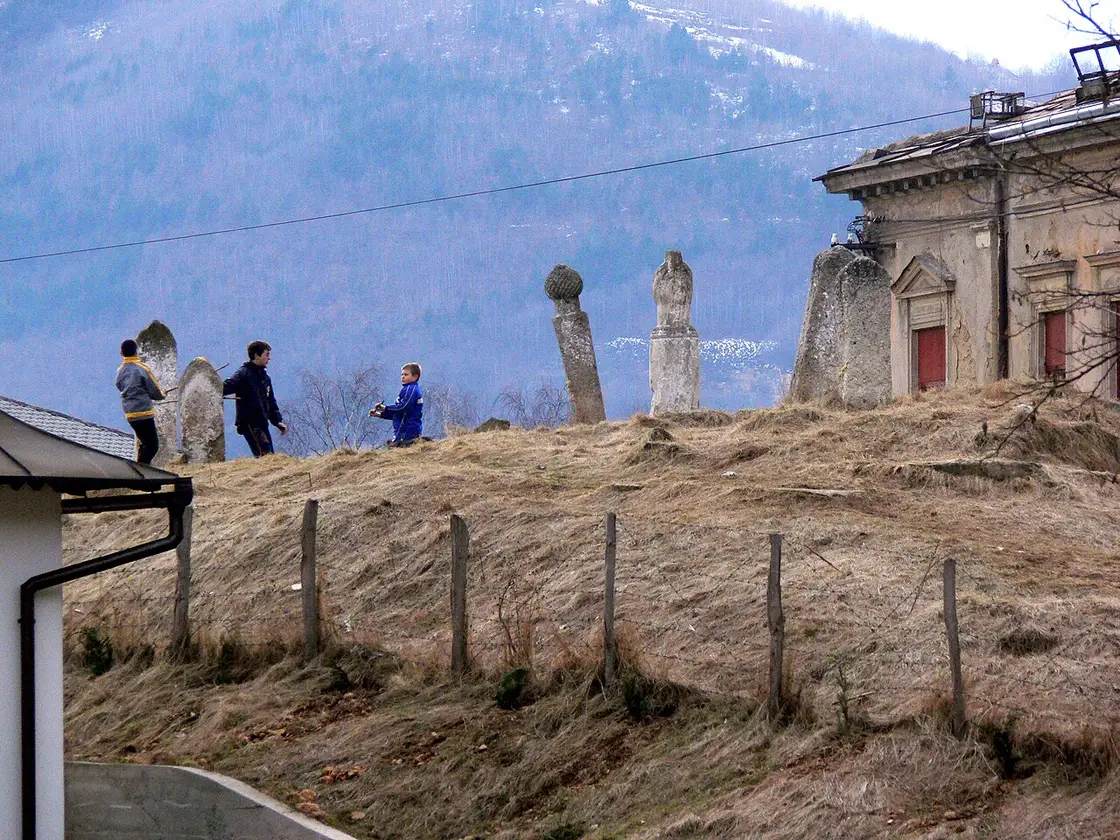
You still trip over that history in the streets. Scattered through the old town are the turbe and carved sarcophagi of the viziers and their families, some marked with a plain sign, some just sitting behind a fence beside an ordinary house. This was also the world the writer Ivo Andrić put on the page: his novel Bosnian Chronicle is set in Travnik during the Napoleonic years, when French and Austrian consuls were posted to the vizier’s court and spent their days intriguing against each other in a town that felt like the edge of the earth.
The fortress: the best-preserved castle in Bosnia
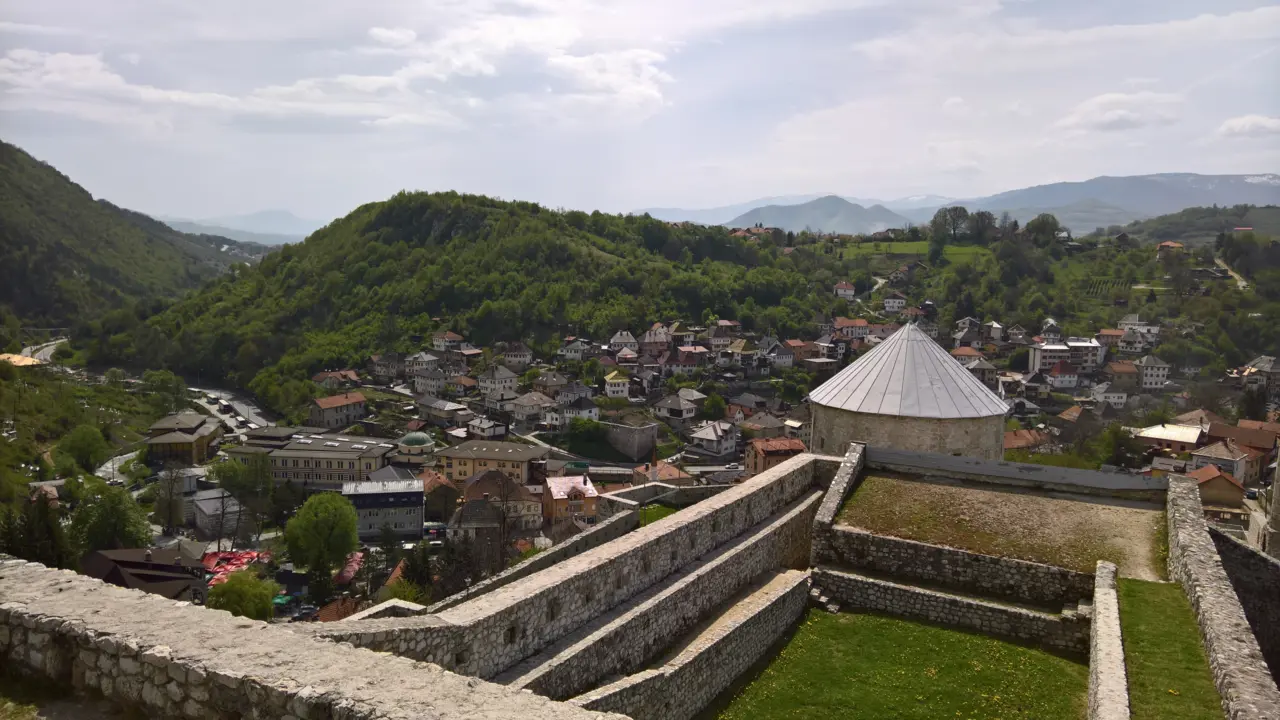
Above the town stands the Stari Grad, the old fortress, and it predates the viziers by centuries: it was built in the second half of the 14th or the first half of the 15th century, before the Ottomans took Bosnia in 1463. What makes it worth the climb is its condition - it is reckoned the best-preserved medieval castle in the country, a national monument since 2005, with its walls, bastions and a distinctive round tower all still standing. Inside there’s a small museum with an ethnographic display, and the ticket is a couple of marks in cash.
The real payoff is the walk up and the view from the top. The fortress sits on a spur right over the town, so from the ramparts the whole of Travnik falls away beneath you - the roofs, the minarets, the river threading the valley, and the mountains closing it in. Give yourself the short, steep climb; it’s the single best way to read how the town is stitched into its gorge.
Šarena Džamija, the Painted Mosque
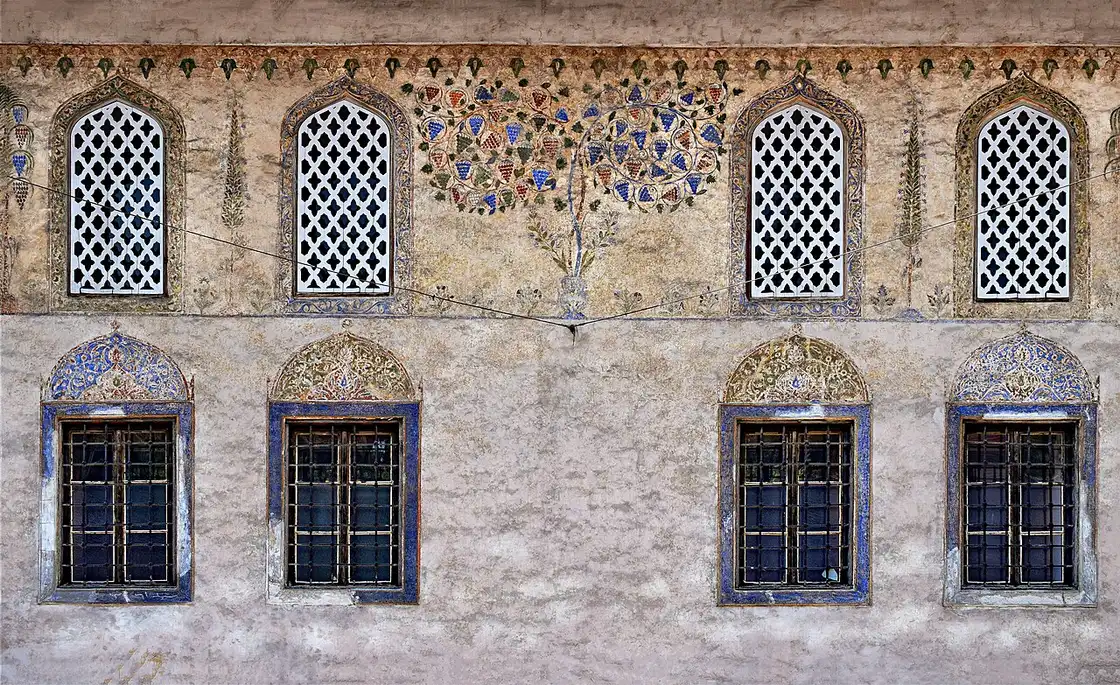
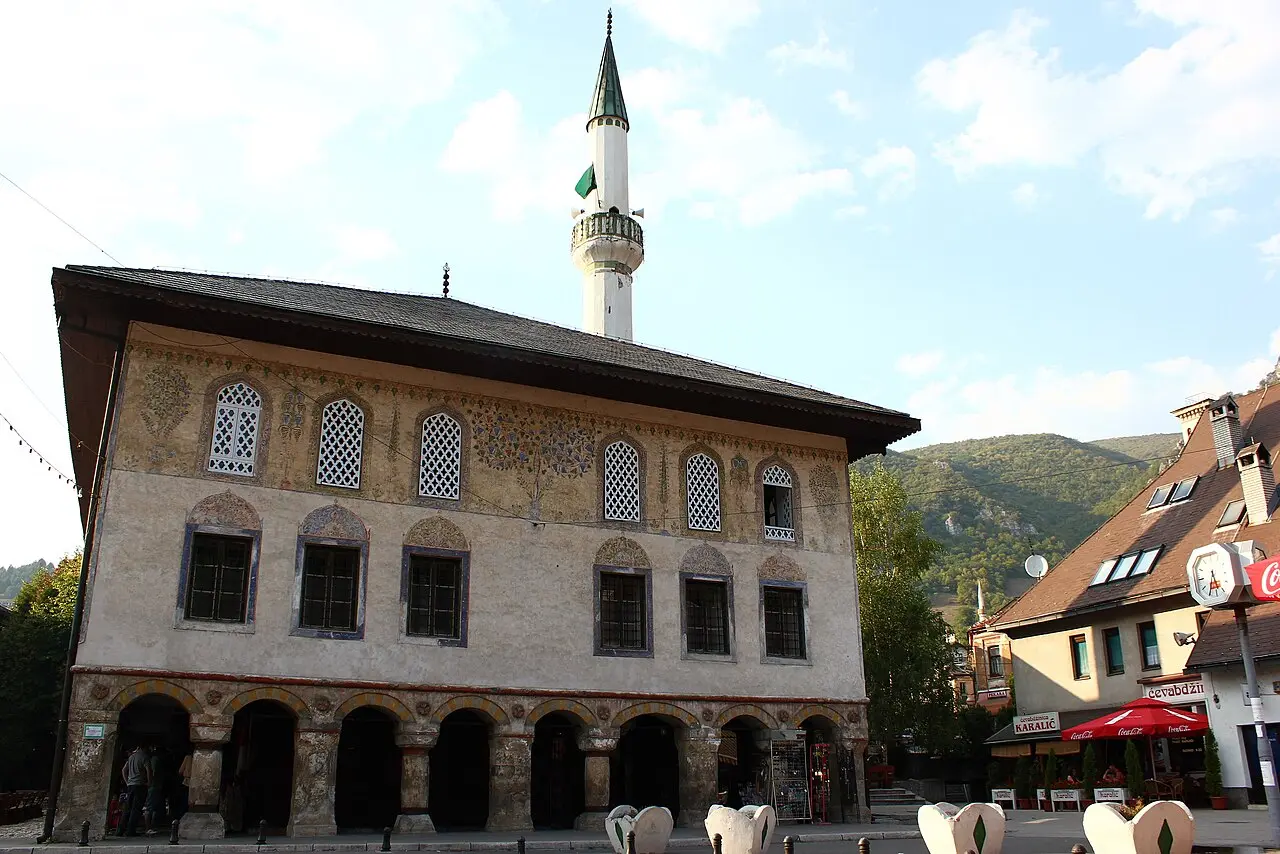
Down in the centre is Travnik’s oddest and most charming building, the Šarena Džamija - the “Many-Coloured” or Painted Mosque. It was built in 1757 on the site of an older mosque, and after a fire it was rebuilt in the early 19th century in the form you see now, its outer walls covered in delicate painted floral and plant motifs in faded blues, greens and reds. Painted decoration like this on the outside of a mosque is rare anywhere in the Balkans, and worth a slow look up close.
Here’s the detail almost everyone walks past without clocking. The prayer hall is on the first floor, and the whole ground floor underneath it was built in 1757 as a bezistan - a covered market of ten little shops set into the arches. It’s one of very few mosques in Bosnia built this way, with a working bazaar beneath the prayer room, and the shops are still there, selling souvenirs and odds and ends under the feet of the faithful. Stand on the plaza in front and you can take in both at once: the painted upper storey, and the arcade of traders below it.
Plava Voda: where the town sits by the water
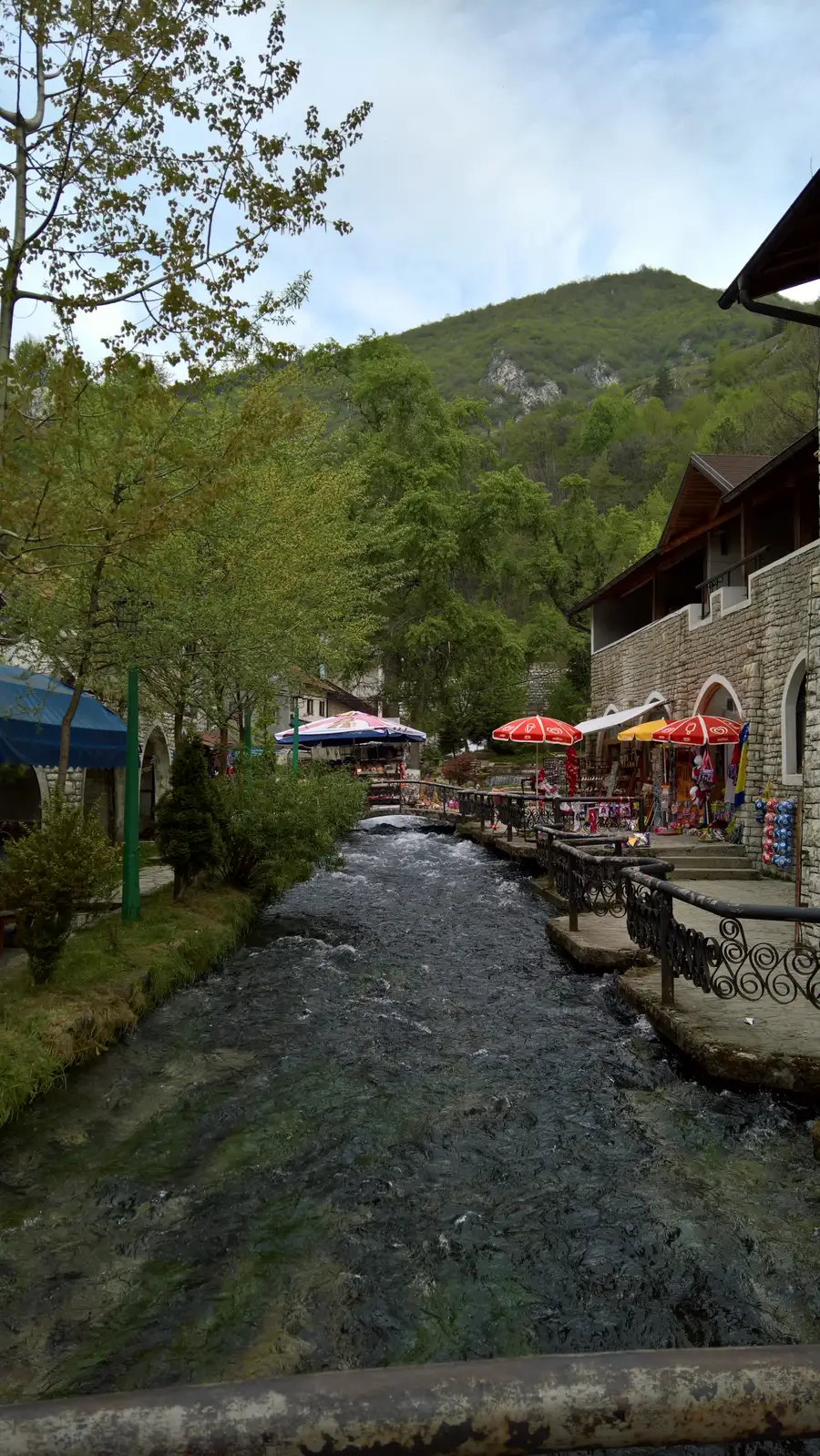
A few minutes east of the mosque, at the foot of the fortress hill, a cold mountain spring surfaces in the middle of town and gives Travnik its prettiest corner: Plava Voda, the “Blue Water”. The clear stream runs fast between stone walls, crossed by a run of little wooden footbridges, and its banks are lined with cafes and grill houses. This is where locals and visitors alike come to sit with a coffee or a plate of grilled trout, and on a hot day the rush of cold water keeps the whole spot a few degrees cooler than the streets.
The old town, Ivo Andrić and a sundial
The Stari Grad quarter that spreads below the fortress is the town at its most Ottoman: old timber-framed houses, the clock tower (sahat kula), leafy mahalas of the kind Andrić grew up in, and what locals proudly call the only sundial in Bosnia. It’s a place to wander without a plan, and it rewards it.
Travnik’s most famous son is Ivo Andrić, born here in 1892 and the only writer from the former Yugoslavia to win the Nobel Prize in Literature, which he took in 1961. His birth house in the old town is now a small museum, and reading Bosnian Chronicle before you come turns the streets into a stage set - the consuls, the viziers and the townsfolk of his pages walked exactly these lanes.
What to eat
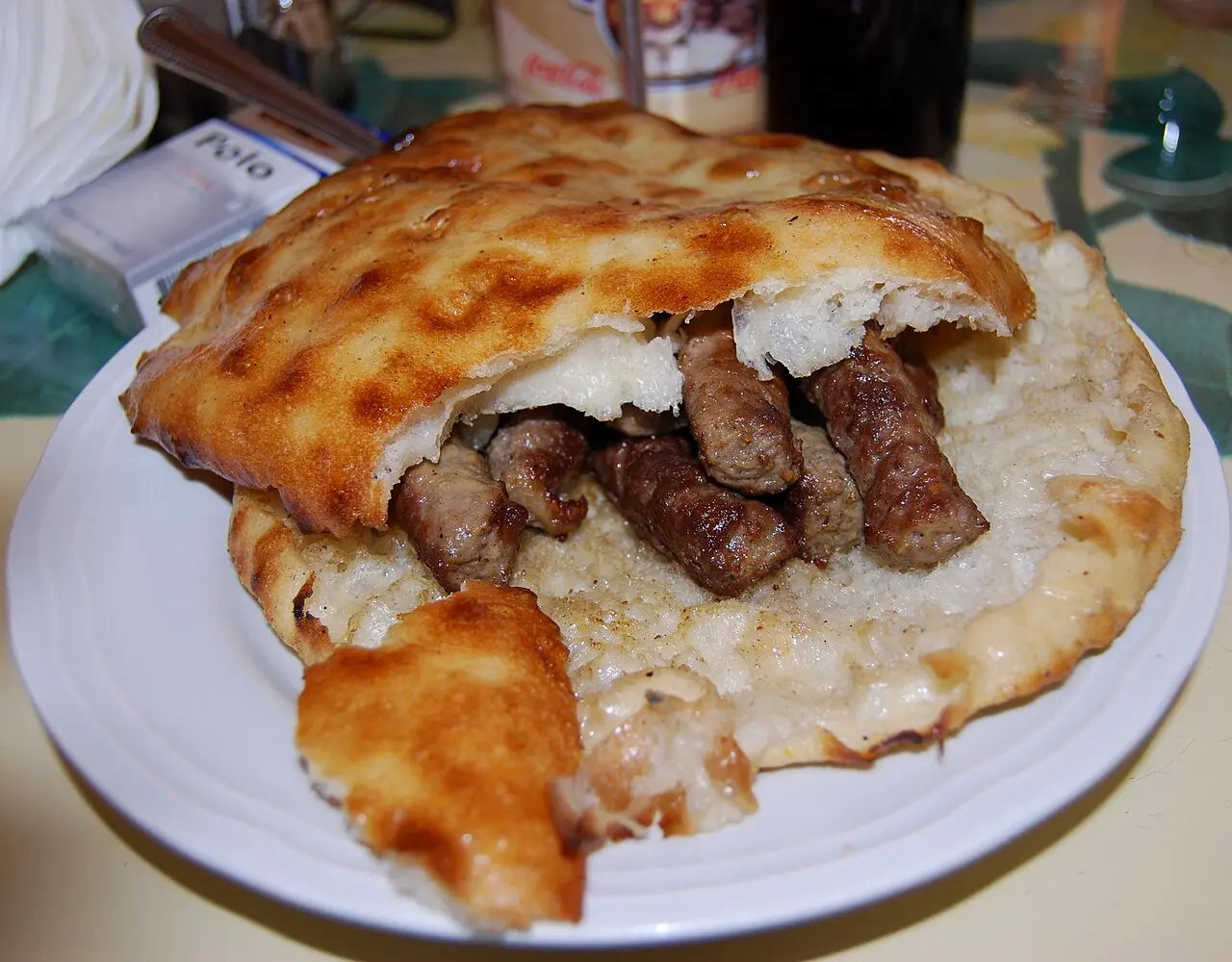
Travnik takes its food seriously, and two things are worth going out of your way for. The first is ćevapi, the grilled minced-meat fingers served in fresh somun bread that are a Bosnian staple everywhere but done particularly well here - the grill houses along Plava Voda are the obvious place. The second is Travnik cheese (travnički sir), the tangy white sheep’s cheese from the pastures of Mount Vlašić that’s one of the country’s most famous, sold in the market and served in the restaurants. Between a plate of ćevapi by the water and a wedge of Vlašić cheese, you’ll eat well for very little.
Getting there, and pairing it with Jajce
Travnik sits about 90 km northwest of Sarajevo, roughly an hour and a half by car, about two by bus, on the main road toward Banja Luka; buses run through the day, so it’s easy enough without a car. The fortress, mosque and Plava Voda are all within a short walk of each other, and a half-day covers them comfortably.
The move almost everyone makes, though, is to keep driving. Another hour northwest brings you to Jajce, where the Pliva river drops a roughly 22-metre waterfall straight through the middle of the town under its own medieval fortress - and Travnik and Jajce together make the best full day out from Sarajevo, a run of castle, painted mosque, spring and waterfall that our guide to the best day trips from Sarajevo ranks as the strongest of the lot. Chaining the two is much easier with your own car, since you would otherwise be stitching together two bus legs - though it can be done, and our Sarajevo to Travnik and Jajce guide lays out exactly which departures connect and how long the day runs; if you’re touring the north, both towns also fall on the northern leg of our 10-day Bosnia road trip. For the buses, trains and roads that connect it all, start with getting around Bosnia. Come for the fortress and the painted mosque, stay for a plate of ćevapi by the cold water, and Travnik will give you more history per step than almost anywhere in the country.
On the map
The map loads on click - to keep the page lightweight.
The map didn’t load. Check your connection and refresh the page.
Read also

Cities · 12 min read
Bihać City Guide: Your Base for Una National Park
Verified · July 23, 2026Bihac in northwest Bosnia: a Gothic church that became a mosque in 1592, the Captains Tower museum, the Una through town and the July regatta.

Cities · 9 min read
Konjic: Ottoman Bridge, Rafting & Cold War Secrets
Verified · July 21, 2026A guide to Konjic on the Neretva: the 1682 Ottoman bridge, upper-Neretva rafting, a secret Cold War bunker, a UNESCO woodcraft and Boračko Lake.

Cities · 12 min read
Things to Do in Banja Luka: Bosnia's Second City
Verified · August 9, 2026Things to do in Banja Luka: Kastel fortress on the Vrbas, the rebuilt Ferhadija mosque, cafe-lined Gospodska and the city's Trappist beer heritage.

Cities · 10 min read
Neum: Bosnia's Only Beach Town
Verified · July 9, 2026Bosnia's only stretch of coast: 20 km of Adriatic at Neum, pebble beaches and hotels at roughly half Croatian prices. What it's like and when to go.