Konjic: Ottoman Bridge, Rafting & Cold War Secrets
A guide to Konjic on the Neretva: the 1682 Ottoman bridge, upper-Neretva rafting, a secret Cold War bunker, a UNESCO woodcraft and Boračko Lake.
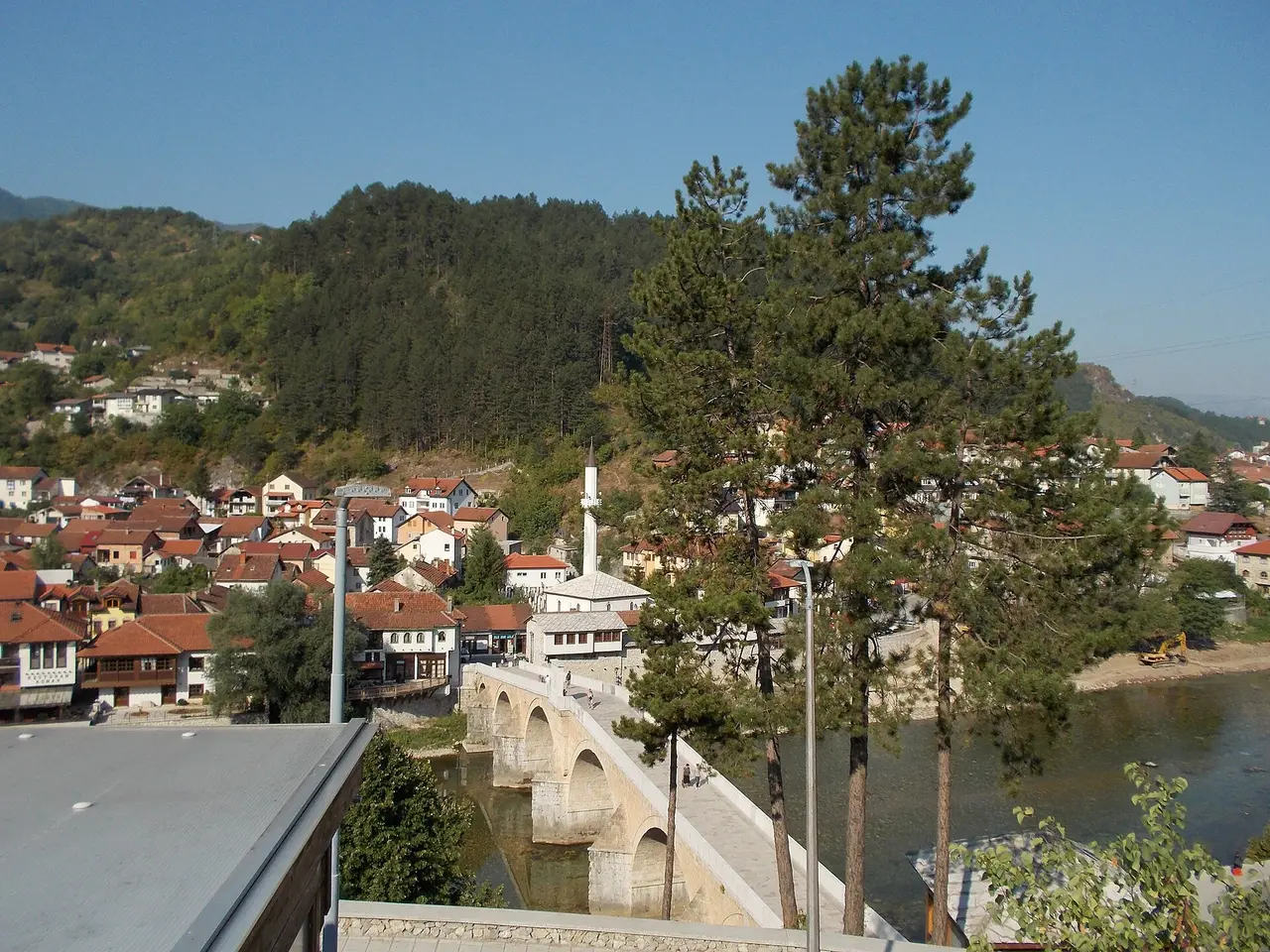
Konjic is a small town on the emerald Neretva about an hour south of Sarajevo, and it punches well above its size on the strength of three very different draws: a rebuilt 17th-century Ottoman bridge, some of the best whitewater rafting in the country, and a secret nuclear bunker Tito built to ride out an atomic war. It’s also the obvious halfway stop between Sarajevo and Mostar, which is how most people first end up here - a coffee by the river that turns into a proper detour.
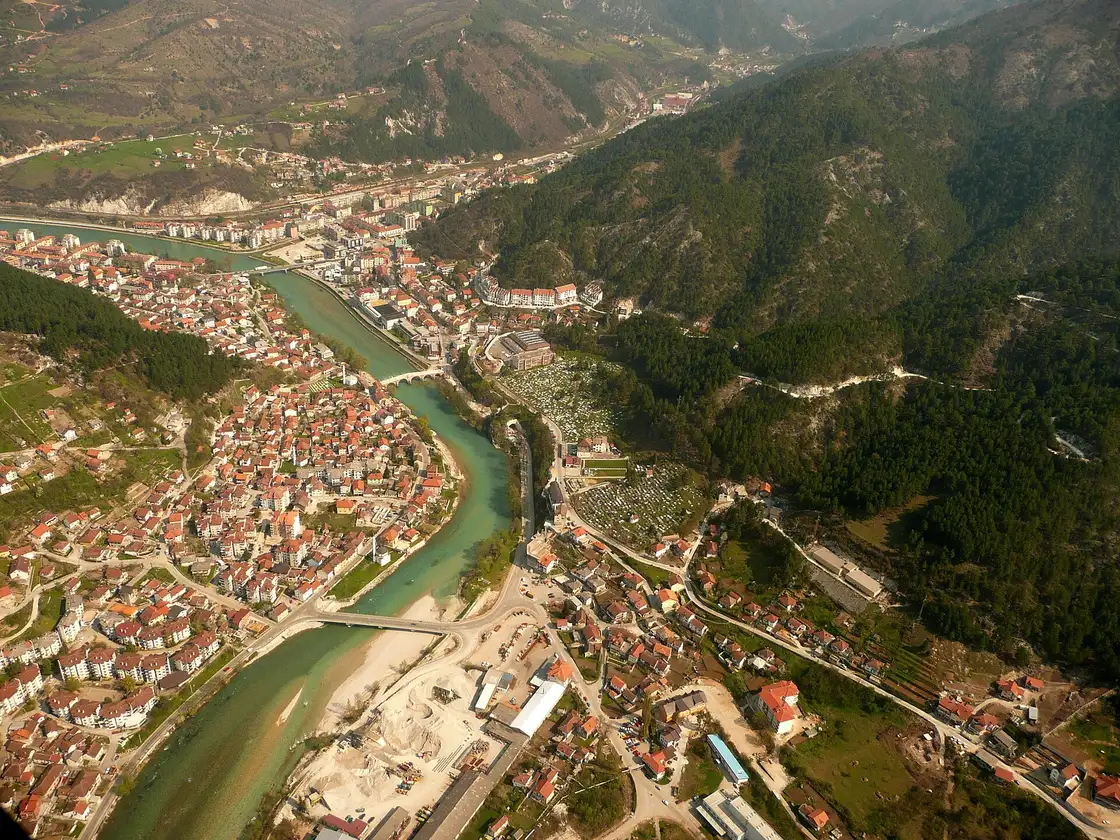
The town itself is compact; half a day covers the old core and the bridge at an easy pace. What keeps people an extra night is everything around it. The upper Neretva canyon and the glacial Boračko Lake sit within a short drive, the mountains of Prenj and the Rakitnica wilderness rise on every side, and Konjic carries a woodcarving tradition good enough to have made a UNESCO list. About 11,000 people live in the town, currency runs on the convertible mark (KM), and the whole place has the unhurried feel of somewhere that has watched traffic pass on the Sarajevo road for centuries without much minding.
The Old Bridge (Stara Ćuprija)
The town’s signature is the Stara Ćuprija, the old Ottoman bridge over the Neretva. It was built in 1682 by Ali-aga Hasečić and opened the following year, a graceful run of six pointed stone arches that is one of the finest surviving examples of Ottoman bridge-building in the Balkans and a listed National Monument. For two and a half centuries it carried the road south; then, on 3 March 1945, the retreating German army blew the deck as it pulled out, dropping the arches into the river. Only the piers survived.
For decades the town made do with a wooden and then a concrete replacement. The bridge you see today is a full reconstruction to the original design, carried out between 2003 and 2009 with Turkish government help and reopened on 16 June 2009. It’s genuinely the real thing rebuilt stone by stone rather than a modern pastiche, and the best of it’s free: walk across, drop down to the bank for the postcard angle, and take a coffee at one of the terraces looking onto it.
Rafting the upper Neretva
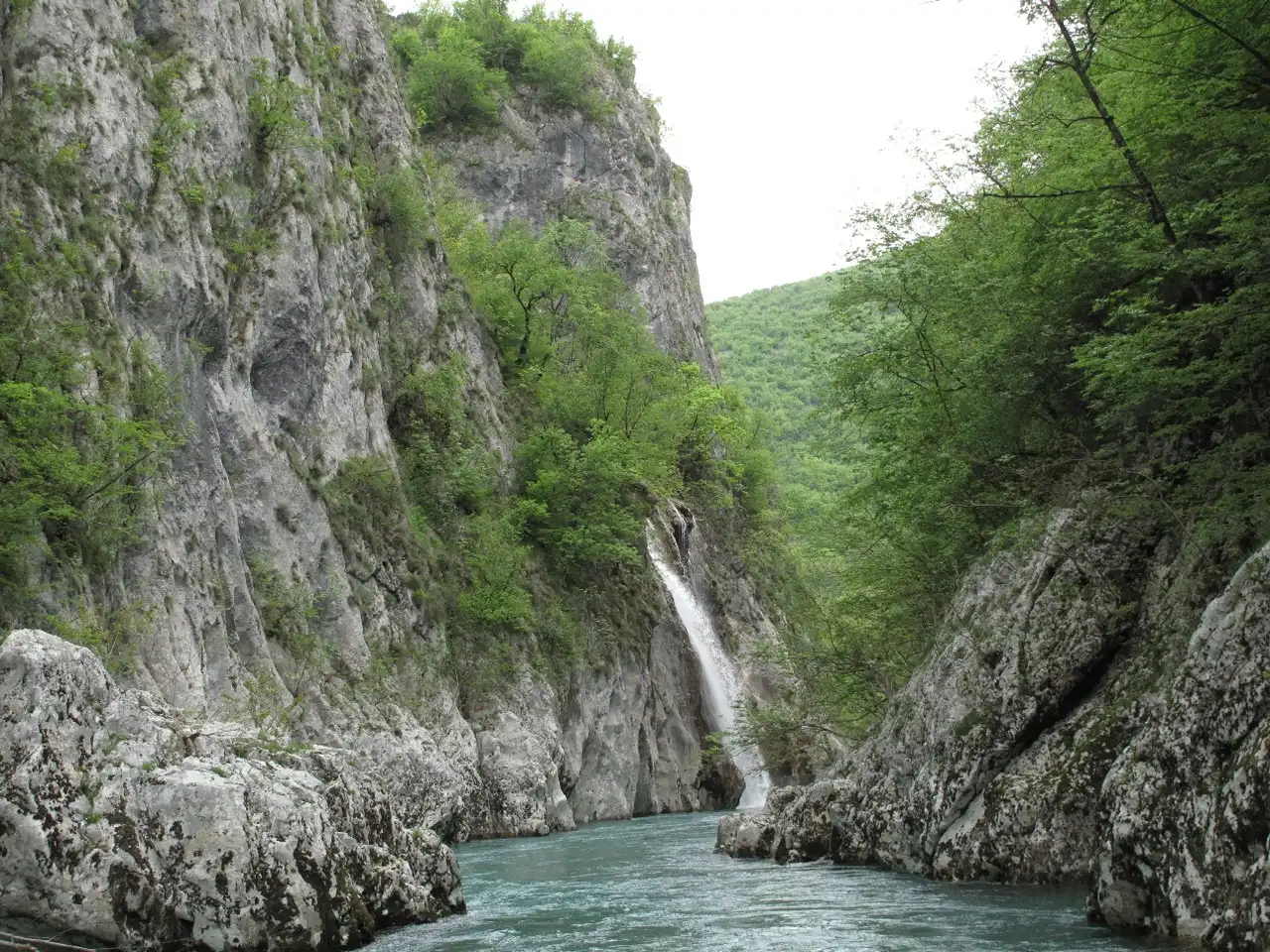
Konjic is the launch point for one of Bosnia’s classic adventures. Above the town the Neretva - at some 230 km the largest karst river in the Dinaric Alps - runs cold, clear and fast through a string of canyons, and it has long been the base for whitewater rafting on the upper river. Operators run half-day trips through the warm months, most of them putting in upstream and finishing back near town; spring melt gives the biggest water, high summer the friendliest.
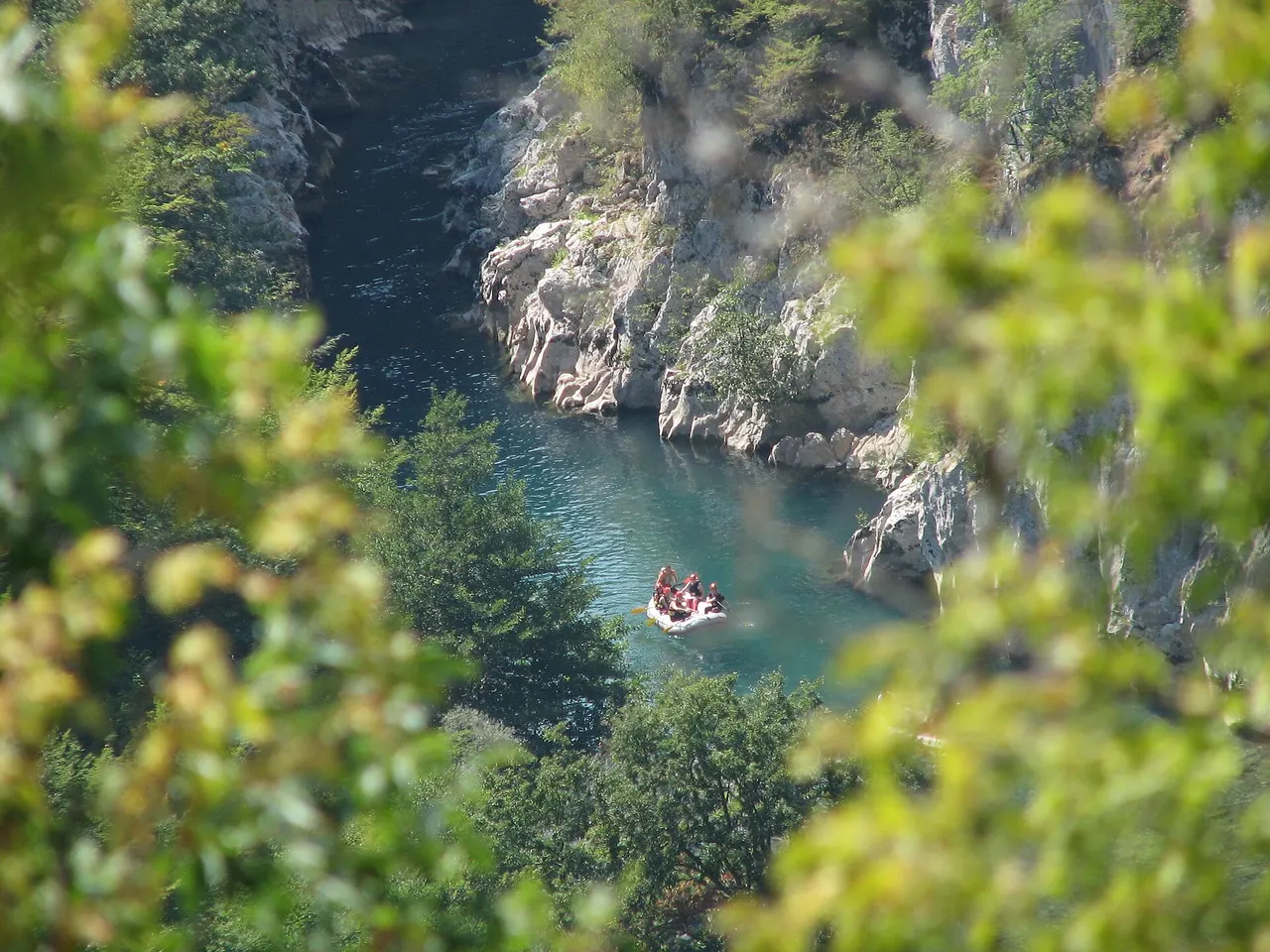
Prices, put-in points and grades shift with the operator and the water level, so book ahead in season and confirm the details rather than turning up on spec. Our guide to rafting in Bosnia sets Konjic and the Neretva against the Vrbas at Banja Luka and the Tara on the eastern border, if you’re deciding which river to run.
Boračko Lake and the mountains
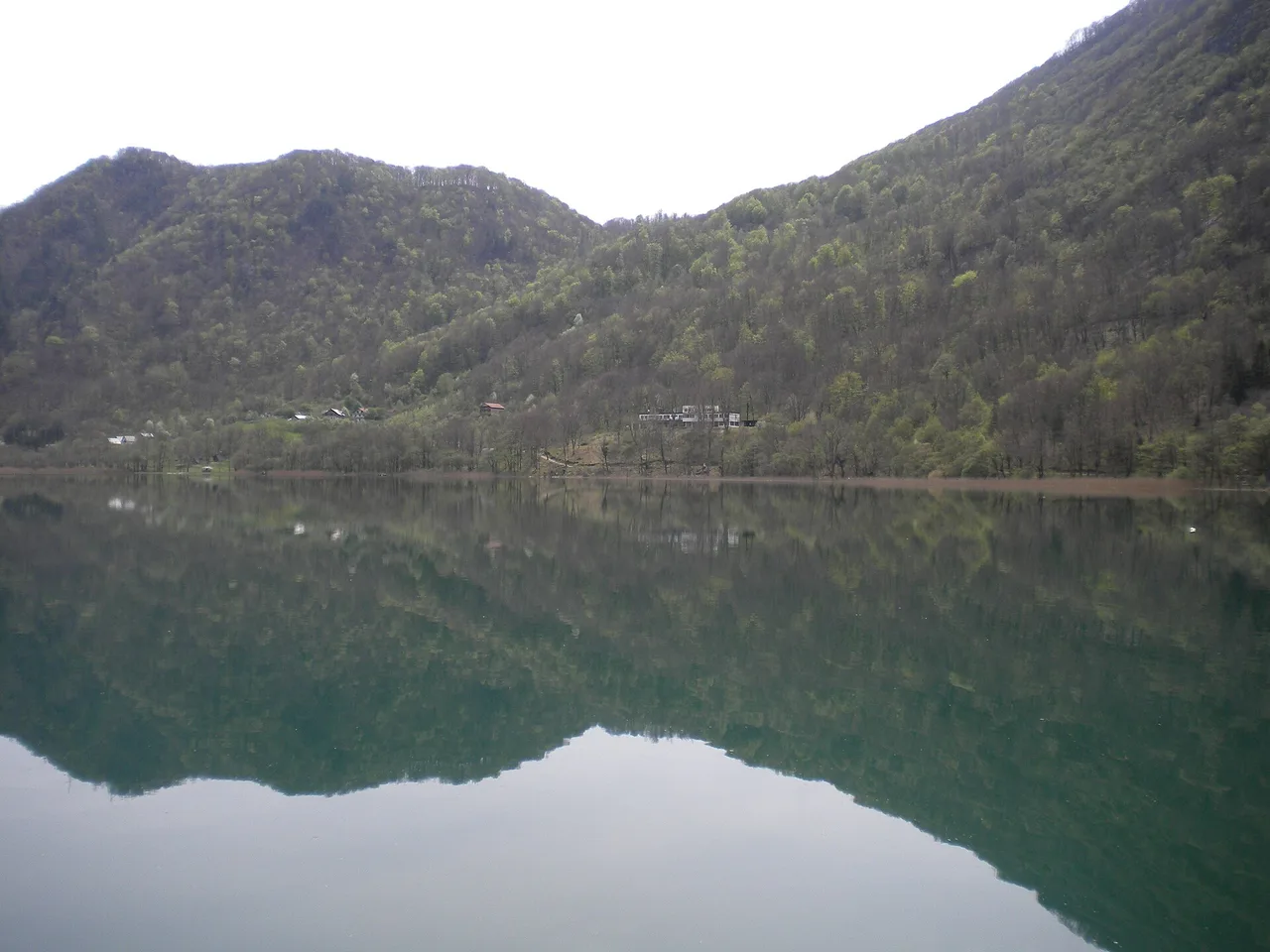
A short drive southeast of town, Boračko Lake (Boračko jezero) is the largest glacial lake in Bosnia and Herzegovina, a cold, clear sheet of water under the grey wall of Mount Prenj. In summer it’s a low-key swimming and camping spot for locals, with a rough beach, a few pensions and the odd rafting camp; the rest of the year it’s simply quiet and beautiful. It also serves as a jumping-off point for the Rakitnica canyon and the high Prenj traverses, which are serious mountain country best done with a guide. Lukomir, the highest inhabited village in the country, sits high on the Bjelašnica rim of that same Rakitnica canyon and, though almost everyone reaches it from the Sarajevo side, it falls inside Konjic’s own municipality.
Tito’s bunker: ARK D-0
Konjic’s strangest attraction hides in a hillside just outside town. ARK D-0 was Yugoslavia’s top-secret atomic-war command bunker, built in complete secrecy by the government between 1953 and 1979 to shelter Tito and the leadership through a nuclear strike. Almost nobody knew it existed until the 1990s. Since 2011 it has led a second life as the D-0 ARK Underground Biennial of Contemporary Art, with installations threaded through its corridors and command rooms.
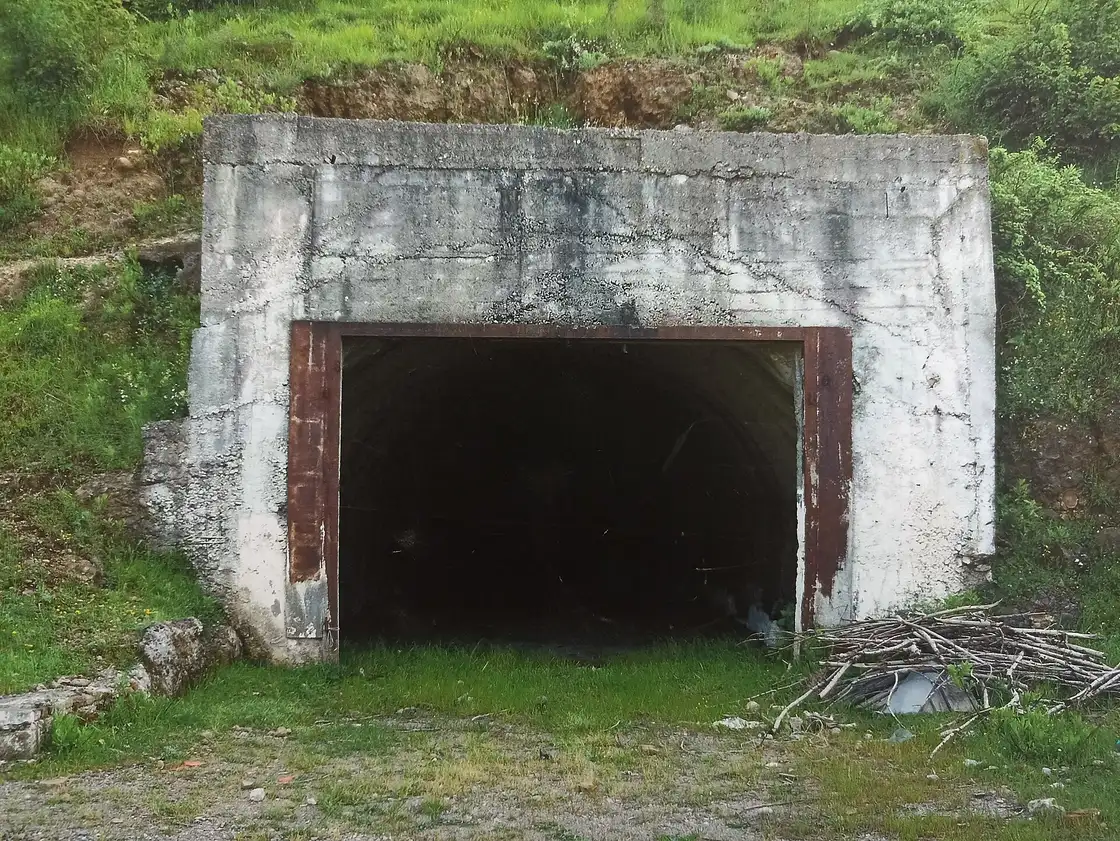
You can only go in on a guided tour, and you generally need to book ahead rather than show up - it’s not a walk-in museum. We cover the sessions, tickets and what you actually see underground in our full guide to Tito’s bunker in Konjic; this is the one thing here worth planning your day around.
A UNESCO woodcarving town
Konjic has one more claim that’s easy to miss: it’s a town of woodcarvers. The local craft - known here as duborez - is the hand-carving of solid walnut into furniture and entire interiors, and it has been worked in the town for well over a century. A finished Konjic room is unmistakable: dark walnut panelling and coffered ceilings, chests, low tables and framed mirrors, every surface cut in deep relief with dense interlacing geometry and stylised floral motifs, all shaped by hand and eye rather than by machine. It’s slow, exacting, expensive work, and it looks it. On 6 December 2017 UNESCO inscribed Konjic woodcarving on its Representative List of the Intangible Cultural Heritage of Humanity - a rare honour for a single town’s craft. The tradition still runs through family workshops, most famously the Nikšić family’s Rukotvorine, first opened in 1919, and the Mulić workshop of 1929; you can watch the carving being done and buy a piece in town, or look in at the small woodcarving museum.
The town, and where it fits
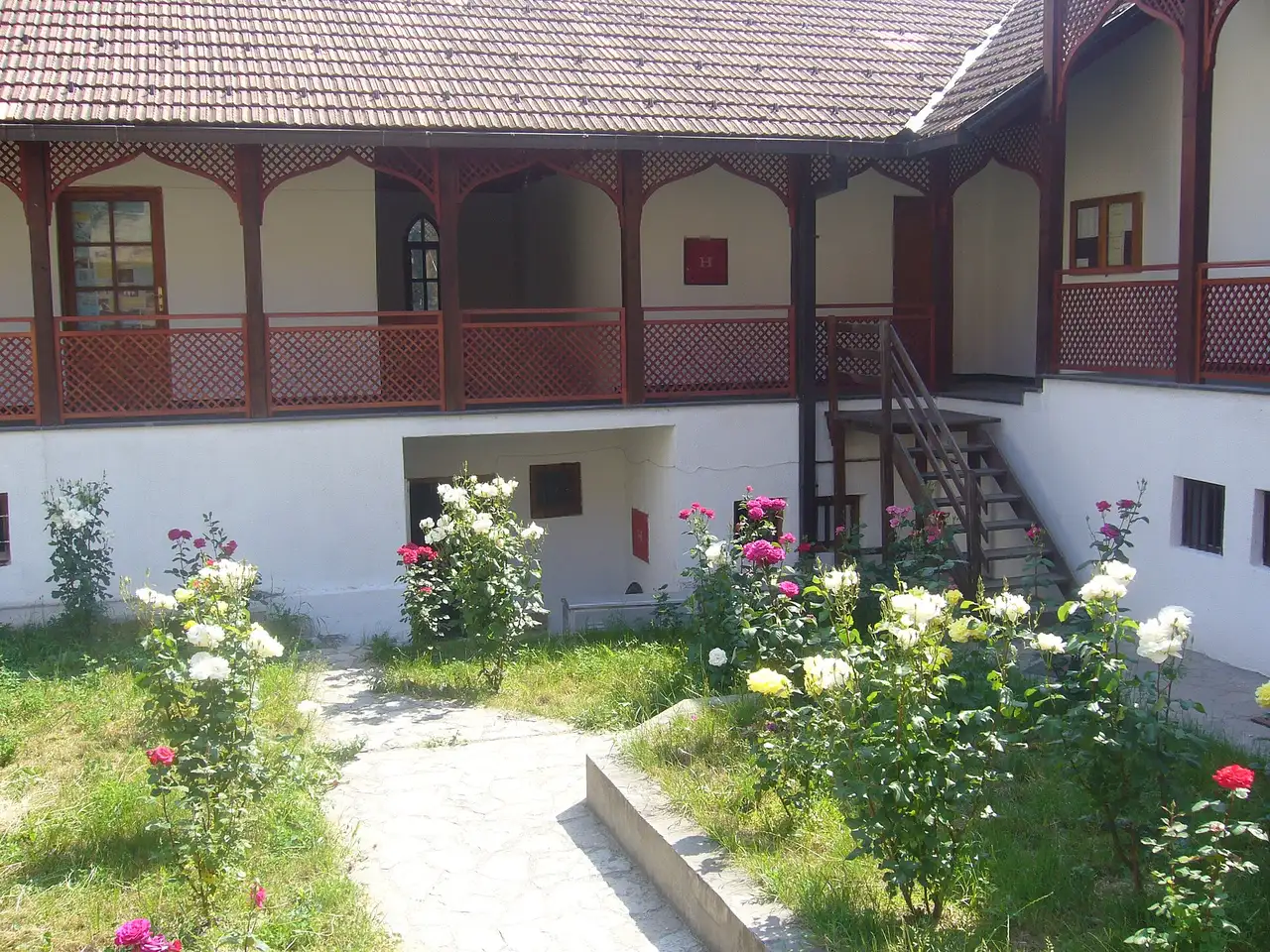
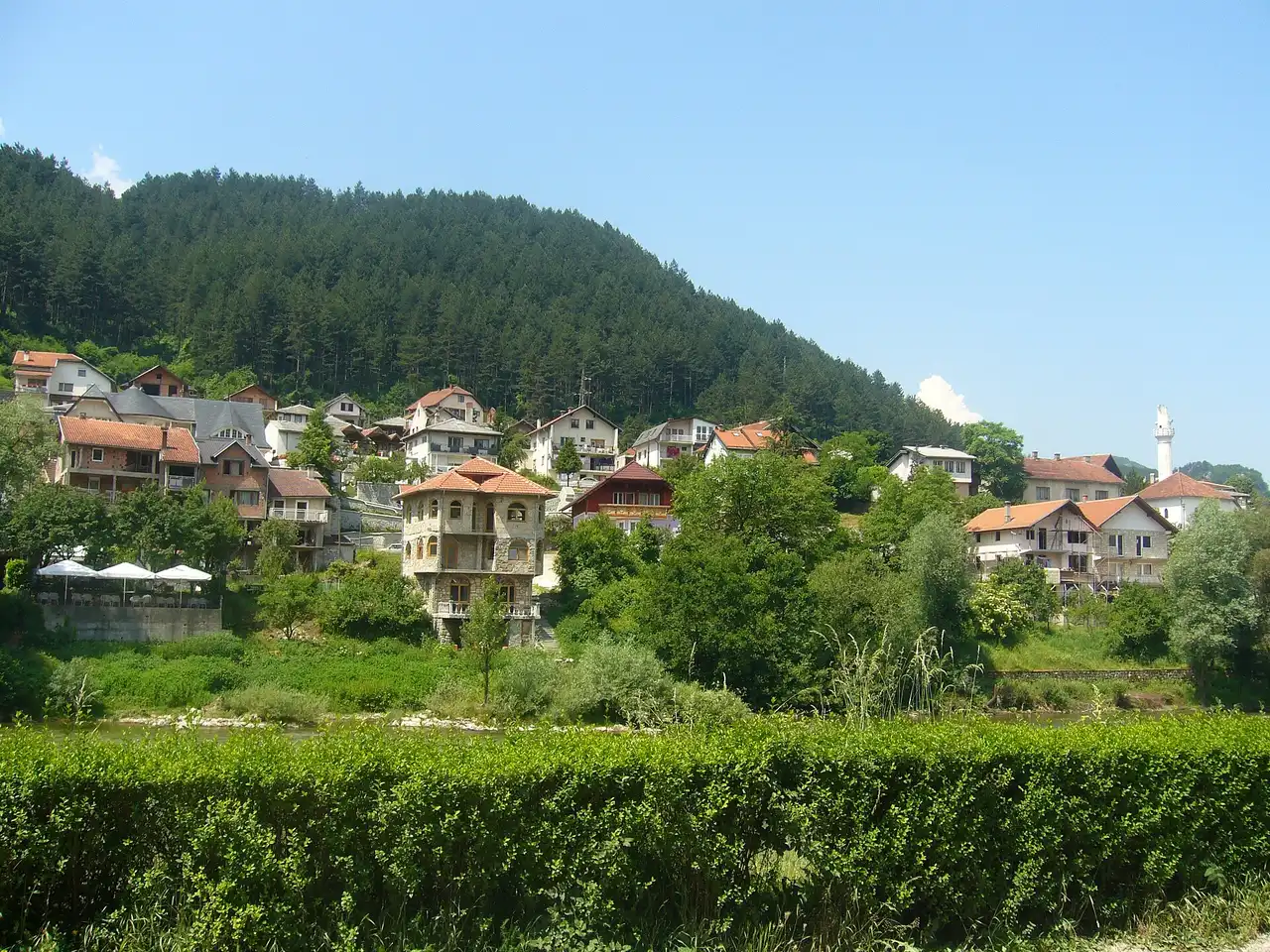
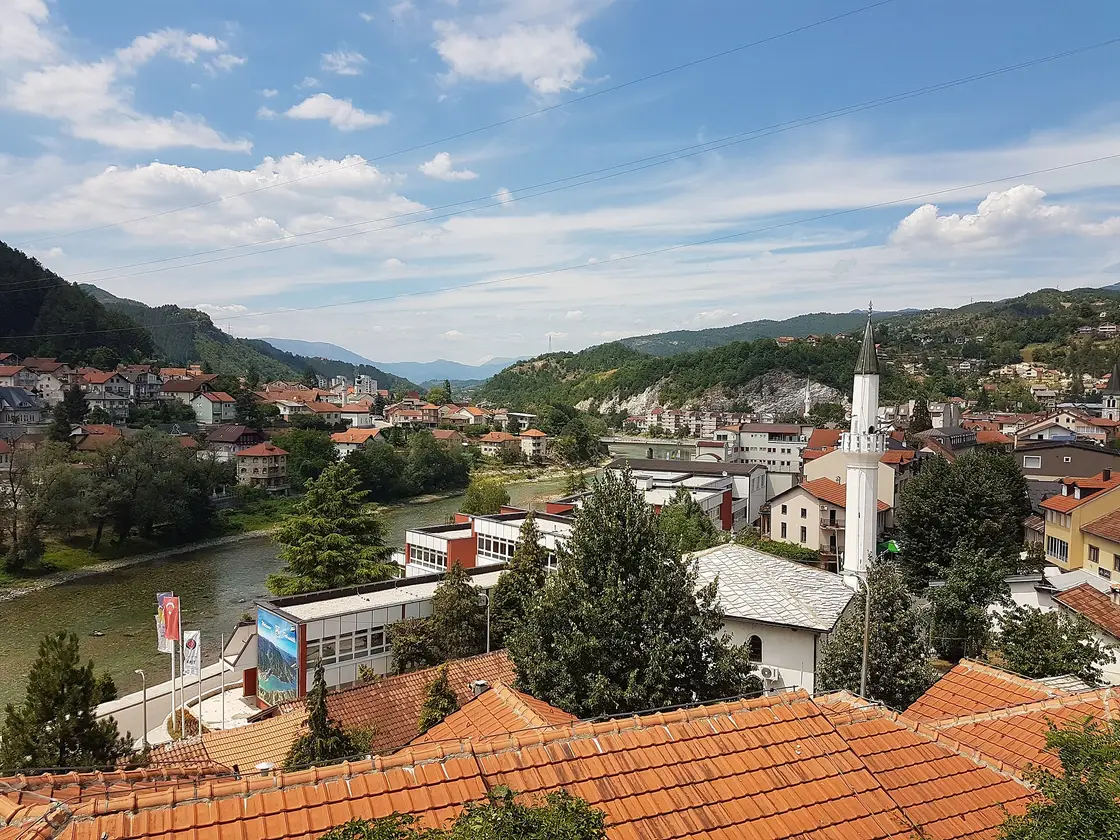
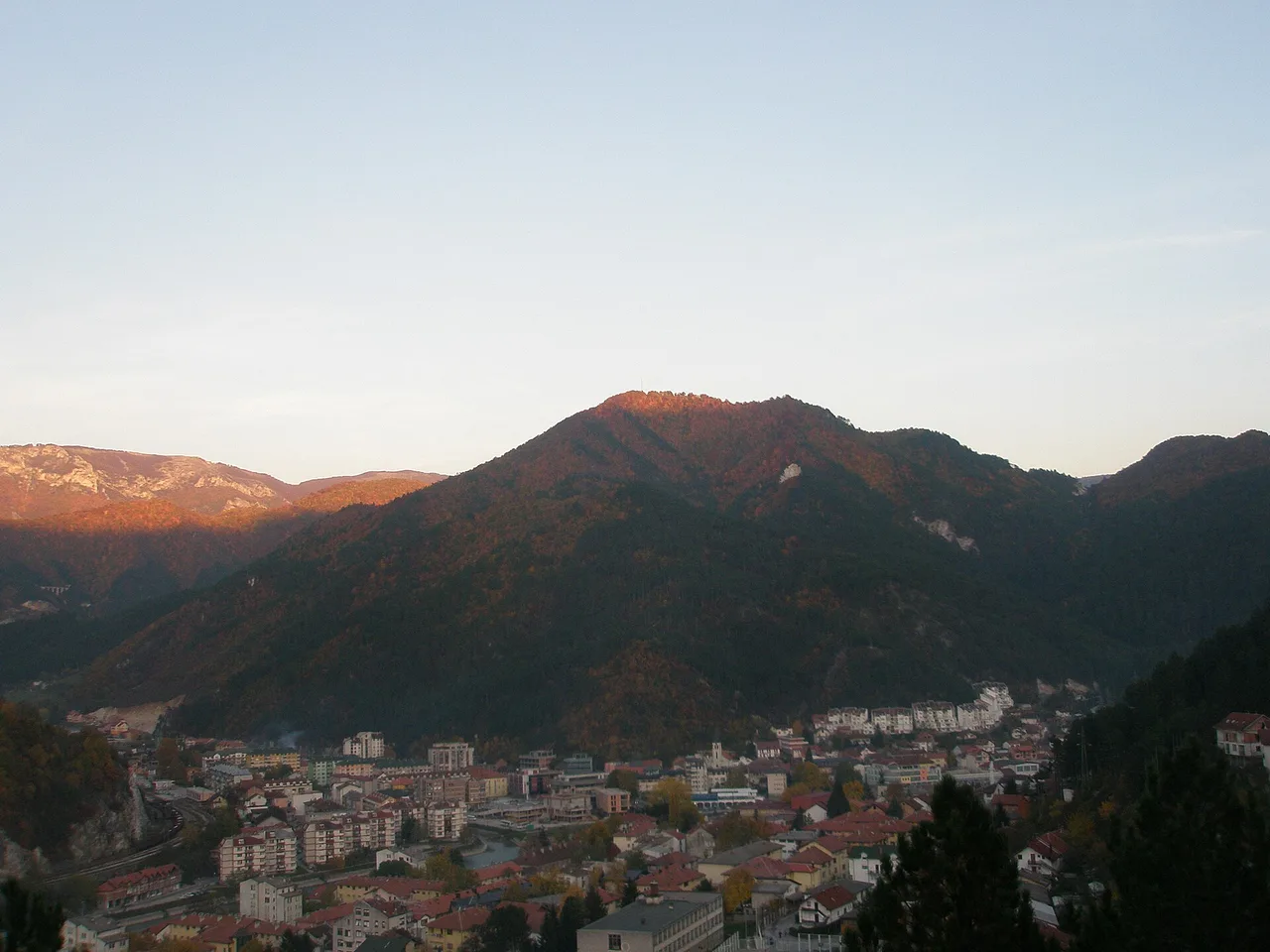
Beyond the headline sights, Konjic is a pleasant place to potter for a couple of hours. The old mahalas - the Ottoman-era residential quarters - climb the slopes on both banks of the Neretva, a tangle of steep lanes, walled gardens and old timber-balconied houses that rewards a slow wander uphill from the bridge. There is a scatter of mosques among the roofs and a couple of good grill places down by the water, and the setting does much of the work on its own: a compact town wedged into a green river valley with the grey Prenj massif rising to the south.
Getting here’s easy. Konjic sits right on the main Sarajevo-Mostar road and the Neretva-valley railway, about 60 km and an hour south of the capital and a similar run north of Mostar, which makes it a natural break on the journey between the two - our Sarajevo to Mostar guide covers the train, the bus and the drive. Buses stop through the day, but to combine the bridge, the bunker and the lake in one visit you really want your own car. It slots neatly into the best day trips from Sarajevo, and it’s one of the highlights rounded up in our overview of things to do in Bosnia.
The best stretch to visit is late spring to early autumn, when the river is up for rafting, the lake is warm enough to swim and the mountain roads are open; our guide to the best time to visit Bosnia has the month-by-month detail. Come for the bridge and a coffee, and Konjic has a way of turning a pit stop into the most surprising day of a Bosnia trip.
On the map
The map loads on click - to keep the page lightweight.
The map didn’t load. Check your connection and refresh the page.
Read also

Cities · 12 min read
Bihać City Guide: Your Base for Una National Park
Verified · July 23, 2026Bihac in northwest Bosnia: a Gothic church that became a mosque in 1592, the Captains Tower museum, the Una through town and the July regatta.

Cities · 12 min read
Things to Do in Banja Luka: Bosnia's Second City
Verified · August 9, 2026Things to do in Banja Luka: Kastel fortress on the Vrbas, the rebuilt Ferhadija mosque, cafe-lined Gospodska and the city's Trappist beer heritage.

Cities · 10 min read
Travnik: Vizier Capital, Fortress & Painted Mosque
Verified · July 20, 2026Things to do in Travnik, Bosnia's old Ottoman vizier capital: the best-preserved fortress, the painted Sarena Dzamija over a bazaar, and Plava Voda.

Cities · 10 min read
Neum: Bosnia's Only Beach Town
Verified · July 9, 2026Bosnia's only stretch of coast: 20 km of Adriatic at Neum, pebble beaches and hotels at roughly half Croatian prices. What it's like and when to go.