Sarajevo Nightlife: Best Bars, Pubs & Clubs
Where Sarajevo goes after dark: Bascarsija bars, Ferhadija pubs, live jazz, Sloga club nights and 06:00 closing times - all walkable, all cash-friendly.
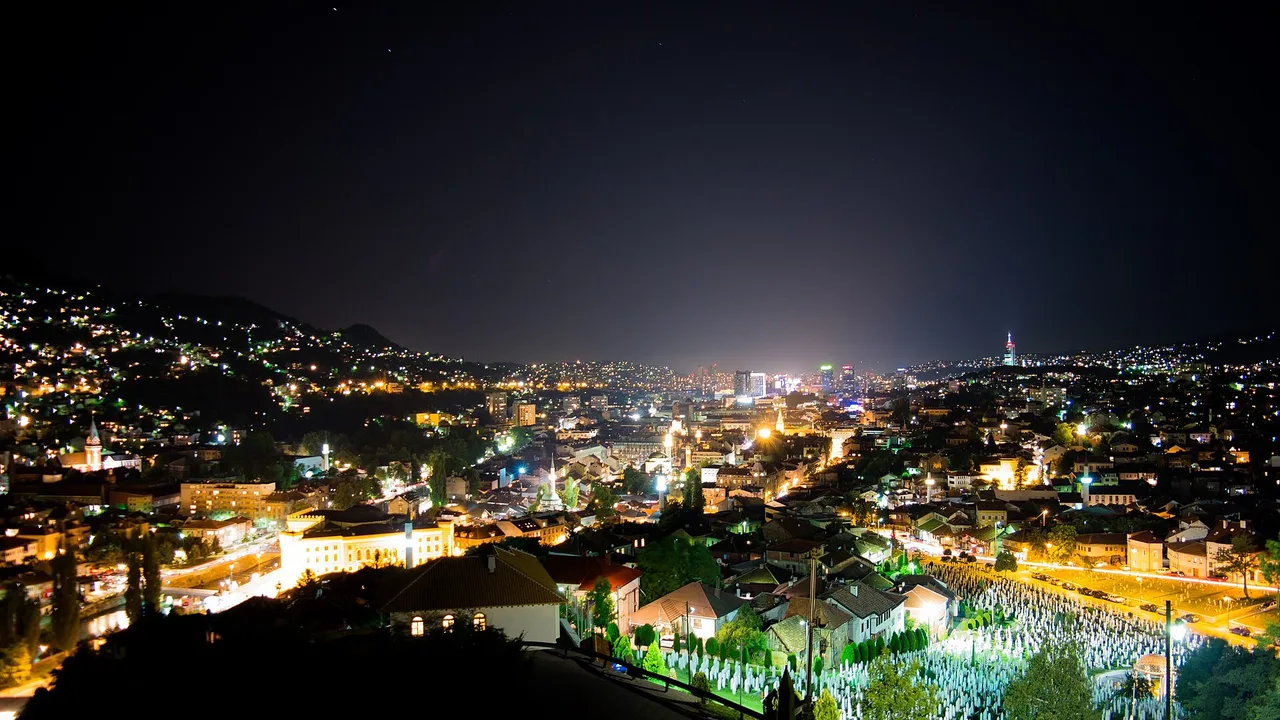
Sarajevo’s nightlife is compact, walkable and slower to warm up than Belgrade or Zagreb. Most of the action sits between Baščaršija and the pedestrian strips west of it - Ferhadija, Muvekita, Zelenih Beretki - so you can start with a rakija in the old town, drift into a wine bar, then finish at a live room or basement club without ever ordering a taxi. What it is not: a city of mega-clubs with printed door policies and 5 a.m. queues every weeknight. Pick your lane - kafana chatter, antique-stuffed cocktail dens, jazz cellars or a sweaty Sloga night - and the city usually delivers.
Locals don’t race to a 9 p.m. reservation. Evenings open with coffee on a terrace, tighten after 21:00, and only really thicken around midnight on Fridays and Saturdays. That rhythm catches visitors who expect Western club hours and then wonder why the street still feels half-awake at 22:30. Give it time. Pair the night with a proper dinner first - our where to eat in Sarajevo guide covers restaurants - and treat this page as the after-dark half.
How the night is laid out
Think in three short walks, not districts you’ll need a tram for.
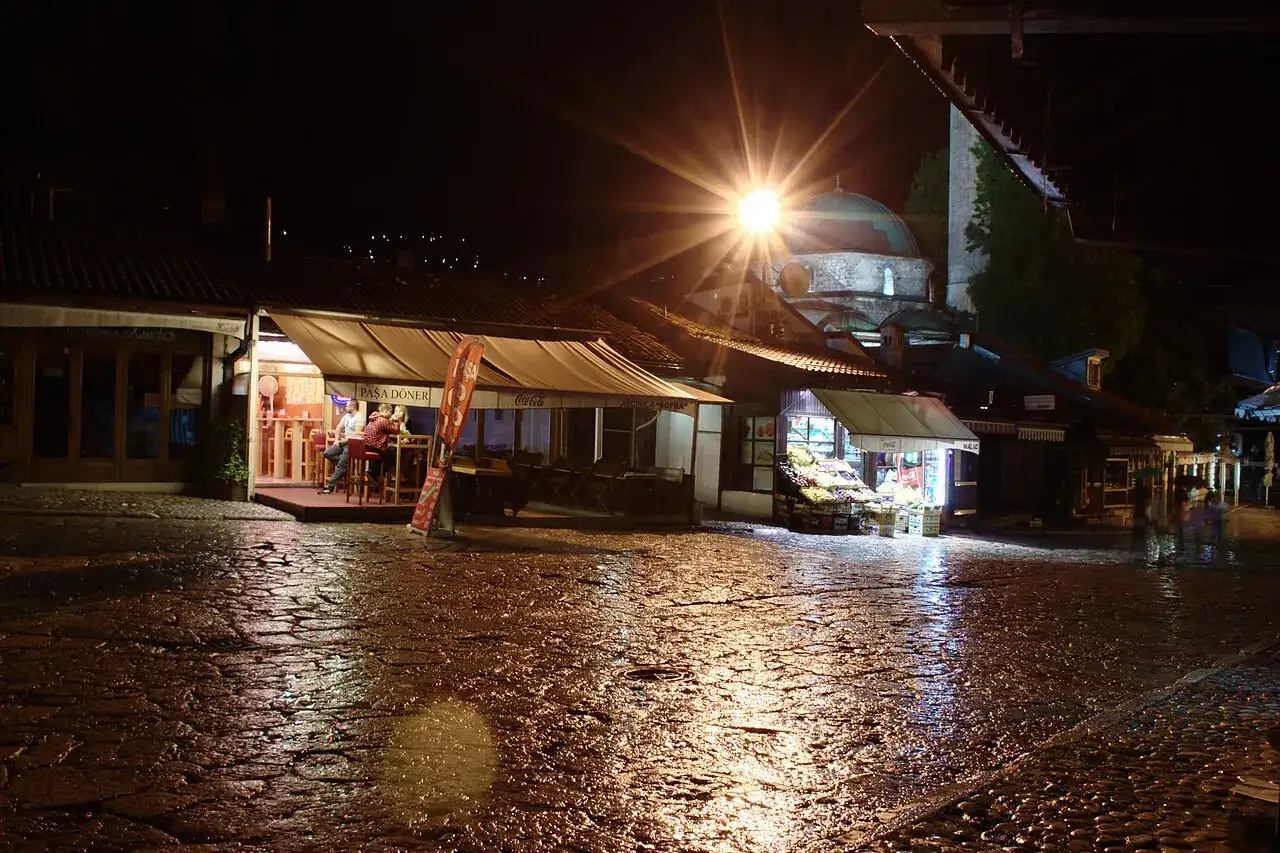
Baščaršija is the soft start: cobbles, lanterns, kafanas, and rooms where conversation still beats the playlist. It’s the same old bazaar you walk by day in our things to do in Sarajevo guide, only louder and warmer after dark. Tourist cafes line the Sebilj square; the better drinking rooms hide one lane back.
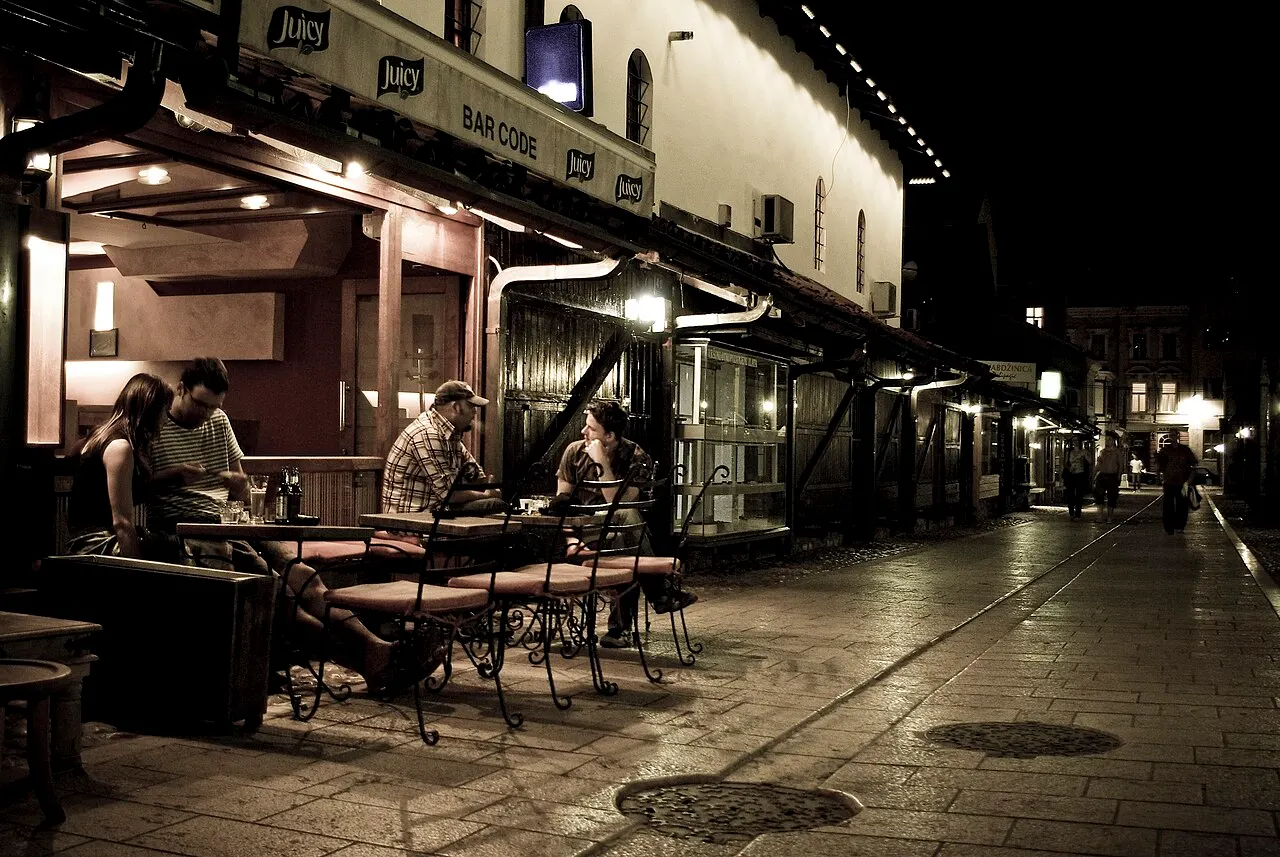
Ferhadija and the Centar pedestrian grid (Muvekita, Zelenih Beretki and the lanes around them) take over once groups want beer, cocktails and a bit of volume. Outdoor tables spill onto the pavement in warm months. Street musicians sometimes set up near the old-town end of Ferhadija. This is where spontaneous bar-hopping actually works - you see the next doorway before you’ve finished the first pint.
Late rooms and clubs sit a short walk further into Centar or toward Mehmeda Spahe. There are fewer of them than the bar count suggests. Sarajevo punches above its size on live music nights; it does not run a dozen interchangeable mega-discos. When someone says “we’re going out late,” they usually mean one venue that night, not a five-club crawl.
Character bars worth hunting down
Zlatna Ribica (the Goldfish)
If you only duck into one bar that feels like nowhere else, make it Zlatna Ribica on Kaptol 5, just off the pedestrian spine. The room is crammed with antiques, clocks, curios and - yes - goldfish. Travellers still talk about the bill arriving inside an old book. The European Bar Guide has ranked it among Europe’s eccentric greats for years, which is why the tiny interior fills. Go early if you want a seat; it’s a place to sit and nurse a drink, not a dance floor.
Birtija and the kafana lane
Birtija is the opposite of a concept bar: a long-running Old Town salon where rakija and talk do the work. Guides describe journalists, artists and regulars; the point is conversation, not Instagram lighting. Around Baščaršija you’ll find other kafana rooms in the same spirit - dim wood, domestic spirits, locals who were there before the lists. Order a local rakija (see rakija in Bosnia) and don’t rush the glass.
La Cava and the wine corner
When you want Herzegovinian Žilavka or Blatina by the glass rather than another lager, look for wine-first rooms like La Cava. Soft lighting, quieter playlists, couples and small groups - a useful reset between a loud pub and whatever comes later. Lists change; ask what’s open from Herzegovina that week instead of hunting a famous foreign label.
Cocktail and pub strip
Along Muvekita and Zelenih Beretki the tone shifts to pubs and cocktail bars: beer rooms, lounges, upstairs terraces when the weather allows. Names rotate, so treat the street itself as the recommendation. Walk it after 21:00, peek through the doors, and pick the room whose music you can live with. Celtic-style pubs and craft taps show up in the same corridor if your group can’t agree on one vibe.
Live music and jazz cellars
Sarajevo’s quiet superpower after dark is live music. You don’t need a festival wristband to hear it.
Pink Houdini on Branilaca Sarajeva 31 is the city’s best-known jazz and blues cellar - intimate, underground, with local and visiting players on many nights. Check their own channels or a current local listing for that week’s set rather than assuming a house band every evening. Arrive early on popular nights; the room is small by design.
Elsewhere, smaller music bars book jazz, blues, rock and sevdah-tinged sets across Old Town and Centar. Programmes move week to week: pick a genre, open the venue page that afternoon, and go where someone is actually playing. Random Wednesday gigs still happen more often than the city’s size suggests.
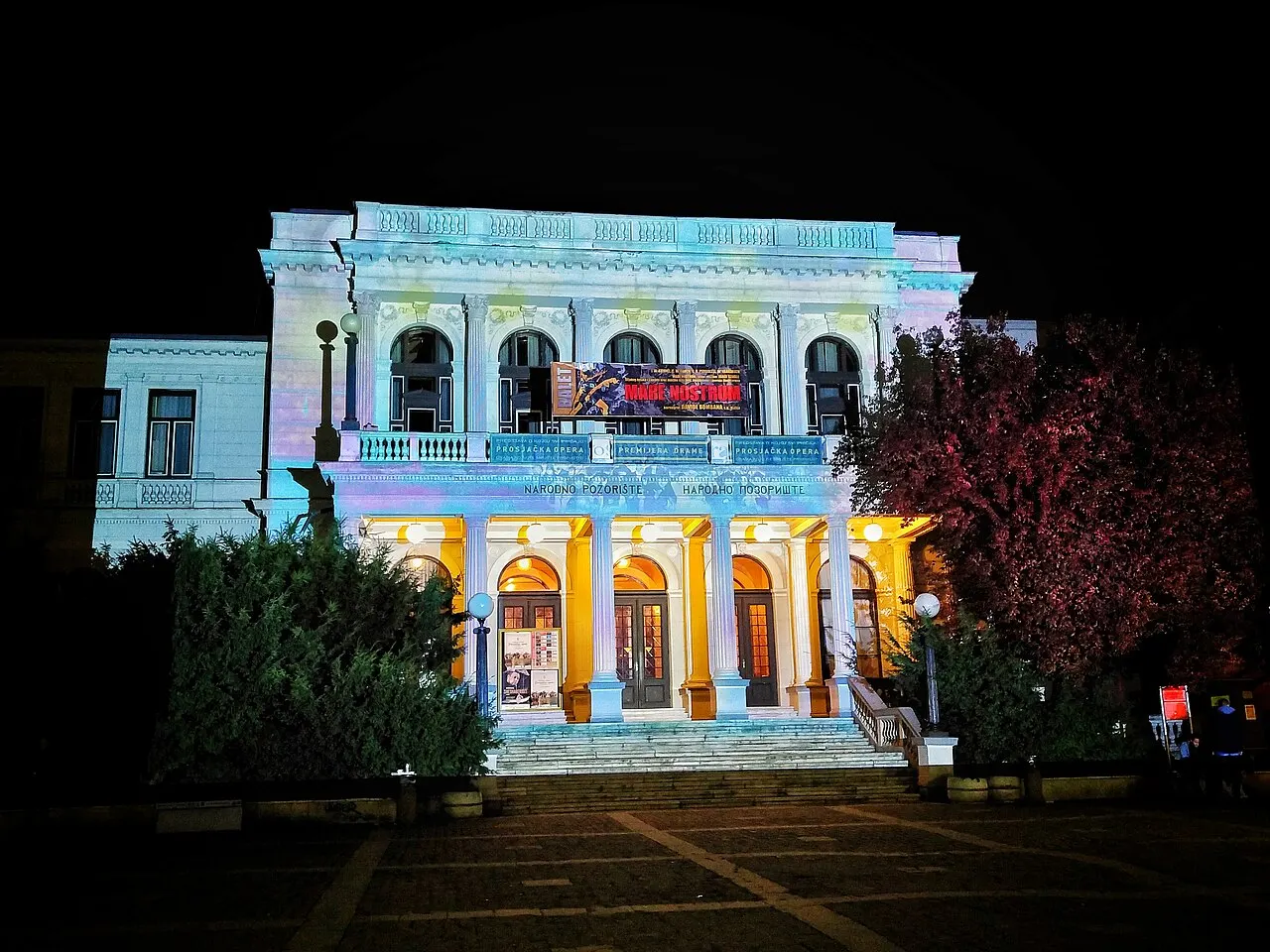
Around the National Theatre the square picks up energy on performance and festival nights - even if you’re not going inside, the terraces nearby are a natural meeting point.
Clubs and late rooms: start with Sloga
If one address still defines “going out” for a lot of Sarajevans, it’s Cinemas Sloga (everyone just says Sloga) at Mehmeda Spahe 20. It’s a historic hall that swings between live bands, club nights and themed parties. Ticket platforms still list concerts deep into 2026, and the venue’s weekly pattern - Latino Monday, clubbier midweek, concerts and parties toward the weekend - is the closest thing the city has to a standing club calendar. Cover charges appear on busier nights; cheaper entry earlier is common but not guaranteed - check Entrio or the venue channels that day.
For electronic music, the basement room to know is Silver and Smoke, which lists Wednesday to Saturday, 22:00 to 06:00, on its own channel. Sarajevo’s techno scene lost Trezor for good in 2025, so older club lists you find online will send you to a closed door. Line-ups and even openings shift, so treat them as “confirm the flyer” venues. The same goes for summer open-air pop-ups under organiser brands - great when they’re on, useless as a standing address.
Dress codes are light. Smart-casual helps in cocktail rooms; jeans are fine almost everywhere else. What matters more is cash for the door and knowing which night you’re walking into - a regional rock gig and a techno basement are different animals under the same “club” label.
What a good night actually looks like
A workable first-timer route, assuming a Friday or Saturday:
- Early dinner somewhere you chose from the food guides - not a rushed kebab on the square unless that’s the plan.
- One slow drink in Baščaršija (Zlatna Ribica if you get a table, Birtija or a kafana if you want local rhythm).
- Walk west along Ferhadija into the Muvekita / Zelenih Beretki strip for a second stop once the street fills.
- Decide late: live music (Pink Houdini or whoever is billed), Sloga, or an electronic basement if the listing looks right.
- Finish with a late bakery if you’re still hungry - burek and friends taste better at 2 a.m. than they have any right to.
On a weeknight, stop after step 3. The city still has life, but forcing a full club finale on a Tuesday is how you end up in an empty room paying for atmosphere that isn’t there.
A two-day Sarajevo itinerary already builds in evening free time - swap one of those loose nights for this crawl instead of inventing a third day just to “do nightlife.”
Money, hours and getting home
Currency. Prices are in BAM / KM (convertible marks). Euros are not reliably accepted at bars. Cards work in more places than they used to, but small kafanas and late cash-only habits still exist - keep marks on you.
Prices. Relative to Western Europe, drinks are cheap. Exact cocktail and cover numbers change by venue and night, and traveller round-ups go stale fast, so I’m not printing a fake menu here. Ask at the bar, check the event page for door prices, and budget the way you would for a mid-priced European city night rather than a Nordic one.
Hours. I’m also not inventing closing times. Secondary guides often say casual bars wind down earlier than big Western club cities on weeknights, weekends run later, and a few basements stretch toward dawn when a night is busy. Individual doors still change after renovations or ownership shifts. The safe rule: check that venue’s listing the same day, or ask the bartender with the first round.
Safety and taxis. Central Sarajevo’s nightlife zone is generally comfortable to walk in a group. Cobbles are uneven - wear shoes you can walk in. For the ride home after a late club, use a registered taxi app or ask the venue to call one. Emergency numbers: 122 (police), 123 (fire), 124 (ambulance). Bosnia’s EU-style 112 system is not fully rolled out - don’t rely on 112 alone.
Smoking. Indoor rules and enforcement vary. If smoke bothers you, favour newer cocktail bars and outdoor tables in summer.
When the city flips the volume up
Two weeks of the year rewrite the night without changing the map.
Sarajevo Film Festival (mid-August in 2026: 14-21 August per sff.ba) packs terraces, after-parties and open-air energy into the same streets you’ll walk any other weekend. Beds sell out; bars fill earlier. Our film festival visitor guide covers tickets and logistics - use this nightlife page for where to drink once the screening ends.
Jazz Fest Sarajevo (early November; 4-7 November in 2026 per jazzfest.ba) puts its nine evening concerts in the National Theatre and the Youth Theatre, a short walk from the bars on this page. Baščaršija Nights through July and other dates on the Bosnia events calendar also push people onto evening terraces.
Outside those peaks, a random Thursday can still surprise you with a packed live room - just don’t assume every night equals festival density.
What to skip, and what to choose
Skip the idea that you need a “best club in Sarajevo” ranking. The honest split is by mood:
- Character and conversation: Zlatna Ribica, Birtija, Old Town kafanas.
- Wine and lower volume: La Cava and similar wine rooms.
- Beer and easy hopping: Ferhadija / Muvekita / Zelenih Beretki strip.
- Jazz and live sets: Pink Houdini first, then whatever that week’s listings add.
- Dance floor / big night: Sloga when the bill fits; electronic basements only if the flyer is current.
Eat well first, walk between stops, carry cash, and check tonight’s music before you commit to a late door. Do that, and Sarajevo after dark feels less like a thin capital scene and more like what it is - a compact valley city where the best nights still fit inside a long walk.
Photos
Read also

Entertainment · 10 min read
Best Lakes in Bosnia for Swimming & Road Trips
Verified · September 3, 2026Five Bosnian lakes for swimming and road trips: Pliva, Boračko, Blidinje, Prokoško and Pannonica - which warm up, which ban bathing, how to link them.

Entertainment · 14 min read
Bosnia Events Calendar: Month by Month 2026-2027
Verified · September 23, 2026What happens in Bosnia each month: Bascarsija Nights all July, the film festival 14-21 August 2026, Jazz Fest 4-7 November, and the holiday trap.

Entertainment · 8 min read
Sarajevo Film Festival 2026: A Visitor's Guide
Verified · July 18, 2026The Sarajevo Film Festival runs 14-21 August 2026: what it is, the open-air cinema, how tickets work, the guests and where to stay.

Entertainment · 12 min read
Best Waterfalls in Bosnia
Verified · August 9, 2026The best waterfalls in Bosnia compared: Kravice, Štrbački buk, Pliva at Jajce, tall Skakavac and wide Kocusa - which to pick, where to swim, when to go.