
Rakija in Bosnia: What It Is and Where to Taste It
Rakija in Bosnia: the types, three named Sarajevo bars, tours with 2026 prices, customs limits for taking a bottle home, and how to decline politely.
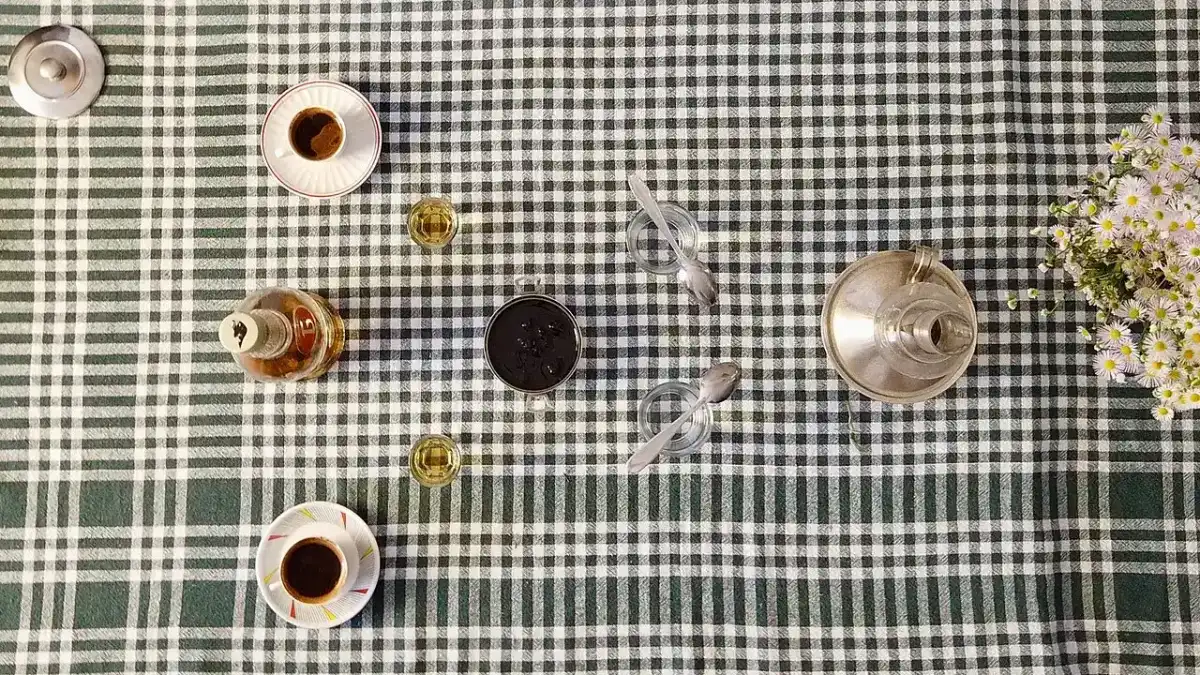
Somebody pours a small, unlabelled glass, says a word that sounds like a toast, and waits for you to drink it: that’s rakija, Bosnia’s fruit brandy, and it can run anywhere from a mild 40% to well past 60% depending on whose bottle it came from. It isn’t one drink but a whole family - plum, grape, pear, apricot, honey, even walnut - and knowing which one is in your glass changes what you’re in for.
“Rakija” works the way “brandy” does in English: it’s the umbrella word, and the fruit underneath is the part that matters. Order “a rakija” in a Sarajevo kafana and you’ll usually get šljivovica, plum brandy, the everyday default. It’s worth knowing the rest of the family before you commit to a glass, though, because a herb-steeped travarica and a honey-sweetened medovača have almost nothing in common beyond the proof.
The family: what’s in the bottle
- Šljivovica (plum) - the everyday pour, the closest thing to a house rakija wherever you go.
- Loza / lozovača (grape, distilled from must or pressed skins) - Herzegovina’s speciality, made by the same producers who grow the region’s Žilavka and Blatina grapes.
- Kruškovača (pear) and viljamovka (the sweeter Williams-pear style) - softer, often what gets poured for someone easing in.
- Kajsijevača (apricot) - fruitier and lighter on the throat than plum.
- Travarica - bittersweet and herb-steeped, using sage, rosemary, wormwood and whatever else grows wild on Herzegovina’s karst hills; it drinks closer to an amaro than a fruit brandy.
- Medovača (honey) and orahovača (green walnut) - less common, but you’ll find one or the other as a house speciality at some bars, usually darker and more bitter-sweet than the fruit versions.
Bottled, shop-bought rakija sits at an ordinary 40 to 45% ABV, in line with any other spirit on a shelf. Home-distilled rakija is a different animal: 50% is a normal starting point, and a first-run pull can climb well past 60%. Nobody labels this stuff, so the only reliable way to gauge what’s in your glass is to ask before you drink it, not after.
Where to taste it in Sarajevo
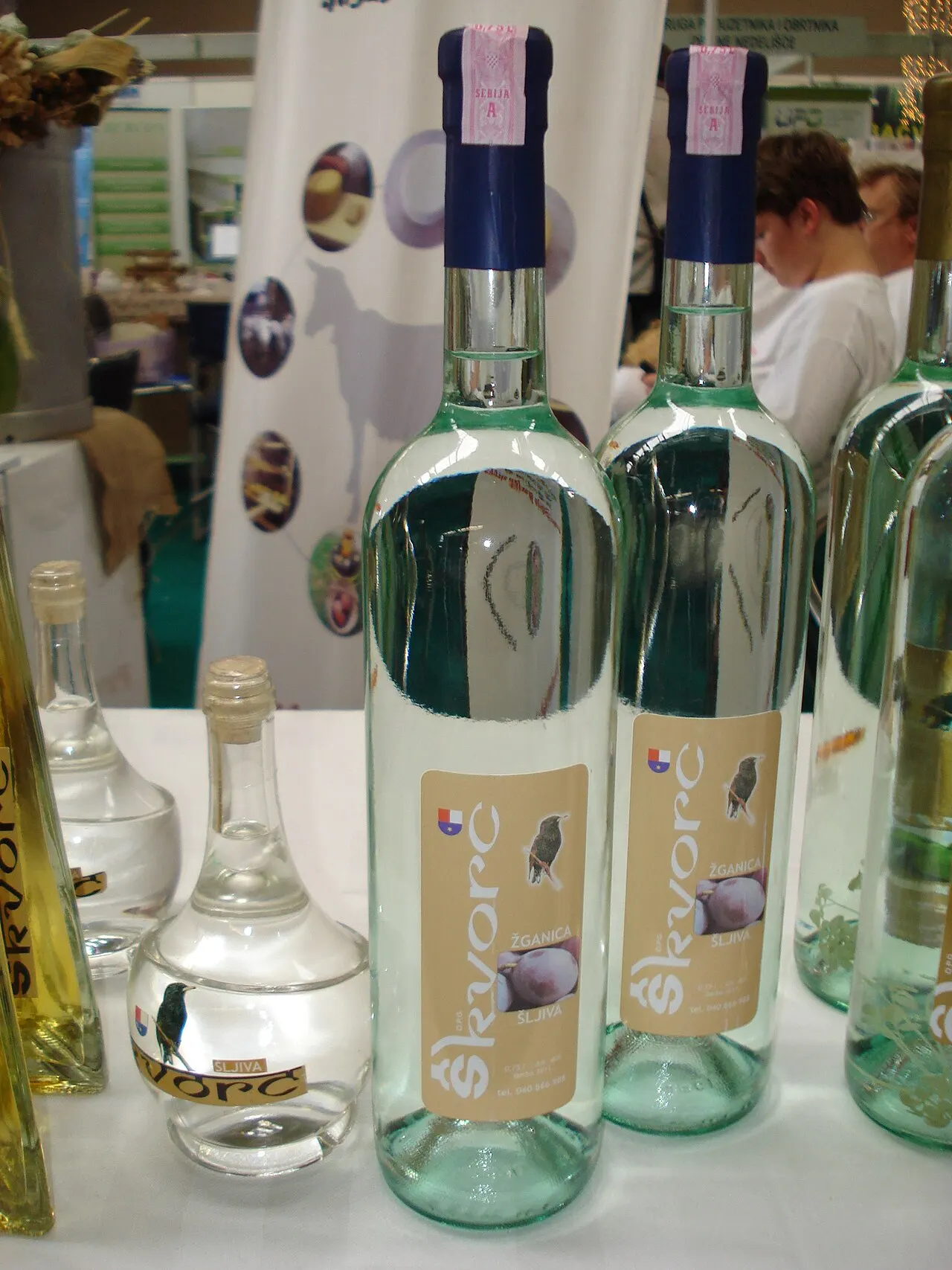
The old bazaar of Baščaršija does for rakija what it does for coffee: it packs a handful of genuinely good, low-key spots into a few hundred metres of cobbled lane. Three worth seeking out on purpose, all consistently rated above 4 out of 5 and checked in August 2026:
- Vina i rakije kod Rake, Sime Milutinovića Sarajlije 10, open daily 8am to midnight. A proper wine-and-rakija bar rather than a tourist stop, and the plum and the grape lozovača are what regulars actually order.
- Birtija, Kovači 5, open Monday to Saturday, 8am to 11pm, closed Sundays. A slightly hidden, old-fashioned bar just off the main drag, no food, just a wide rakija list, low prices and live music some evenings.
- Rakija bar Šeta, Halači 14, open daily 9am to 10:30pm. A wider flight of flavours plus small Bosnian plates if you want something to eat while you work through them.
None of the three post a menu with prices online, which is normal for places this size, so ask before you order rather than assume a fixed rate. Carry a little cash in convertible marks either way; card machines are patchy in bars this small, and nobody expects euros.
Organised tastings and day tours
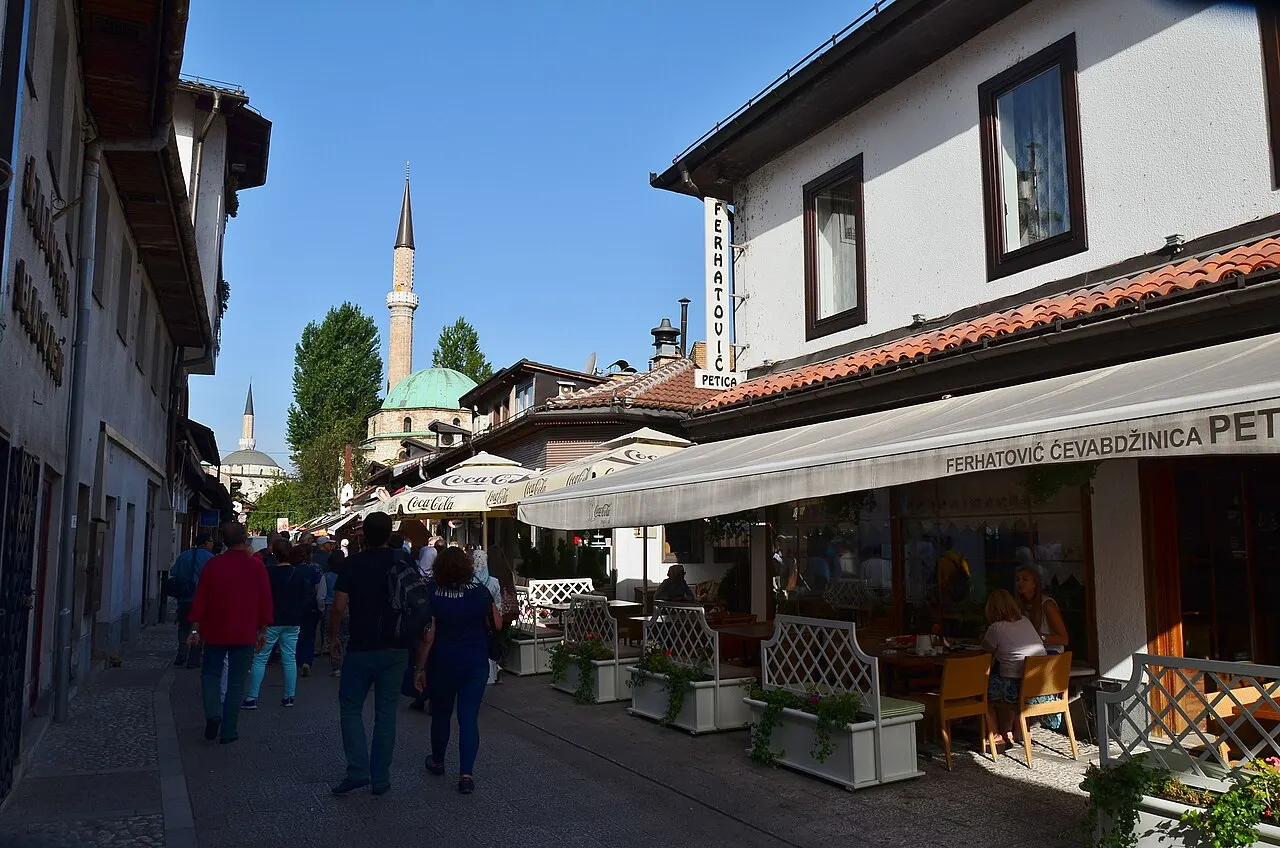
Turning up cold and pointing at a bottle works fine, but a guided tasting fixes the two things a solo visitor usually gets wrong: which rakija is which, and how much is actually a polite pour rather than a dare. Two Sarajevo operators run structured sessions, both checked August 2026:
- Cheyf’s Sarajevo Rakija Tasting Tour runs from EUR 50 for 2 to 3 hours, starting at 5pm and meeting at the clock by the Sebilj fountain. It stops at a historic Baščaršija restaurant that’s been making its own rakija since 1918, then moves on to a traditional kafana with live tamburaši music, working through about five rakijas (šljivovica plus a rotating second and third, dunja, kajsija or višnja) with mezze at each stop.
- Balkantina’s Rakija Tasting Experience costs EUR 43.43 per adult for 2 hours, meeting at the agency’s own address, Pehlivanuša 5. It covers plum, cherry, grape, honey, walnut and herbal rakijas with food alongside, in groups of five to fifteen, over-18s only.
Both are worth booking a day or two ahead once summer evenings in Baščaršija fill up, and both are booked direct with the operator.
Herzegovina is grape country
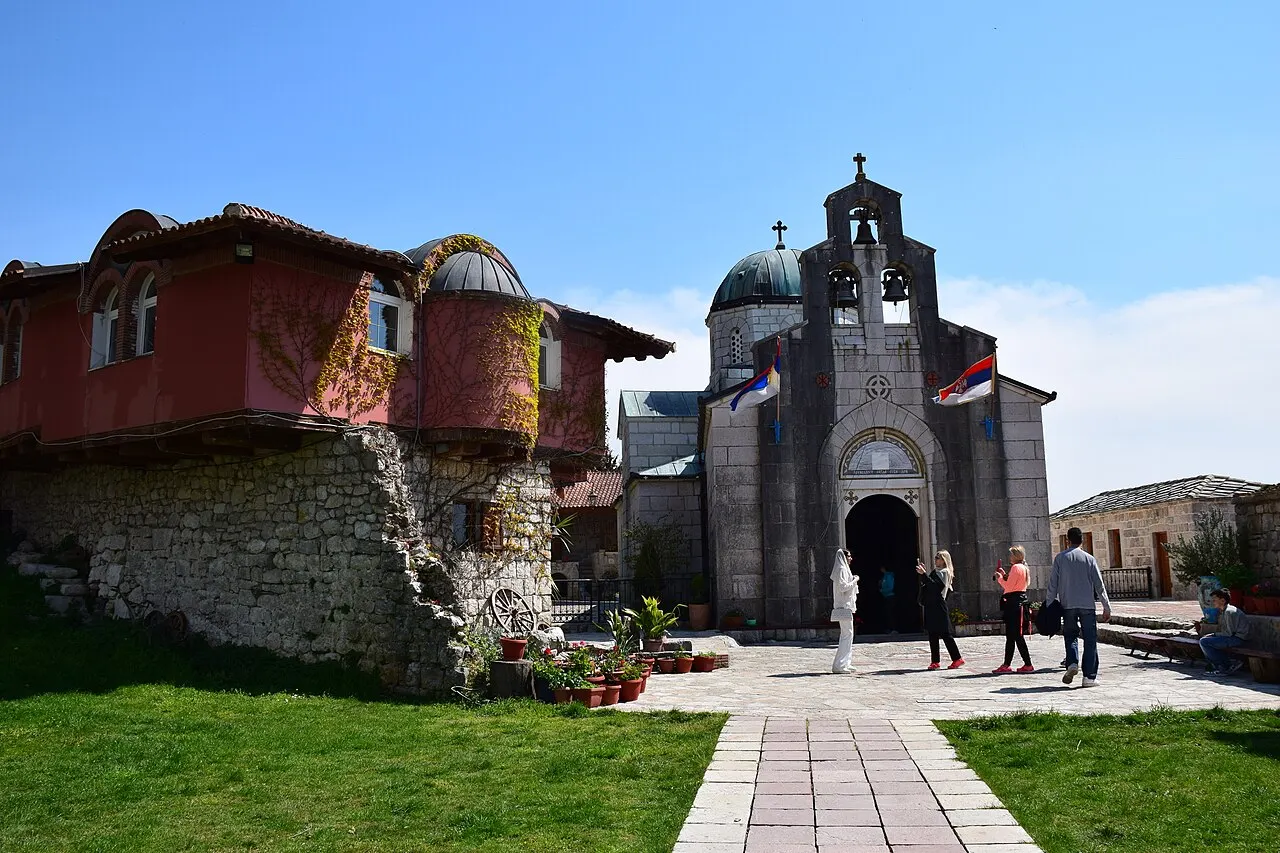
Sarajevo pours mostly plum, but head south into Herzegovina and the base fruit flips to grape. Loza, distilled from the must or the pressed skins left over after winemaking, is the local speciality around Mostar and Trebinje, made by the same growers behind the Žilavka and Blatina in our Herzegovina wine guide. In Mostar itself, Timber & Stone Tavern on Tabhana pours loza from the Neretva valley alongside a house medovača; further south, Tvrdoš Monastery outside Trebinje is already worth the detour for its 15th-century cellar and its vineyards, selling its own bottled wine and honey at the door.
The toast, and how to decline without causing offence
Someone will eventually raise a glass and say “Živjeli”, “to life”, and the custom, shared right across the region, is to clink and hold eye contact while you do it. Breaking eye contact mid-toast is the kind of small superstition locals will tease you about rather than actually mind. Sip it. Rakija isn’t tequila, and knocking it back in one go marks you out as someone who’s never had it before, not as someone who can handle it.
Turning a glass down is genuinely fine, and being offered one at all is the same hospitality instinct that puts a coffee in your hand within minutes of sitting down, so a warm decline lands far better than an awkward one. “I’m driving” is the easiest excuse in the country, because Bosnia’s drink-driving limit is a strict 0.03%, effectively zero, and stricter again for new and professional drivers; our guide to driving in Bosnia has the full rule. A simple “not for me today” or a nod to medication works just as well. Nobody is going to force the glass into your hand.
What you can take home
Buying a bottle is the easy part. The paperwork question is what happens when you land somewhere else with it, and the honest answer depends entirely on where that somewhere else is. This is worth getting right before you fly, not after, so treat the numbers below as a starting point and check current rules for your own country too.
- Into the EU (say, driving out through Croatia after a Herzegovina loop): the duty-free allowance is 1 litre of spirits over 22% ABV per adult, or 2 litres of fortified or sparkling wine instead, under the European Commission’s own traveller rules; there’s no allowance at all for anyone under 17.
- Home to the UK: the personal allowance is more generous, 4 litres of spirits over 22% ABV, per gov.uk.
- Home to the United States: federal regulation (19 CFR 148.33) caps the duty-free personal exemption at 1 litre, for travellers 21 or over; anything beyond that is legal to carry but becomes dutiable. The catch is that US customs enforcement defers to the law of whichever state you land in, and some states cap personal import lower than the federal 1 litre or require a licence, so check your arrival state’s rule rather than assuming the federal number is the last word.
Bosnia itself doesn’t meaningfully restrict a tourist walking out with a few personal bottles bought as souvenirs. What trips people up is usually airport security rather than customs: a full bottle has to travel in checked luggage or be bought after the security line at an airport duty-free counter, because it won’t survive hand-luggage liquid screening otherwise. Sarajevo’s own duty-free selection is thin, so buy in the city instead - Baščaršija’s grocers and gift shops carry a wider range, and a sealed, factory-bottled option such as Gazdina Rakija, a real Bosnian producer, travels a lot better in a suitcase than a re-used water bottle from someone’s cousin.
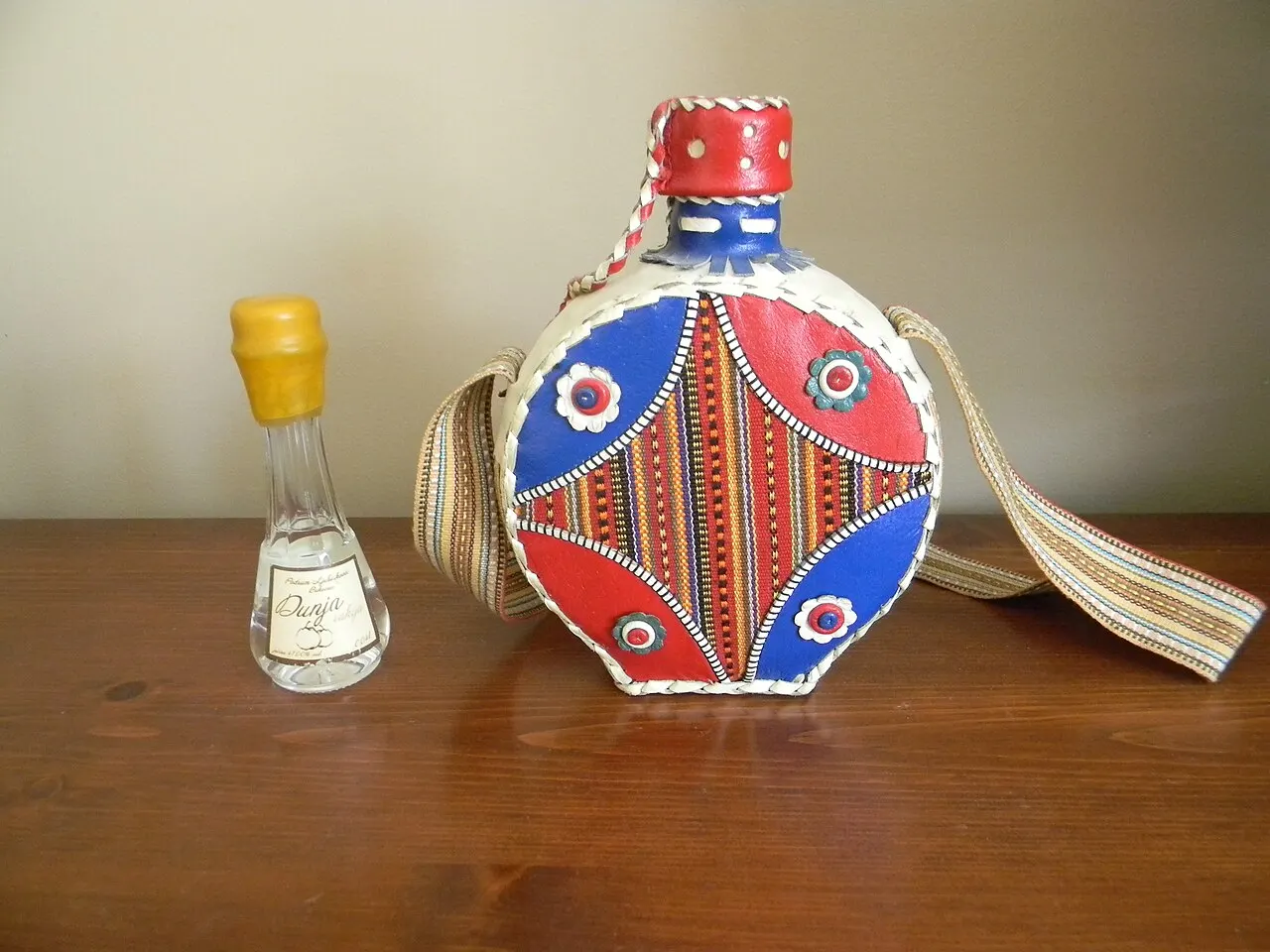
Between the tray at Kod Rake and a monastery cellar near Trebinje, rakija turns out to have almost as many rules as flavours. Learn the one for your own passport, sip rather than shoot, and the rest of the evening looks after itself.
Photos
Read also

Food · 12 min read
Where to Eat in Mostar: Old Town Restaurants With a View
Verified · August 17, 2026Mostar Old Town restaurants by job: a terrace facing Stari Most, a courtyard off the bazaar, and a grill for cevapi. Addresses, cash, and what to order.

Food · 9 min read
Herzegovina Wine Guide: Žilavka, Blatina & the Wine Route
Verified · July 25, 2026Herzegovina wine: the native Žilavka and Blatina grapes, the Wine Route cellars from Mostar to Trebinje, when to go, and how to taste it.

Food · 11 min read
Bosnian Burek: Types, Etiquette & Where to Try It
Verified · July 24, 2026In Bosnia burek means meat, full stop. What sirnica and zeljanica are, how pita is sold by the kilo, what it costs and where to eat it in Sarajevo.

Food · 11 min read
Where to Eat in Sarajevo: Best Restaurants Beyond Ćevapi
Verified · September 23, 2026Sit-down restaurants in Sarajevo worth an evening: Ascinica ASDZ, Dveri, Avlija, Kibe Mahala, Park Princeva, Inat kuca. Addresses, closing days, booking.