Una River Loop: Waterfalls of the Northwest (2-3 Days)
A 2-3 day self-drive loop of the Una valley from Bihać: Ostrožac castle, Bosanska Krupa, Martin Brod, Kulen Vakuf and the Štrbački buk falls.
The Una is the greenest river in Bosnia, and this loop follows it out and back through the country’s wildest northwestern corner, linking a stack of waterfalls with a brooding castle, a two-river town and a village that sits almost on the Croatian border. Based in Bihać, you drive north to Ostrožac castle and Bosanska Krupa, then swing south along the river to Martin Brod, Kulen Vakuf and the headline cascade of Štrbački buk. It runs to roughly 190 km all in, works best over an unhurried two to three days, and you need your own car; buses reach the towns but not the waterfalls, the castle or the put-ins.
Come in summer if you want to swim and raft. The falls run all year and look fullest after the spring melt, but June to September gives you warm days, low clear water and open river beaches. This is Una National Park country, so expect emerald pools, tufa ledges and a lot of time spent staring at moving water.
Why base the loop in Bihać, and how to get here
First, the geography, because it reframes the whole trip. Bihać is out on a limb in the far northwest, roughly 300 km and four and a half to five hours from Sarajevo, and genuinely closer to Zagreb; the Croatian border and Plitvice Lakes are barely an hour away. The Una doesn’t slot into the usual Sarajevo-Mostar circuit. The smart ways to do it are as its own two or three day nature trip, or bolted onto a Croatia leg on the drive to or from the coast.
A car is essential. Public transport reaches Bihać and the bigger towns, but not Ostrožac, not the trailheads, and certainly not the gravel road to Štrbački buk. Pick a car up in Bihać or bring one across from Croatia, and read our driving in Bosnia and car rental in Bosnia notes first. Carry cash in convertible marks: park gates, the castle and village konobas are cash-first, and while some gates will take euros, marks are what you want in your pocket.
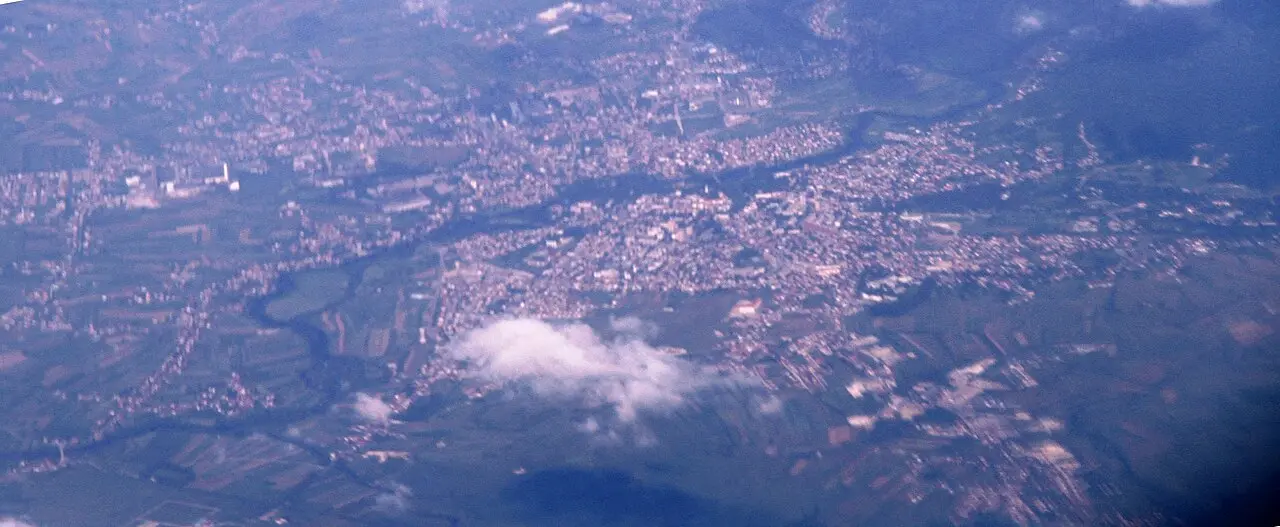
Think of the loop as two half-days with an overnight between them: the northern leg to Ostrožac and Bosanska Krupa, and the southern leg up the river to the waterfalls, sleeping either back in Bihać or deeper in at Kulen Vakuf. Bihać itself is a pleasant, low-key base, with the Fethija Mosque (a Gothic church converted after the Ottoman conquest), the riverside Captain’s Tower, and locals leaping off the town bridges into the Una all summer. Our Bihać city guide covers the town’s half-day of sights if you want more than a bed.
Ostrožac: the layer-cake castle
Fourteen kilometres northeast, above the Una near Cazin, Ostrožac is the most atmospheric building on the whole loop. It reads like a cross-section of Bosnian history in stone: a medieval core from the days of local nobility, Ottoman-era additions after the fortress fell in 1592, and a neo-Gothic residence grafted on in 1900-1906 by a Bihać mayor for his Habsburg wife. Wander its overgrown ramparts and you also stumble on an open-air sculpture park, more than 150 stone works left behind by decades of artists’ colonies held in the grounds.
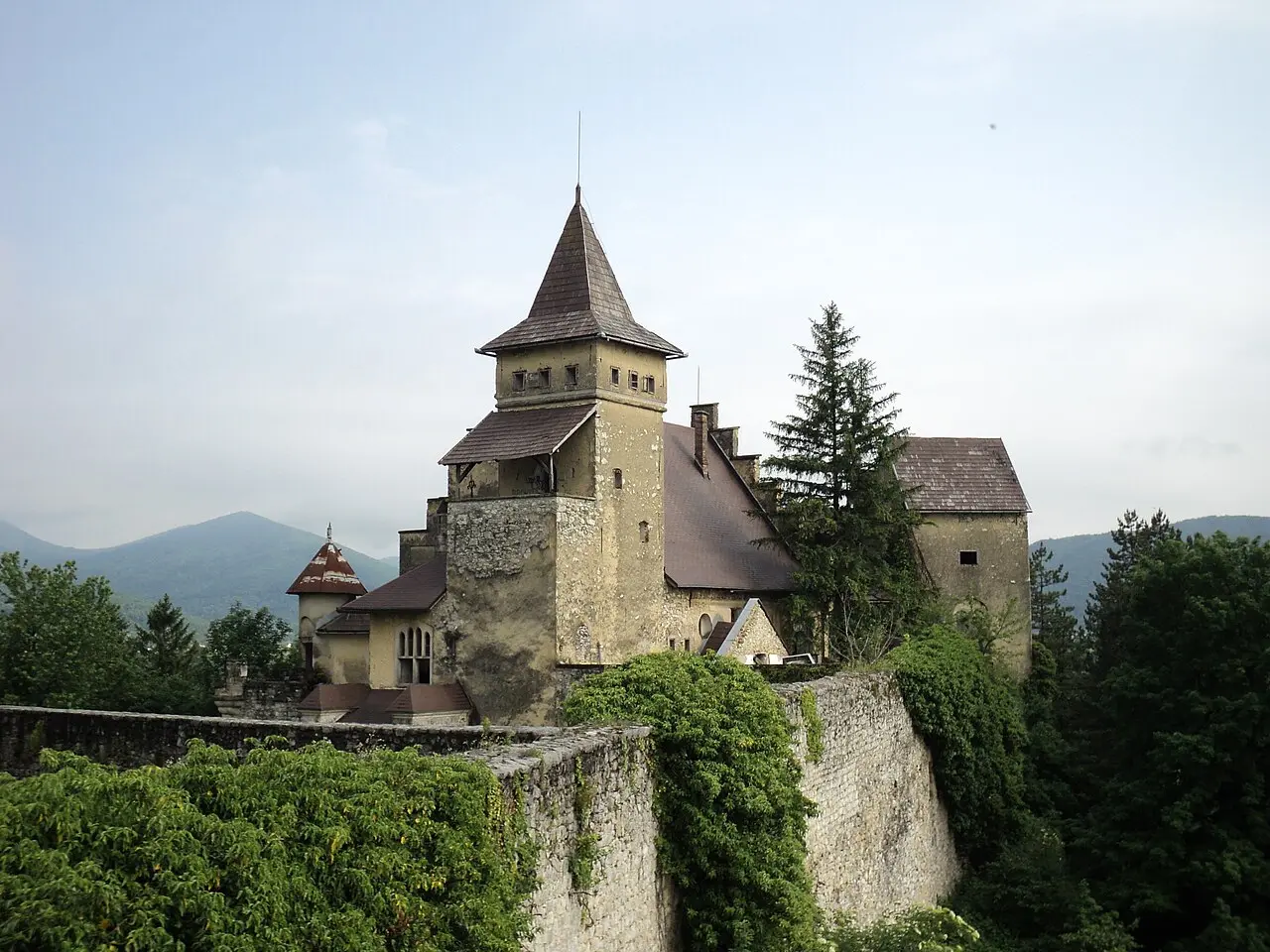
It’s open to visitors, but opening times and any entry fee are loosely run, so ask in Cazin or at the gate rather than trusting a posted schedule. An hour among the walls and statues, with the river below, is one of the region’s quiet pleasures.
Bosanska Krupa: a town on two rivers
Further downstream, Bosanska Krupa sits where the Una is joined by the short, startlingly clear Krušnica, and it makes a good half-day. The medieval Stari Grad fortress, now down to wall fragments and a couple of towers, looks over the town from its hill, and the Green Islands park links eight little islands in the river with a chain of footbridges, a genuinely lovely place to walk or swim on a hot day.
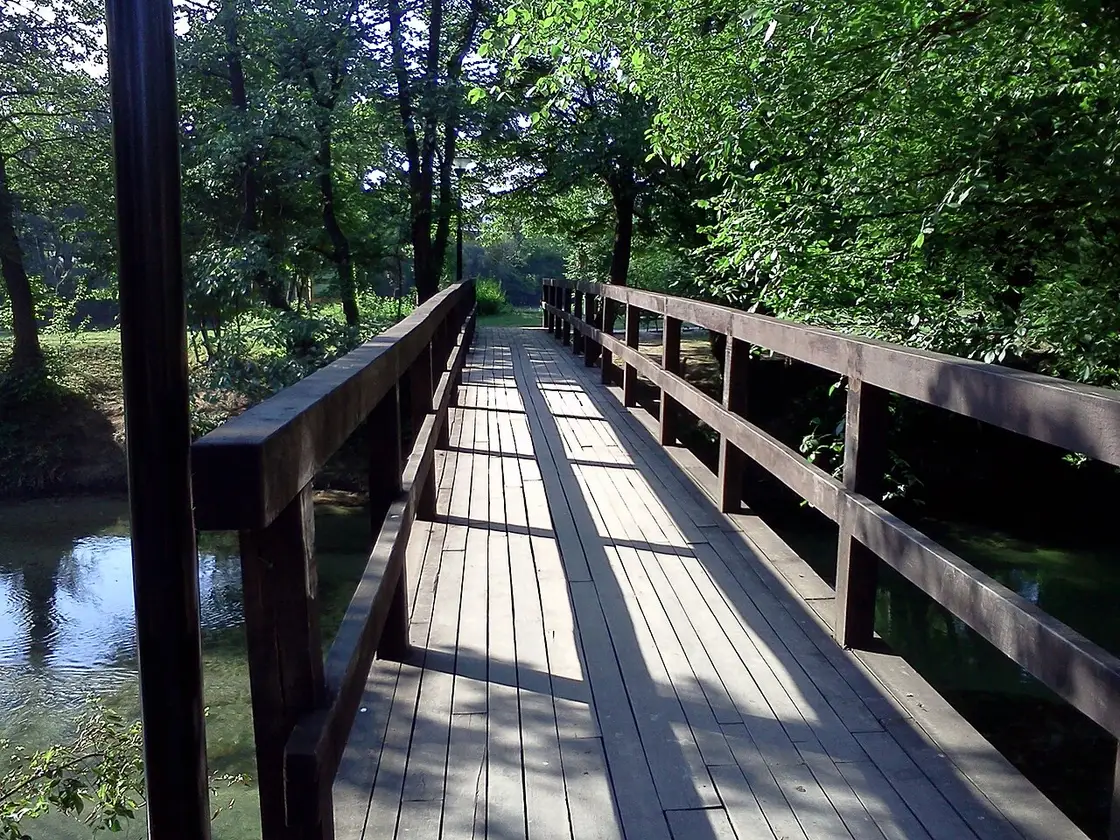
This is the far point of the northern leg. From here you turn around and drive back through Bihać, then push south up the valley into the national park proper, which is where the loop earns its name.
Martin Brod: the cascades at the park’s edge
The drive south to Martin Brod is the longest single leg of the trip, out to the park’s quiet southern corner where the Unac joins the Una. The reward is Milančev buk, a waterfall unlike the headline one to come. It’s not a single big drop but a complex of cascades tumbling roughly 54 metres over about 800 metres of tufa terraces and old mill channels, threading right past the village houses and watermills.
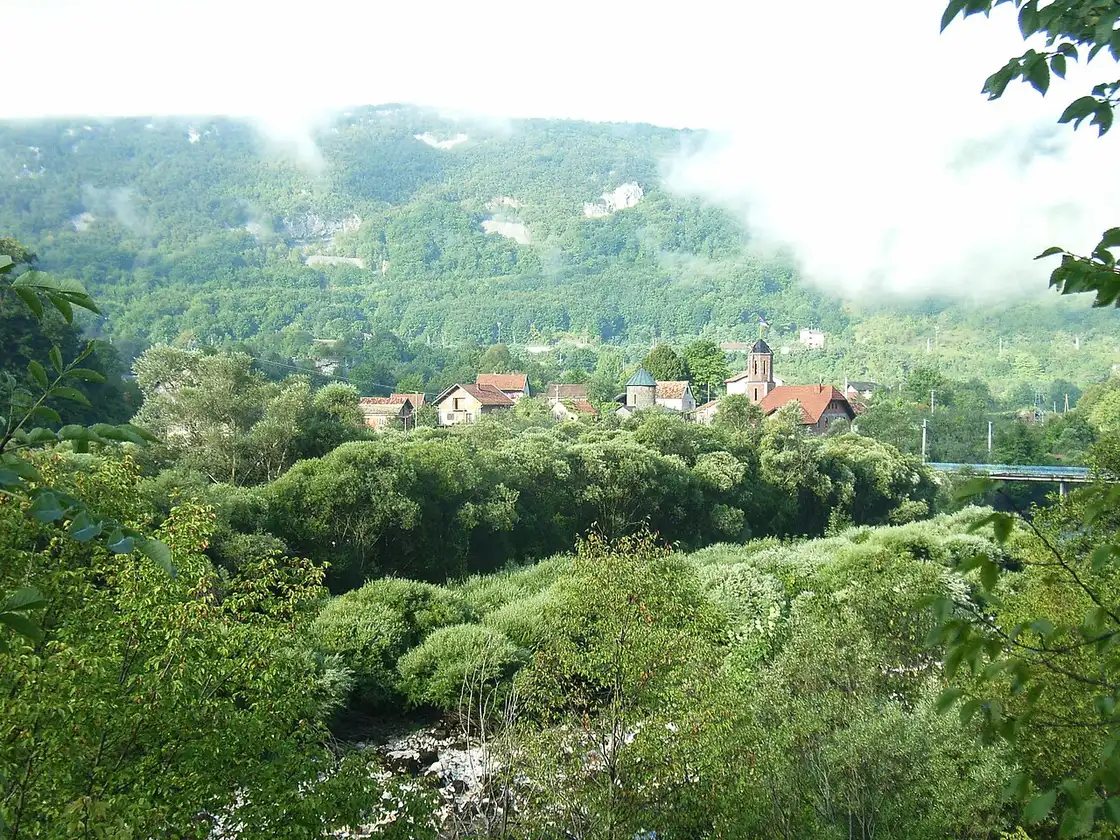
It’s greener, quieter and more intimate than Štrbački buk, the kind of place you wander for an hour rather than photograph in one shot. Martin Brod is also the traditional launch point of the summer Una Regatta, when a flotilla of kayaks and rafts drifts down the river. Given how far south it is, this is a sensible spot to be around the middle of the trip before working back downstream.
Kulen Vakuf and the Ostrovica fortress
Back north along the river, Kulen Vakuf is a riverside village wedged into a tight Una valley only about 3 km from the Croatian border, with mountains rising over a thousand metres on either side. Above it, on a wooded ridge, stand the ruins of Ostrovica, one of the largest fortresses in the region, built in the 15th century on far older foundations and abandoned in 1878 when Austria-Hungary took over. It’s roughly an 8 km climb up if you want the walls and the view.
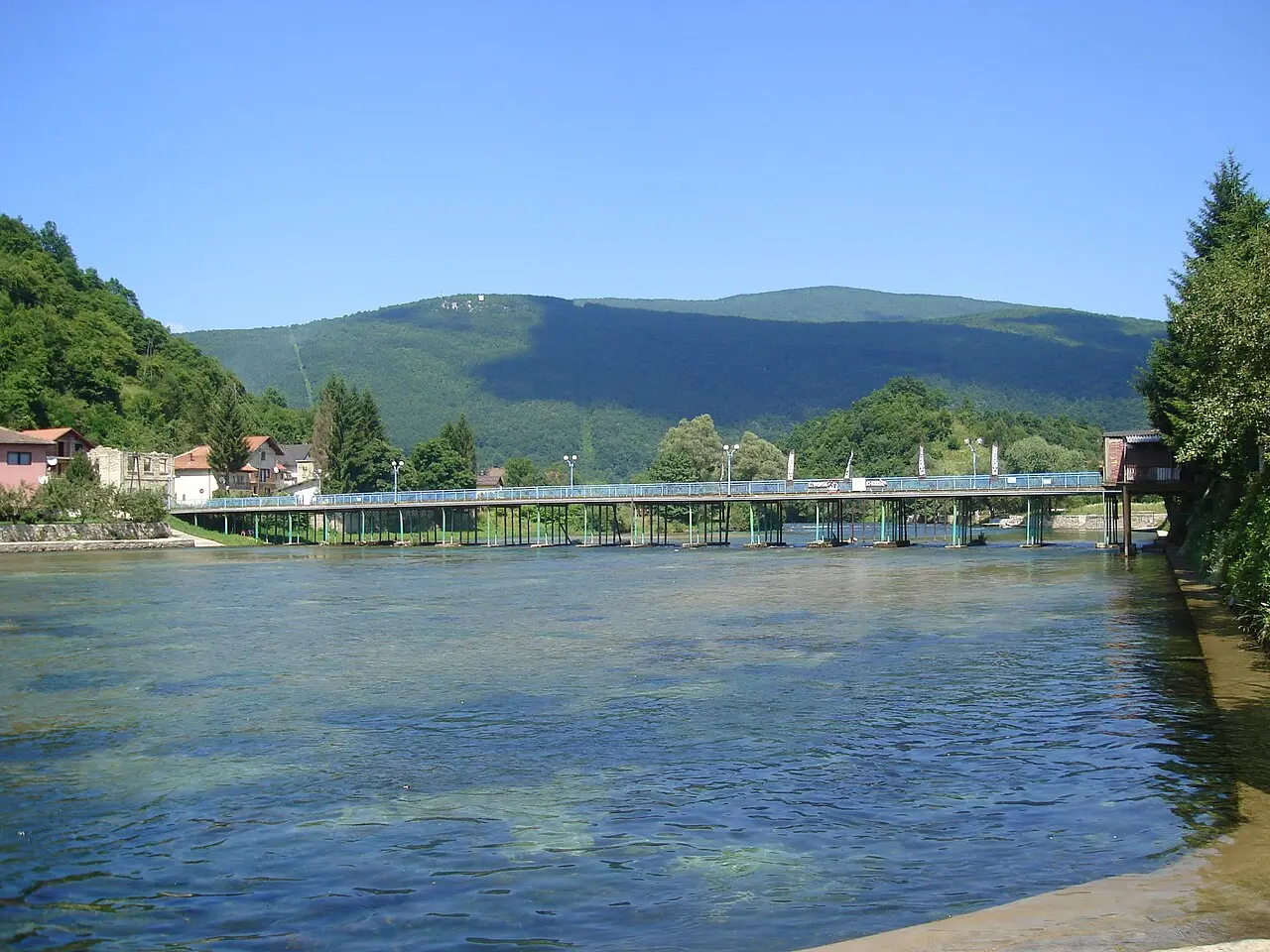
Kulen Vakuf is the best place to sleep on the southern leg if you would rather stay in the park than backtrack to Bihać each night. There are ethno-houses and small guesthouses on the water, and the swimming is superb. Where you actually base yourself, town or park, is worth thinking through with our where to stay for Una National Park guide.
Štrbački buk: the waterfall you came for
The last stop is the big one. Štrbački buk is the tallest and most photographed waterfall on the Una, a broad 24 to 25 metre staircase of white water pouring over tufa steps into a green pool, with the Croatian border running straight down the river so half the view is technically in another country. Wooden boardwalks and platforms line both banks, and a footbridge puts you head-on to the falls.
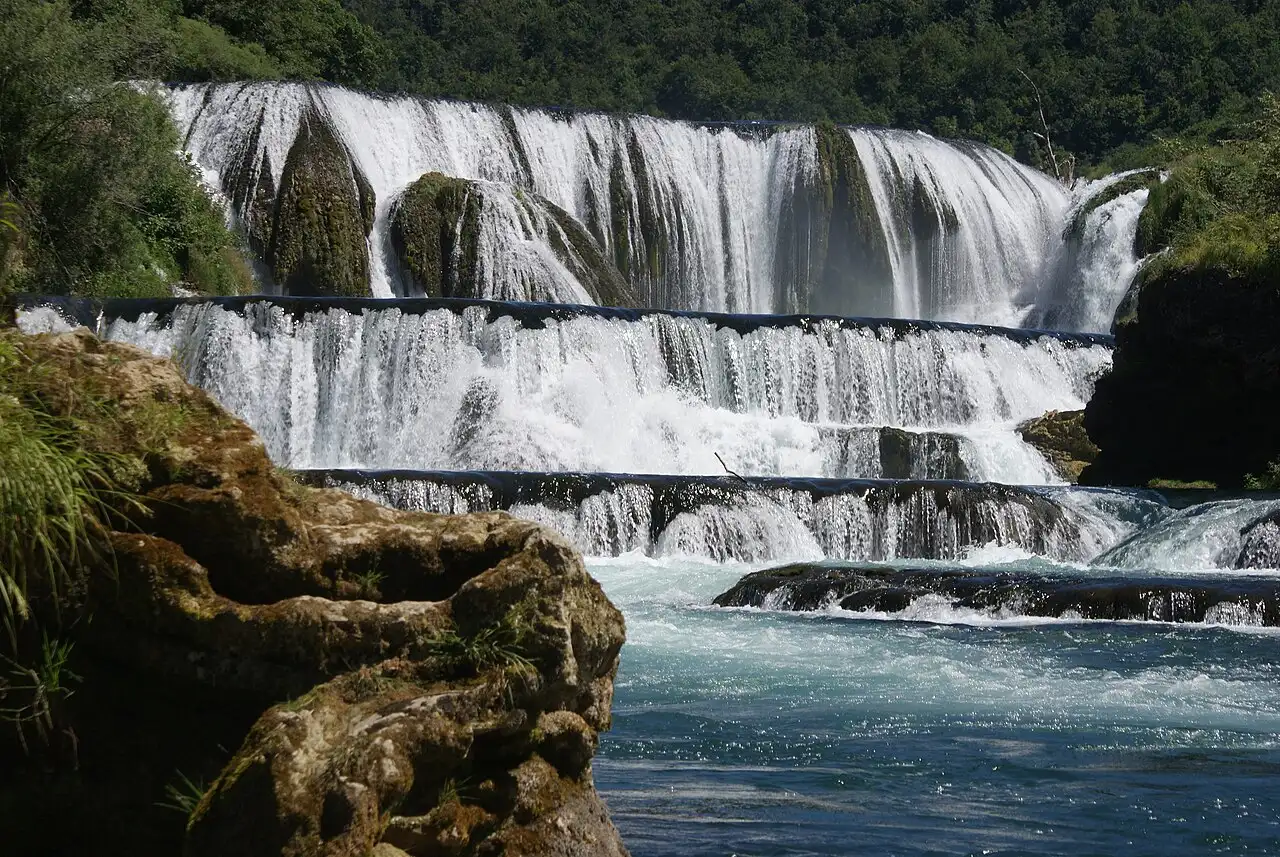
Getting there’s part of the deal: from Bihać you follow the road toward Orašac and the village of Ćelije, where park entrance number 3 is the easiest for a car, then grind down about 8 km of graded but potholed gravel to the viewpoint and the rafting put-in. Take it slow and allow time. Entry runs around 12 KM per adult (fees vary by gate and season, so confirm current rates on site), cash. This is the launch point for the wilder, higher-grade rafting on the upper Una; if you want to get on the water rather than just look at it, our guide to rafting in Bosnia compares the Una with the Tara and the Vrbas, and the full Una National Park and Bihać guide has the trip prices and sections.
How to run the loop
A few things that make it work:
- Split it around an overnight. Do the short northern leg (Ostrožac, Bosanska Krupa) on one half-day, sleep in Bihać or drive on to Kulen Vakuf, and give the southern waterfalls a full, unhurried day. Forcing all of it into two days means a lot of driving and rushed falls.
- Sleep in the park if you can. Kulen Vakuf and the riverside ethno-houses put you among the water for sunrise and evening swims, when the day-trippers have gone.
- Mind the gravel to Štrbački buk. The last 8 km from Orašac is unpaved and rough; a normal car manages it slowly in dry weather, but don’t expect to hurry.
- Cash in marks. Park gates, the castle and village konobas want KM. Some gates take euros, but bring marks to be safe.
- Pair it with Croatia. Plitvice is about an hour away over the border, so the Una fits naturally onto a Croatia trip; see our best time to visit Bosnia guide for timing the water and the crowds.
Run over two or three days, the Una loop gives you the country’s best river in one unbroken thread: two very different waterfalls, a castle full of history, and villages where people still swim off the bridges after work. For more of Bosnia’s cascades beyond this valley, our best waterfalls in Bosnia round-up sets Štrbački buk against Kravice and the rest, and if you’re stitching a bigger drive together, the 10-day Bosnia road trip folds the Una into a full northern leg.
Route day by day
- Days on the road
- 3
- Distance
- ≈190 km
- Budget from
- 120 EUR
- Best season
- May, June, July, August, September
The route at a glance
-
Bihać
Route startstop ≈0 min
Your base for the loop, a relaxed river town on the Una in the far northwest. Draw cash in convertible marks (KM), pick up a car, and use Bihać as the hinge between the northern leg (Ostrožac, Bosanska Krupa) and the southern one (Martin Brod, Kulen Vakuf, Štrbački buk).
Photo: Bjoertvedt / Wikimedia Commons, CC BY-SA 3.0 ( source) -
Ostrožac Castle
15 km from the startstop ≈75 min
A brooding castle on a hill above the Una about 14 km northeast, near Cazin. It stacks a medieval core, Ottoman additions and a neo-Gothic residence built in 1900-1906, plus an open-air sculpture park of 150-odd stone works. Opening times and any fee are informal, so ask locally.
Photo: Flammard / Wikimedia Commons, CC BY-SA 3.0 ( source) -
Bosanska Krupa
40 km from the startstop ≈90 min
A town where the Una meets the clear Krušnica, downstream of Bihać. The ruined Stari Grad fortress looks down from its hill, and the Green Islands park strings eight little river islands together with footbridges. Good for a swim and a coffee before the long run south.
Photo: Golden Bosnian Lily / Wikimedia Commons, CC BY-SA 4.0 ( source) -
Martin Brod
120 km from the startstop ≈120 min
The park's southern end, where the Unac joins the Una. Milančev buk is not one big drop but a spread of cascades falling about 54 m over 800 m of terraces and old mill channels, threading past the houses. Quieter and greener than Štrbački buk, and the traditional start of the summer Una Regatta.
Photo: Mazbln / Wikimedia Commons, CC BY-SA 3.0 ( source) -
Kulen Vakuf
135 km from the startstop ≈90 min
A riverside village in a tight Una valley about 3 km from the Croatian border, with the ruined Ostrovica fortress on the ridge above it. A calm place to swim, eat river trout and sleep right in the middle of the park.
Photo: Hasan Zulic / Wikimedia Commons, CC BY 3.0 ( source) -
Štrbački buk
160 km from the startstop ≈90 min
The Una's headline waterfall, a 24-25 m staircase of white water over tufa steps, right on the Croatian border. Entry is about 12 KM; reach it on an 8 km gravel road from Orašac via the Ćelije park gate. This is also the wild-water rafting put-in. Then it is roughly 29 km back to Bihać.
Photo: Nacionalni park Una / Wikimedia Commons, CC BY-SA 4.0 ( source)
Route map
The map with stops loads on click - to keep the page lightweight.
The map didn’t load. Check your connection and refresh the page.