Where to Stay in Una National Park
Where to stay for Una National Park: Bihać town for services, riverside Kulen Vakuf in the park, or an ethno-house or rafting camp on the Una.
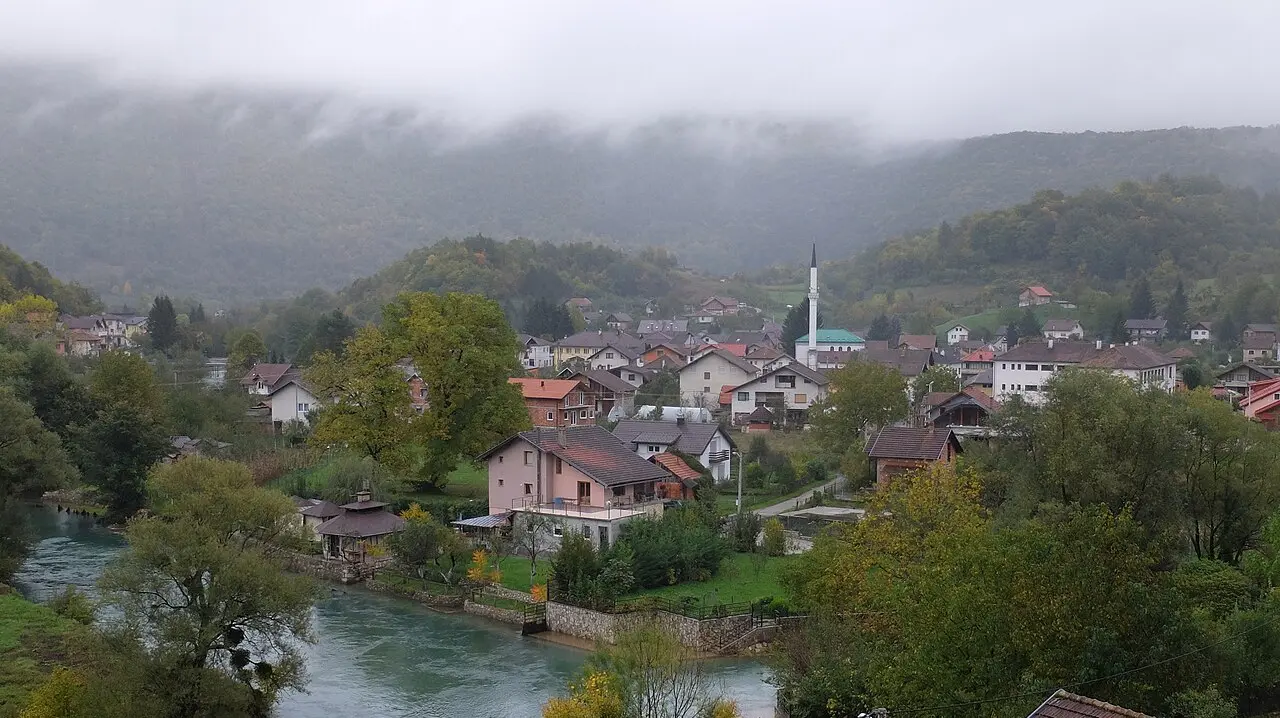
There are three ways to sleep near the Una, and the right one depends on what you’re here for. Base in Bihać, the gateway town, if you want hotels, restaurants, cash machines and a bus link, and don’t mind being a short drive from the wildest scenery. Base in Kulen Vakuf, the village in the heart of the park, if you’d rather wake up on the river a few minutes from the rafting. Or take a room in one of the ethno-houses or rafting camps strung along the water if you want the most immersive, off-grid version of all. This guide is only about where to sleep; what to actually do on the river, from the waterfalls to the fees, is covered in the Una National Park and Bihać guide.
The short version
- First visit, want it easy: Bihać. Most beds, most food, works without a car and out of season.
- Here for the river and the rafting: Kulen Vakuf, in the park and closest to the put-ins.
- Want the full escape: an ethno-house or a rafting camp on the Una, most of them near Štrbački buk or down at Martin Brod.
- No car: Bihać, without much debate. The village and camp stays really want your own wheels.
One thing to fix in your head first: this is the far northwest corner of Bosnia, roughly five hours from Sarajevo but about an hour from Plitvice, two and a half to three from Zagreb. Plenty of people reach the Una from Croatia rather than from the rest of Bosnia, and where you’re coming from shapes how many nights the trip is worth.
Bihać: the practical base
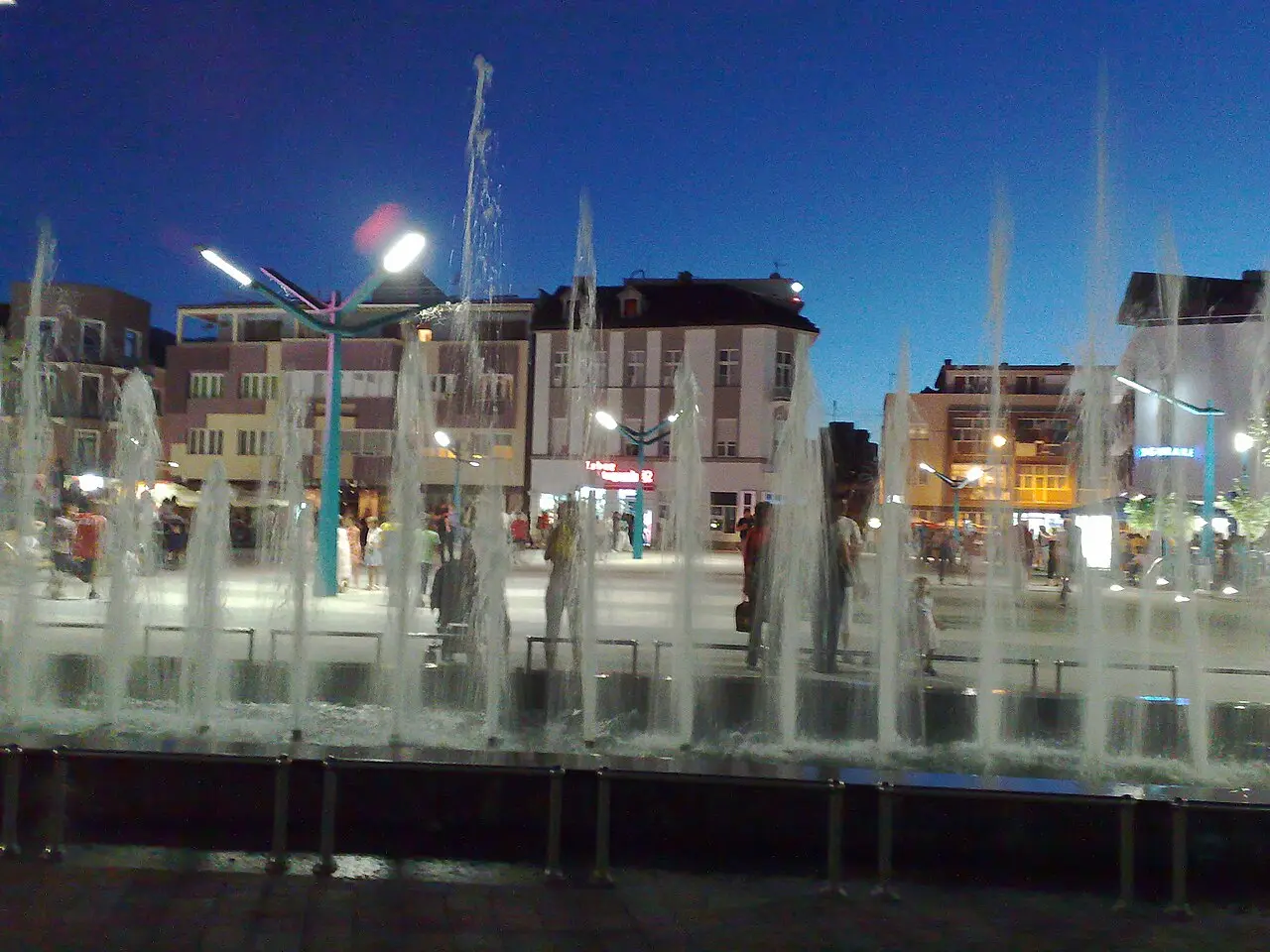
Bihać is the region’s main town and the obvious first choice. It sits right on the Una, so you still get the green river running through the middle of your stay, but with the things a town gives you: a proper spread of hotels and guesthouses, restaurants and bakeries, ATMs and shops, and the bus station that connects you to Zagreb, the coast and the rest of Bosnia. If you’re arriving without a car, or travelling outside the summer rafting season when the village places go quiet, Bihać is the answer almost by default.
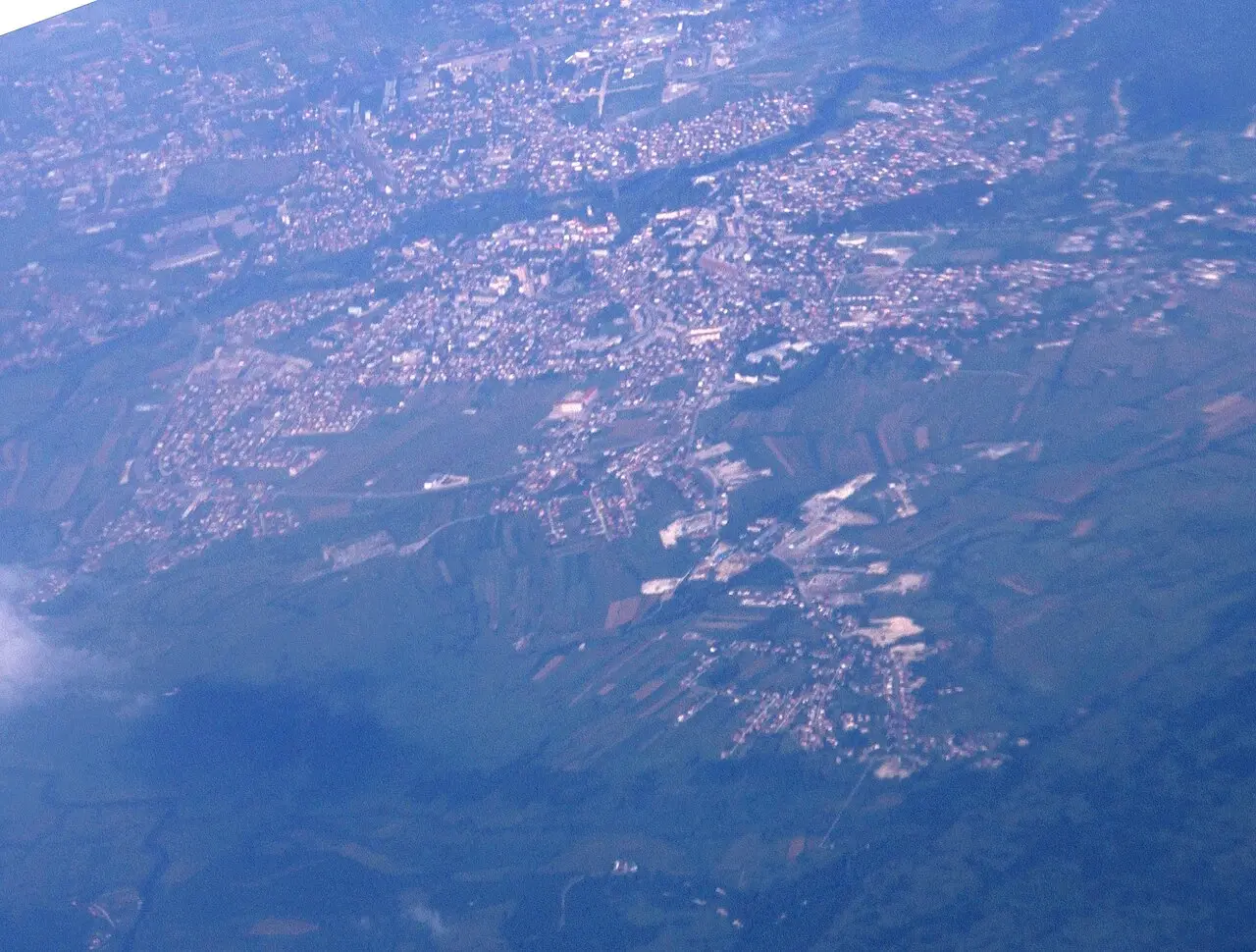
The catch is distance from the best of the park. The big waterfall at Štrbački buk is about 24 km south, and Martin Brod further still, so from a Bihać base you’re driving out to the scenery each morning rather than stepping into it. That’s no hardship with a car and a fine trade for the comfort, but it’s the reason people chasing the river itself often move deeper in. For a night or two, staying central near the main square keeps the restaurants and the riverside walks on your doorstep, and our Bihać city guide covers the half-day of sights - the Gothic church that has been a mosque since 1592, the Captains Tower museum - that fill a slow morning in town.
Bihać is also the only base that works properly on public transport. Buses run here from Zagreb, Sarajevo and the Croatian coast, and it’s a common first stop for people crossing from Plitvice, which sits just over the border. Once you’re in town you can walk it, and a guided rafting trip will usually collect you from your Bihać hotel and run you out to the river, which is how most car-free visitors see Štrbački buk. Move out to the village or a camp and that safety net largely disappears.
Kulen Vakuf: the base in the park
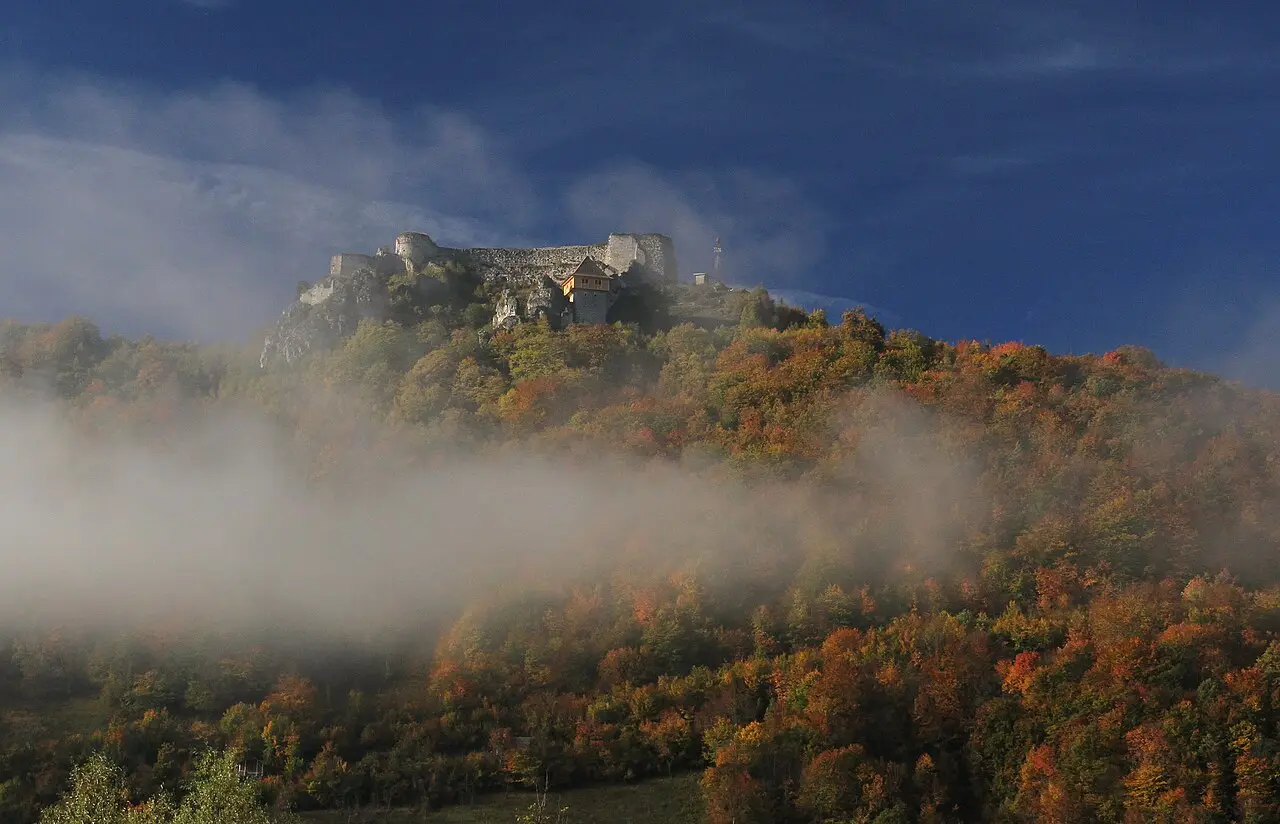
Drive about 40 km south, a good half-hour, and you reach Kulen Vakuf, a small village set on a loop of the Una in the middle of the national park. This is the base for people who came for the river. Štrbački buk is only around 16 km away, so the rafting put-ins are close, and the pace is a different world from the town: guesthouses and apartments right on the water, the ruined Ostrovica fortress on the hill above, and mornings quiet enough to hear the current.
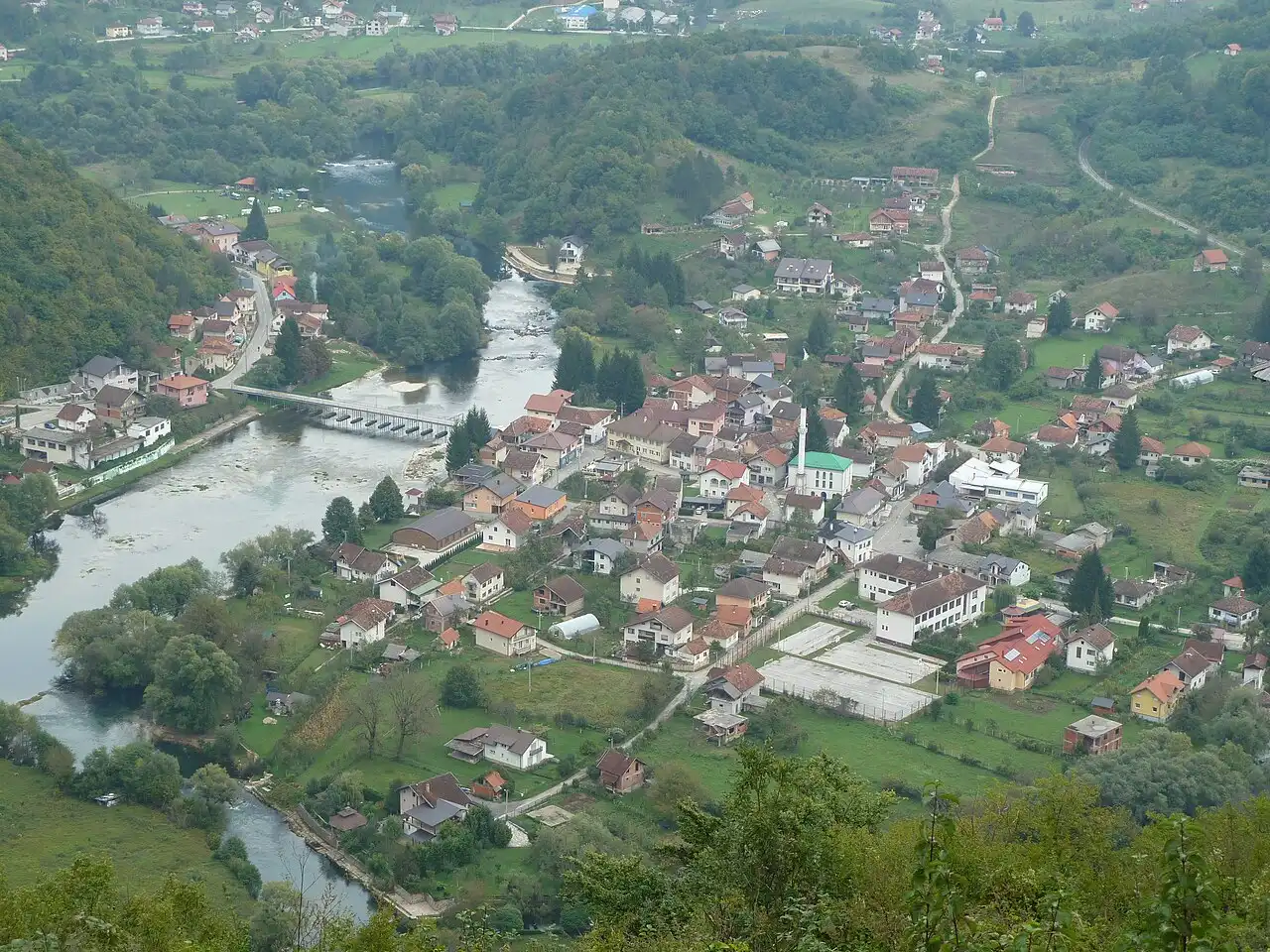
What you give up is convenience. There’s no real high street, card machines are scarce, and you’ll want to arrive with enough convertible marks in cash to see you through, plus your own transport to move between the village, the falls and Bihać. The reward is the setting and the food: several of the family-run places do home cooking, and eating a plate of trout and pie on a terrace over the Una is the sort of evening people remember the trip for. If your plan is centred on rafting and swimming rather than sightseeing a town, this is the base to pick.
Ethno-houses and rafting camps: the immersive base
For the most complete escape, skip the settlements and stay on the river itself. Along the Una and its tributary the Unac, mostly around Štrbački buk and down at Martin Brod, are ethno-houses run by local families and the riverside rafting camps that the operators keep. These range from simple wooden cottages and campsites to lodges built for anglers, and the appeal is the same in each case: you’re on the water, the food is usually home-cooked and included, and the rafting or fly-fishing starts from the door.
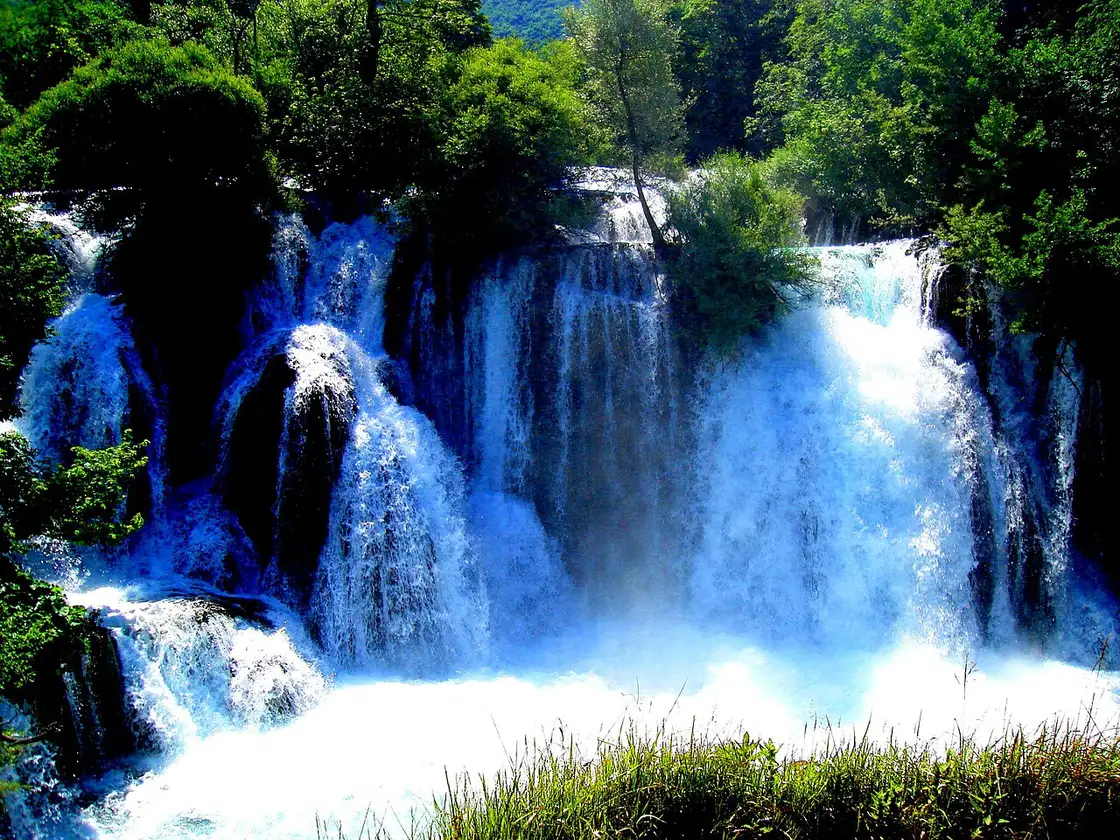
This is the base with the highest reward and the least backup. Many of the camps run only through the rafting season, roughly April to October, so check they’re open before you set your heart on one, and expect to book the raft and the bed as a package with the same operator. You’ll definitely need a car or a transfer arranged by the camp, and you’ll want cash. Come here to switch off entirely; don’t come expecting a shop around the corner.
Prices, season and how long to stay
Costs out here are reasonable by any measure. Guesthouses and ethno-houses in and around Kulen Vakuf run from budget to comfortable mid-range, often with half-board thrown in, while the smarter hotels in Bihać sit a notch above; the rafting camps commonly bundle the bed with the trip. As a fixed point, a half-day guided raft runs about 100 to 105 KM per person including park entry and gear, and confirming the current rate and what’s included is worth a message before you commit. Rates and opening both swing with the season, so book ahead for July and August and check twice for anything outside the summer.
Two nights is enough for most people: one to raft and see Štrbački buk, one for the quieter stretches and Martin Brod. Because the park is so close to Croatia, it also slots neatly onto a Plitvice trip, and a fair few travellers tack a Una night onto a Croatian itinerary rather than looping all the way back through Bosnia. If you only have the one night and no car, make it Bihać and take a guided raft; if you have two and do have wheels, spend the second in Kulen Vakuf or a river camp, where the evenings are the real prize. Whether you make it a Bihać base with day drives, or a village or camp stay in the thick of it, comes back to the same question of comfort against setting. For what there is to do once you’ve chosen, see the Una National Park and Bihać guide and the wider run of the country’s best waterfalls; to slot the Una into a longer route, our where to stay in Bosnia overview sets it against the other bases, and getting around Bosnia covers the long haul out here. Pick your base for how you like to travel, and the Una does the rest.
Photos
Read also

Before you go · 10 min read
Where to Stay in Medjugorje: Pansions & Hotels
Updated · August 25, 2026Where to stay in Medjugorje: guesthouses near St James Church, pilgrim hotels, peak dates, and whether to sleep here or day-trip from Mostar.

Before you go · 9 min read
Where to Stay in Jajce: Hotels by the Waterfall
Updated · August 23, 2026Where to stay in Jajce: old-town hotels steps from the Pliva Waterfall, lakeside rooms by the watermills, and which base suits a one-night stop.

Before you go · 11 min read
Mostar or Trebinje: Which Herzegovina Base?
Verified · August 18, 2026Mostar or Trebinje as a Herzegovina base: crowds, hotel prices, summer heat, Dubrovnik access and wine - pick the nights that fit your trip.

Before you go · 7 min read
Cash, Cards and Tipping Across the Balkans in 2026
Verified · August 15, 2026Twelve currencies, three of them the euro, and two pegged to it. What is fixed, what is a habit, and where you still need notes in your pocket.