Split to Mostar: How to Get There
How to get from Split to Mostar: the bus, driving and transfers - 170 km, 3 to 3.5 hours, one border (an EU ID card is fine), day trip or overnight.
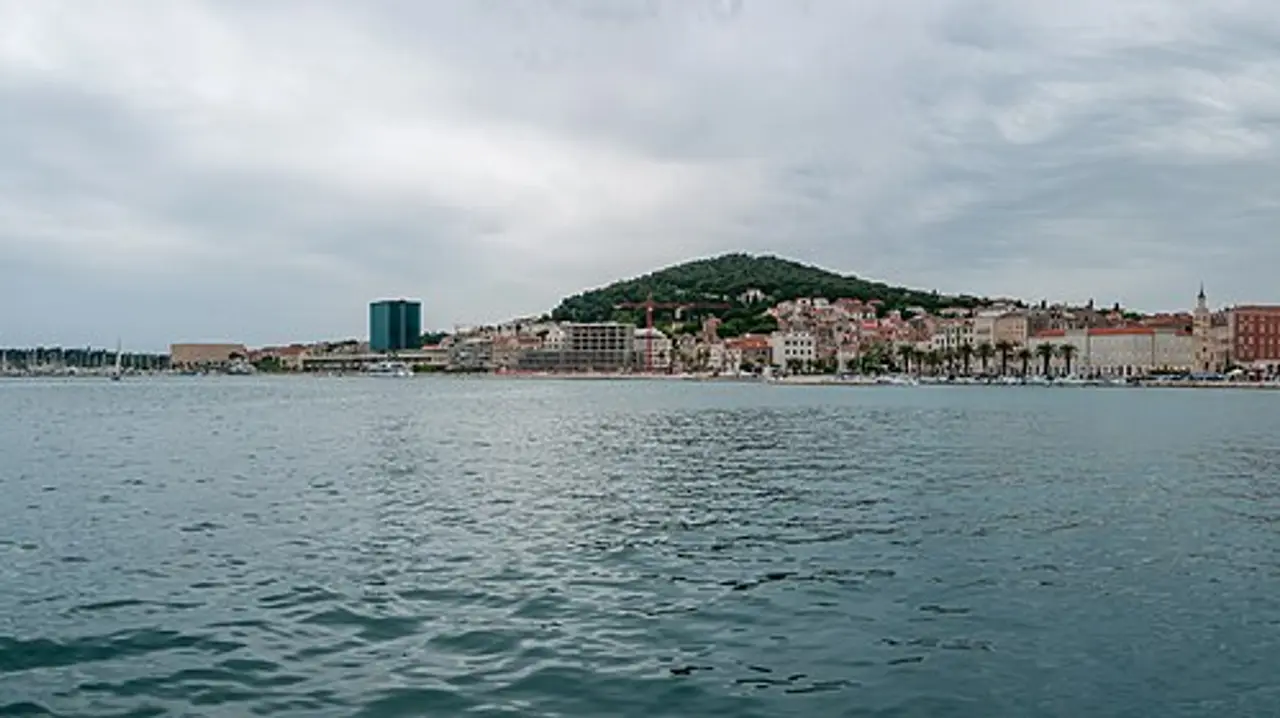
Short answer: from Split, the bus is the usual way to Mostar, with about three departures a day, a fare from roughly €25 to €35, and a ride of 3.5 to 5 hours depending on the border. Drive it yourself and the same trip shrinks to 170 km and 3 to 3.5 hours before the crossing, with the bonus of stopping wherever you like along the way. Only one border stands between the two, Croatia into Bosnia: an EU, EEA or Schengen ID card clears it, and everyone else, UK and US passport holders included, needs a full passport. It’s one of the most popular runs off the Dalmatian coast, partly because the first stretch down the Adriatic Highway is a scenic drive in its own right. This guide covers the bus, the drive, a private transfer, and whether Mostar works as a day trip or is better as a night. If you’re starting further south, the Dubrovnik to Mostar guide covers that shorter run instead.
The distances, honestly
Two numbers float around for this route, and both are right. The direct road distance is about 170 km, which a car covers in roughly 3 to 3.5 hours before the border. The bus runs longer, closer to 215 km, because it follows the coast road south past the Makarska riviera before turning inland, and with stops and the crossing that becomes 4 to 5 hours. So don’t be surprised to see your journey quoted at wildly different lengths; the drive is shorter than the coach because it can cut inland sooner.
Money changes hands at that same line. Croatia runs on the euro; Bosnia’s currency is the convertible mark (KM / BAM), pegged at roughly 1.96 to the euro, and plenty of small places around Mostar simply won’t take euros. Change a little into KM before you need it, whether that’s a coffee, a taxi from the bus station, or the entry fee at Blagaj or Kravice.
The border crossing
This trip crosses one border, and it’s a genuine international frontier, since Bosnia sits outside both the EU and Schengen. Coaches and cars bound for Mostar tend to use the quieter inland posts, Kamensko or Bijača, well clear of the busier Dubrovnik corridor further south, so the wait here is usually shorter, at least outside peak summer weekends.
Here’s the part worth getting straight, and it’s friendlier than a lot of older guides suggest. Bosnia admits EU, EEA and Schengen nationals (along with citizens of neighbours such as Albania, Montenegro, North Macedonia and Serbia) on a valid national ID card for up to 90 days in any 180 - no passport needed. If your passport is from outside that group, such as the UK, US, Canada or Australia, then you do need a valid passport to enter. So everyone travelling has to carry a valid travel document, whether on the bus or in a car: an ID card if you’re an EU/EEA/Schengen citizen, a passport otherwise. On the bus, expect the standard routine: at the Croatian post passengers usually step off for document control, and on the Bosnian side the driver collects documents and takes them to the booth. Out of season it is a quick formality; in July and August it can add 15 to 45 minutes, occasionally more, so leave yourself slack if you’ve anything to catch at the far end.
Entry rules change and depend on your nationality - confirm the current position with the Bosnian Border Police or your own country’s travel advice before you travel (checked 2026-07-04).
By bus
No car? This route is well served. Roughly three services a day run from Split to Mostar, typically an early-morning departure, a late-morning one, and one in the late afternoon, operated by companies including FlixBus, Globtour and Centrotrans/Eurolines. Fares start from around €18 and run up to about €30 depending on the operator and how far ahead you book. In peak season it is worth reserving a day or two early, since seats on the popular morning runs sell out.
The catch to plan around is the timetable rather than the price. Because the ride is 4 to 5 hours each way once the coast road and the border are counted, the three daily departures don’t always line up for a comfortable same-day return, and the late-afternoon service can land you in Mostar in the evening. Buses leave from Split bus station, right by the ferry port and a few minutes from the old town, and arrive at Mostar’s main bus station in the north of the city, a short walk or taxi from the Old Bridge. Tickets are sold at the station or through aggregators like Omio, GetByBus and Busbud.
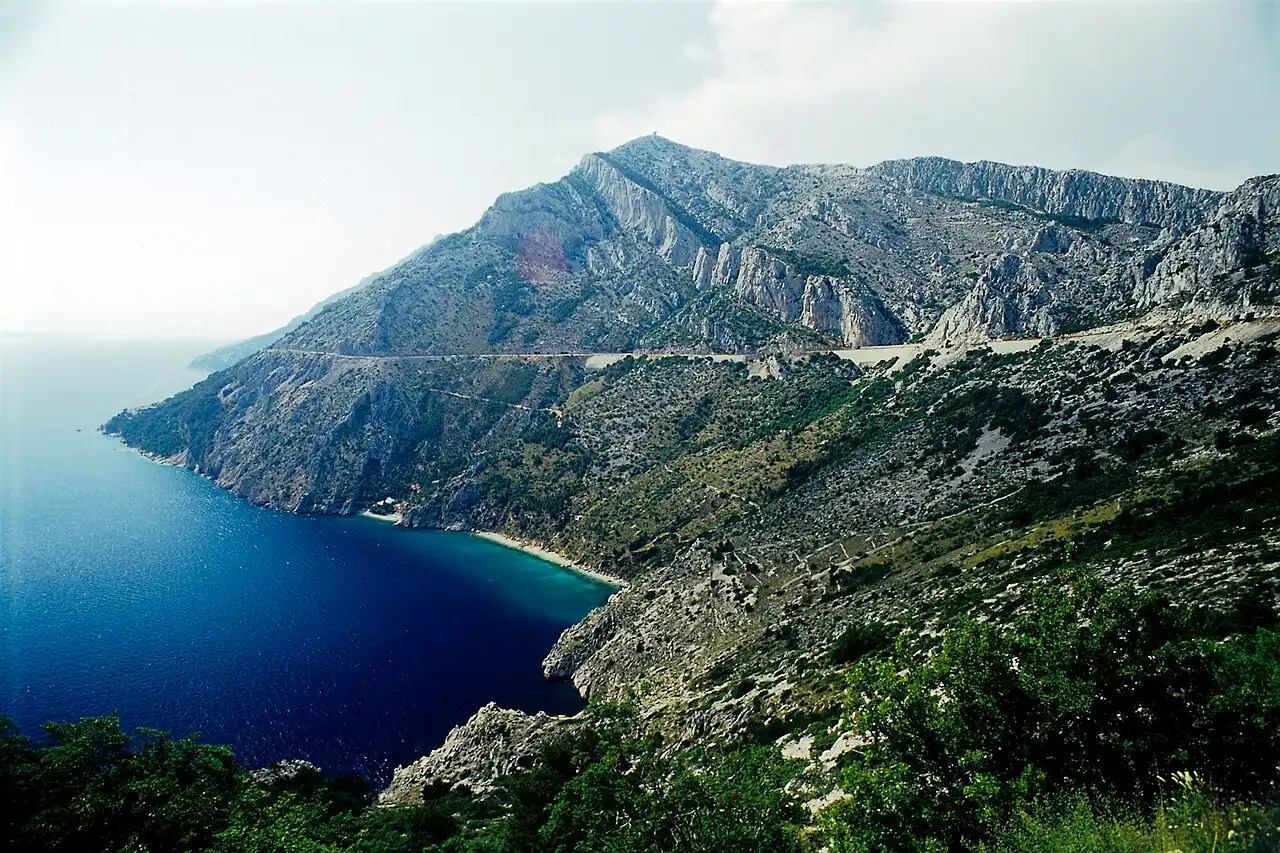
The upside no one mentions on the price comparison is the view. The coach spends its first hour or more on the Adriatic Highway, threading along the cliffs past the Makarska riviera with the Biokovo massif rising on one side and the sea on the other, before it swings inland near the Neretva. For a cheap intercity bus, it’s an unusually good ride.
By car
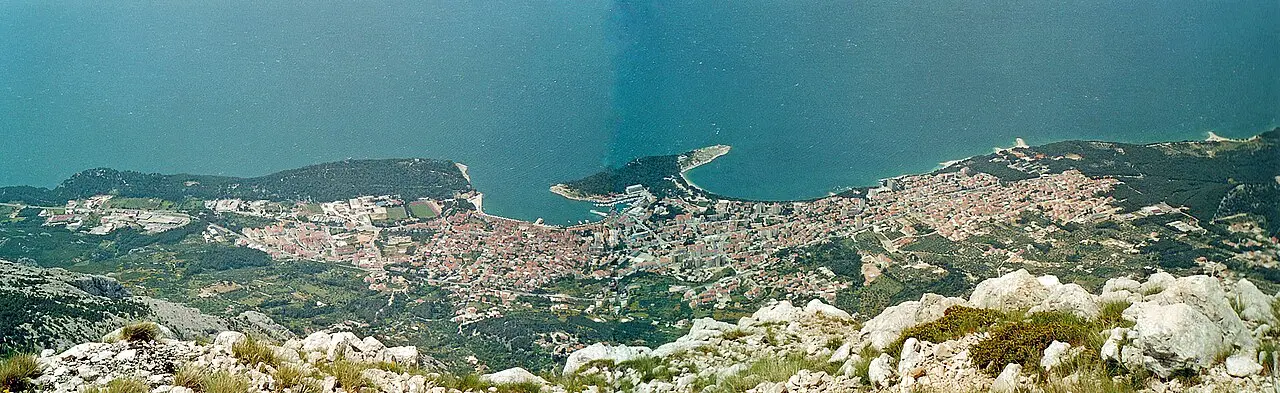
Take the wheel yourself and you control the timing and can turn the trip into a full day of sightseeing. It’s quicker than the bus, about 3 to 3.5 hours for the 170 km plus the border, because you can leave the coast road for the inland route sooner. The drive also opens up stops the coach can’t make: the coastal towns of the Makarska riviera on the Croatian side, and on the Bosnian side the falls at Kravice and the Ottoman village of Počitelj, both a short detour off the road up from the coast.
One piece of admin decides whether driving is smart: the cross-border rules. A car hired in Croatia taken into Bosnia needs the rental company’s written permission, usually with a cross-border fee attached - flag the plan when you book and check it’s on the paperwork. Since 2021 a Croatian plate’s cover has been recognised in Bosnia on its own, so a Green Card certificate isn’t legally required at this border, though desks often still call the paperwork that, and a car without the company’s own sign-off can be turned back at the frontier regardless. And if you pick the car up in Split and don’t return it there, expect a one-way drop fee, which is where the bus or a transfer can quietly work out simpler for a one-way hop. First time driving in the country? Our driving in Bosnia guide runs through the tolls and the two-lane pace, and the Bosnia car rental guide has the booking and cross-border detail.
By private transfer
Skip the timetable altogether and a private transfer takes you door to door in about 3 to 3.5 hours. A driver collects you at your Split accommodation, handles the border crossing without anyone unloading bags at the booth, and for a bit more will build in a stop at Kravice or Počitelj on the way, turning a transport leg into a half-day out. Split it four ways among family or friends and the per-head price closes in on what the bus would have cost anyway. Since you’re only travelling one way, weigh it against a one-way car hire and its drop fee, not against a cheap weekly rental you’d bring back to Split.
Day trip, or stay over?
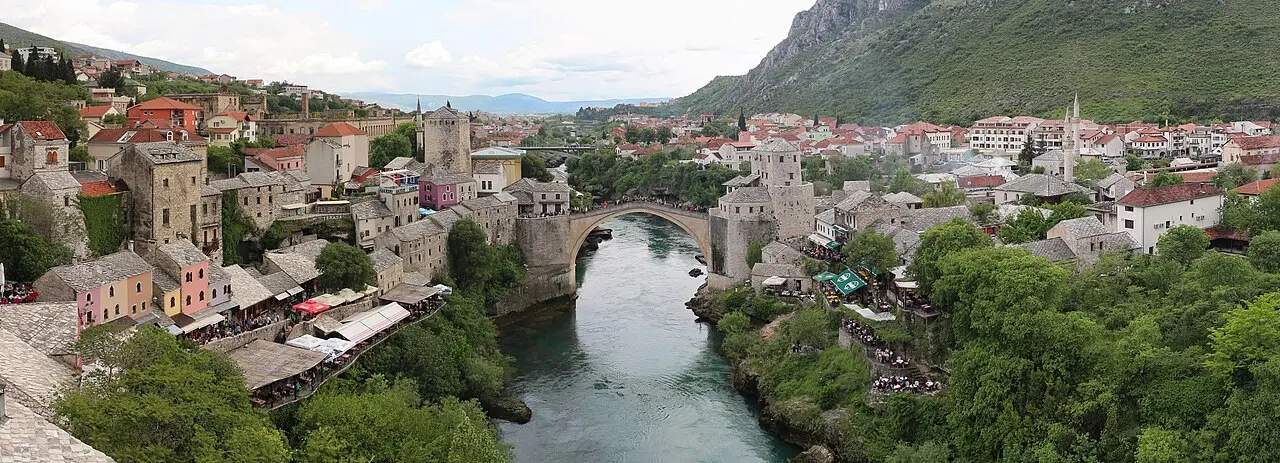
Split to Mostar is a popular day trip, but be realistic about the maths. At 3 to 3.5 hours each way by car, or longer by bus, a same-day return is a long day with only a few hours in Mostar in the middle. It works if you drive or take a transfer, leave early, and accept that the town will be at its busiest when you’re there. By bus alone the timings rarely cooperate for a clean there-and-back.
Staying a night is the more rewarding call if Mostar matters to you. You get the Old Bridge at dawn and after dark, once the day-trippers have gone and the bazaar quietens, and time to add Blagaj, Počitelj and Kravice without racing the clock. It also puts you in position to carry on into Bosnia rather than doubling back to the coast, and if the capital is your real target, our Split to Sarajevo guide covers the full run past Mostar up the Neretva. Our guide to things to do in Mostar helps you weigh how long the town deserves.
Which to choose
Line it up against your trip:
- No car, keeping it cheap → the bus. Three a day, from about €18, and the coast leg is a scenic bonus. Best if you’re staying over or travelling one way.
- You want to stop at Kravice or Počitelj → drive, or book a transfer that builds the stops in, since the coach runs straight past them.
- Door to door, no border shuffle → a private transfer, which for a group becomes a private day tour with a Kravice stop for not much more than the bus per head.
Once the transport is decided, the shape of the day sorts itself: the coast leg down the Adriatic Highway does the scenery, the turn inland at the Neretva does the crossing, and Mostar does the rest. Two small things smooth it - have the right travel document ready for everyone (an ID card for EU/EEA/Schengen travellers, a passport for the rest), and in summer set off early enough to reach the border before the afternoon backs up. Mostar is also a natural staging point deeper into Bosnia rather than the end of the road: from here the classic next leg is the train up the Neretva canyon to the capital, which our Sarajevo to Mostar guide covers in full, and the wider transport section maps out the rest of the country.
Photos
Read also

Transport · 11 min read
Sarajevo Public Transport: Trams, Buses & Tickets
Verified · September 3, 2026How Sarajevo trams, trolleybuses and buses work: GRAS fares in KM, where to buy tickets, the Javni Prevoz KS app, and when to walk instead.

Transport · 13 min read
Bosnia-Montenegro Border Crossings: What to Expect
Verified · August 24, 2026Bosnia-Montenegro at Hum, Klobuk, Deleuša and Zupci: real insurance rules, honest queue ranges, rental car paperwork, and which crossing fits your route.

Transport · 11 min read
Sarajevo to Travnik & Jajce: Bus and Driving Guide
Verified · August 22, 2026Sarajevo to Travnik and Jajce: Centrotrans bus from 26.50 KM, or drive 90 min to Travnik, 2h50 to Jajce. One corridor, both towns. Checked August 2026.

Transport · 10 min read
Sarajevo to Trebinje 2026: Drive 4h or 07:45 Bus
Verified · August 15, 2026Sarajevo to Trebinje: 222 km, about 4 hours by car via Foča and Gacko. Morning bus from East Sarajevo; confirm the fare at the window.