Split to Sarajevo: All the Ways to Travel
Split to Sarajevo by bus, car or transfer: about 6 to 7 hours, one border, mornings only. Plus the weekend train combo up the Neretva. Which to choose.
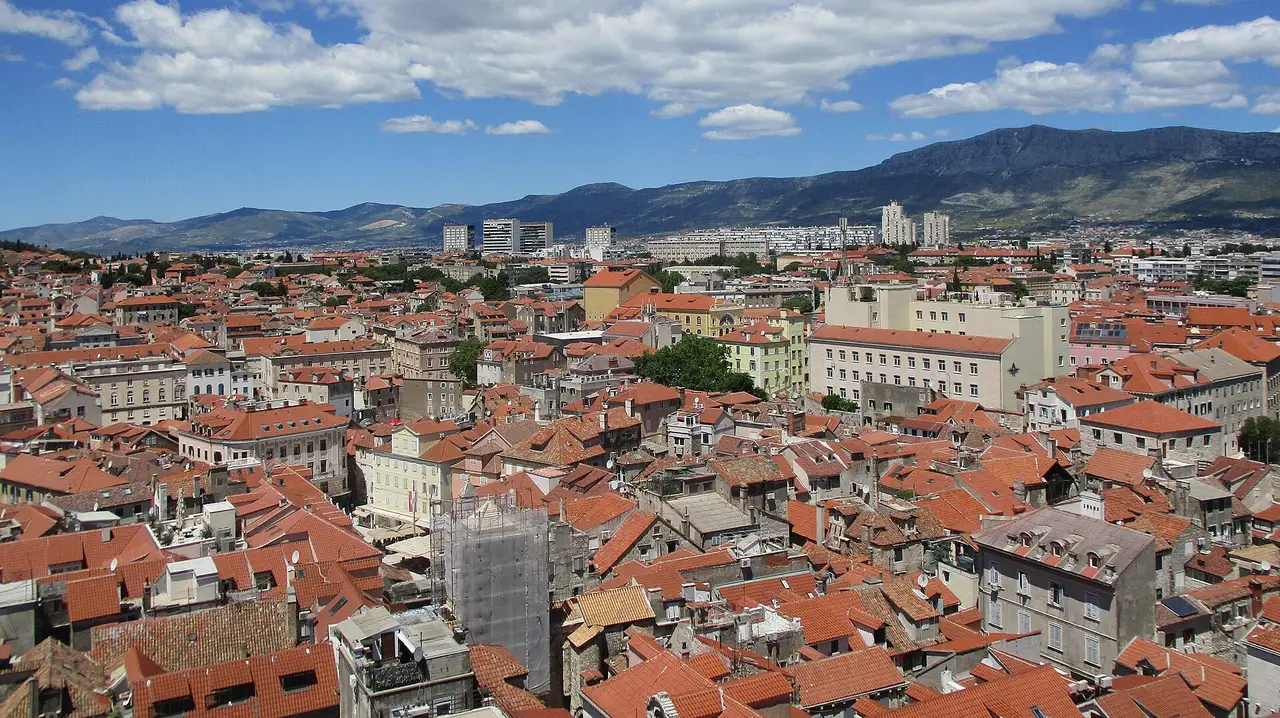
Getting to Sarajevo from Split takes longer than most people expect. The bus runs two to six times a day, almost all before lunch, for six to seven hours and fares from about €30 to €50. Driving trims that to four and a half to five hours once the border is added in, with the freedom to stop wherever you like. You’ll cross exactly one frontier, Croatia into Bosnia, where an EU, EEA or Schengen ID card is enough and everyone else needs a full passport. There’s also a wildcard almost no other guide mentions: a weekend train up the Neretva from the coast. This is the full run to the capital, not the shorter Mostar hop, so it’s a longer and more inland trip than the popular Split to Mostar guide covers.
Split to Sarajevo, or Split to Mostar?
Worth settling first, because they get muddled. Mostar is about 170 km from Split and makes a genuine day trip; the road up from the coast reaches it in three to three and a half hours by car. Sarajevo is another 130 km or so beyond Mostar, up the Neretva canyon and over the hills, which pushes the total to roughly 280 to 310 km and six to seven hours by bus. That extra leg changes everything: Split to Sarajevo is really an overnight or a one-way move, not a there-and-back in a day. If your heart is set on the Old Bridge and you want to be back on the coast for dinner, you want the Mostar guide, not this one. If Sarajevo is the goal, read on.
The money changes there too. Bosnia runs on the convertible mark (KM / BAM), pegged at about 1.96 to the euro, rather than Croatia’s euro, and Sarajevo shops, taxis and cafés generally expect marks, not euros, even for small amounts. Get some cash out early rather than hunting for an ATM on your first evening in the capital.
The bus: the workhorse
Without a car, the bus does the job comfortably. Between operators such as FlixBus, Globtour, Globus Turist and Centrotrans, you get around two to six departures a day, and here’s the catch nobody spells out: they’re bunched in the morning, roughly 07:30 to 13:30, with little or nothing in the afternoon. Miss the last mid-afternoon coach and you are waiting until tomorrow. Fastest services run near five and a quarter hours, but most land at six to seven once the coast road and the border are counted, and fares sit around €30 to €50, cheaper midweek and on Sundays if you book ahead.
Buses leave from Split’s central bus station, right by the ferry port and a few minutes’ walk from the old town and Diocletian’s Palace. At the far end, most arrive at Sarajevo’s main bus station on the Federation side, but check your ticket, because a few carriers use the separate East Sarajevo terminal in Republika Srpska, further out and a different taxi ride. Tickets are sold at the station or through Omio, GetByBus and Busbud.
The quiet upside of the coach is the ride. Because it follows the coast south past the Makarska riviera before turning inland near the Neretva delta, the first hour or more is a scenic drive under the Biokovo mountains, then it climbs the green Neretva valley through Mostar, Jablanica and Konjic. For a cheap intercity bus, the scenery is a genuine bonus. The one thing to plan around isn’t the price but the morning-only timetable.
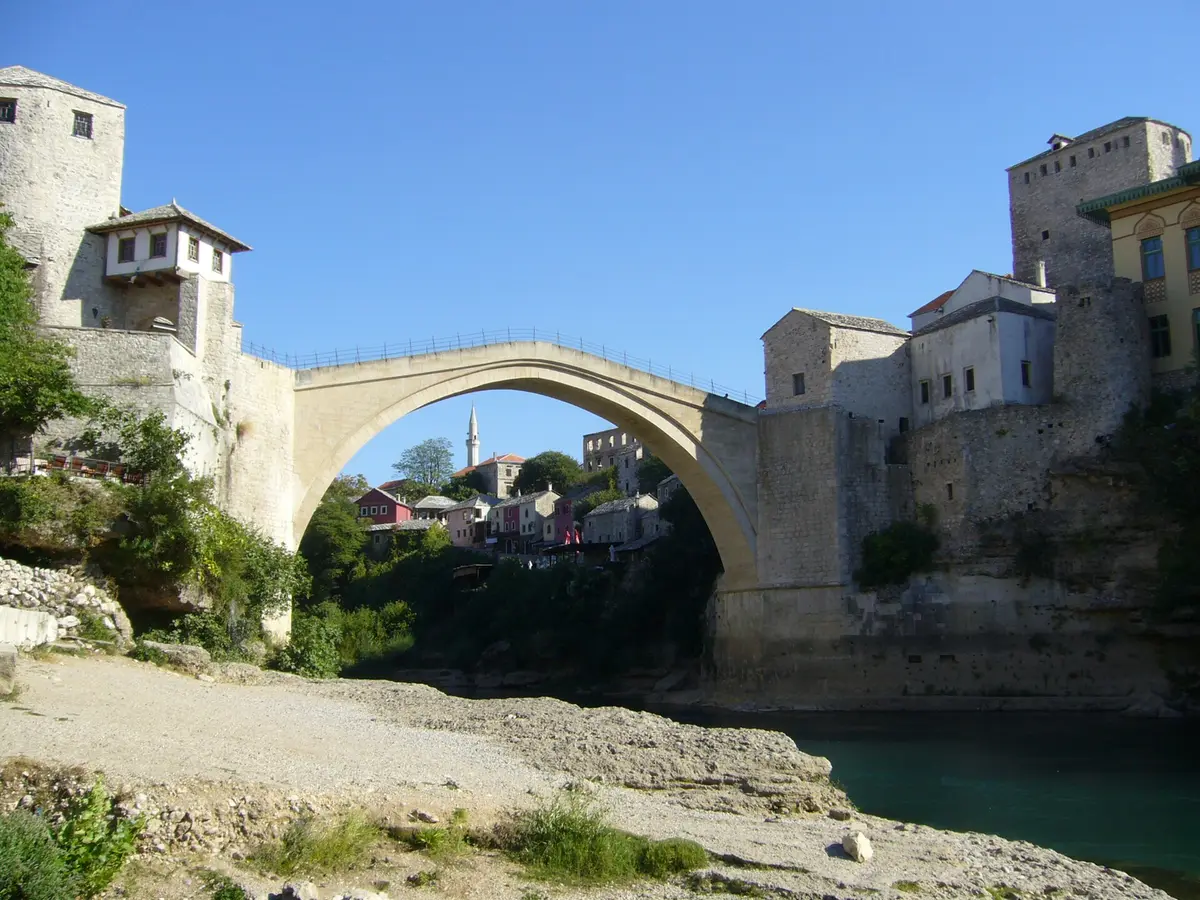
The smart stop: break the journey in Mostar
Here is the move few travellers think of: Mostar is right on the route, so instead of a punishing single haul you can split the trip. Take a morning bus to Mostar, spend the afternoon and a night seeing the Old Bridge, Blagaj and the bazaar without the day-tripper crowds, then carry on to Sarajevo the next day. It costs no more than two separate short tickets, and it turns a long transport day into two easy half-days with the region’s headline sight in the middle. Our guide to things to do in Mostar helps you decide how long the town deserves, and from there the final leg is the one covered in our Sarajevo to Mostar guide, travelled in reverse up the canyon.
The wildcard: the weekend train up the Neretva
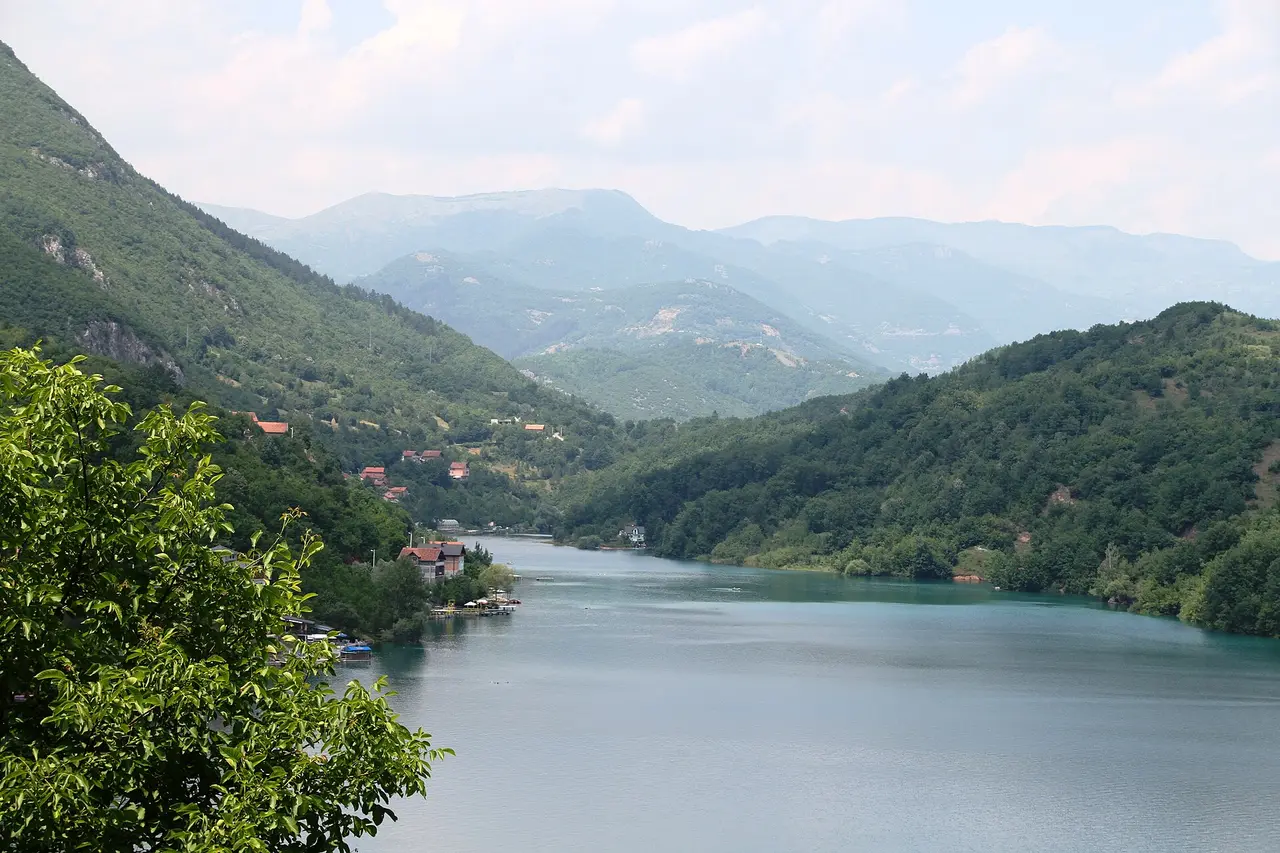
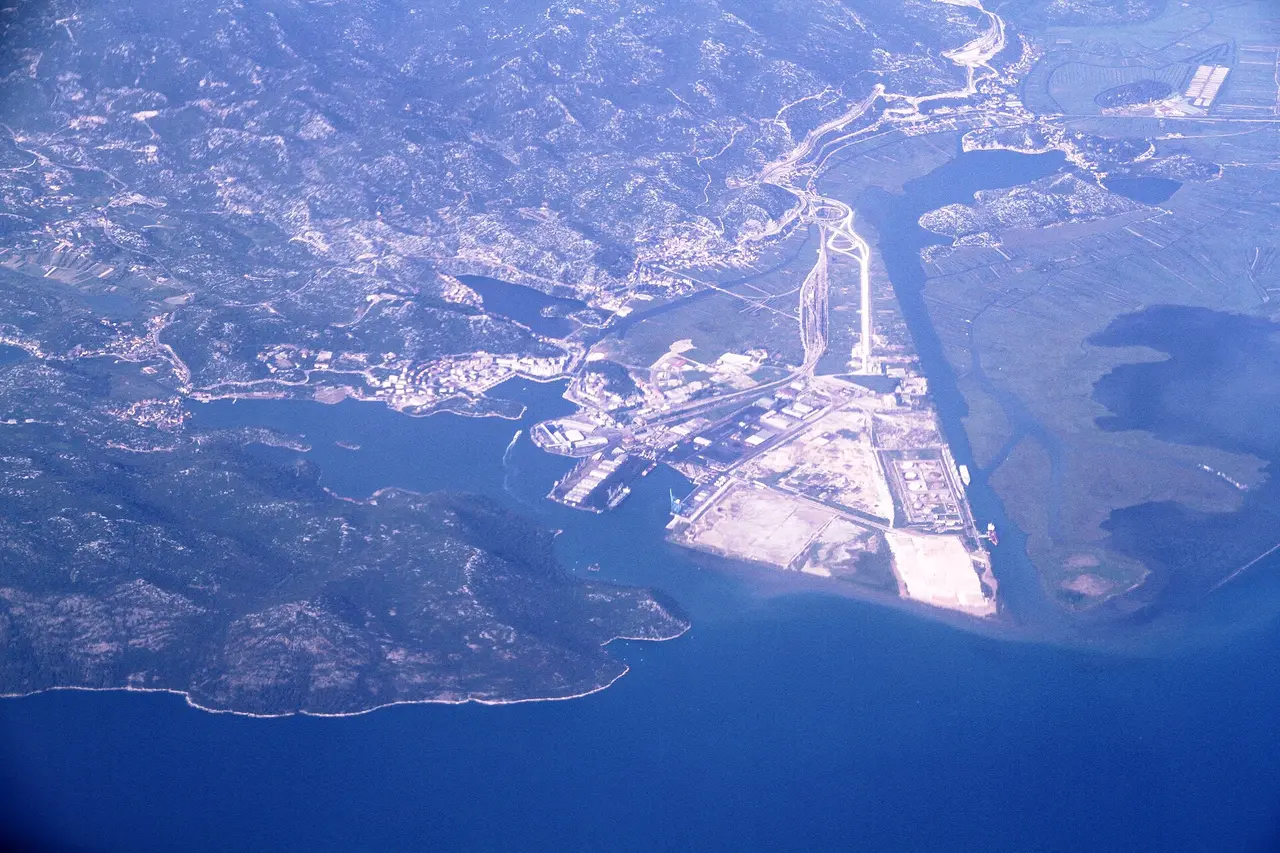
This one is niche, but it’s real and it’s lovely. For summer 2026 a seasonal train runs weekends between Sarajevo and Ploče, a Croatian port about 130 km down the coast from Split. Northbound toward Sarajevo, it leaves Ploče at 15:40 on Sundays (the Saturday return runs early, at 05:05), calling at Mostar on the way and reaching Sarajevo in the evening, all for 29.30 KM one-way. So a slow, scenic combination exists: take a bus or drive the short coast hop from Split down to Ploče, then ride the rails up the Neretva canyon to the capital.
Be honest with yourself about the trade-offs. It runs weekends only (Friday, Saturday and Sunday), the connection eats time, and it’s far slower than the through-bus. But if you love a train and the scenery, it is one of the best rail rides in the Balkans, and it skips the summer border queues on the coastal road. Just remember the timetable can shift, so recheck the current times and fares with the railway before you build a day around it.
Driving and private transfers
Your own car buys you control of the timing and room to fold in stops. It’s quicker than the bus, about four and a half to five hours for the run plus the border, because you can leave the coast road sooner and keep moving up the inland route. It also opens up detours the coach can’t make: the falls at Kravice and the Ottoman village of Počitelj on the Bosnian side, both a short turn off the road up from the coast.
Two pieces of admin decide whether driving is smart. A car hired in Croatia taken into Bosnia needs the rental company’s written permission, usually with a cross-border fee on top - flag the plan when you book and check it’s on the paperwork. A Croatian plate has counted as valid cover in Bosnia on its own since 2021, so a Green Card certificate isn’t actually a legal requirement here, though many desks still label the extension that, and a car without the company’s own authorisation can still be turned back at the frontier. And since Split and Sarajevo are in different countries, a one-way hire carries a drop fee. Not driven in Bosnia before? Our driving in Bosnia guide covers what the two-lane network is actually like.
Don’t fancy driving, and the morning-only bus doesn’t fit your plans? A private transfer covers the same ground door to door in about four and a half to five hours, one driver handling the whole run including the border, so nobody unpacks bags at the booth. Ask and most will fold in Mostar, Kravice or Počitelj along the way for an extra fee, turning the journey itself into a day out. It costs the most of the three options, but shared between a family or a group of friends the price per person catches up with the bus fast; since Sarajevo is a one-way destination from Split, judge it against a one-way rental and its drop fee, not against a cheap round-trip hire.
The border, and summer 2026
There’s exactly one border on this trip. Heading for Sarajevo, drivers and coaches usually take the same quiet inland posts as the Mostar-bound traffic, Kamensko or Bijača, rather than the busier Dubrovnik crossings further south, which keeps the queue shorter here on an ordinary day, if not necessarily on a July Saturday. What actually matters is the document in your pocket: Bosnia admits EU, EEA and Schengen nationals on a valid national ID card for up to 90 days in any 180, while travellers from outside that group, such as the UK, US, Canada or Australia, need a valid passport. Whichever applies to you, bring it - nobody crosses this line without one.
One update for this summer: the EU’s biometric Entry/Exit System is now live at Croatia’s borders, so a first registration takes longer than the old stamp and can add to peak-time queues, as our guide to the Bosnia to Croatia border crossing explains. Rules can change and depend on your nationality, so confirm the current position with the Bosnian Border Police before you travel (checked 2026-07-06).
Which to choose
Keeping it simple with no car, book the bus a day or two ahead in summer, remember the departures are morning-only, and check which Sarajevo terminal your ticket actually lands you at. Want Mostar folded into the trip rather than glimpsed from a bus window on the way past? Take a morning service, break the journey there for a night, and finish the run to Sarajevo the next day - of the four options, this is the one that turns a transport day into part of the holiday. Got a free weekend and a soft spot for trains? The seasonal service up from Ploče is worth the detour on its own, slow and scenic in a way no coach can match. Prefer door to door with no shuffling bags at the border, or a stop at Kravice and Počitelj built in? That’s a private transfer or your own car, cross-border permission (still often called a Green Card at the desk) settled and the drop fee priced in before you sign anything.
Whichever you pick, Sarajevo is the real reward at the end of the line, and it’s a natural base for the rest of the country. Plan onward from our getting around Bosnia hub once you’ve arrived.
Photos
Read also

Transport · 11 min read
Sarajevo Public Transport: Trams, Buses & Tickets
Verified · September 3, 2026How Sarajevo trams, trolleybuses and buses work: GRAS fares in KM, where to buy tickets, the Javni Prevoz KS app, and when to walk instead.

Transport · 13 min read
Bosnia-Montenegro Border Crossings: What to Expect
Verified · August 24, 2026Bosnia-Montenegro at Hum, Klobuk, Deleuša and Zupci: real insurance rules, honest queue ranges, rental car paperwork, and which crossing fits your route.

Transport · 11 min read
Sarajevo to Travnik & Jajce: Bus and Driving Guide
Verified · August 22, 2026Sarajevo to Travnik and Jajce: Centrotrans bus from 26.50 KM, or drive 90 min to Travnik, 2h50 to Jajce. One corridor, both towns. Checked August 2026.

Transport · 10 min read
Sarajevo to Trebinje 2026: Drive 4h or 07:45 Bus
Verified · August 15, 2026Sarajevo to Trebinje: 222 km, about 4 hours by car via Foča and Gacko. Morning bus from East Sarajevo; confirm the fare at the window.