Zagreb to Sarajevo 2026: 8-Hour Bus or 50-Min Flight
Zagreb to Sarajevo in 2026: the bus takes 7-8 hours and costs EUR 25-55, or fly it in 50 minutes. No direct train runs. Which option fits your trip.
Short answer: from Zagreb, the bus is the everyday way to Sarajevo, with roughly four to nine departures a day depending on the day of the week, a ride of about seven to eight hours, and fares from around €44 to €60. There’s no direct train (the line was suspended in 2016, and while talks to revive it are live, nothing runs today, so don’t plan around one). If you would rather not sit on a coach all day, Croatia Airlines flies the hop in about 50 minutes, and driving your own car takes roughly four and a half to five hours plus the border. This is the main northern gateway into Bosnia, and unlike the coastal runs from Split or Dubrovnik, it’s an inland motorway trip that only turns slow once it crosses the Sava. Here’s how each option really stacks up.
The honest distances and times
Zagreb and Sarajevo are about 410 to 415 km apart by road, which sounds like a quick motorway blast and mostly is, until Bosnia. The Croatian side runs down the fast A3 through Slavonia; the Bosnian side is largely two-lane road through the hills, shared with trucks and slower than the map suggests. So the drive is four and a half to five hours of movement, and the bus, with stops and the crossing, stretches to seven to eight. As the crow flies it’s only about 277 km, which is why the flight feels so short.
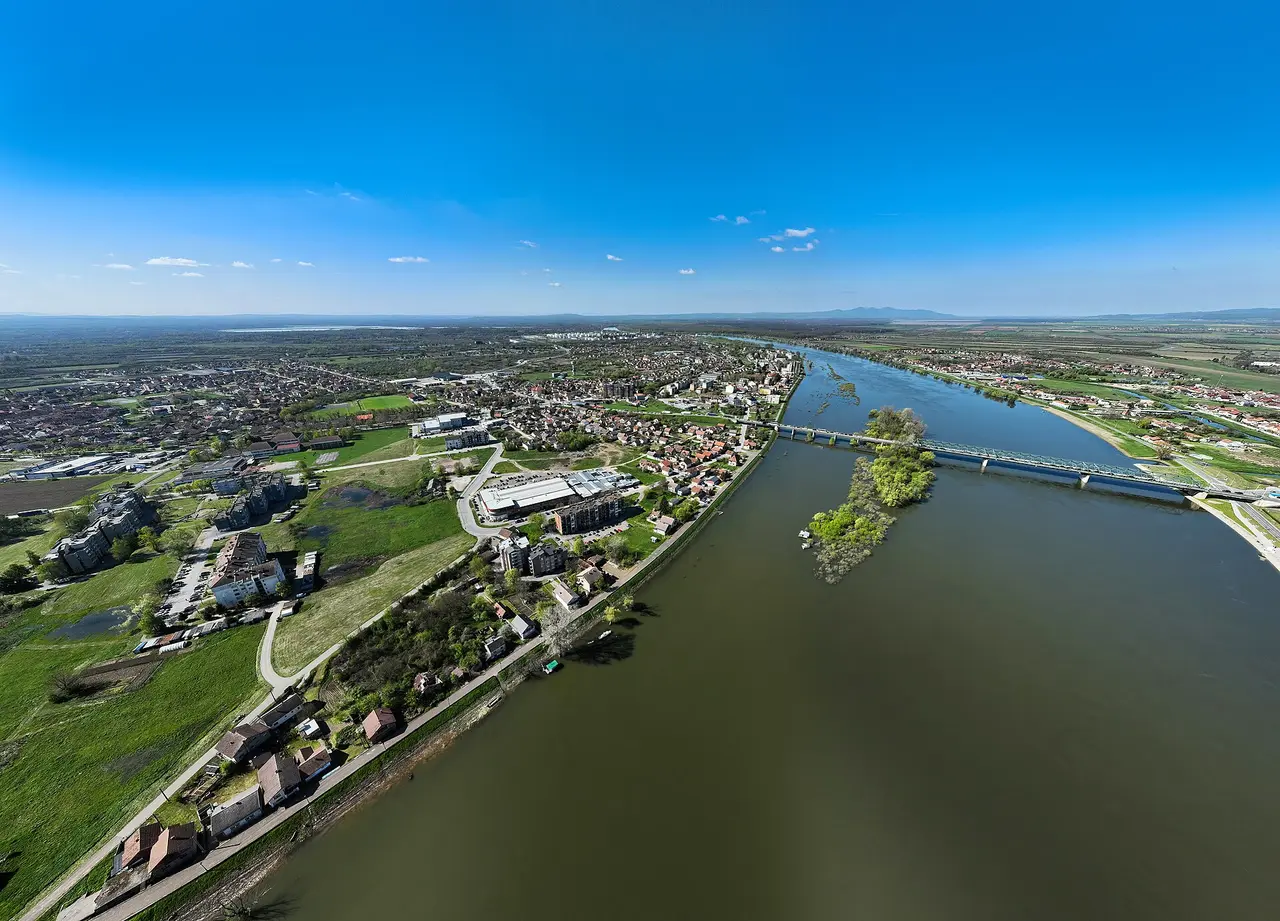
The one fixed obstacle is the border. There is a single Croatia-Bosnia crossing on this trip, usually in the Slavonski Brod area where the road bridges the Sava river. Bosnia sits outside the EU and the Schengen area, so this is a real frontier with document checks, not a wave-through. EU, EEA and Schengen citizens can cross on a national ID card; travellers from the UK, US, Canada, Australia and elsewhere need a passport. Out of season it’s a quick formality; it can slow down on busy summer days.
One more thing to sort before you go: currency. Croatia is on the euro; Bosnia uses the convertible mark (KM / BAM), pegged at about 1.96 to the euro, and it’s not taken everywhere. Carry a little cash in marks for a coffee, a taxi or a station kiosk once you cross.
The bus: the default choice
For most people without a car, the bus is the obvious answer, and the route is well served. Several operators run it between them, including FlixBus, Globtour, Croatia Bus, Centrotrans and FILS, so on a typical day you get somewhere between four and nine departures, more midweek and fewer at the weekend. FlixBus alone lists around three direct services a day from about €44, with departures skewed to the afternoon and evening. Across all operators, aggregators quote fares from roughly €25 to €55 and a fastest run near six and a quarter hours, though most services land at seven to eight.
A practical detail worth knowing: Zagreb buses leave from the Central Bus Station (Autobusni kolodvor) on Avenija Marina Držića. At the far end, check which Sarajevo terminal your ticket uses. Most services arrive at the main bus station on the Federation side of the city, but some carriers use the separate East Sarajevo terminal (Istočno Sarajevo) in Republika Srpska, which is further from the old town and a different taxi ride. It is an easy thing to overlook and an annoying one to discover at 11pm.
Buy ahead in summer. Tickets are sold at the station, on the operators’ own sites, or through Omio, GetByBus and Busbud, and the popular departures on busy days do sell out. The coach is comfortable and cheap; it is simply a long day, because a 410 km trip that would be four hours of pure motorway becomes seven once you add the slower Bosnian roads, the stops and the frontier.
The train: not running (for now)
If you have read older guidebooks or seen a rail line on the map, set the idea aside. There is no direct train between Zagreb and Sarajevo. The service was suspended in December 2016 and hasn’t returned. As of 2026 the railways on both sides are talking about restoring it, with a study completed and a possible relaunch floated for the December 2026-27 timetable, but that’s a plan, not a timetable you can book. Turn up expecting a train and you’ll be buying a bus ticket instead.
There’s one cross-border train in the region, and it is worth knowing about even though it does not help on this route: the seasonal weekend service from Sarajevo down to Ploče on the Croatian coast, which runs along the same scenic Neretva line as the Sarajevo to Mostar route. It runs south to the Adriatic, not north to Zagreb, so it’s a scenic add-on to a Bosnia trip rather than a way to arrive from the Croatian capital.
The flight: 50 minutes, if the timing suits
The quiet option most people forget is to fly. Croatia Airlines runs the main non-stop service, Zagreb to Sarajevo in about 50 minutes, on small turboprops, with roughly two to three flights a day in summer - check the current schedule for your date. On paper it turns an eight-hour slog into an hour.
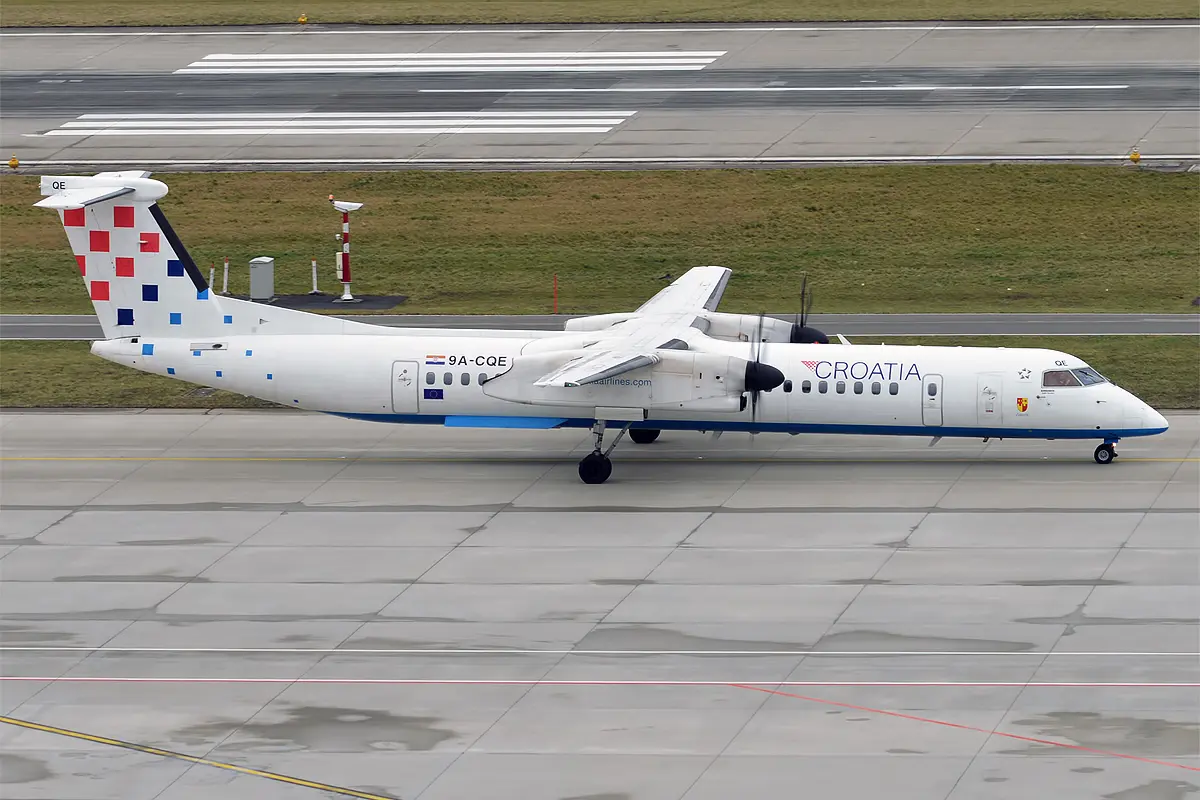
Two caveats keep it from being an automatic win. First, the real door-to-door time isn’t 50 minutes: add getting to Zagreb airport, checking in, and the run from Sarajevo airport into town, and a short flight loses a lot of its edge on a trip this length. Second, fares are often well above the bus, and there’s not always a same-day departure at a useful hour. Where flying makes real sense is if you are connecting through Zagreb from further afield and would rather add a short leg than start a long overland day. Once you land, our Sarajevo airport to city guide has the tram, bus and taxi fares in convertible marks; the airport sits about 12 km southwest of the centre.
Driving it yourself
Hiring a car makes sense if you want to control your own timing or fold the trip into a wider Balkan loop. It’s quicker than the bus, roughly four and a half to five hours for the 410-odd km plus the crossing, because you skip the coach’s stops and can keep moving on the fast Croatian A3. It also lets you break the run at Banja Luka, the largest city in northern Bosnia and a natural halfway pause.
The admin is the thing to get right. A car hired in Croatia and taken into Bosnia needs the rental company’s written permission, usually with a cross-border fee attached - flag the plan when you book and check it’s on the paperwork. Since 2021 a Croatian plate’s cover is recognised in Bosnia on its own, so a Green Card certificate is not a legal requirement at this border, though it’s still what many desks call the extra paperwork, and a car without the company’s own sign-off can be turned back at the frontier regardless. And since Zagreb and Sarajevo are in different countries, a one-way hire will carry a drop fee, which is often where the bus or a transfer quietly works out simpler for a one-way trip. If Bosnian roads are new to you, read up first with our guide to driving in Bosnia.
Worth flagging for summer 2026: the EU’s biometric Entry/Exit System is now live at Croatia’s borders, so a first registration takes longer than the old stamp. It does not change your right to visit Bosnia, but it can add to queues at peak times, as our guide to the Bosnia to Croatia border crossing explains. Cross earlier in the day and you’ll barely notice it.
Which one to pick
Line it up against the trip you’re actually taking:
- Cheapest, no car, and you don’t mind a long day - take the bus. Book a day or two ahead in summer, and double-check whether you arrive at the main station or the East Sarajevo terminal.
- Short on time, or already connecting through Zagreb - fly with Croatia Airlines; the 50-minute hop earns its keep when the alternative is starting a full overland day.
- Building a bigger Balkan road trip, or set on stopping in Banja Luka - drive, with the cross-border permission (what the desk will likely still call a Green Card) sorted and the one-way drop fee priced in.
Whichever you choose, this is the classic northern approach into Bosnia, and Sarajevo rewards the effort at the far end. Plan the rest of the country from our getting around Bosnia hub, and if you’re still deciding where to fly into in the first place, our guide to which airport for Bosnia weighs Zagreb against Sarajevo, Tuzla and the coastal gateways.
Photos
Read also

Transport · 11 min read
Sarajevo Public Transport: Trams, Buses & Tickets
Verified · September 3, 2026How Sarajevo trams, trolleybuses and buses work: GRAS fares in KM, where to buy tickets, the Javni Prevoz KS app, and when to walk instead.

Transport · 13 min read
Bosnia-Montenegro Border Crossings: What to Expect
Verified · August 24, 2026Bosnia-Montenegro at Hum, Klobuk, Deleuša and Zupci: real insurance rules, honest queue ranges, rental car paperwork, and which crossing fits your route.

Transport · 11 min read
Sarajevo to Travnik & Jajce: Bus and Driving Guide
Verified · August 22, 2026Sarajevo to Travnik and Jajce: Centrotrans bus from 26.50 KM, or drive 90 min to Travnik, 2h50 to Jajce. One corridor, both towns. Checked August 2026.

Transport · 10 min read
Sarajevo to Trebinje 2026: Drive 4h or 07:45 Bus
Verified · August 15, 2026Sarajevo to Trebinje: 222 km, about 4 hours by car via Foča and Gacko. Morning bus from East Sarajevo; confirm the fare at the window.