What to Eat in Bosnia: A Food Guide
What to eat in Bosnia: how the food works and where to eat it, from ćevapi and pita to begova čorba, sogan-dolma, Bosnian coffee and Sarajevsko beer.
The short answer to what you should eat in Bosnia: grilled ćevapi in a warm somun, a flaky pita from a bakery, a slow-cooked stew from a canteen, and a coffee taken so slowly it eats an hour. This is Ottoman comfort cooking, meat-forward and mostly pork-free, built on a few things done exceptionally well rather than a long menu. The trick to eating well here’s not a checklist of dishes but knowing which kind of shop cooks what, because Bosnia specialises. Get that right and you’ll eat brilliantly for very little. Below is how the food works, where to find each part of it, and what to order across a day.
If you want the dish-by-dish rundown, our guide to Bosnian food and 15 dishes to try does exactly that; this one is the map that makes sense of it.
Why Bosnian food tastes the way it does
Bosnia sat inside the Ottoman Empire for roughly five centuries, and the kitchen still runs on that inheritance: charcoal grilling, hand-stretched filo, stuffed vegetables and syrup-soaked sweets. Layered on top are Austro-Hungarian touches from the decades that followed, plus the wider Balkan habit of long-simmered stews. The cooking is lighter than it looks, too. Many dishes are simmered in not much more than water, and the sauce is often just the natural juices of the meat and vegetables rather than anything heavy or floury.
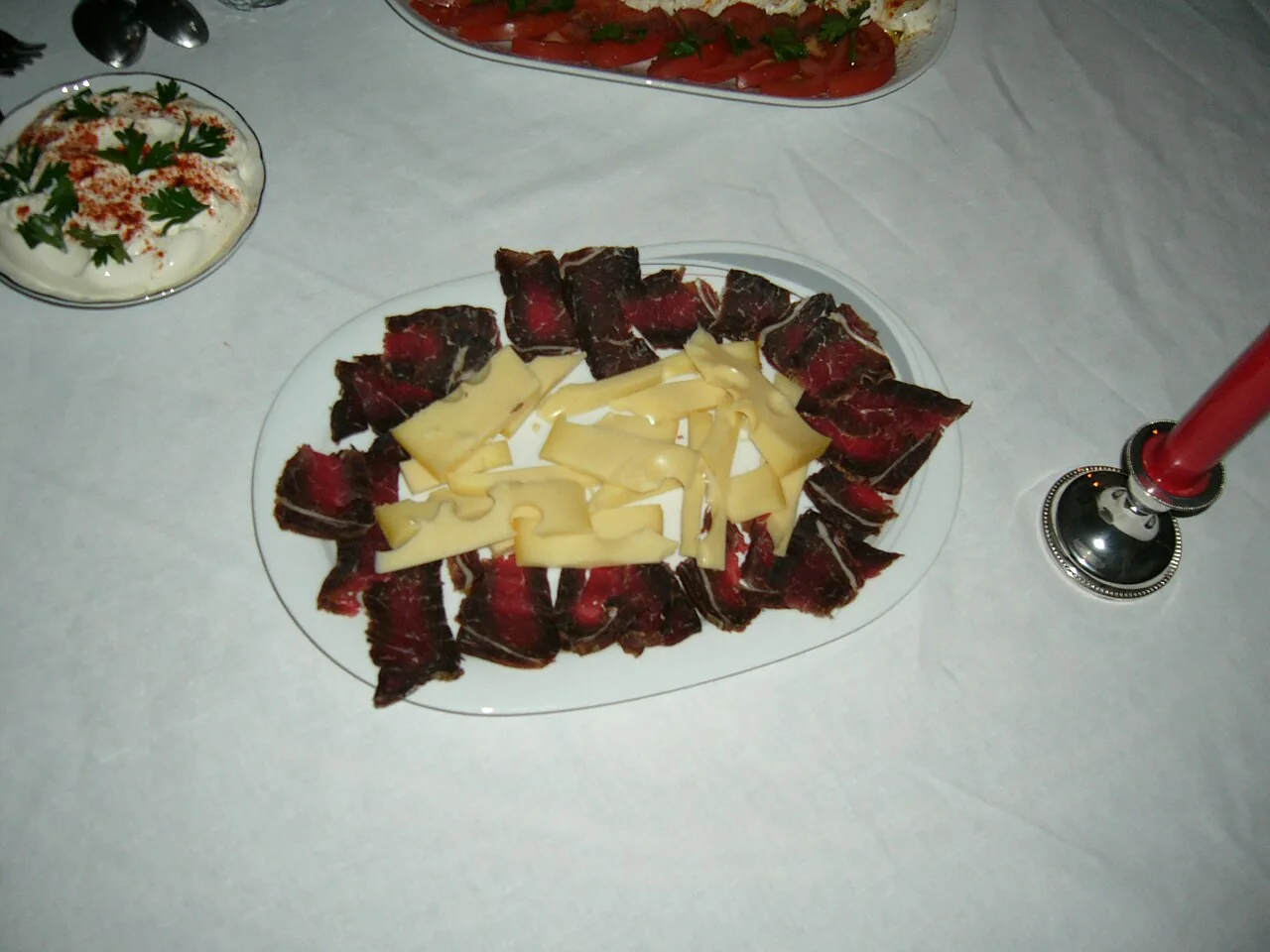
One thing shapes a lot of the menu: because the classic repertoire grew out of a Muslim tradition, beef, lamb and chicken carry the plate, and pork stays largely off it. (Bosnian Croats and Serbs do eat pork, so you’ll see it in some places and regions.) For anyone who avoids pork, this makes eating here refreshingly simple, and it’s why so much of the food is, in practice, halal without any fuss being made about it.
The single most useful thing to know: eat with the specialists
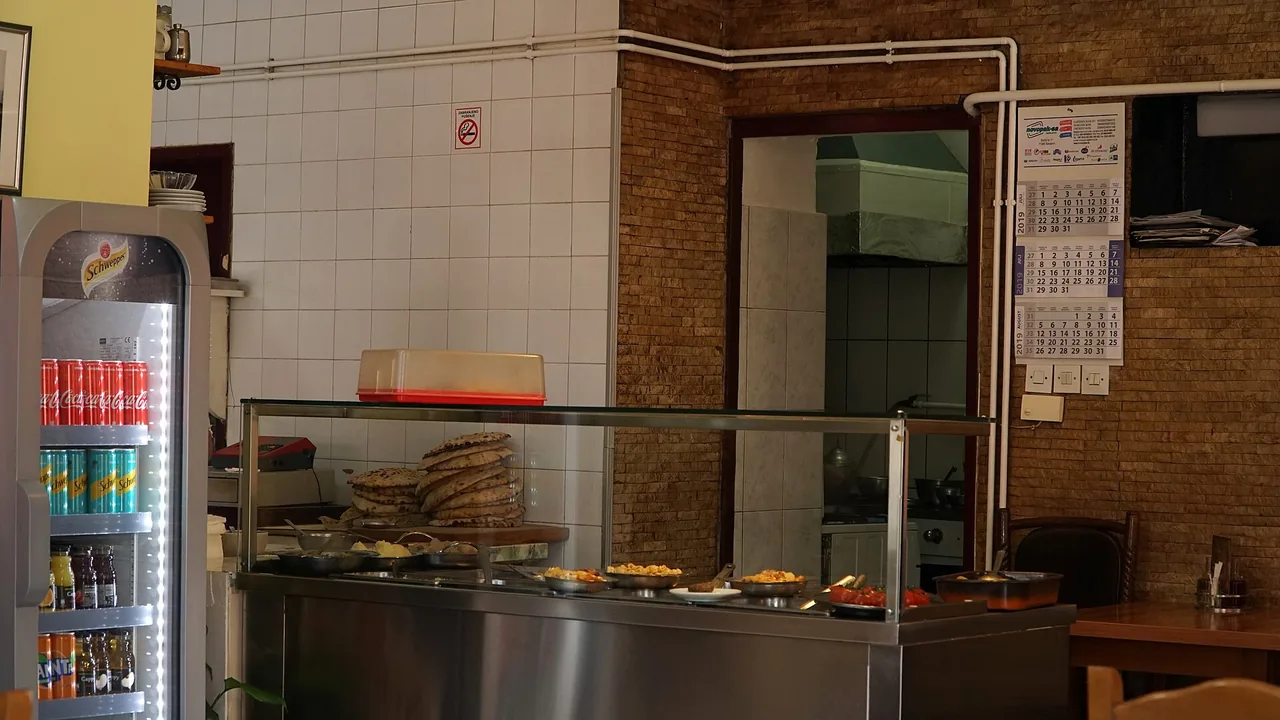
Here’s the tip that changes your trip. Bosnia doesn’t really do the all-purpose restaurant with a twelve-page menu; the good food comes from places that make one thing. Learn these four words and you’ll always know where to go:
- A ćevabdžinica grills ćevapi and little else.
- A buregdžinica bakes pita, the family of filo pastries.
- An aščinica is the old-style canteen for slow-cooked home dishes, the stews and stuffed vegetables that take hours.
- A slastičarna is where you go for sweets and coffee.
Chase the specialists and skip anywhere trying to do it all under one roof: a kitchen that grills, bakes and simmers everything will do none of it particularly well, and the good version of each dish is usually a few doors down instead.
Start here: ćevapi and pita
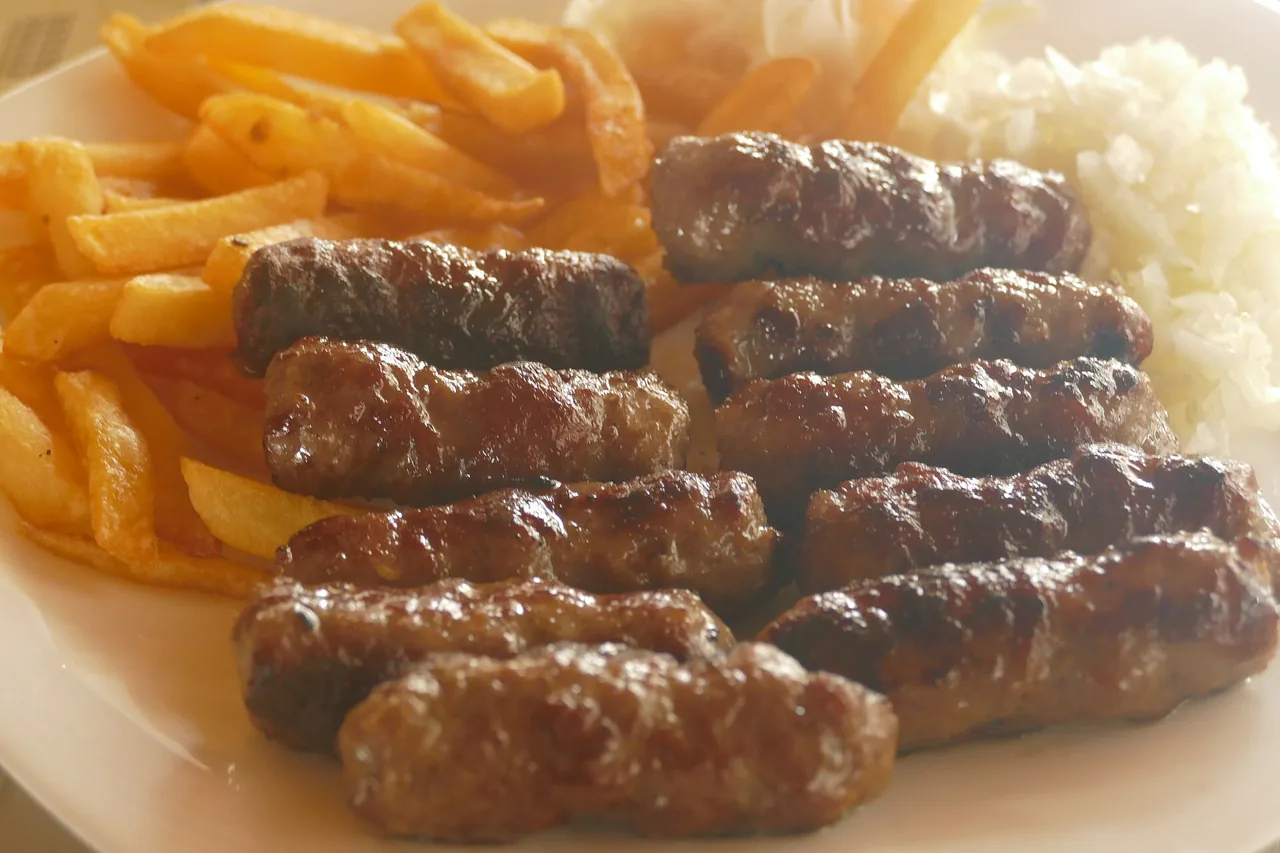
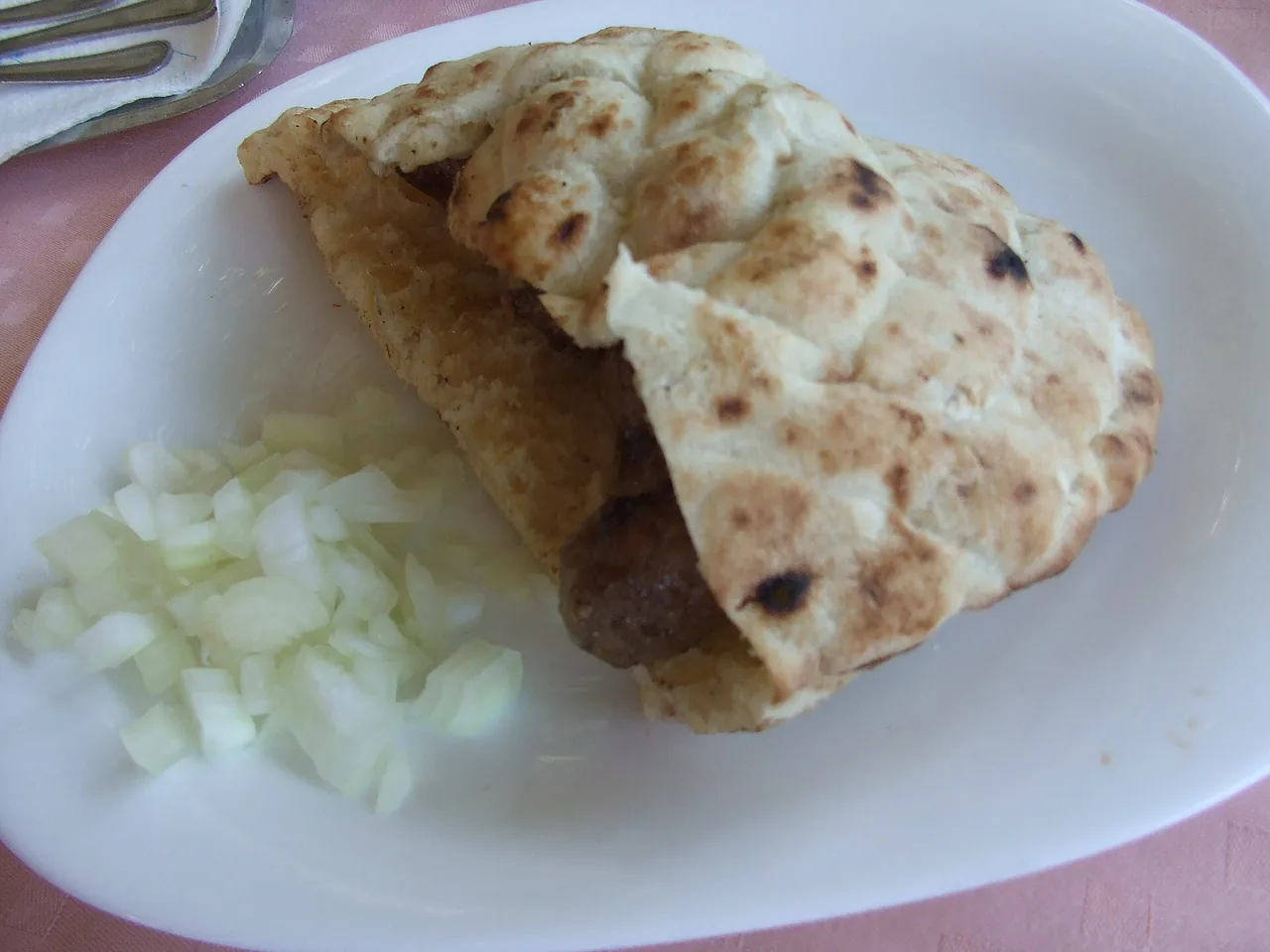
If you try one thing, make it ćevapi: small grilled links of minced meat, blistered over charcoal and tucked into a pillowy somun flatbread with a handful of raw onion and, if you ask, a smear of kajmak (the tangy clotted cream). You order by the piece, in fives or tens, and it costs very little. Sarajevo’s version is pure beef, small and soft; head up to Banja Luka and you’ll find them pressed together in fours, chewier and more robust. It’s not uniquely Bosnian, the whole region claims it, but this is the everyday food people actually eat, and a busy grill house does it better than any sit-down restaurant. In the capital, our guide to the best ćevapi in Sarajevo names the grills worth the queue.
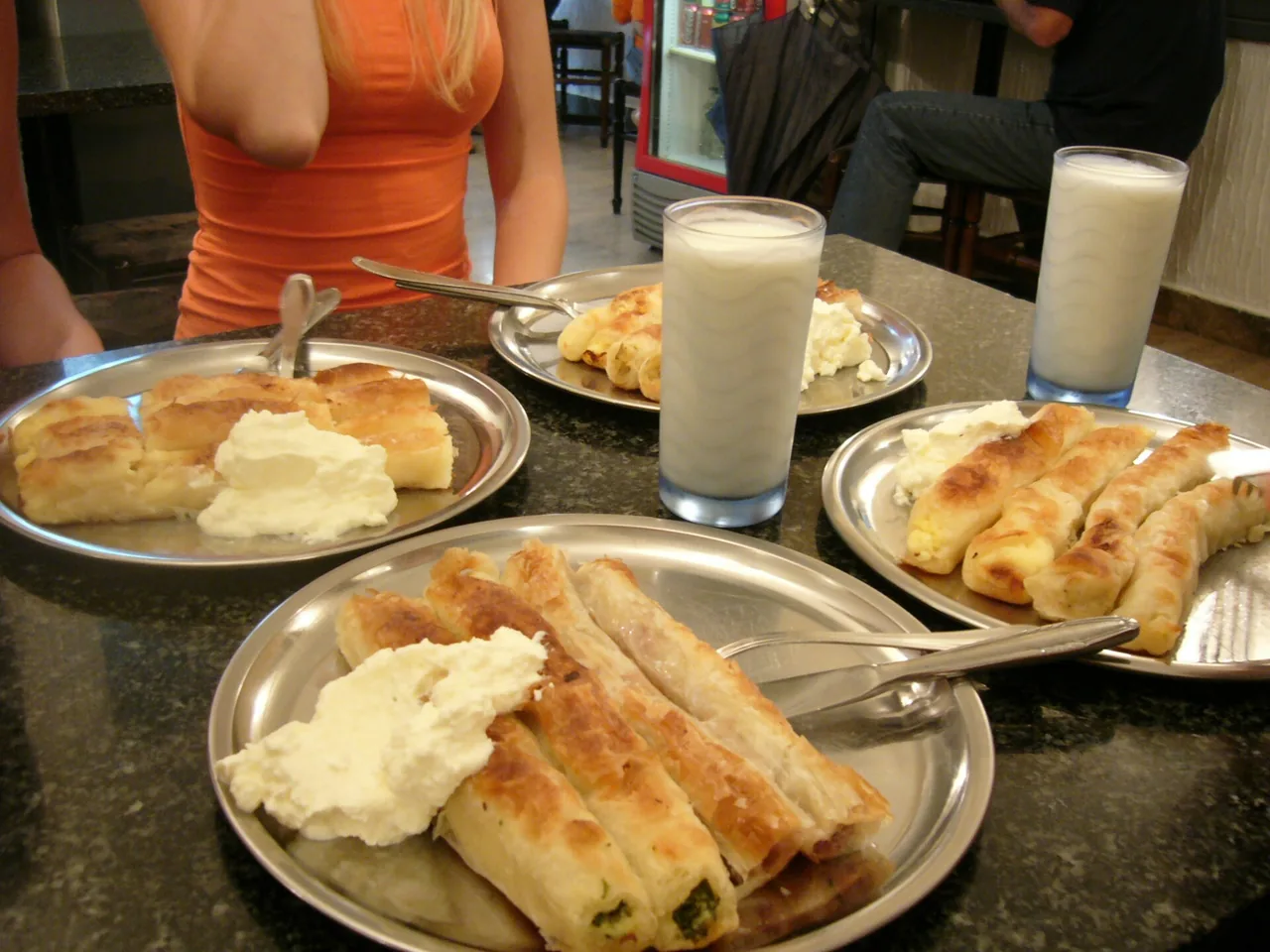
Master pita early too, the family of hand-stretched filo pastries baked in a coil, because the naming trips up almost everyone. Bosnians reserve burek strictly for the meat-filled version; order a “cheese burek” in Baščaršija and you’ll get a polite correction rather than your food. Sort them by what’s inside instead: sirnica is cheese, zeljanica is spinach and cheese, krompiruša is potato. Any one of them, still hot from a buregdžinica with a glass of drinking yoghurt on the side, is one of the best cheap meals going.
Beyond the grill: soups, stews and stuffed vegetables
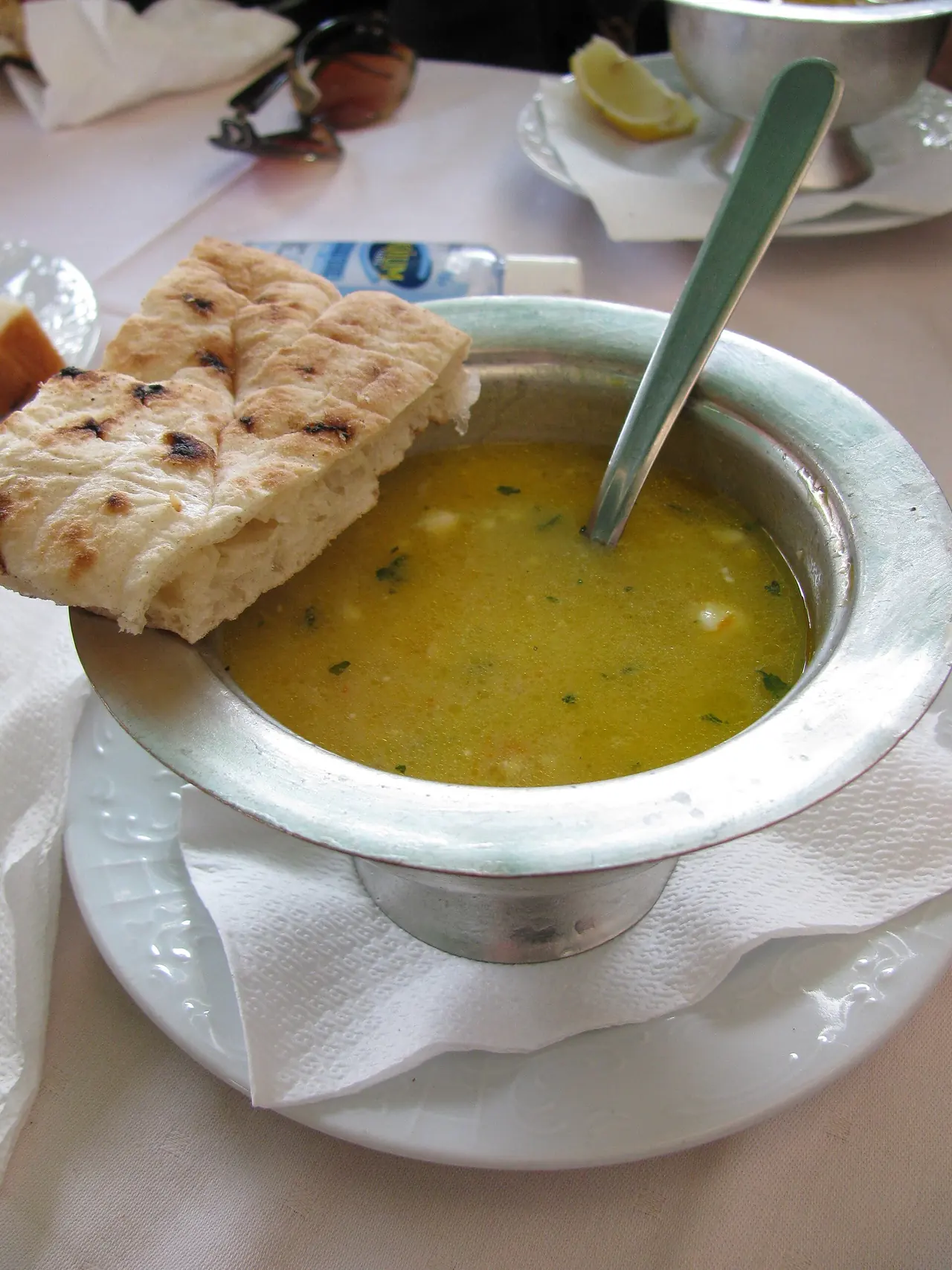
This is the part most rushed visitors skip, and it’s where the cooking gets interesting. Sit down in an aščinica and the star is often a soup: begova čorba, the “Bey’s soup,” a thick, velvety chicken-and-okra broth finished with an egg-and-cream or yoghurt liaison. It was named for the Ottoman beys it was once fit for, and ordering a bowl still feels a little ceremonial.
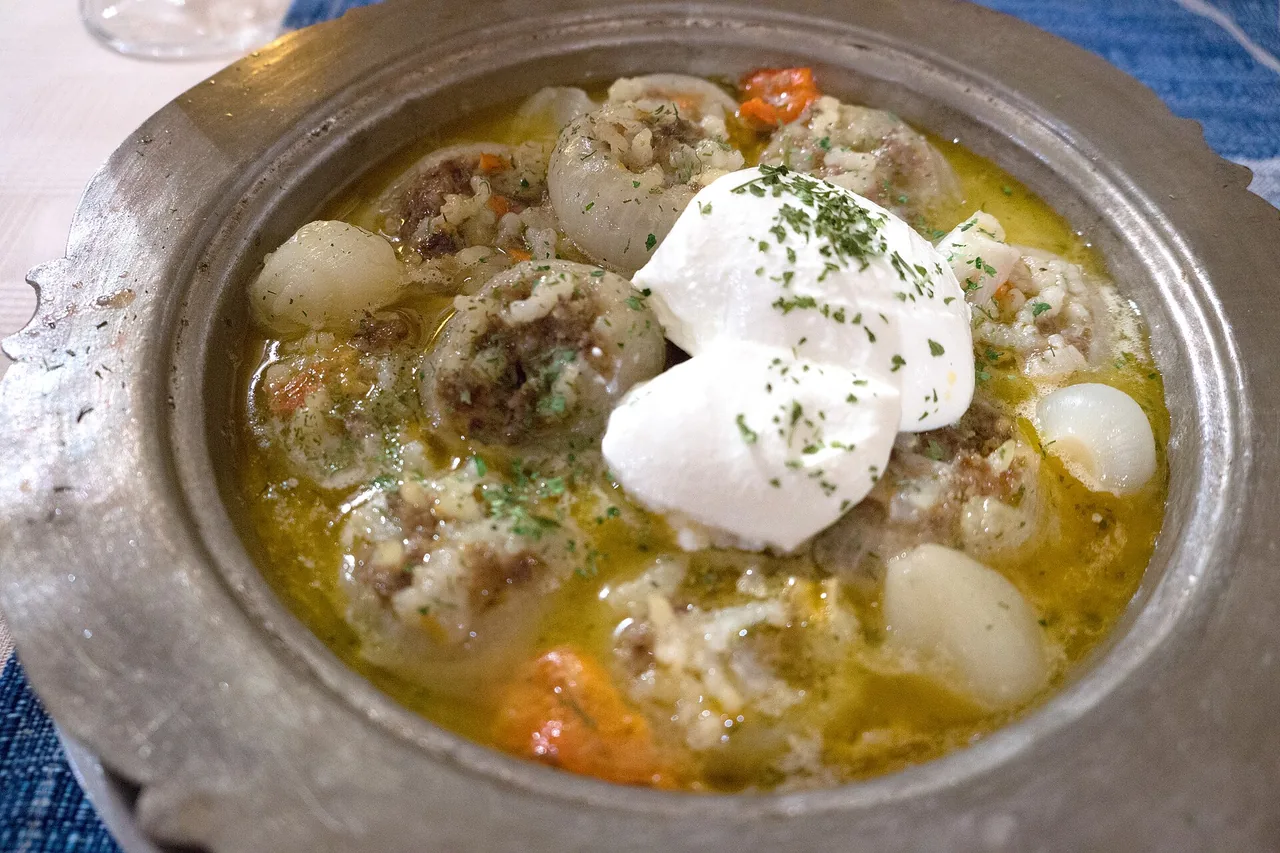
Then come the stuffed things, the heart of home cooking. Sarma is minced meat and rice rolled in soured cabbage leaves and simmered for hours; japrak is the leaner cousin, the same filling in grape or sour-dock leaves for a fresher, tarter bite. Down in Herzegovina, look for sogan-dolma, whole onions hollowed out, stuffed with meat and rice, and braised until they collapse into a sweet, dark gravy. It’s a Mostar speciality and worth hunting down in the south where it belongs; our guide to things to do in Mostar points you to the quarter where the food scene lives.
Two more worth knowing. Klepe are small dumplings of minced lamb or beef, drowned in a garlic-and-yoghurt sauce, and far less famous abroad than they deserve. And bosanski lonac, literally the “Bosnian pot,” takes slow cooking to its logical end: whatever meat and vegetables the household has on hand go in raw, in layers, and a tall clay pot sits over an open fire for hours until it all melts together. Miners are said to have started the tradition, and every household’s version tastes a little different from the next.
Dessert, the slastičarna way
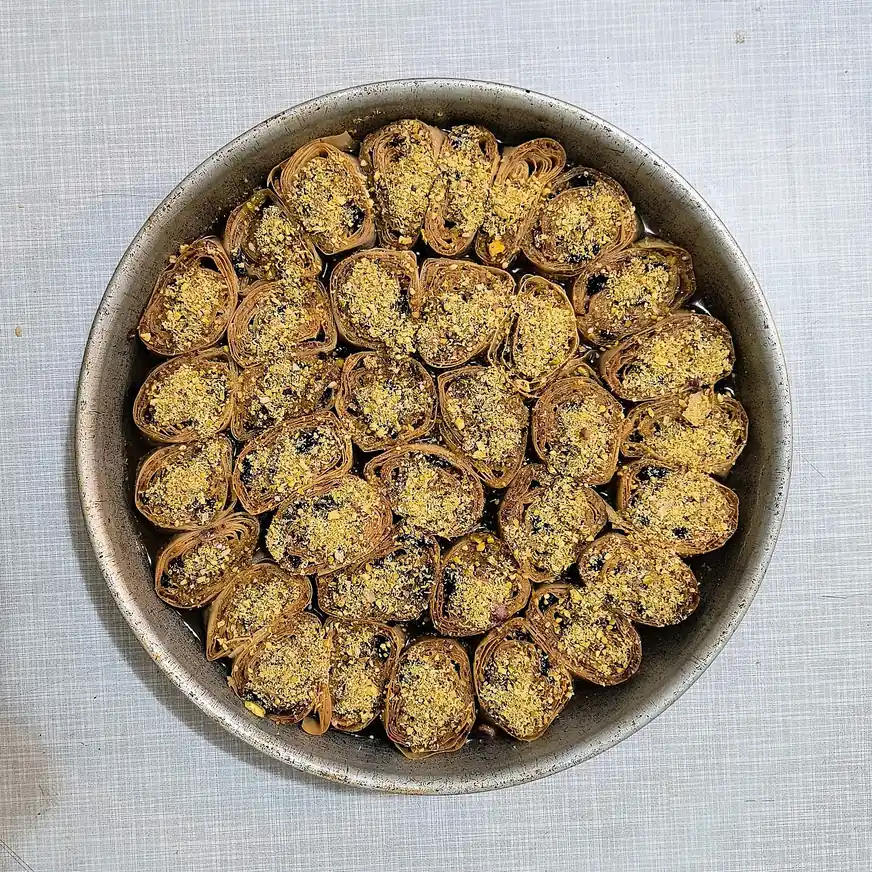
Bosnian sweets lean Ottoman and syrup-soaked, and the place for them is, unsurprisingly, a slastičarna. Baklava here tends to be walnut-led rather than pistachio, cut into neat diamonds and drenched in syrup. Tufahija is the quiet star, a whole apple poached and stuffed with walnuts under a cap of cream, tender and not too sweet. Hurmašica is a date-shaped semolina pastry that drinks up sugar syrup like a sponge, and you’ll also meet rose-scented pies like the one below.
Coffee, beer and the stronger stuff
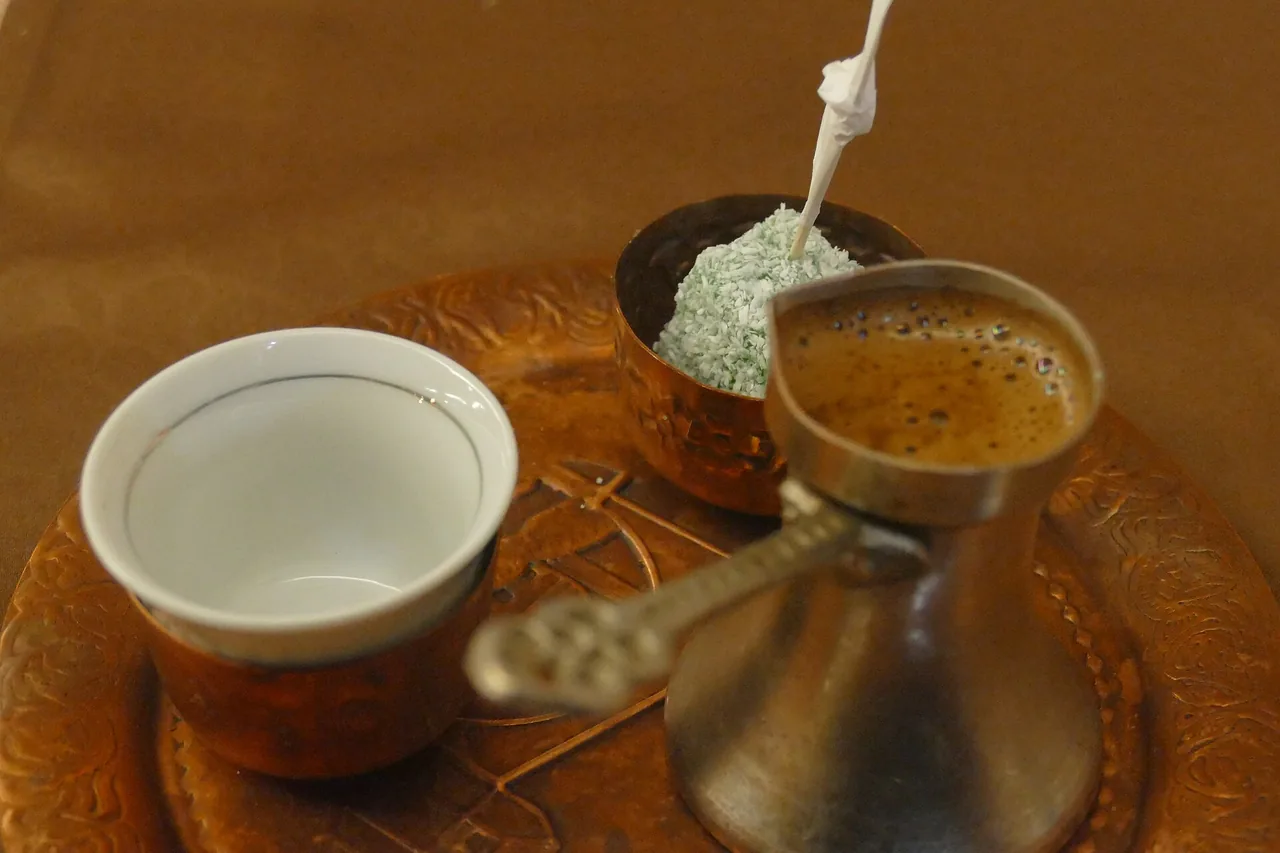
No meal here’s really over without Bosnian coffee, and calling it a drink undersells the whole slow production around it. It arrives on a tray: a copper džezva pot, a little handleless fildžan cup, a sugar cube, a square of rahat lokum and a glass of water. You don’t stir it and you don’t rush it. The local move is to dip a corner of the sugar cube, bite off the soaked bit, then sip. One detail locals are proud of: in the Bosnian method the water is boiled first and the coffee added after, the reverse of the Turkish order, which is part of why they bristle if you call it Turkish coffee. Our full guide to Bosnian coffee and how to drink it walks through the kit and the etiquette properly.
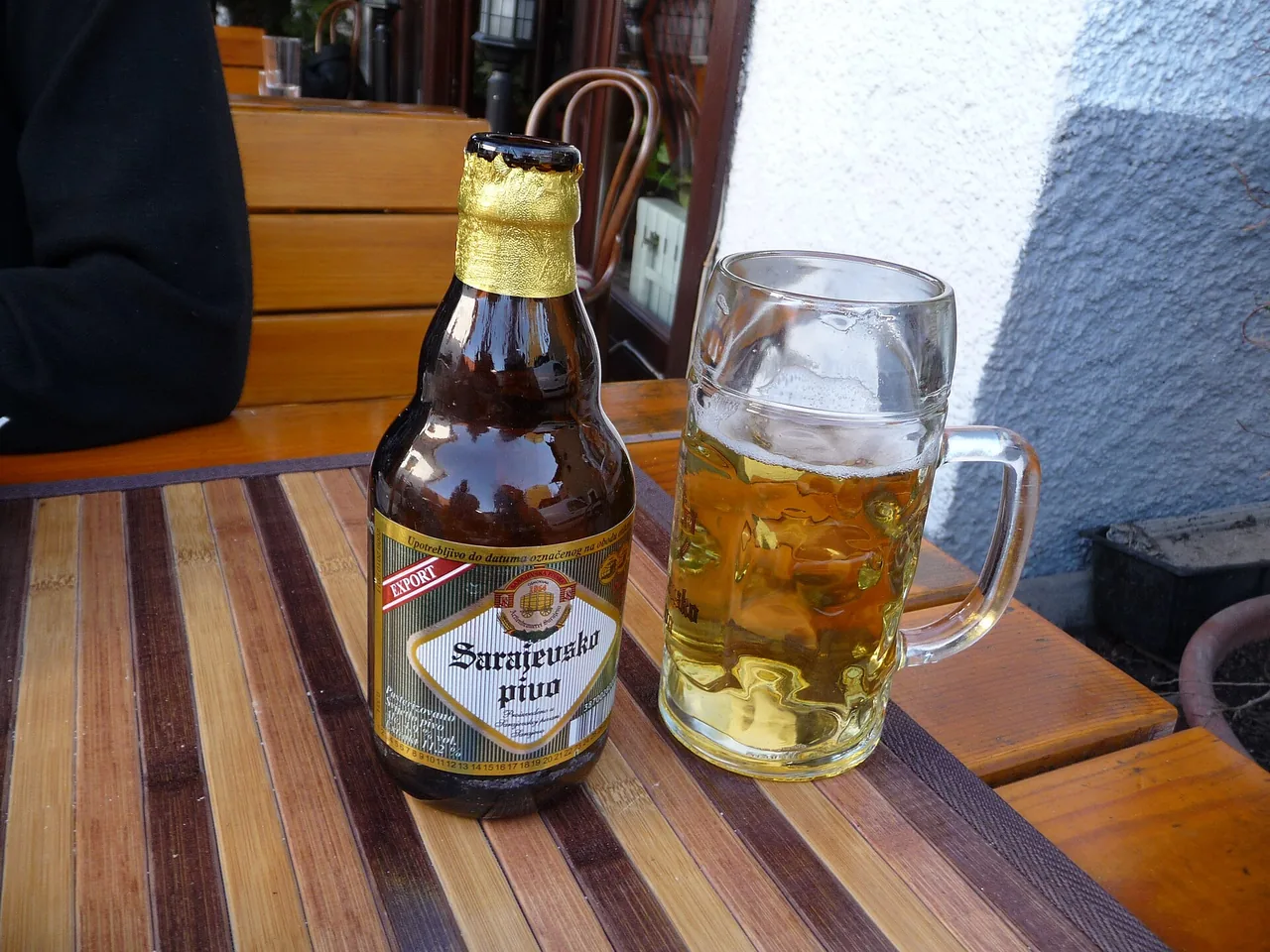
For something you won’t find at home, order boza: a thick, faintly sour drink brewed from fermented millet or maize, carrying just a whisper of alcohol and centuries of Ottoman history behind it. First sips tend to go one of two ways, and that split reaction is part of the appeal. When you do want a cold beer, the name is Sarajevsko, brewed by the Sarajevo brewery, which has been running since 1864 as one of the country’s oldest industrial companies. And the strong stuff is rakija, the fruit brandy poured as a welcome or a digestif, most often plum (šljivovica); the homemade kind can be fierce, so sip it. Wine, when you see it, tends to come from the vineyards of Herzegovina in the sunny south.
Putting it together: where the scene lives
The best food follows the old towns. In Sarajevo, the Ottoman bazaar of Baščaršija is wall-to-wall with grill joints, bakeries and coffee houses, and it’s the single best place to work through everything above in an afternoon; our guide to things to do in Sarajevo points you to the quarter where the food scene is thickest. Mostar, Trebinje and any town with an old core serve the same repertoire, with the southern specialities like sogan-dolma at their best in Herzegovina. For our vetted picks of specific places to eat, browse the food directory.
One more thing before you go looking: this is a cash economy at street level. Prices run in convertible marks (KM), and the older, smaller places routinely wave off cards and euros alike, so keep some local notes on hand. Beyond that, there’s really only one rule, borrowed from the coffee: nobody here is in a hurry, and the food rewards you for matching the pace. Pick a shop from the list above, follow your nose, and let the queue tell you where lunch is happening.
Read also

Food · 12 min read
Where to Eat in Mostar: Old Town Restaurants With a View
Verified · August 17, 2026Mostar Old Town restaurants by job: a terrace facing Stari Most, a courtyard off the bazaar, and a grill for cevapi. Addresses, cash, and what to order.

Food · 8 min read
Rakija in Bosnia: What It Is and Where to Taste It
Verified · August 9, 2026Rakija in Bosnia: the types, three named Sarajevo bars, tours with 2026 prices, customs limits for taking a bottle home, and how to decline politely.

Food · 9 min read
Herzegovina Wine Guide: Žilavka, Blatina & the Wine Route
Verified · July 25, 2026Herzegovina wine: the native Žilavka and Blatina grapes, the Wine Route cellars from Mostar to Trebinje, when to go, and how to taste it.

Food · 11 min read
Bosnian Burek: Types, Etiquette & Where to Try It
Verified · July 24, 2026In Bosnia burek means meat, full stop. What sirnica and zeljanica are, how pita is sold by the kilo, what it costs and where to eat it in Sarajevo.