Is Bosnia Worth Visiting?
Yes - Bosnia is one of the best-value, least-crowded trips in Europe: Sarajevo, Mostar, wild rivers and low prices. Who it suits, and the honest downsides.
Yes, Bosnia and Herzegovina is well worth visiting, and it’s one of the better-value, less-crowded trips left in Europe. This one small country hands you a genuinely different culture - an Ottoman-meets-Austro-Hungarian mash you’ll not find anywhere else on the continent - two standout cities in Sarajevo and Mostar, dramatic mountain-and-river scenery, and prices well below Western Europe, all with a fraction of the tourist crush of Croatia next door. It’s not for everyone. The infrastructure is rough at the edges, the distances are slow, and the recent war is ever-present. This guide makes the case, tells you honestly who Bosnia suits and who should skip it, and doesn’t hide the downsides. On money specifically, cash, cards and tipping across the Balkans covers what is fixed, what floats and where notes are still required.
What makes Bosnia worth the trip
The pitch, in one line: Bosnia gives you depth and difference for very little money, in a place most of your friends haven’t been. Break that down and four things stand out.
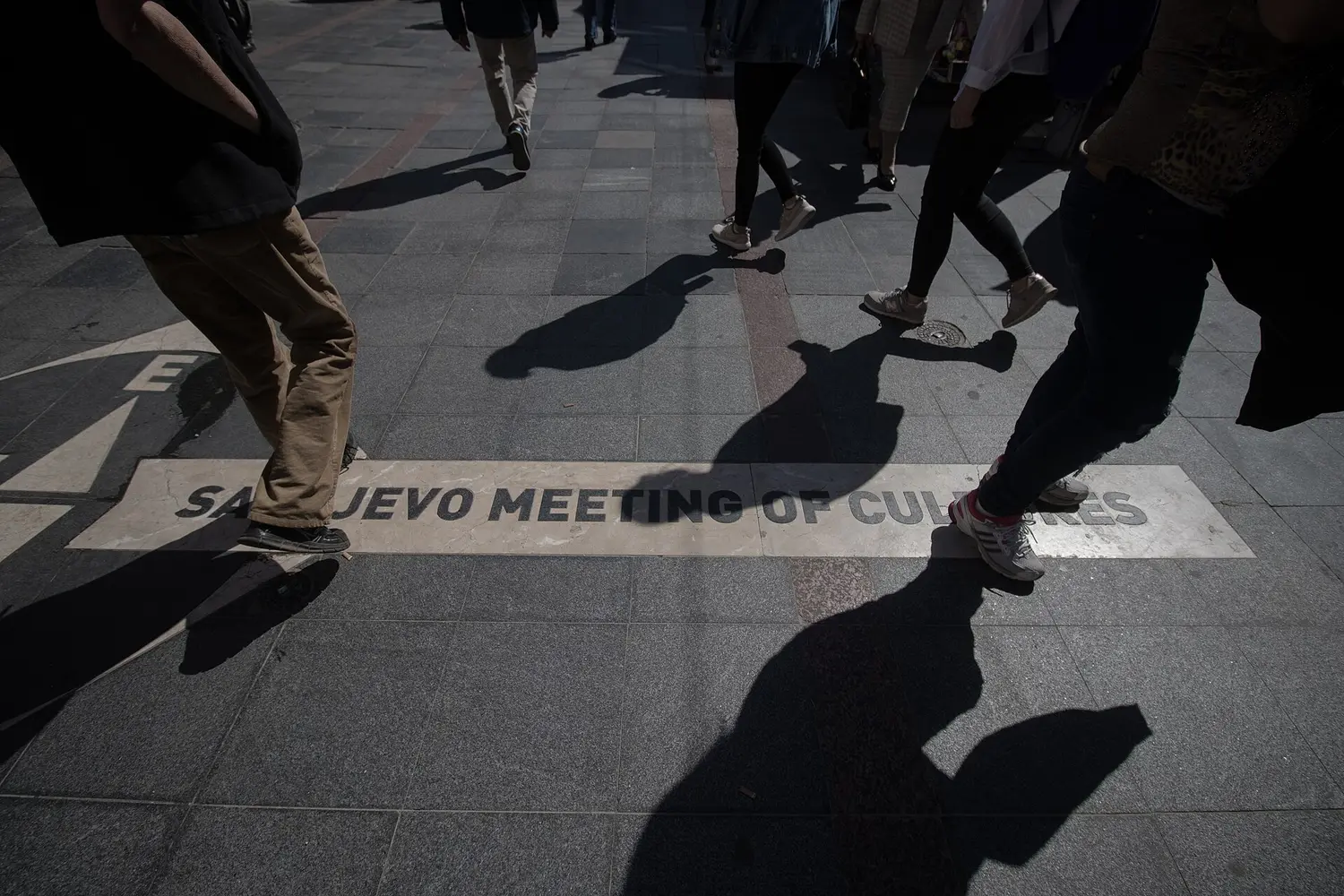
The first is culture you can’t get elsewhere. Bosnia is where empires physically overlap. In Sarajevo you can stand on the “Meeting of Cultures” line on Ferhadija and look one way into an Ottoman bazaar of coppersmiths and mosques, then turn around into grand Austro-Hungarian boulevards - and within a few hundred metres pass a mosque, an Orthodox cathedral, a Catholic one and a synagogue. Nowhere else in Europe layers East and West quite so tightly, and it makes even a short visit feel like several countries at once.
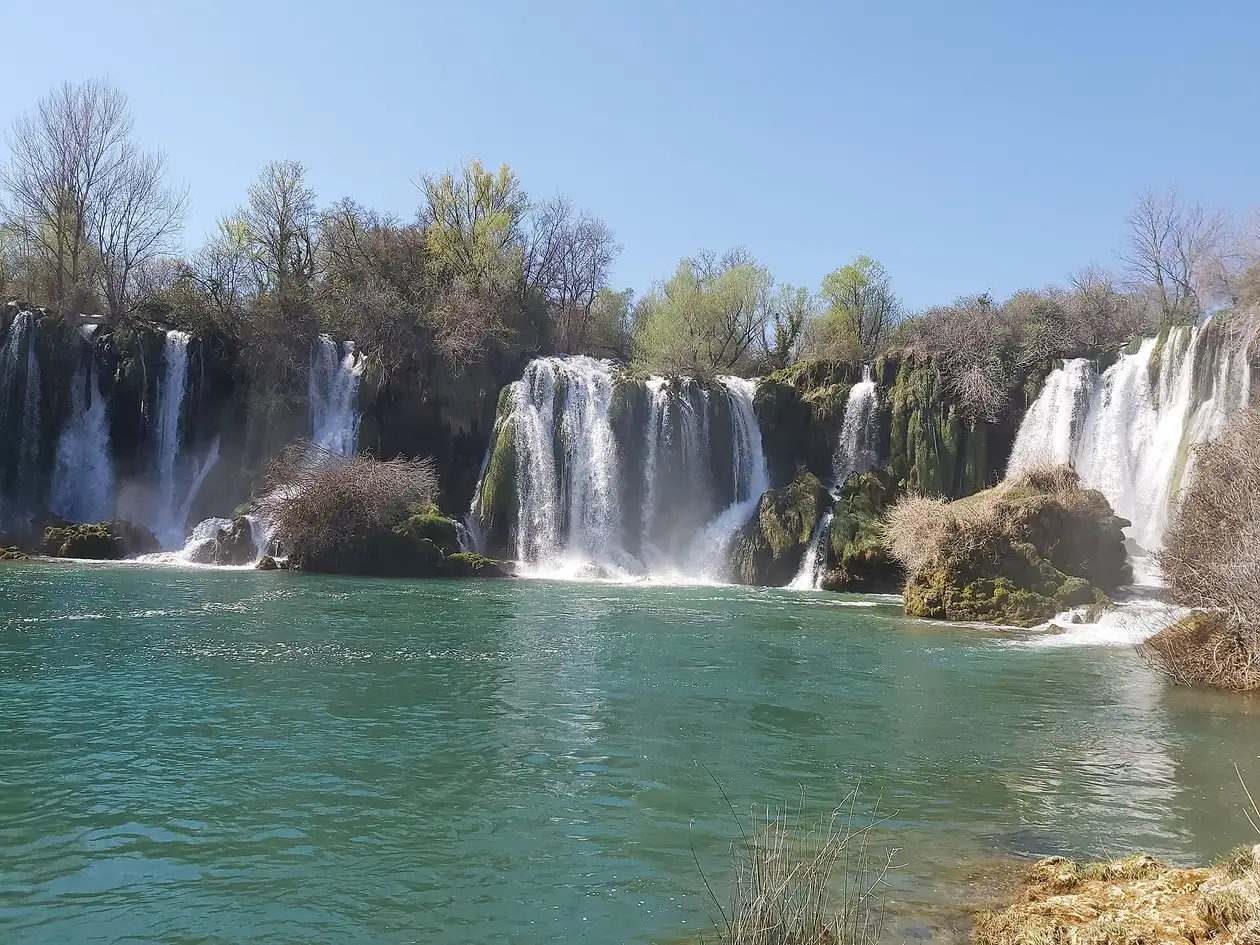
The second is scenery, and lots of it for the size. This is a country of emerald rivers and deep canyons: the Neretva running turquoise under Mostar’s bridge, the Una around Bihać, the Tara canyon, one of the deepest in the world. It has proper waterfalls (the horseshoe of Kravice, the Pliva falls crashing through the middle of Jajce), whitewater rivers that draw rafters, and the old 1984 Winter Olympic mountains for hiking and cheap skiing. For a country you can drive across in a day, the density of it’s remarkable.
The third is value. Bosnia is genuinely cheap by European standards. Ten ćevapi cost 12 to 14 KM in Sarajevo in June 2025, and the national average for a pizza was 13.10 KM in August 2026, according to the Agency for Statistics of BiH. Eurostat’s price survey for 2024 scored restaurants and hotels in Bosnia at 75, against 95 in Croatia and an EU average of 100. The currency is the convertible mark (BAM, written KM), pegged at roughly 1.96 to the euro, so budgeting is easy - just carry cash, because euros are accepted unevenly. Our guide to how many days you need in Bosnia shows how far your time and money stretch on a typical loop.
The fourth, and increasingly rare, is the lack of crowds. Even Mostar’s Old Bridge, the single busiest sight in the country, empties out after about four in the afternoon when the day-trip buses leave for the coast; Sarajevo never feels overrun; and the Herzegovina hinterland and the north see very few foreign tourists at all. Coming from the cruise-ship crush of Dubrovnik or Split, an hour or two away, the contrast is stark.
The two anchors: Sarajevo and Mostar
Most first trips are built around these two, and rightly so. Sarajevo is the reason many people fall for the country: the Baščaršija bazaar, the Ottoman-to-Habsburg architecture, the 1914 street corner where the shot that started the First World War was fired, and the deeply moving story of the 1990s siege told at the Tunnel of Hope and across the city. It rewards a full two days, and there’s a cable car up Mount Trebević for the view when you want to breathe. Our guide to things to do in Sarajevo lays out how to spend them.
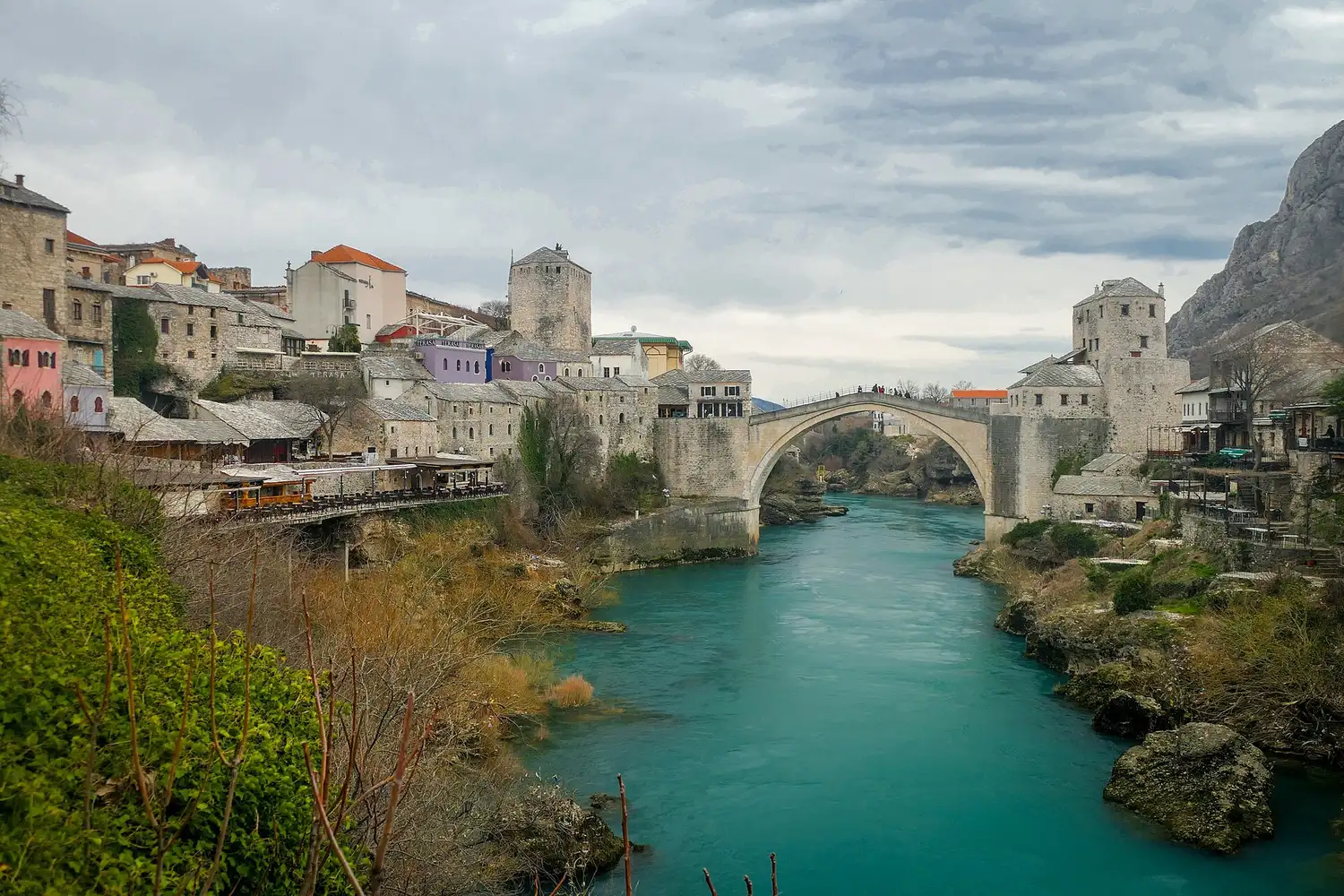
Mostar is the other essential, and its rebuilt Stari Most - the graceful stone arch over the green Neretva, complete with the local divers who leap from it in summer - is the image most people carry away from Bosnia. The coppersmiths’ bazaar around it and the day trips within easy reach (the dervish house at Blagaj, the hilltop town of Počitelj, the Kravice falls) turn a single sight into a proper base. Our guide to things to do in Mostar covers the town and the trips around it.
Beyond the two cities
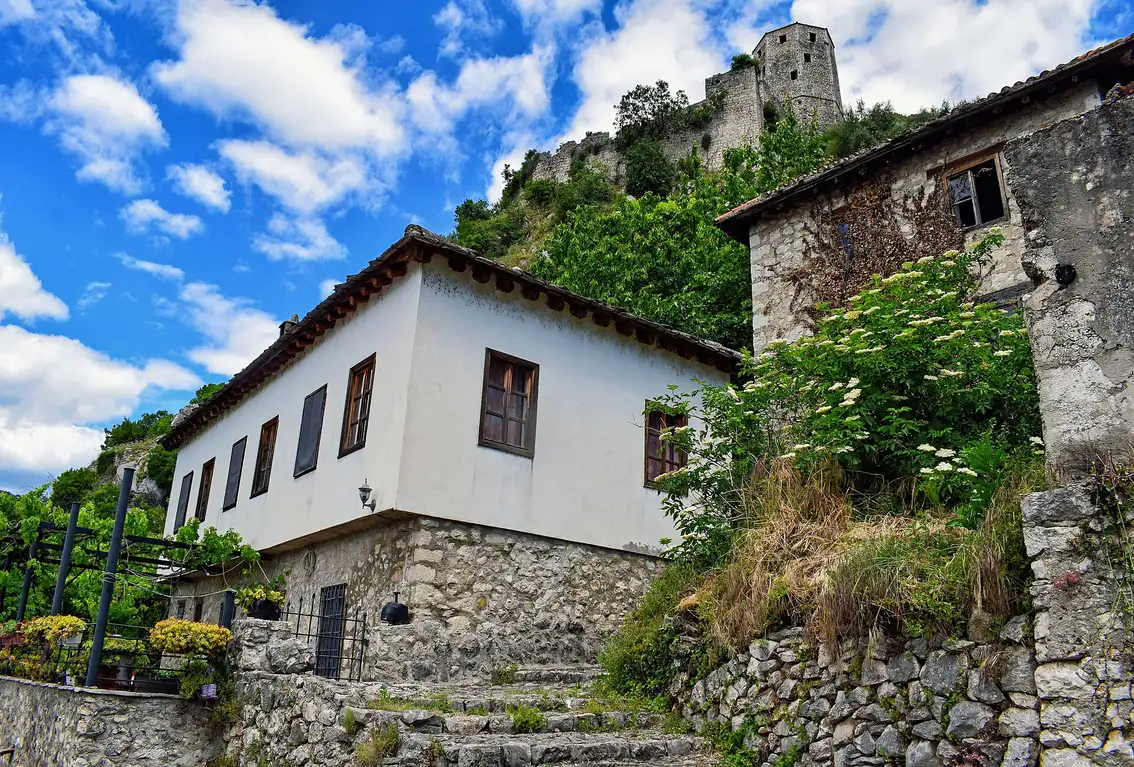
If your idea of a good trip stops at the two headline towns, Bosnia already earns its place. But the reason people who come once tend to come back is what lies past them - and that’s where a rental car starts to pay for itself. South of Mostar, the Herzegovina hinterland strings together the Kravice waterfalls (a swimming hole in summer), Blagaj and Počitelj, plus the relaxed wine town of Trebinje near Dubrovnik.
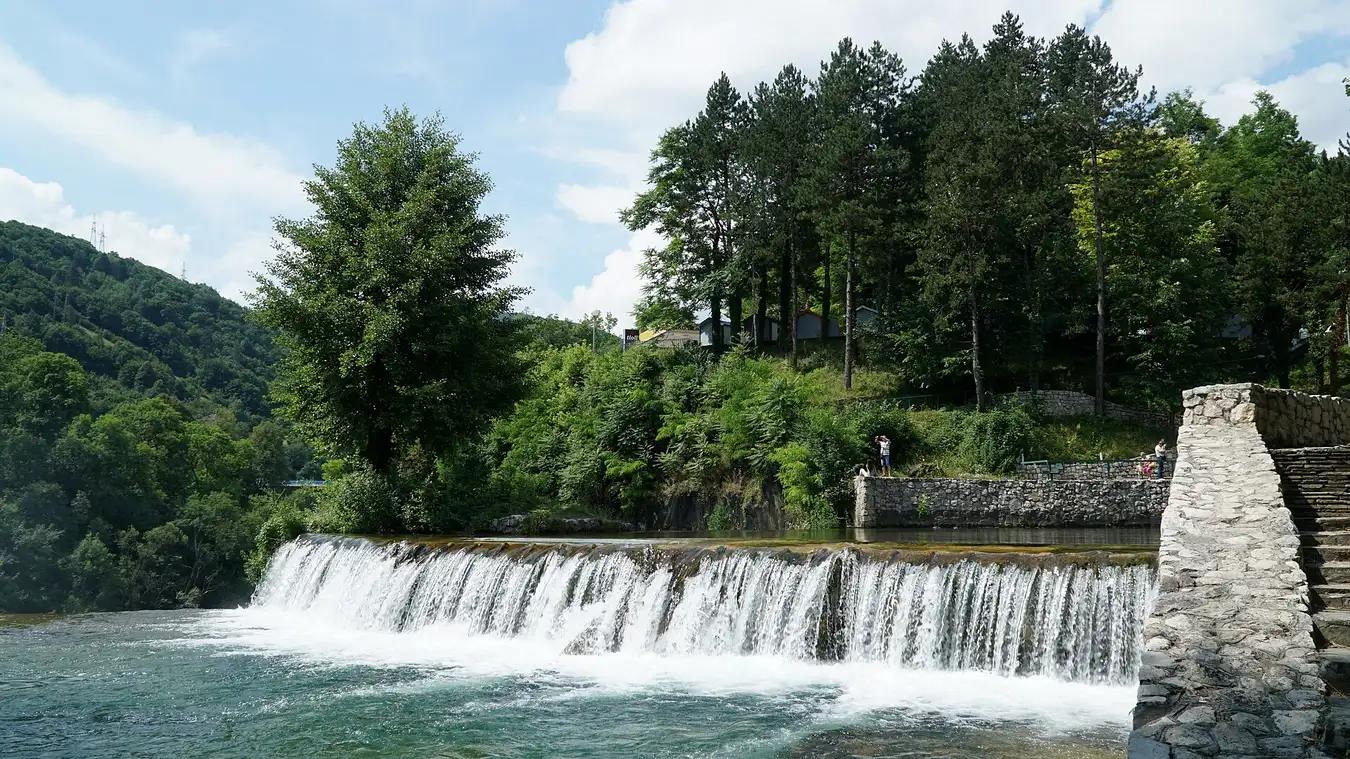
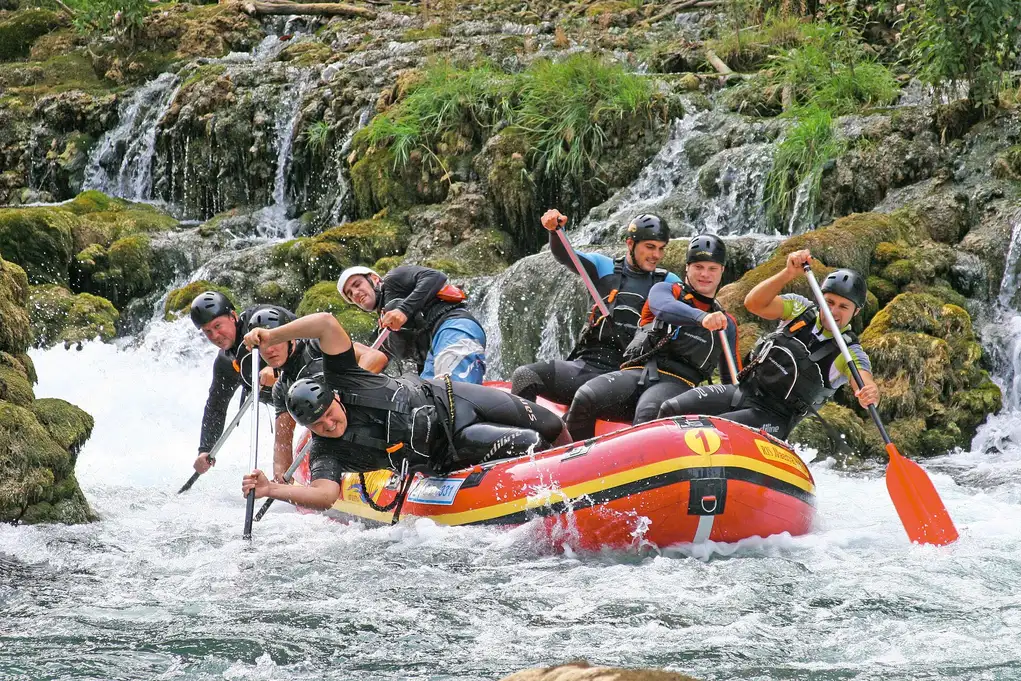
Head north instead and the country empties further. Jajce is a medieval town with a full-sized waterfall crashing through its centre and lakes on its doorstep; the Una around Bihać is Bosnia’s best rafting on a startlingly green river; and Sutjeska National Park holds the country’s highest peak and a patch of primeval forest. This is where a rental car pays for itself, and where you can go a whole day barely seeing another foreign traveller - you won’t feel crowded here. For a country-wide rundown of the sights and experiences, see our guide to the best things to do in Bosnia.
Who Bosnia is for
Bosnia is a brilliant fit for some travellers and a poor one for others, so it pays to be honest about which you are. You’ll most likely love it if you are:
- A culture and history traveller who wants somewhere with real layers - Ottoman, Habsburg, Yugoslav, and the difficult modern story of the war and its recovery.
- Value-minded or travelling for a while, and keen to experience Europe without Western European prices.
- An outdoors person after rafting, hiking, canyons or a cheap ski week.
- A Balkan road-tripper pairing Bosnia with Croatia or Montenegro; the Dubrovnik day trip to Mostar is the classic gateway, and many people get hooked and come back for more.
- Someone tired of overtourism who wants a place that still feels genuinely under-visited.
Who might want to skip it
Set against that, Bosnia will disappoint a few types of traveller, and it’s fairer to say so than to oversell. It’s a weak choice if you are:
- After a beach holiday. Bosnia has only about 20 kilometres of coast at Neum and no real beach scene; for sun and sea, its neighbours on the Adriatic do it far better.
- Looking for slick, polished luxury. Service, roads and infrastructure are improving but still rough at the edges, and much of the country runs on cash.
- Very short on time and wanting to tick things fast. Distances here are slow - Sarajevo to Mostar is only 130 kilometres but takes about two hours - so a rushed two-day dash sells the place short.
- Unwilling to engage with recent, heavy history. The 1990s war is unavoidable, and honestly it’s part of the point; if that’s not for you, this isn’t your trip.
The honest downsides
Even for the people it suits, Bosnia asks for a little patience, and you should go in knowing where the friction is. The travel is slow: expect winding mountain roads and few motorways, and plan your days by driving time rather than the distance on the map. It’s a largely cash economy, so euros won’t get you far outside the cities and you’ll want KM in small notes. Flight connections are modest - most people arrive on one-stop routes through Vienna, Istanbul, Munich, Zagreb or Belgrade, or overland from the Croatian coast. Sarajevo’s winter is cold and snowy, and the valley can trap grey, poor-quality air on the worst days. And the war’s legacy includes landmines in rural former-front-line areas, which are mapped and easy to avoid but worth understanding before you wander off a trail - our guide to whether Bosnia is safe to visit covers exactly how to stay clear of them.
One thing is worth grasping, though, and it’s the closest this trip has to a secret. Those downsides and the appeal are the same thing. The roughness and the slowness are exactly why Bosnia still feels undiscovered and costs so little; polish it and pave it and you would lose the very quality that makes it special. The traveller who enjoys Bosnia most is the one who treats the friction as part of the experience rather than a fault to be fixed.
How long, and when to go
The other mistake to avoid is under-timing it. A huge share of visitors do Mostar as a four-hour day trip from the coast and leave believing they have “seen Bosnia,” when they have really seen a car park and a bridge at peak crowd. Give the country even a little more and the verdict changes completely: one night in Mostar buys you the bridge at dawn and lit up after dark with the buses gone, and two days in Sarajevo lets its history land properly. Our guide to how many days you need in Bosnia matches trip lengths to what you actually get, and the best time to visit Bosnia breaks the seasons down - for most people, late spring or early autumn is the sweet spot of warm weather and thin crowds.
The verdict
So is Bosnia worth visiting? For most people, clearly yes - and especially if you value substance over polish, your money going a long way, and a country that still feels like a discovery rather than a queue. Sarajevo and Mostar alone justify the trip; the rivers, the waterfalls and the quiet north are the reward for staying longer. The one traveller it genuinely lets down is the person expecting a beach, a luxury resort or a fast tick-list of sights - and if that’s you, the Adriatic coast next door will serve you better. Everyone else should go before the rest of Europe catches on, because a place this rich, this cheap and this uncrowded is a combination that rarely lasts.
Photos
Read also

Before you go · 10 min read
Where to Stay in Medjugorje: Pansions & Hotels
Updated · August 25, 2026Where to stay in Medjugorje: guesthouses near St James Church, pilgrim hotels, peak dates, and whether to sleep here or day-trip from Mostar.

Before you go · 9 min read
Where to Stay in Jajce: Hotels by the Waterfall
Updated · August 23, 2026Where to stay in Jajce: old-town hotels steps from the Pliva Waterfall, lakeside rooms by the watermills, and which base suits a one-night stop.

Before you go · 11 min read
Mostar or Trebinje: Which Herzegovina Base?
Verified · August 18, 2026Mostar or Trebinje as a Herzegovina base: crowds, hotel prices, summer heat, Dubrovnik access and wine - pick the nights that fit your trip.

Before you go · 7 min read
Cash, Cards and Tipping Across the Balkans in 2026
Verified · August 15, 2026Twelve currencies, three of them the euro, and two pegged to it. What is fixed, what is a habit, and where you still need notes in your pocket.