Sarajevo to Kotor 2026: Bus Times, Fares & Border
Sarajevo to Kotor in 2026: the direct bus runs 2-3 times a day, ~7-8 hours, from EUR 30. The quiet border crossing, plus driving the Piva canyon.
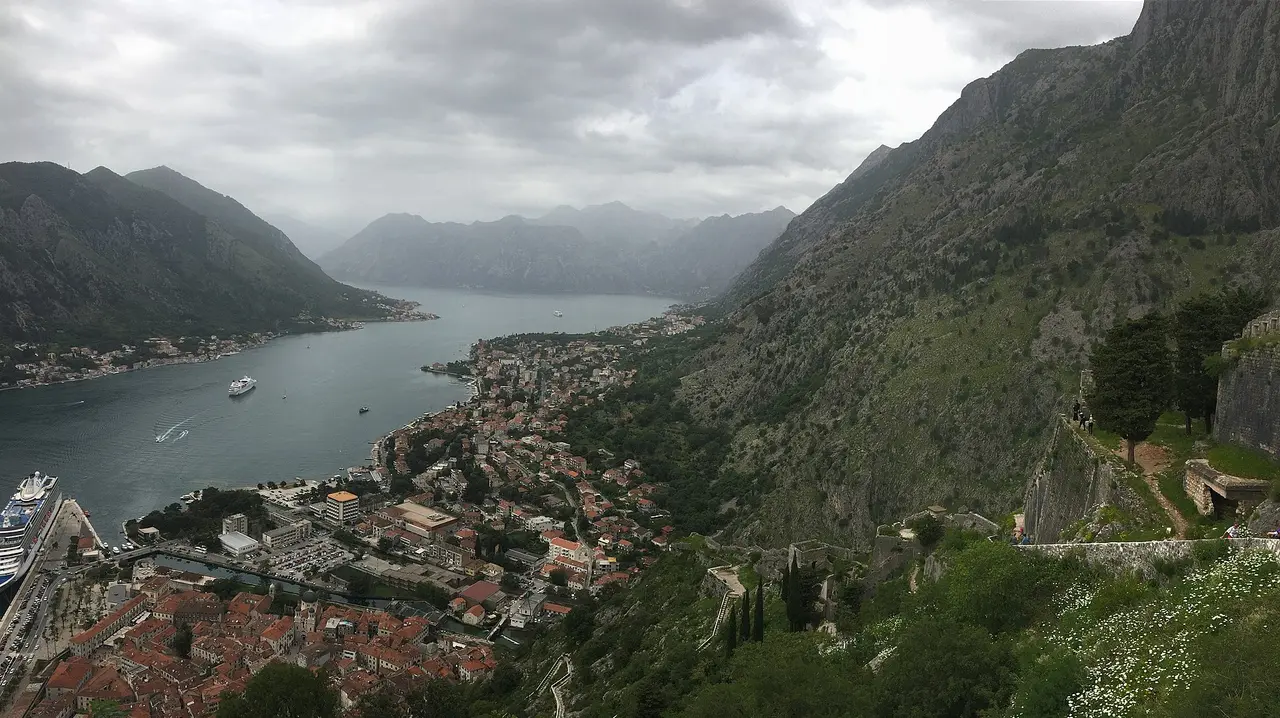
Short answer: there’s a direct bus from Sarajevo to Kotor, but only a couple to a few a day, mostly leaving early morning, and it takes roughly 7 to 8 hours (one operator, FlixBus, routes the long way round and quotes closer to 10). Fares start from around 30 euros one way. There’s one international frontier to cross, Bosnia into Montenegro, and it’s a genuine check rather than a rubber stamp, because neither country sits inside the EU or Schengen. An EU or EEA national ID card still gets you across, but a passport is the safer bet for anyone travelling in a mixed group, and it’s the only option if yours isn’t an EU passport. The upside is that this is one of the quietest borders in the Balkans, nothing like the coastal Croatia crossings. This guide covers the bus in detail, the border, the honest case for driving the spectacular Piva canyon yourself, and how the private-transfer option stacks up. If Mostar is on your list too, the Sarajevo to Mostar hop is a far shorter, separate trip.
The honest numbers
It is about 250 km by road and, driven flat out with no stops, roughly four and a half hours. By bus you should reckon on far more, because coaches take the mountain roads at coach pace and stop along the way: the direct operators land between about 7 and 8 hours, and FlixBus, which follows a longer routing, quotes nearer 10 hours for its 337 km version. So this is a half-day journey either way, not a quick hop, and it pays to treat it as the travel day rather than something you squeeze in before dinner.
Money changes at the border in a way worth knowing. Bosnia runs on the convertible mark (KM / BAM), pegged at about 1.96 to the euro, while Montenegro uses the euro even though it’s not in the eurozone. So you leave a KM country and arrive in a euro one. Carry a little cash in each: some KM for a coffee or a snack on the Bosnian side before you go, and euros for Kotor.
The direct bus
A handful of companies run the route, and between them you get around two to three departures a day: Centrotrans, Lalatovic Travel and Globus Turist are the regulars, with FlixBus on top. Departures cluster in the early morning, roughly between 5 and 7 am, which is deliberate: an early start gets you to the coast with the afternoon still ahead. There’s not a useful evening service, so if you miss the morning buses you’ve essentially missed the day.
Fares are the moving part. The cheapest seats on the local operators start from around 30 euros one way, with typical prices in the 40s depending on the company and the day (Sunday tends to be the cheapest, midweek dearer). FlixBus, being a longer and more premium service, is quoted higher, often 70 euros and up. None of it is set in stone, so compare a couple of days on a booking site or the operator counters rather than assuming a single price.
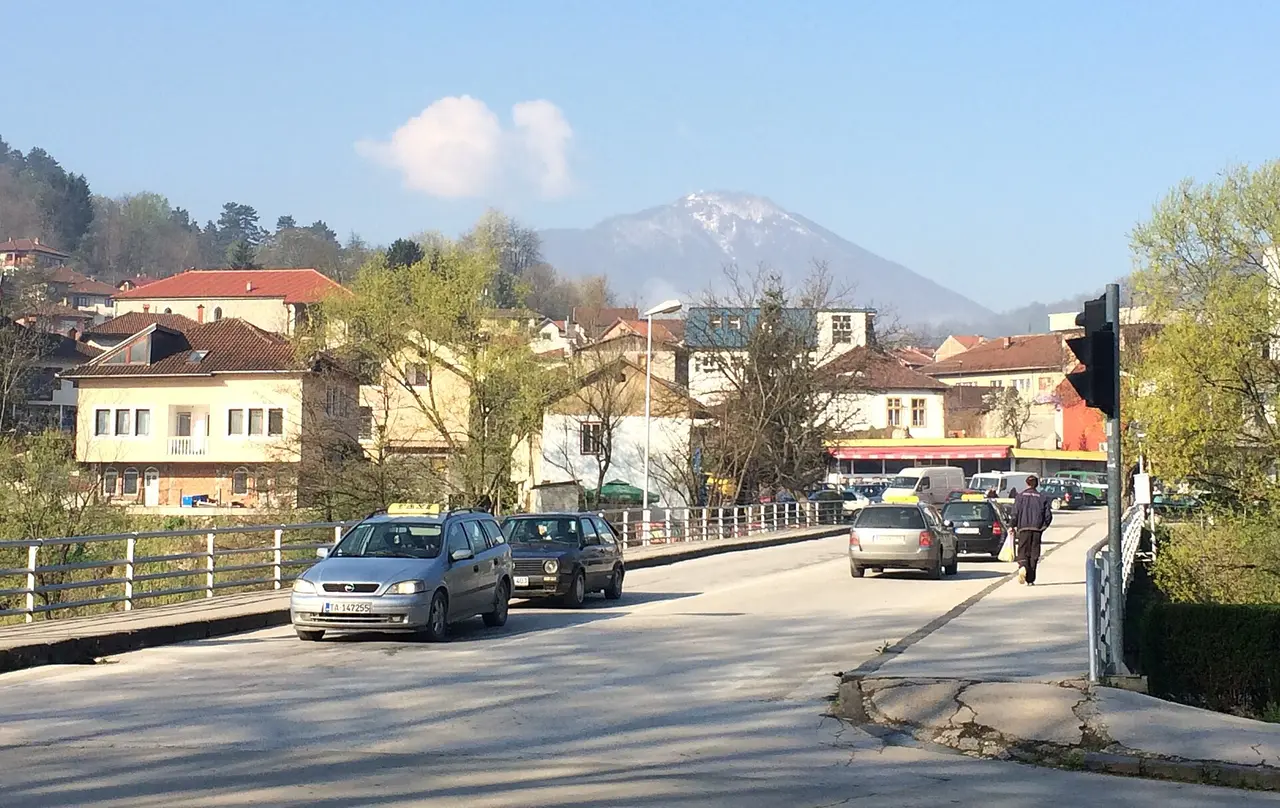
There is one practical trap with the stations. Buses leave from Sarajevo’s main bus station on Halida Kajtaza, next to the railway station, but the city has a second terminal in East Sarajevo (Lukavica), over in Republika Srpska, and some carriers use it instead. They’re not close together, so check your ticket for the departure point before the morning of travel rather than turning up at the wrong one with bags. In Kotor, buses pull into the main bus station just outside the old town walls, a short and flat walk to the gate. Timetables here are thin and shift with the season, so look up the current departures before you build a plan around them, and don’t assume the return time is convenient.
The border: which document you need
This trip has exactly one border crossing, Bosnia into Montenegro, and it’s a real frontier control with stamps and a check rather than a wave-through, since neither country belongs to the EU or Schengen. That last point catches people, but not the way you might expect: it’s a genuine passport control, yet both countries still admit EU and EEA citizens on a national ID card. Bosnia accepts an ID card for stays up to 90 days and Montenegro for up to 30 (a passport lifts that to 90), so a passport is the easier, more flexible document without being strictly required for EU nationals. For everyone from outside the EU (UK, US, Canadian, Australian passport holders and the rest), a valid passport is required as a matter of course. If your group is mixed, the simplest rule is for everyone to travel on a passport.
Entry rules depend on your nationality and do change, so confirm the current position with the Bosnian Border Police and Montenegro’s own guidance before you travel (checked 2026-07-13).
The good news is the crossing itself. Depending on the routing, buses use either the Hum (Bosnia) / Scepan Polje (Montenegro) crossing near Foca, or one of the quieter eastern crossings over toward Trebinje. Either way, these are among the least busy borders in the Balkans, because relatively few tourists take the direct inland route to the coast. Out of season it is often under five minutes with no queue at all; in summer, reckon on 15 to 30 minutes, with Sunday evenings the slowest as weekend traffic heads back. That’s a world away from the coastal Croatia-to-Montenegro crossings, which can stall for two or three hours in July. The Hum crossing is open around the clock and is genuinely scenic, with a neutral zone that bridges the Tara canyon.
Driving it yourself: the case for the canyon
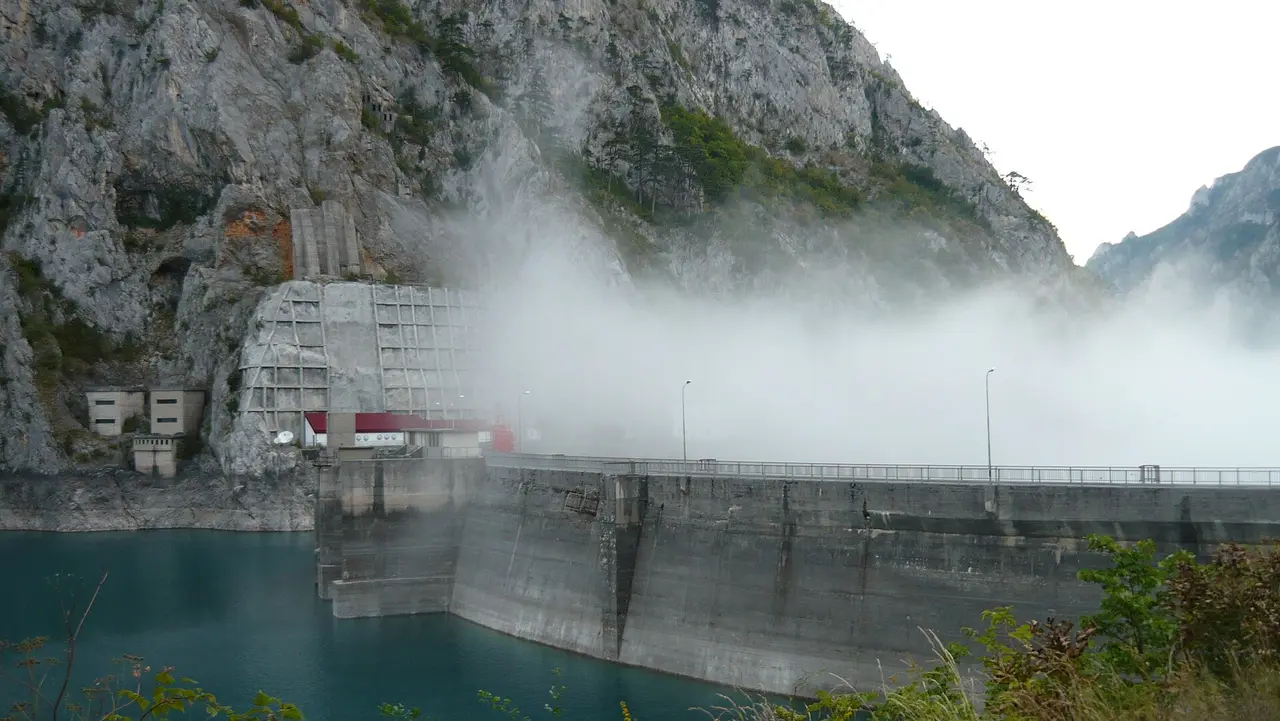
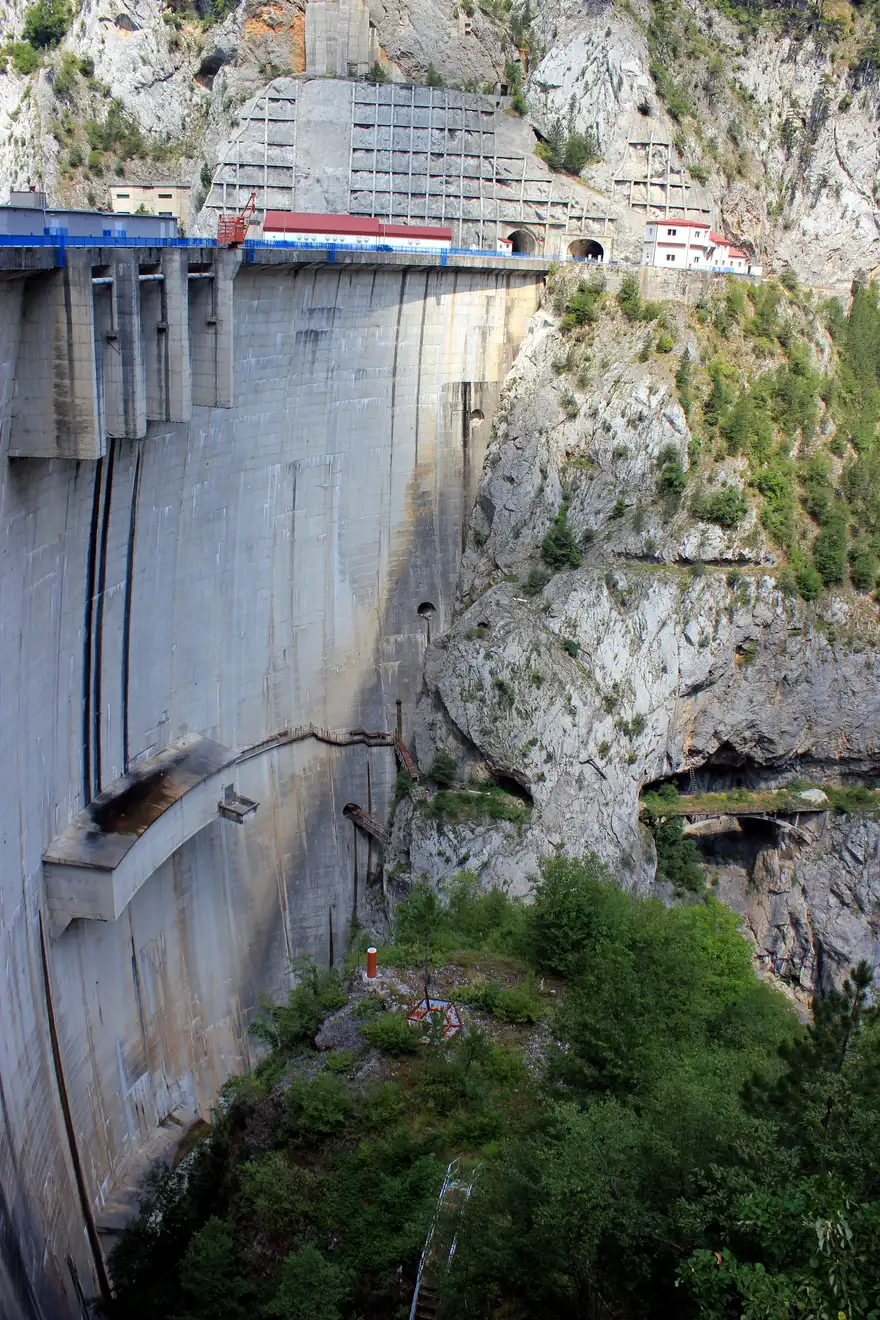
If you can drive, this is one of those routes where doing it yourself isn’t just about saving a fare - it changes the trip. The inland roads between Sarajevo and the coast thread some of the most dramatic scenery in the region, above all the Piva canyon in Montenegro, where the road winds along a startling turquoise reservoir, through tunnel after tunnel cut into the rock, past the huge Mratinje dam wall. On a bus you watch it slide by; in a car you can pull over and take it in.
There are two broad ways to go. The first runs southeast via Foca, crosses at Hum / Scepan Polje, and drops into Montenegro along the Piva toward Niksic - this is the scenic one. The catch is honest and worth flagging: the stretch of the M18 from Foca down to the Hum crossing is narrow and, in places, rough or under repair, and some drivers deliberately avoid it. Check recent road reports before committing to it. The second option swings east through Trebinje (about 210 km from Sarajevo on better roads) and crosses nearer the coast from there, trading some of the Piva drama for an easier surface. Neither is a motorway blast; both are mountain days.
Two things to sort before you drive. First, if you hire in Bosnia, taking the car across into Montenegro needs the rental company’s written permission and a cross-border fee - but not a Green Card. For queue patterns, which post to pick from Trebinje and how the insurance actually works, see our dedicated Bosnia-Montenegro border crossings guide. Bosnia and Montenegro are both in the registration-plate section of the Green Card system, so the plate itself is the proof of insurance at the barrier. It’s routine, but flag the cross-border plan when you book and check it is written on the paperwork, because a car without the right cover can be turned back at the frontier. Second, if you haven’t driven in the country before, our driving in Bosnia guide sets expectations on the tunnels, the two-lane grind and the general pace. One structural point on cost: dropping a hire car in a different country almost always adds a hefty one-way fee, so a Sarajevo-based round trip is the efficient shape unless you are carrying on through Montenegro anyway.
Private transfer: the middle path
If you would rather not drive but the bus times or the long haul put you off, a private transfer splits the difference. It runs door to door in one vehicle, so there is no bus-station guesswork at either end and no shuffling bags at the border - the driver handles the crossing. Because you are covering ground the coach spends all day on, most drivers will happily fold in a stop for the Piva canyon or a break in Trebinje, so the transport leg doubles as a private sightseeing detour. It’s the most expensive of the three ways to go, sometimes by a wide margin, but shared across a family or a small group the price per person catches up with the bus fast. Because you’re finishing in a different country, judge the cost against a one-way rental and its cross-border drop fee, not a cheap round-trip hire you’d bring home to Sarajevo. And unlike either alternative, it solves the timetable problem outright: you leave exactly when you’re ready.
No train, no useful flight
For completeness: there’s no through train between Sarajevo and Kotor, and no direct flight that makes sense - you would connect through a hub and lose any time saved. On this route it really is bus, car or transfer, and the choice between them is about how you want to spend the day rather than about speed.
Which way to go
Happy spending the day on a coach and chasing the cheapest fare? Book the direct bus for an early-morning departure, confirm which Sarajevo terminal it actually leaves from, and don’t miss it, since there’s no evening service to fall back on. Set your heart on the Piva canyon and the freedom to pull over wherever the view demands it, and driving is the answer, either via Foca and Hum for the full scenery (check that rough stretch of road first) or via Trebinje for an easier surface - this is how the journey itself becomes the highlight instead of just the thing between two cities. Put off by both the driving and the timetable? A private transfer covers the whole route door to door, a natural fit for a group, a pile of bags, or a schedule with no slack in it, and it doubles as a scenic tour with a stop in the canyon along the way.
Whichever you choose, sort your documents in advance and aim to cross in the morning rather than with the Sunday-evening crowd, and everything else takes care of itself. This is one of the great inland-to-coast runs in the Balkans, from the Ottoman heart of Sarajevo to the Venetian stone of the Adriatic in a single day. Once you arrive, the Kotor guide on our sister site sets up the old town, the walls and the bay at the other end. Stitching more of Bosnia into the trip first? Our guide to getting around Bosnia and the Sarajevo to Mostar route cover the moves between the headline stops before you head for the coast. And if you’re still weighing the two countries against each other, see our Bosnia vs Montenegro comparison.
Photos
Read also

Transport · 11 min read
Sarajevo Public Transport: Trams, Buses & Tickets
Verified · September 3, 2026How Sarajevo trams, trolleybuses and buses work: GRAS fares in KM, where to buy tickets, the Javni Prevoz KS app, and when to walk instead.

Transport · 13 min read
Bosnia-Montenegro Border Crossings: What to Expect
Verified · August 24, 2026Bosnia-Montenegro at Hum, Klobuk, Deleuša and Zupci: real insurance rules, honest queue ranges, rental car paperwork, and which crossing fits your route.

Transport · 11 min read
Sarajevo to Travnik & Jajce: Bus and Driving Guide
Verified · August 22, 2026Sarajevo to Travnik and Jajce: Centrotrans bus from 26.50 KM, or drive 90 min to Travnik, 2h50 to Jajce. One corridor, both towns. Checked August 2026.

Transport · 10 min read
Sarajevo to Trebinje 2026: Drive 4h or 07:45 Bus
Verified · August 15, 2026Sarajevo to Trebinje: 222 km, about 4 hours by car via Foča and Gacko. Morning bus from East Sarajevo; confirm the fare at the window.