Bosnia vs Montenegro: Which Balkan Trip Fits You?
Bosnia or Montenegro? A neutral look at coast, mountains, culture, price and crowds, who each suits, and how to pair both in one Balkan trip.
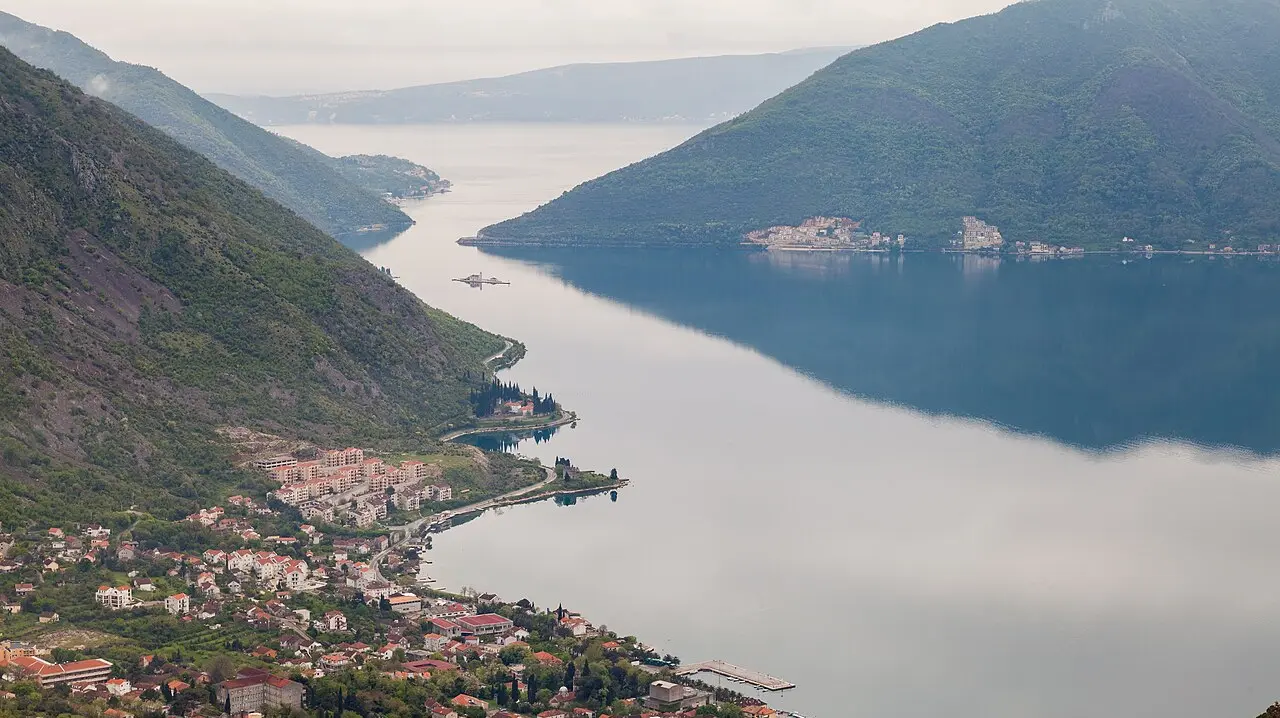
Short answer: go to Montenegro for the sea, and Bosnia for culture, value and quiet. Montenegro packs the fjord-like Bay of Kotor, a run of beach towns and high mountains into one tiny country, all priced in easy euros. Bosnia has no real coastline, but it gives you Ottoman old towns, a raw modern history and some of the cheapest travel in Europe. Neither is better; they’re built for different trips. Both cost a fraction of neighbouring Croatia, and because they share a quiet border, the smartest move is often to stop choosing and do both. Here is how they stack up on the things that actually decide it.
The short verdict
If you only want the headline:
- Pick Montenegro if the trip is about the coast: the Bay of Kotor, beaches at Budva, sailing, and dramatic canyon-and-mountain scenery within a short drive of the sea.
- Pick Bosnia if you want culture, history and value: Sarajevo and Mostar, a moving recent past, river gorges, and prices that stretch further than almost anywhere in Europe.
- Do both if you have a week or more. They sit next door, the border is one of the calmest in the region, and the contrast between coast and interior carries a trip nicely.
Coast: Montenegro wins, and it is not close
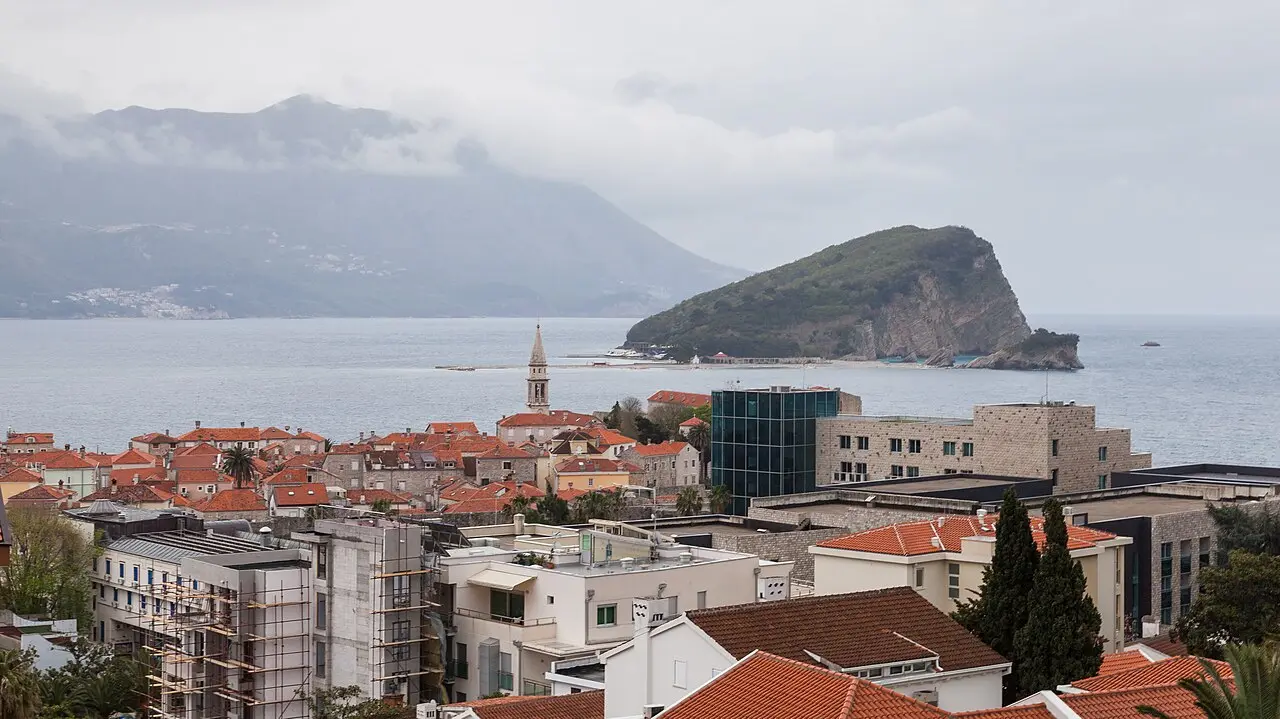
This is the clearest split of the two. Montenegro has the sea and Bosnia doesn’t. The Bay of Kotor is the showpiece, a fjord-like inlet of grey mountains dropping straight into blue water, with the Venetian-walled town of Kotor at its head. Down the coast, Budva mixes a walled old town with beaches and a loud summer nightlife, and Sveti Stefan and Ulcinj stretch the shoreline further south. If you want to swim, sail or watch the sun go down over the Adriatic, Montenegro is the answer.
Bosnia is all but landlocked. Its entire coastline is a single 20-odd-kilometre strip at Neum, a low-key resort rather than a destination in its own right. What Bosnia offers instead of sea is fresh water: the green Neretva through Mostar, the pools below the Kravice falls, the rafting rivers around Bihać. It’s lovely, but it’s rivers and gorges, not sand and salt. If the beach is the point of the holiday, that decides it for Montenegro on its own.
Mountains and nature: both strong, in different ways
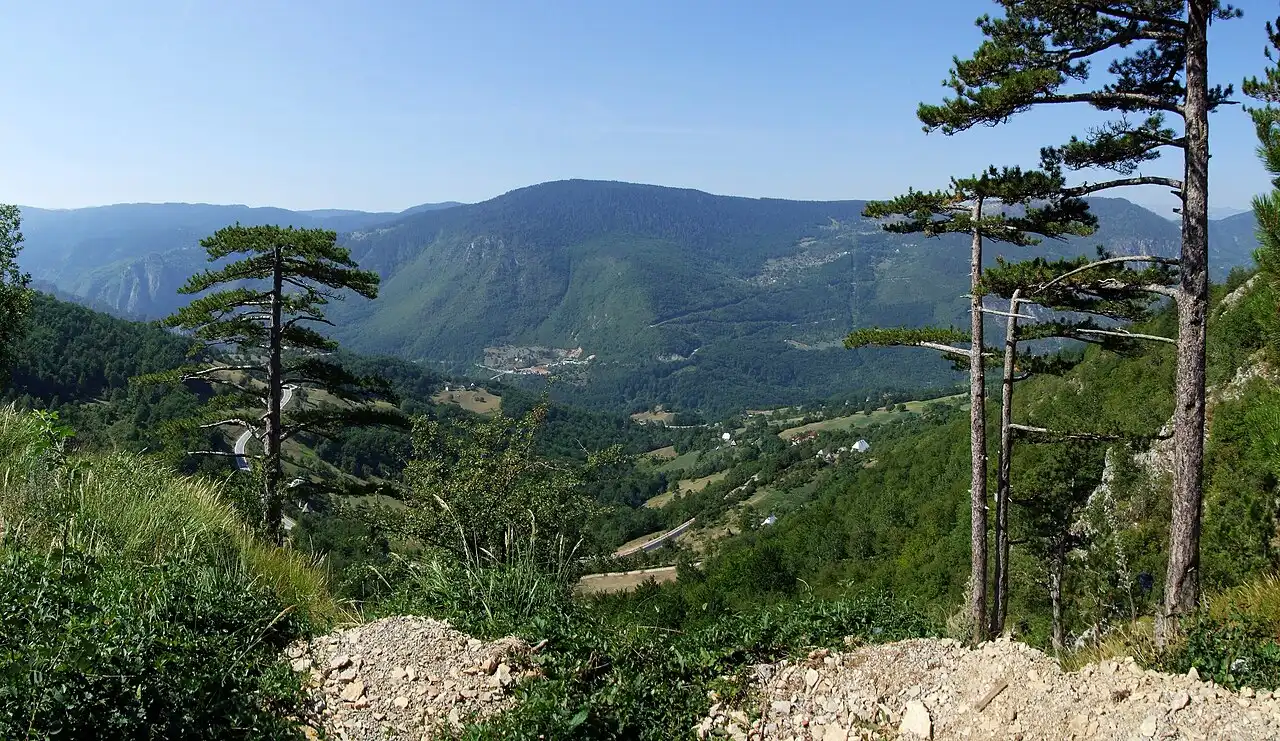
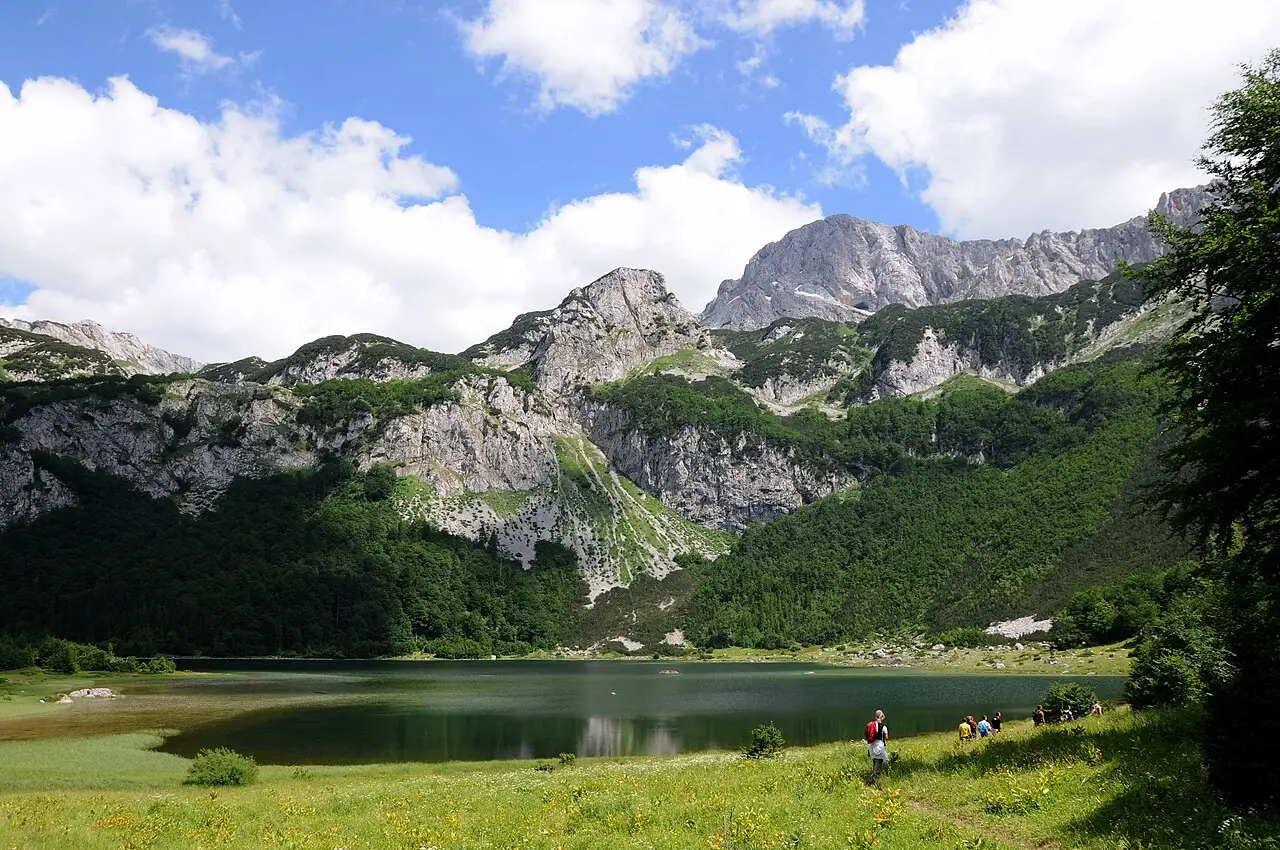
Here the two are closer, but the flavour differs. Montenegro goes high and dramatic. Durmitor National Park has more than twenty peaks above 2,300 metres, glacial lakes and, most famously, the Tara River Canyon, which at roughly 1,300 metres deep is the deepest canyon in continental Europe. Rafting the Tara is one of the country’s signature days out. It’s proper alpine country, and it sits a couple of hours inland from the beach.
Bosnia’s nature is greener and quieter. Its standout is Sutjeska National Park, home to Maglić, the country’s highest peak at 2,386 metres, and Perućica, one of the last primeval forests in Europe. Add the turquoise Una around Bihać, the waterfalls at Kravice and the Neretva gorge, and you have a landscape that’s more about rivers, forest and swimming holes than high ridges. The Tara Canyon itself actually straddles the border, so this is one place the two countries genuinely overlap.
Culture and history: Bosnia edges it
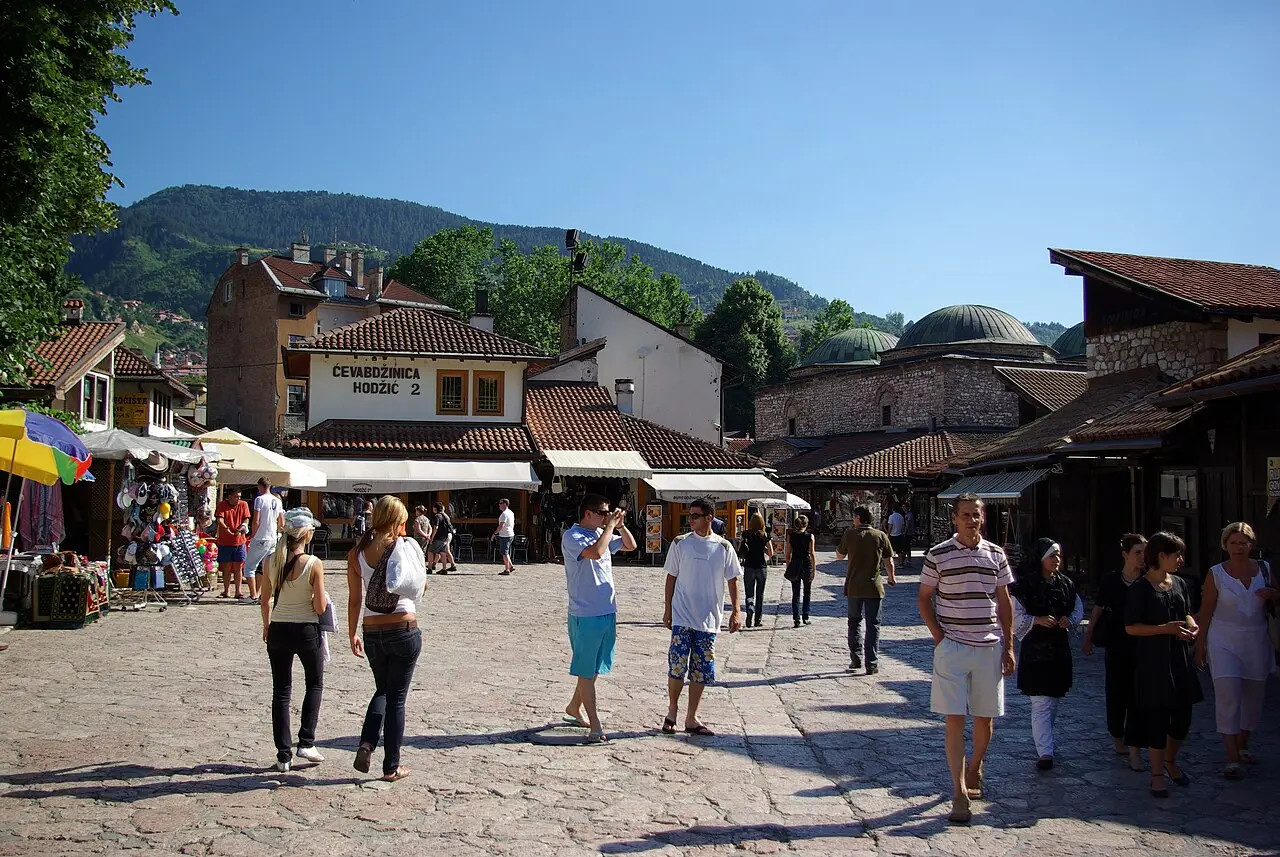
If the trip is about people, streets and the past, Bosnia has the denser offering. Sarajevo layers an Ottoman bazaar, an Austro-Hungarian downtown and a 1990s siege you can still read on the walls, while Mostar’s rebuilt Old Bridge is one of the Balkans’ iconic sights. Coffee culture, ćevapi and a genuine East-meets-West feel run through it all. If you settle on Bosnia, our Sarajevo or Mostar guide helps you split your nights between its two headline cities. Montenegro is not without history: walled Kotor, the old royal capital of Cetinje, the cliff-hugging Ostrog Monastery. But it’s thinner on the ground, and more about scenery than cities.
Price: Bosnia is the cheaper of the two
Both countries are a bargain next to Croatia, but Bosnia is the cheaper still. Broadly, day-to-day costs in Bosnia run roughly 25 to 30 percent below Montenegro’s, and the gap is widest on the coast, where Kotor and Budva push summer prices up toward Croatian levels. A mid-range day in Bosnia sits around 100 to 130 euros per person and a budget day nearer 45 to 60; Montenegro lands a notch above that, especially by the sea in July and August. If you want your money to go as far as possible, Bosnia is the value play, and our Croatia versus Bosnia guide makes the same point against the pricier neighbour, while the full breakdown sits in our Bosnia trip cost guide.
Crowds and pace
Montenegro’s coast is a real summer honeypot. Kotor takes cruise ships that pour crowds through its little lanes by day, and Budva fills with a party crowd. Go in July or August and you plan around it. Bosnia, by contrast, stays quiet almost everywhere, even at Mostar and Sarajevo, and its prices and mood feel less tuned for tourists. The one nuance: Montenegro’s interior, the Durmitor mountains and the north, is as peaceful as anywhere in Bosnia, so it’s really the Montenegrin coast, not the whole country, that gets busy.
Size, driving and money in your pocket
Two practical differences worth weighing. First, Montenegro is tiny and compact: coast, canyon and high mountains all sit within a couple of hours of each other, so you can base yourself once and reach a lot. Bosnia is far larger, and its mountain roads are slow, so highlights are spread out and you spend more time getting between them. Second, the currency. Montenegro uses the euro, even though it’s not in the eurozone, which makes budgeting effortless for most visitors. Bosnia runs on the convertible mark, pegged at roughly 1.96 to the euro, and euros aren’t accepted everywhere, so you’ll change money and carry local cash.
So which one suits you?
Line it up against your own trip:
- Beach, sailing and coast-plus-mountains in a small package: Montenegro.
- Cities, history, food and the deepest sense of place: Bosnia.
- Squeezing the most days out of a tight budget: Bosnia.
- A first, easy Balkans trip with simple logistics and euros: Montenegro leans easier.
- Getting genuinely off the beaten track: Bosnia, or Montenegro’s quiet north.
- Comparing Bosnia with Albania’s coast-and-mountains mix instead: see Bosnia vs Albania.
You do not have to choose: doing both
The happiest answer for many travellers is to pair them. The two share a long, calm border, and the Bosnian town of Trebinje sits just above the Bay of Kotor, which makes a natural pivot between Herzegovina and the Montenegrin coast. From Mostar it’s a 5-to-6-hour bus to Kotor through Trebinje, and there’s a longer, wilder run down from Sarajevo over the Piva canyon. Both countries sit outside the EU and Schengen, but both let EU and EEA citizens enter on a national ID card; a passport is simply the easier document, and it buys the full 90 days in Montenegro rather than the 30 an ID card allows. Travellers from outside the EU need a passport as a matter of course. Entry rules depend on your nationality and can change, so confirm the current position with the Bosnian Border Police and Montenegro’s official guidance before you travel (checked 2026-07-13). A common shape is a loop that links Dubrovnik, the Bay of Kotor, Trebinje, Mostar and Sarajevo, spending the first half on the coast and the second inland. If you want the Montenegrin side in more depth, the things to do in Montenegro guide on our sister site covers it properly.
The bottom line
Weigh it by the trip you want, not by which country ranks higher. If the holiday is really about the sea, or coast and mountains in one neat package, book Montenegro and enjoy the ease of euros and short drives. If you are after culture, history, river country and the best value in the region, book Bosnia, and your money will go further and the crowds will be thinner. And if you have the time, let the border do the work: pair Montenegro’s coast with Bosnia’s interior, and the contrast between salt water and Ottoman stone will carry the whole trip.
Photos
Read also

Before you go · 10 min read
Where to Stay in Medjugorje: Pansions & Hotels
Updated · August 25, 2026Where to stay in Medjugorje: guesthouses near St James Church, pilgrim hotels, peak dates, and whether to sleep here or day-trip from Mostar.

Before you go · 9 min read
Where to Stay in Jajce: Hotels by the Waterfall
Updated · August 23, 2026Where to stay in Jajce: old-town hotels steps from the Pliva Waterfall, lakeside rooms by the watermills, and which base suits a one-night stop.

Before you go · 11 min read
Mostar or Trebinje: Which Herzegovina Base?
Verified · August 18, 2026Mostar or Trebinje as a Herzegovina base: crowds, hotel prices, summer heat, Dubrovnik access and wine - pick the nights that fit your trip.

Before you go · 7 min read
Cash, Cards and Tipping Across the Balkans in 2026
Verified · August 15, 2026Twelve currencies, three of them the euro, and two pegged to it. What is fixed, what is a habit, and where you still need notes in your pocket.