Bosnia vs Croatia 2026: Cheaper, Quieter, Which to Visit
Croatia or Bosnia in 2026? Bosnia prices out at 63 against Croatia's 76 on Eurostat, with far fewer crowds; Croatia wins the coast. How to do both.
Short answer: go to Croatia for the coast, and Bosnia for value, history and far fewer crowds - and if you can, do both, because they sit next door and pair beautifully. Croatia gives you the Adriatic, the walled towns and the islands, at Western-European prices and with the summer crush that fame brings. Bosnia gives you Ottoman old towns, a still-visible recent history, mountains and rivers, and some of the cheapest travel in Europe, for noticeably less money and a fraction of the tourists. Neither is “better”; they’re built for different trips. This guide compares them on the things that actually decide it, then shows you how to combine them.
The one-line verdict
If you’re picking just one, it comes down to what you want out of the trip:
- Choose Croatia if the point of the holiday is the sea: beaches, islands, sailing, sunset drinks on a stone waterfront, and famous old towns like Dubrovnik and Split.
- Choose Bosnia if you want culture, value and quiet: Ottoman bazaars, a moving modern history, dramatic mountains and rivers, and prices that feel like a throwback.
- Do both if you’ve got a week or more and want contrast, because the coast and the interior complement each other and the border crossing is easy.
Everything below is the detail behind that call.
Coast: Croatia wins, and it isn’t close
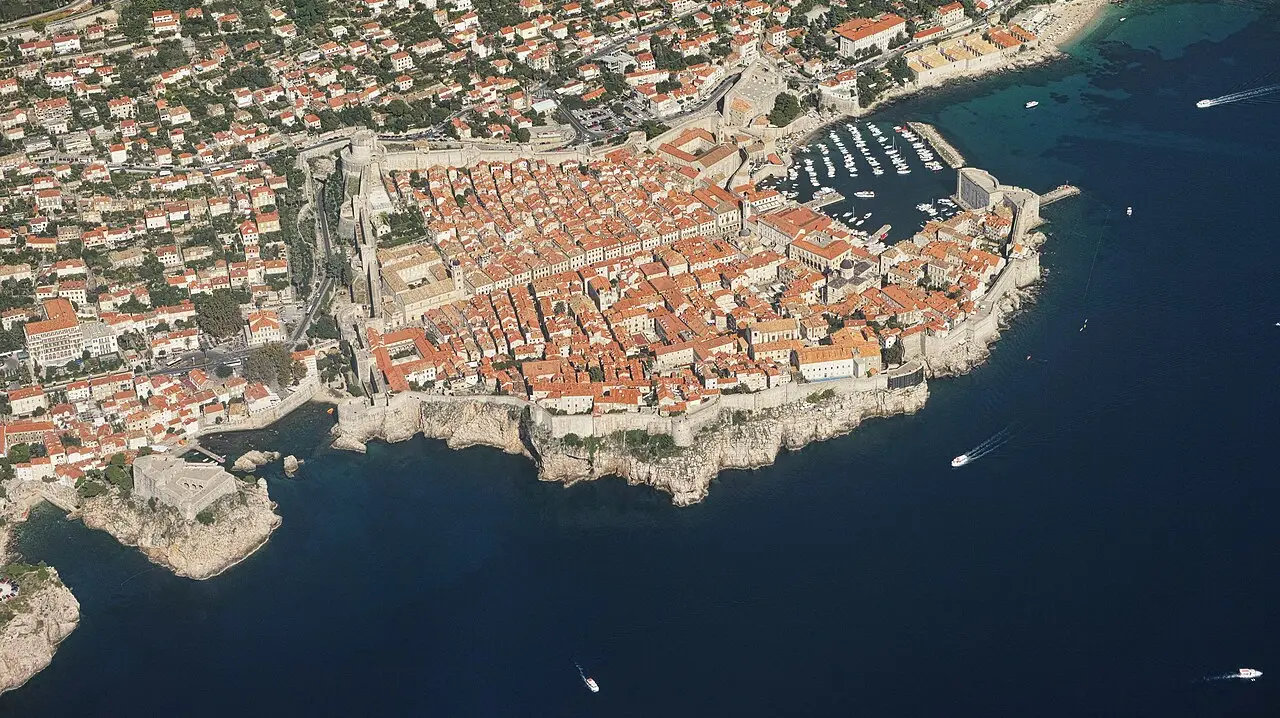
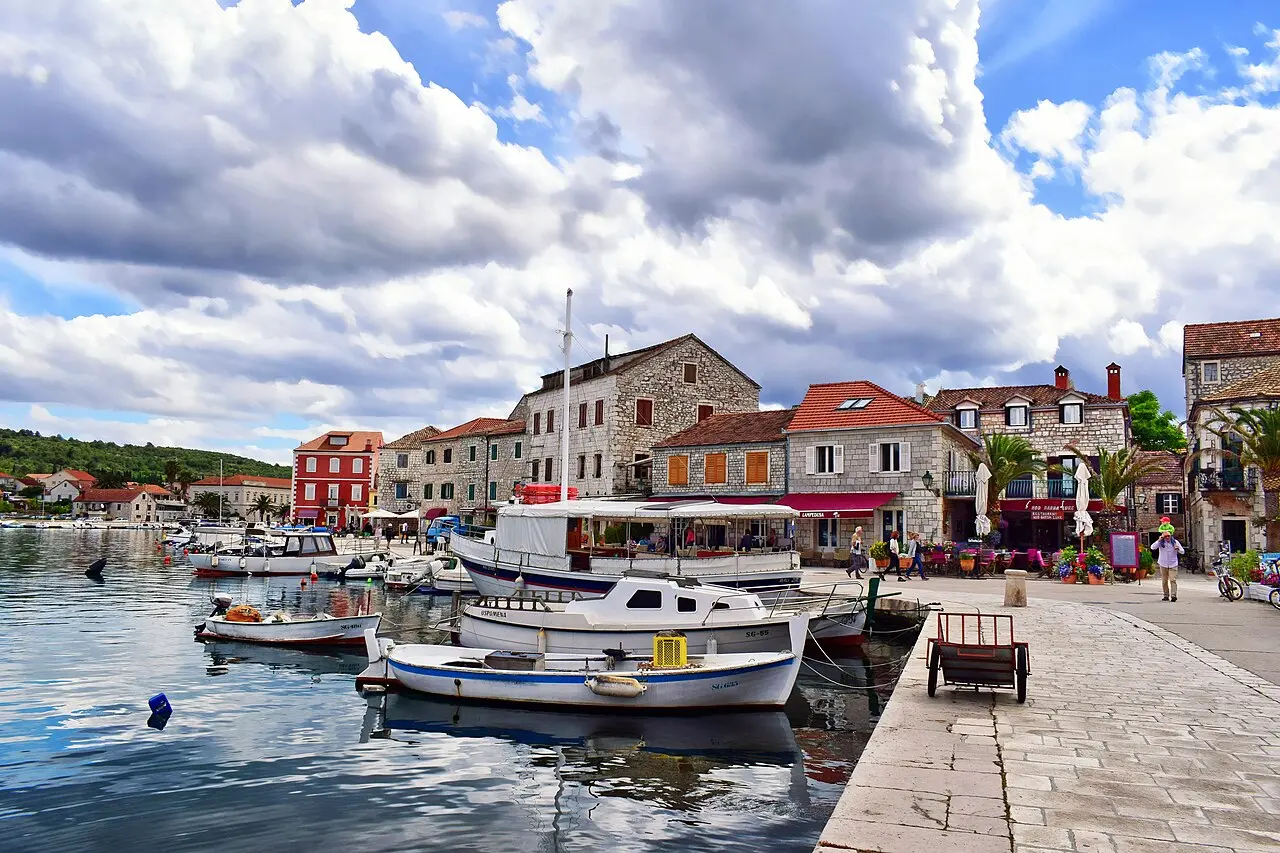
This is the clearest difference of all. Croatia is a coastal country, with a long, gorgeous Adriatic shoreline, more than a thousand islands, and a string of stone towns that were built to be seen from the water. Dubrovnik’s walls, the harbours of Hvar and Korčula, the buzz of Split’s waterfront: if you want to swim off a rocky cove, island-hop by ferry or sail, Croatia is the answer and Bosnia simply isn’t in the running.
Bosnia is all but landlocked. Its coastline is a single short strip at Neum, not a beach destination. What Bosnia offers instead is fresh water: the emerald Neretva through Mostar, the swimming pools below the Kravice falls, the rafting rivers of the Una around Bihać. It’s beautiful, but it’s rivers and gorges, not sea and sand. If your heart is set on the Adriatic, that decides it in Croatia’s favour on its own.
Price: Bosnia is the cheaper one, with one exception
The second big difference is money, and here Bosnia wins just as decisively as Croatia wins the coast. The cleanest way to see it is Eurostat’s price level survey, which scores every country against the EU-27 average of 100 on one methodology. For 2024 it puts Bosnia at 63 and Croatia at 76 for consumer goods and services overall. Narrow it to holiday money and the gap widens: food and non-alcoholic drinks 83 against 104, and restaurants and hotels 75 against 95. One line goes the other way, and it’s the one nobody expects - transport services price out at 118 in Bosnia against 87 in Croatia, so fares, taxis and transfers are the part of the trip where Croatia is actually the cheaper country.
On the ground that translates into a plate of ćevapi at 12 to 14 KM (about 6 to 7 euros) in Sarajevo against Dalmatian restaurant prices, and a comfortable double that costs a small fortune inside Dubrovnik’s walls in August going for a fraction of that in Sarajevo or Mostar. Croatia’s coast, especially Dubrovnik and Hvar in peak season, pushes prices up to levels that rival pricier Mediterranean countries. A mid-range day in Bosnia works out at about 100 to 130 euros, and Eurostat’s restaurants-and-hotels line says where that sits against the coast: 75 in Bosnia against 95 in Croatia. If your trip is price-sensitive, or you want more days for the same budget, Bosnia is the better buy. The full breakdown for the cheaper of the two is in our guide to how much a Bosnia trip costs.
Crowds: Bosnia is the quiet one
Croatia is a genuine mass-tourism destination. It draws tens of millions of visitors a year, and in July and August the honeypots, Dubrovnik above all, get properly crowded, with cruise-ship crowds funnelling through the old town by day. Bosnia, by contrast, sees a small fraction of that - it’s quieter, less polished and far less trodden, even at its two headline sights.
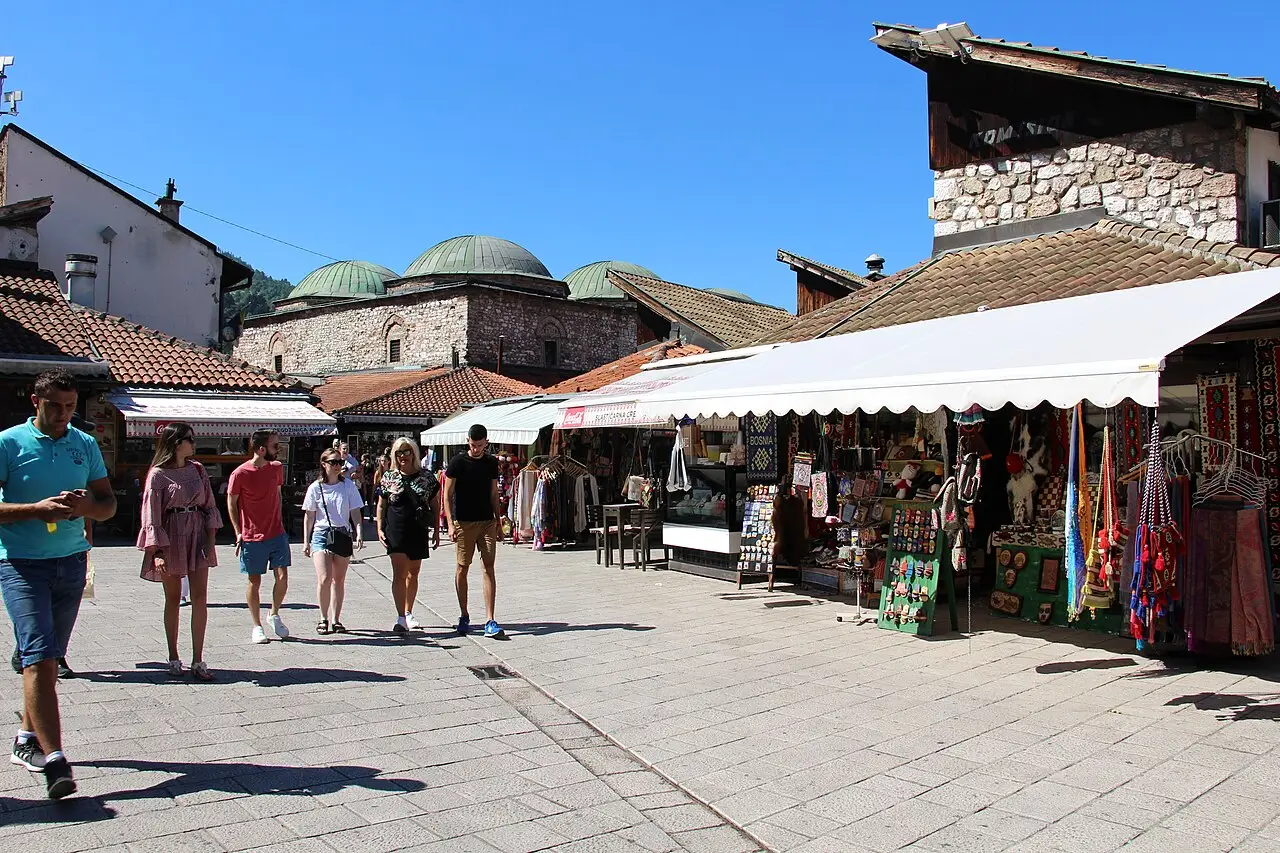
The practical upshot is a different mood. In Croatia you plan around the crowds, book ahead and pay a premium for the famous spots. In Bosnia you can still turn up at Mostar or wander Sarajevo’s old town without feeling processed. If avoiding the crush matters to you, that’s a real point in Bosnia’s favour, and it’s part of the case our is Bosnia worth visiting guide makes at length.
Culture and food: different flavours, both strong
Neither country loses on culture; they simply offer different things. Croatia is Mediterranean and Roman at heart: Diocletian’s Palace in Split, Venetian-flavoured Dalmatian towns, seafood, olive oil and wine, an easy coastal glamour. Bosnia is a crossroads: Ottoman mosques and bazaars sitting beside Austro-Hungarian facades, a strong coffee culture, and a recent history, the 1990s siege of Sarajevo among it, that you can still read on the streets. Sarajevo’s old town, and everything worth doing in it, is covered in our Sarajevo things to do guide.

Bosnia’s cooking also feels less touristified than the busy stretches of the Croatian coast, where prices and menus are tuned for visitors. Ćevapi, burek and the coffee ritual are everyday things done well, not put on for you. Croatia’s seafood and Dalmatian cooking are excellent too, but you pay coastal prices for them. If eating cheaply and authentically is a big part of how you travel, Bosnia edges it.
You don’t have to choose: doing both
The happiest answer for a lot of travellers is to stop treating this as either-or. Croatia and Bosnia share a long border, and the two most iconic sights, Dubrovnik and Mostar, are an easy hop apart: roughly 147 km and about two and a half hours by road, with a single border crossing since the Pelješac Bridge opened in 2022.
That makes a natural combined trip: the coast and old towns of Croatia, then a swing inland to Mostar and Sarajevo for the history and the value, or the reverse. Mostar works well as a day trip or overnight from Dubrovnik, and Trebinje, the Bosnian wine town, sits just up the road from the Croatian border too, so it slots in with barely a detour. A common shape is a week or ten days that spends the first half on the Dalmatian coast and the second half in the Bosnian interior, using the Dubrovnik-Mostar hop as the pivot between them. The mechanics of that specific leg, by car, bus or organised trip, are in our Dubrovnik to Mostar guide, and if you want the fuller Croatian side of the picture, the Dubrovnik travel guide on our sister site covers the walled city in depth. And if Montenegro is also in the running, our Bosnia vs Montenegro guide weighs that pairing too; for Albania instead of Croatia as the coastal alternative, see Bosnia vs Albania.
So, which should you book?
Weigh it by your trip, not by which country is “best.” If the holiday is really about the sea, islands and famous old towns, and you’re happy to pay for them and share them, book Croatia. If you’re chasing value, history, mountains and a quieter, more lived-in feel, book Bosnia, where a comparable restaurant or hotel bill runs about a fifth lower on Eurostat’s own numbers. And if you’ve got a week or more and can’t quite let go of either, the smart move is to stop choosing: pair Croatia’s coast with Bosnia’s interior and let the contrast carry the trip. That last option keeps getting easier, because since the Pelješac Bridge opened in 2022 the run from Dubrovnik to Mostar is a single 147 km drive over one frontier - close enough that the marble of the Dalmatian coast and the Ottoman stone of Herzegovina can share the same fortnight without either feeling like a compromise.
Photos
Read also

Before you go · 10 min read
Where to Stay in Medjugorje: Pansions & Hotels
Updated · August 25, 2026Where to stay in Medjugorje: guesthouses near St James Church, pilgrim hotels, peak dates, and whether to sleep here or day-trip from Mostar.

Before you go · 9 min read
Where to Stay in Jajce: Hotels by the Waterfall
Updated · August 23, 2026Where to stay in Jajce: old-town hotels steps from the Pliva Waterfall, lakeside rooms by the watermills, and which base suits a one-night stop.

Before you go · 11 min read
Mostar or Trebinje: Which Herzegovina Base?
Verified · August 18, 2026Mostar or Trebinje as a Herzegovina base: crowds, hotel prices, summer heat, Dubrovnik access and wine - pick the nights that fit your trip.

Before you go · 7 min read
Cash, Cards and Tipping Across the Balkans in 2026
Verified · August 15, 2026Twelve currencies, three of them the euro, and two pegged to it. What is fixed, what is a habit, and where you still need notes in your pocket.