Sarajevo War Tunnel (Tunnel of Hope): How to Visit
How to visit the Sarajevo War Tunnel (Tunnel of Hope): what it is, hours, the 20 KM cash entry, how to get to Butmir, and how long you need.
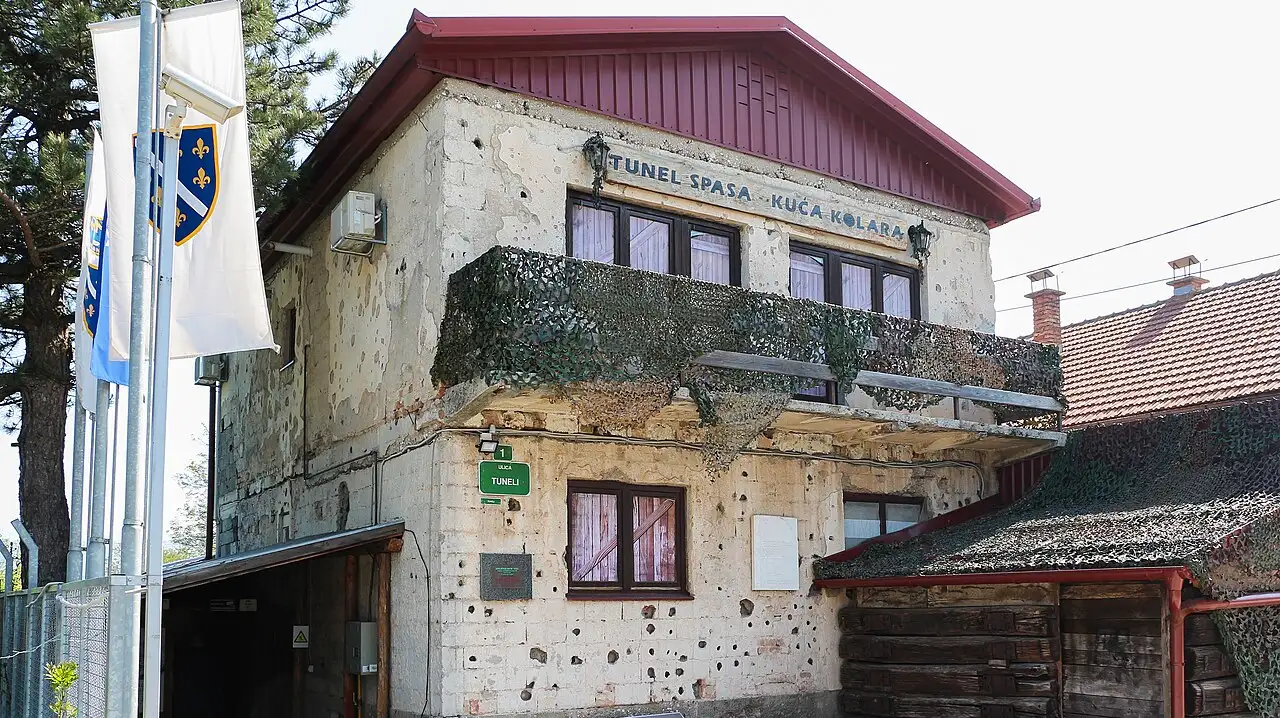
The Sarajevo War Tunnel - the Tunnel of Hope, Tunel spasa in Bosnian - is a hand-dug passage under the airport runway that was the besieged city’s only link to the outside world for most of the 1990s war. A short surviving stretch, and the shell-scarred house it began from, are now a small museum in the suburb of Butmir. It’s the single best place to understand what the siege of Sarajevo actually meant, and it takes about 45 minutes to an hour to visit. Entry is 20 KM, cash only; it’s out by the airport, roughly a 15-minute taxi ride from the centre. Below is exactly what happened here, how to get there, and how to fit it into a day.
What the tunnel was
For 1,425 days - from 5 April 1992 to 29 February 1996, the longest siege of a capital in modern warfare - Sarajevo was encircled by forces holding the hills around it. The one gap in the ring was the airport, southwest of the city, but it was controlled by the UN and couldn’t be crossed openly: anyone who tried to run across the exposed runway at night risked being shot. Bosnian-held Sarajevo (the district of Dobrinja) and free territory beyond the airport (the village of Butmir) were separated by a few hundred metres of tarmac that might as well have been an ocean.
The answer was to go under it. In secret, from 1 March 1993, two teams began digging toward each other from cellars on either side, under the codename “Objekt BD” - for Butmir-Dobrinja. They worked in eight-hour shifts around the clock, by hand, with picks, shovels and wheelbarrows, hauling out some 2,800 cubic metres of earth. On 30 June 1993 the two headings met in the middle; the tunnel opened for use the next day. It had taken four months and four days, dug by ordinary people - soldiers, miners, volunteers - many of them paid in cigarettes.
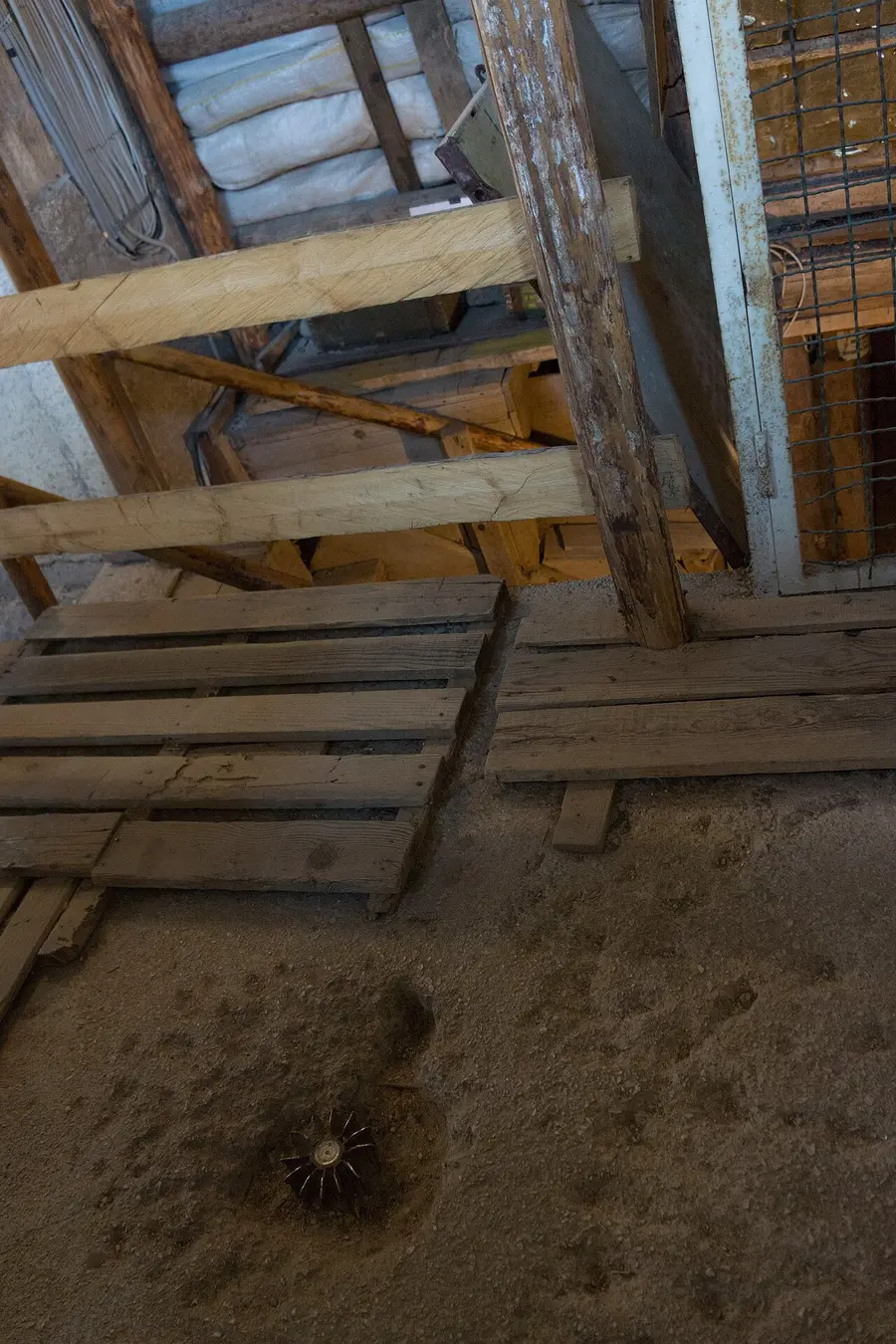
The finished passage ran about 800 metres in all, of which roughly 340 metres was true tunnel directly beneath the runway; the rest was covered trench on either side. It was cramped: about 1.6 to 1.8 metres high and under a metre wide in places, so most people moved through it bent double. At its lowest it lay about five metres under the tarmac, and it flooded constantly, so pumps ran day and night - that’s how wet the ground stayed under the runway.
What it carried changed the war. Between roughly 3,000 and 4,000 people and around 30 tonnes of goods passed through on a busy day - food, fuel, medicine, ammunition, mail, and soldiers going to and from the front. It became the city’s aorta, and you’d feel that weight even before you read the boards. Later they laid a narrow rail track with small carts that could take 400-kilogram loads, ran an oil pipeline through it, and threaded a 12-megawatt power cable - donated by Germany - down its length to feed the starving grid. President Alija Izetbegović himself was carried through it on the rail line. So, at the other end of things, was much of the flour that kept people alive.
The Kolar house
The Butmir mouth of the tunnel opened in the cellar and garage of a modest family home belonging to the Kolar family, who lived beside the runway and gave their house over to the war effort. That house is the museum today, and it’s been deliberately left as the war left it - the outer walls still pocked and cratered with bullet and shrapnel scars, a physical record you can run your hand along. A camouflage net still drapes the front, the way it did to hide the entrance from the hills.
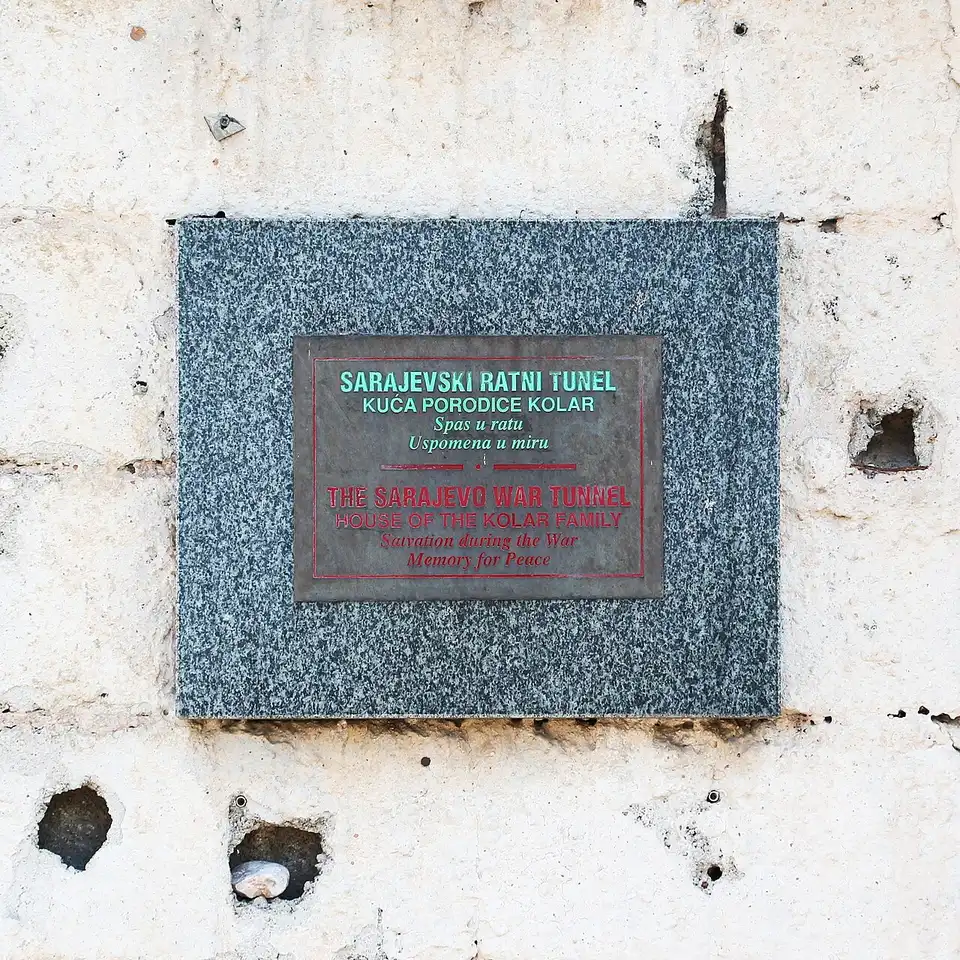
This is a memorial as much as a museum, and it’s worth going in that spirit. People died within sight of these walls, and the families who dug and ran the tunnel are still in the neighbourhood. It doesn’t ask for solemnity so much as attention - read the boards, watch the footage, and let the smallness of the place do the work.
What you’ll see
The visit is compact but dense. Run by the Memorial Centre Sarajevo, the site has three parts, and you can see all of them slowly in under an hour.
First is the surviving stretch of tunnel - about 20-25 metres of the original, preserved and lit, plus a longer restored section opened in 2025, so you now walk roughly 100 metres in all. It’s the whole point of coming: you duck under the timber props, feel how narrow and low it is, and understand in your body what the photographs can only show. Imagining doing that carrying a sack of flour, or a wounded person, with the pumps sloshing and shells landing overhead, is the moment the history stops being abstract.
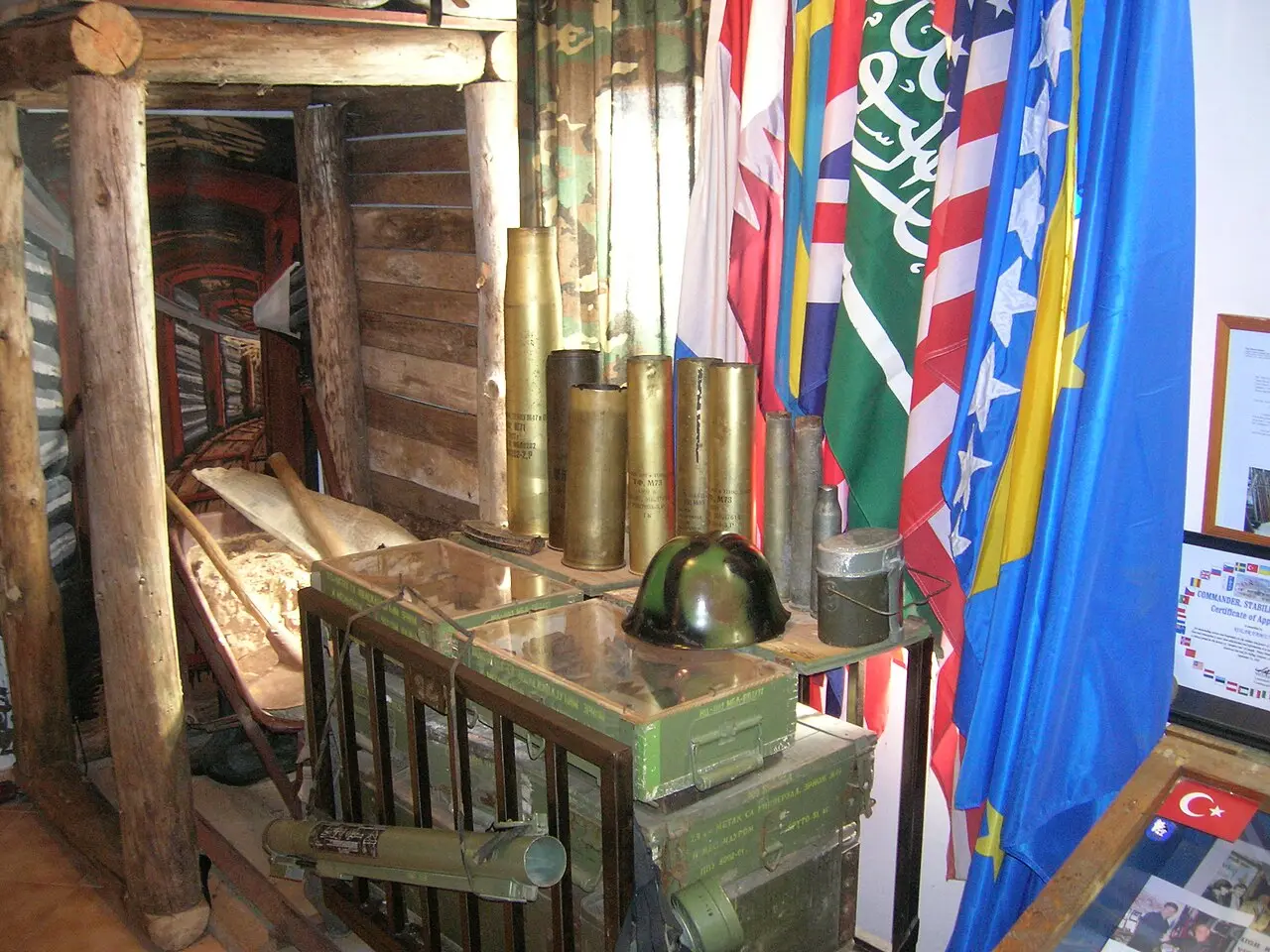
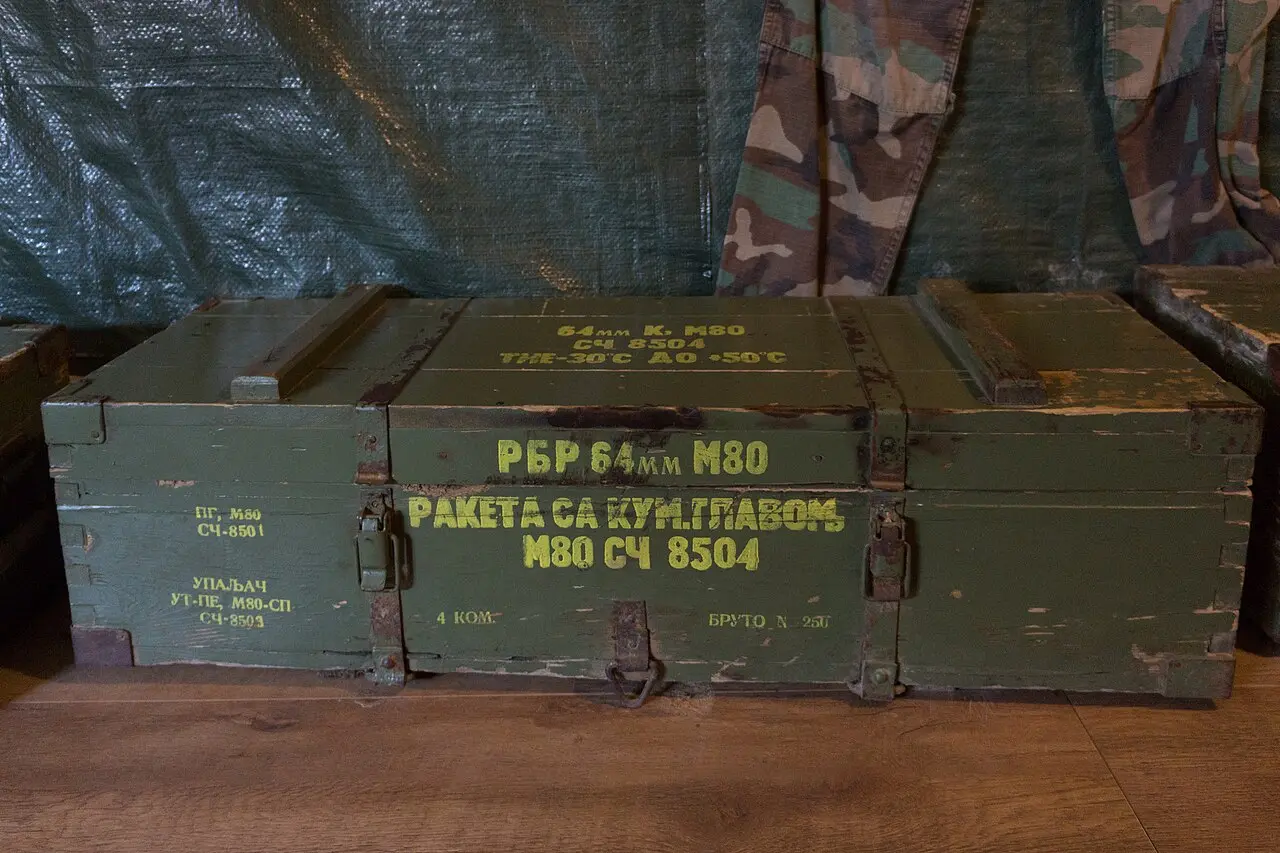
Second are the exhibits inside and around the house: wartime photographs, personal belongings, the digging tools, one of the rail carts, uniforms, ammunition crates, spent shell casings, and documentary footage of the tunnel in use. A short film runs through the story if you want the full context; an audio guide is available for 3 KM. Give the film and the boards a few minutes - the objects mean far more once you’ve read what they were for.
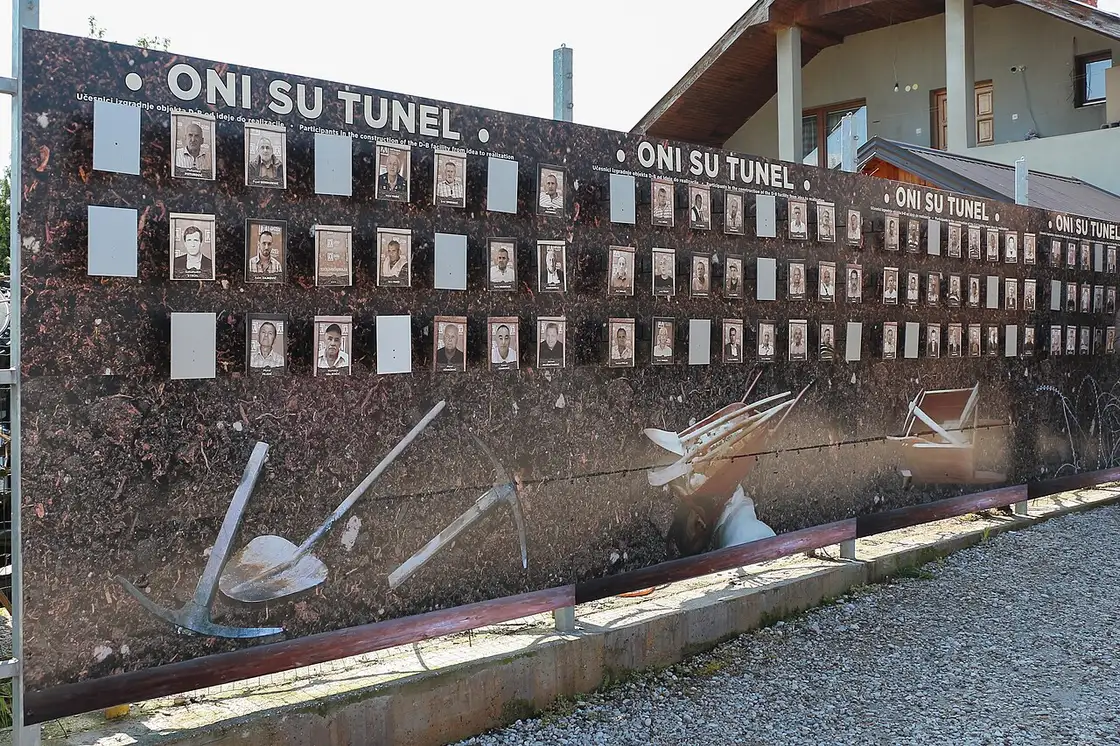
Third, easy to walk past but worth pausing at, is the memorial wall of the diggers - row on row of portrait photographs of the people who built the tunnel, under the words Oni su tunel, “They are the tunnel.” It’s a quiet reminder that this wasn’t an army project handed down from above but something a city did for itself, name by name.
Hours, tickets and the cash rule
Opening hours run 08:30 to 17:00 in summer (1 April to 31 October) and 09:00 to 16:00 in winter (1 November to 31 March), with last entry half an hour before closing. Those are the official Memorial Centre times, but they do shift a little with the season and with private events, so it’s worth a quick check on the day if you’re cutting it fine.
Admission is 20 KM for adults and 8 KM for students; children under six are free, and the audio guide is 3 KM. The one thing to get right: the tunnel takes cash only, in convertible marks (KM). No cards, no euros - the museum is explicit about it. Bring notes with you, because there’s no ATM at the site and you don’t want to have made the trip out only to be turned away at the door. It’s a small place; a busy summer morning can mean a short wait, and going early or in the last hour of the afternoon is the way to have it to yourself.
How to get there
The tunnel is out by Sarajevo airport, in Butmir, southwest of the old town - call it a 15-minute drive from the centre. There’s no direct public transport, and this trips up a lot of visitors, so here are the real options.
The simplest is a taxi or a booked transfer: from the centre it’s roughly 20 KM each way. Ask the driver to use the meter or agree the fare first, and either have them wait (they’ll usually do the round trip with waiting time for a set price) or arrange a pickup, since flagging one down in Butmir afterwards is hit or miss. A pre-booked car takes the guesswork out of it, especially if you’re pairing the tunnel with the airport or an early start.
If you’d rather do it on public transport, take tram 3 (trams 4 and 6 also run there) to the last stop in Ilidža, then either catch bus 32 toward Butmir or walk the roughly 3 kilometres along Butmirska cesta - keep left where the road forks and follow the signs to Tuneli. It’s doable and cheap, but slow, and the walk is along an ordinary suburban road rather than anything scenic. Many people find a transfer is worth it for the couple of hours it saves.
How long you need, and what to pair it with
The museum itself is a 45-to-60-minute stop; with travel out and back from the centre, budget two to three hours for the whole excursion. That makes it an easy half-day, and it leaves room to combine it with something else.
The natural pairing is Mount Trebević. The mountain and the tunnel are two sides of the same story - Trebević was a front line during the siege, and the abandoned 1984 Olympic bobsled track on its slopes was used as an artillery position. Ride the cable car up from Bistrik (about eight minutes; a return ticket is 30 KM) for the view over the whole bowl of the city, walk the derelict bobsled run, and you’ve spent a day on Sarajevo’s wartime and Olympic legacy without ever feeling rushed. In town, the same thread runs through the Sarajevo Roses, the shell scars in the pavement filled with red resin, and along the boulevard once nicknamed Sniper Alley - all of which, with the market memorials and the hillside cemeteries, are mapped out in our guide to the siege of Sarajevo. The full picture of the city - where to base yourself, where to eat, how the pieces fit together - is in our guide to Sarajevo, and there’s more to see across the country in the attractions section. The war reached far beyond the capital: the Srebrenica-Potočari genocide memorial, a long day’s drive east, remembers the more than 8,000 killed there in July 1995.
A last word on how to take it. This isn’t a thrill or a photo-op; it’s a place people risked their lives to build and to use, remembered by a city that lived through it. Go, walk the tunnel, read the wall of names - and you’ll leave Sarajevo understanding it far better than the old bazaar and the mosque alone can teach you.
Photos
On the map
The map loads on click - to keep the page lightweight.
The map didn’t load. Check your connection and refresh the page.
Admission and opening hours
- Admission price
- 20 KM adults, 8 KM students; under 6 free; audio guide 3 KM. Cash only in KM (no cards, no euros).
- Opening hours
- Summer (1 Apr-31 Oct) 08:30-17:00; winter (1 Nov-31 Mar) 09:00-16:00. Last entry 30 min before close.
Run by the Memorial Centre Sarajevo. Confirm hours before the trip out; allow 45-60 minutes.
Details checked: July 3, 2026
Distance ≈10 km · ~15 min by taxi
- Sarajevo ≈10 km · ~15 min by taxi By the airport in Butmir; a taxi runs about 20 KM each way. No direct public transport - tram 3 to Ilidža, then bus 32 or a 3 km walk along Butmirska cesta.
Read also

What to see · 15 min read
Via Dinarica Bosnia: Huts, Stages & Logistics
Verified · September 12, 2026Plan the Via Dinarica White Trail in Bosnia: 12 stages, 334 km, hut booking, trailheads, closures and three workable section packages.

What to see · 10 min read
Jablanica: Neretva Bridge & Roast Lamb Stop
Verified · September 4, 2026Jablanica on the Sarajevo-Mostar road: Battle for the Wounded museum (5 KM), the 1943 bridge, roast lamb lunch. Hours, parking, how long to stop.

What to see · 8 min read
Prokoško Lake: Shepherd Huts High Above Fojnica
Verified · September 3, 2026Prokoško on Vranica at 1,636 m: katuni, gate prices for foreigners, no swimming, and the 2026 asphalt climb from Fojnica.

What to see · 11 min read
Franz Ferdinand's Sarajevo: Latin Bridge & 1914 Site
Verified · August 29, 2026The Latin Bridge corner in Sarajevo where Franz Ferdinand was shot in 1914: what happened, the Museum of Sarajevo 1878-1918 inside, hours and tickets.