Bosnia SIM Card & eSIM Guide for Tourists
How to get online in Bosnia: local prepaid SIMs, BH Telecom tourist data plans in KM, and travel eSIMs - plus why there is no 5G here yet.
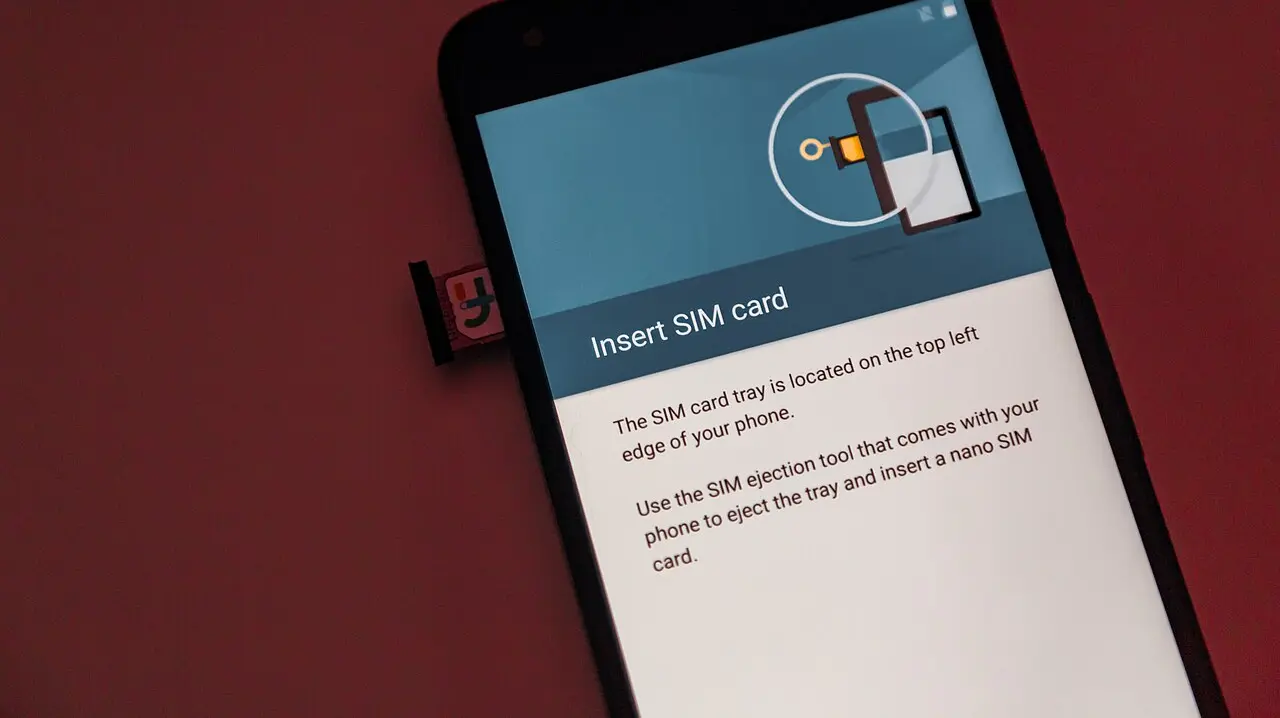
Getting online in Bosnia is cheap and easy, but you do need a plan, because your home contract almost certainly won’t help you here. Bosnia sits outside the EU, so the “roam like at home” deal that keeps your bill flat across the union stops at the border, and a Croatian or German SIM starts charging roaming rates the moment you cross. The fix is one of two things: a local prepaid SIM, bought for a few marks once you arrive, or a travel eSIM loaded onto your phone before you fly. Both cost very little. This guide covers the operators, the real tourist prices in marks, and how to choose between a SIM and an eSIM, plus the one thing that surprises people: there’s still no 5G in Bosnia.
Why your home plan will not cut it
This is the trap, and it catches people arriving overland from Croatia. Within the EU your phone roams for free, so travellers assume the same holds when they nip across to Mostar for the day. It does not. Bosnia isn’t an EU member, and EU roaming rules simply don’t extend here, so unless your specific plan bundles Bosnia (a few premium plans do; most don’t), you’re on standard international roaming, which can run to real money per gigabyte. Check your own tariff’s fair-use and roaming terms before you rely on it. For most visitors the sensible move is to stop roaming altogether and get a local data source, which is where the two options below come in.
eSIM or physical SIM: which should you get?
Both get you the same 4G data on the same networks, so the choice is really about hassle and how long you’re staying.
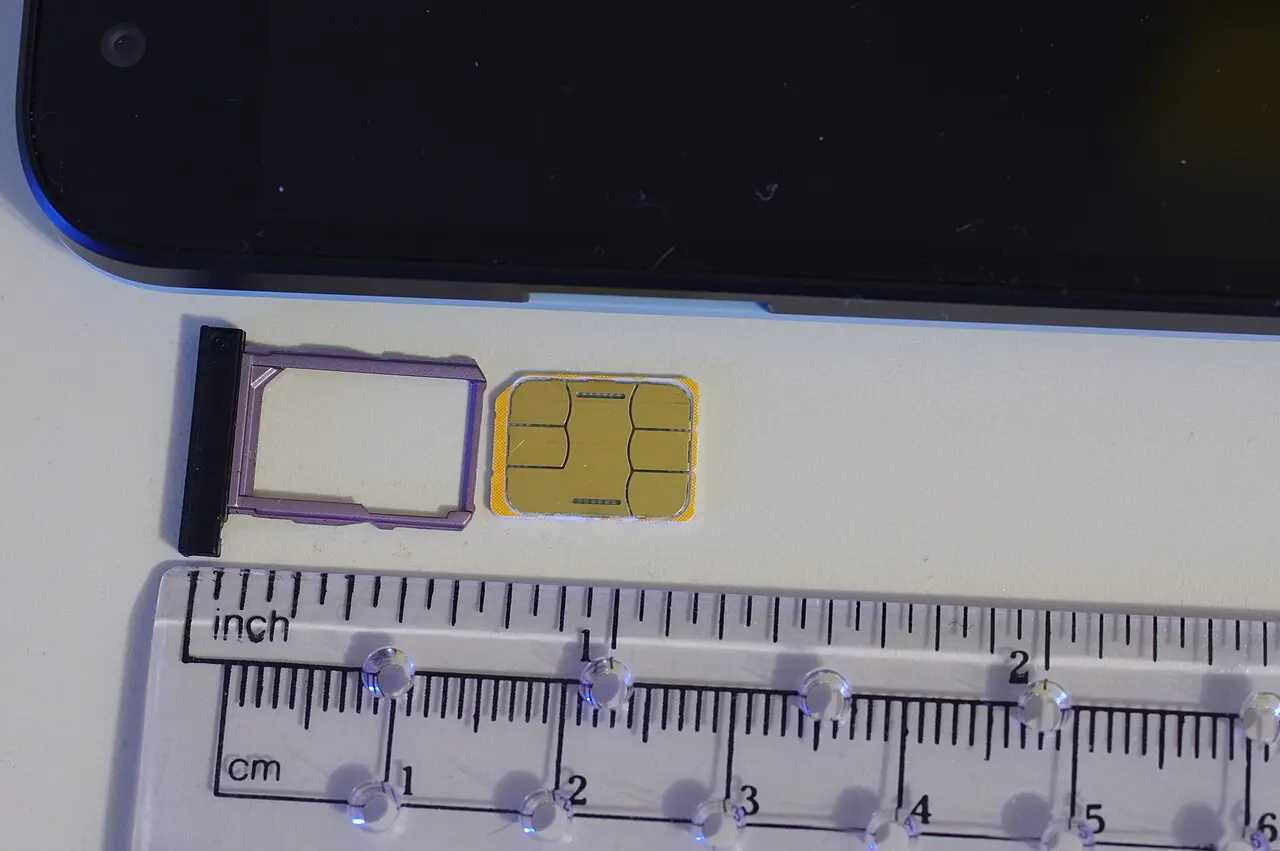
Go for an eSIM if your phone supports one (any iPhone from the XS onward, and most recent Pixel and Samsung flagships) and you want to be online the instant you land, with nothing to buy at the airport. You install it before you leave home by scanning a QR code, keep your normal number active on your physical SIM for calls and texts, and switch data to the travel plan. It’s the tidiest option for a short trip and the one I would pick for a week around Sarajevo and Mostar.
Go for a local physical SIM if you want the cheapest possible gigabytes, a local Bosnian number, or if your phone is older, locked, or has no eSIM slot. You lose an hour finding a shop on arrival, but you gain the best price per gigabyte and a number that works for local bookings and callbacks. For a longer stay, or if you’re hopping around the region, the physical SIM usually wins on value.
Local prepaid SIM: the operators and what they cost
Bosnia has three mobile networks, and which one reaches you depends partly on where you are. BH Telecom is the largest, with roughly 45 percent of subscribers, followed by m:tel (Telekom Srpske) on about 35 percent and HT Eronet on about 20 percent. The split matters on the ground: BH Telecom and HT Eronet blanket the Federation, while m:tel is the strong network in Republika Srpska, the Serb-majority half of the country you pass through around Trebinje, Banja Luka and Višegrad. For a trip that mixes both, BH Telecom is the safe all-rounder, and it’s what most travel eSIMs quietly use anyway.
The turnkey option is BH Telecom’s Tourist range. On the operator’s April 2026 price list the start packs cost 20, 40 and 100 KM on a physical SIM. Buy one online as an eSIM and BH Telecom adds an 11.70 KM eSIM activation fee, which is why its tourist page shows 31.70, 51.70 and 111.70 KM (both checked October 2026):
- Tourist 1 - 20 KM (about 10 euros), or 31.70 KM (about 16 euros) as an eSIM, for 40 GB over 10 days, plus 3 KM of call and text credit.
- Tourist 2 - 40 KM (about 20 euros), or 51.70 KM (about 26 euros) as an eSIM, for 100 GB over 30 days, plus 5 KM of credit.
- Unlimited - 100 KM (about 51 euros), or 111.70 KM (about 57 euros) as an eSIM, for 500 GB over 30 days.
All three also roam across the Western Balkans (Serbia, Montenegro, North Macedonia, Albania and Kosovo), which is genuinely handy on a multi-country Balkans trip, but note that none of them include EU roaming, so they will not cover you back in Croatia.
If those allowances look like overkill for a short holiday, they are, and a plain Ultra prepaid SIM is cheaper. On the prepaid price list BH Telecom published in April 2026, the Ultra start pack costs 5 KM (under 3 euros) with 1 GB plus a 1 GB welcome bonus for seven days, or 10 KM (about 5 euros) with 10 GB plus the same bonus for ten days; as an eSIM bought online, either pack carries the same 11.70 KM activation fee. When that runs out, the Instant Buy&Surf top-ups carry on at 5 KM for 10 GB over seven days or 10 KM for 30 GB over ten days. Staying a month or longer? A 20 GB bundle for 30 days is 20 KM (about 10 euros), and it renews itself each month while there’s credit on the account unless you switch the renewal off. The 15 KM (10 GB for ten days) and 35 KM (30 GB for 30 days) top-ups you’ll see on BH Telecom’s tourist page are a different product: the price list files them as Tourist top-ups, extra data for people already on the Tourist SIMs above. Unless you’re a very heavy user, 10 GB covers a week of maps, messaging and the odd video comfortably.
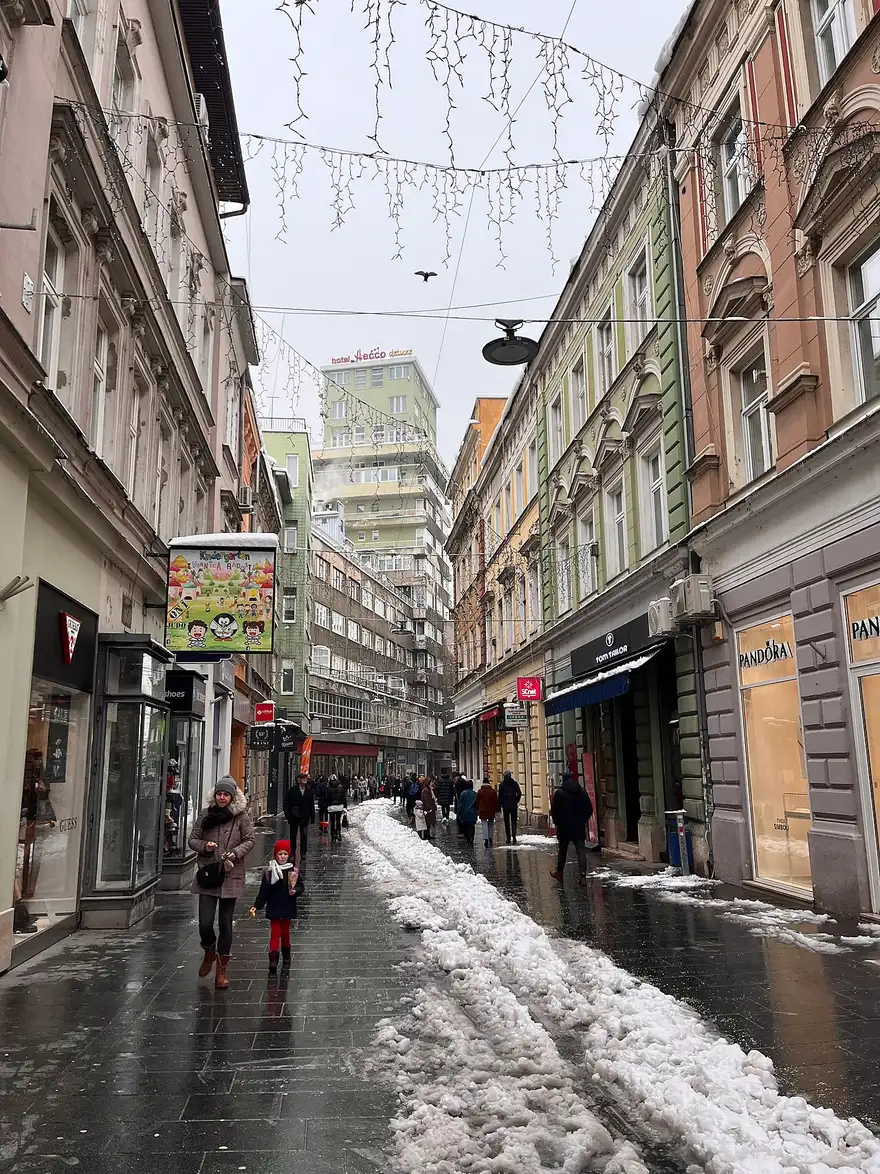
Where to buy one is easy: the operators have branded shops in every town, and SIMs are also sold at post offices, newsstands (look for the “Ultra” sticker for BH Telecom), petrol stations and at Sarajevo airport. BH Telecom’s tourist page points newsstand buyers to its standard Ultra start pack, though, so for a physical Tourist pack go to a BH Telecom shop. One pleasant surprise compared with much of the region: for now registering a prepaid SIM is optional. BH Telecom lets you register your number at one of its shops with a passport and pays a 5 KM credit bonus for doing it, but the SIM works without it. That may change, because a bill making prepaid registration compulsory passed its first reading in the state parliament on 29 April 2026 and, after the second-reading vote on 22 July, was sent to the House collegium for reconciliation, so carry your passport in case a shop asks for ID.
Getting a travel eSIM
If you would rather sort it from your sofa, a travel eSIM is the plug-and-play route. Providers such as Airalo, Saily, Holafly and Yesim all sell Bosnia data plans you buy online, install by QR code, and activate on arrival. The prices are keen: Airalo’s Bosnia plans start at 4 US dollars for 1 GB over seven days and run through 15- and 30-day tiers up to an unlimited month, while Holafly sells unlimited-data plans by the day for travellers who don’t want to count gigabytes, from about 4 dollars for a single day (both checked October 2026). Under the hood most of these ride BH Telecom’s network at 4G, so coverage matches a local SIM.
The trade-off is that a pure eSIM data plan usually gives you data only, not a local phone number, and gigabyte-for-gigabyte it can cost a little more than a local top-up. For a short, hands-free trip that’s a fair price for landing already connected; for a longer or heavier stay, price the local SIM against it. Whichever you choose, do the setup on home wifi before you fly, since you need a connection to install and activate the profile.
The 5G reality, and where signal drops
Here’s the expectation to reset before you arrive: Bosnia has no commercial 5G yet. As of 2026 the country still hasn’t launched it (BH Telecom sells even its tourist packages at “4G+” speed), and the regulator’s spectrum tender is not expected before the end of the year, with any real network coming later still. Bosnia was late even to widespread 4G. In practice this matters less than it sounds, because 4G LTE in the cities is perfectly quick for maps, calls, streaming and hotspotting a laptop. But if you’re shopping for an eSIM, don’t pay a premium for a “5G” plan expecting 5G speeds here, because you’ll connect at 4G regardless.
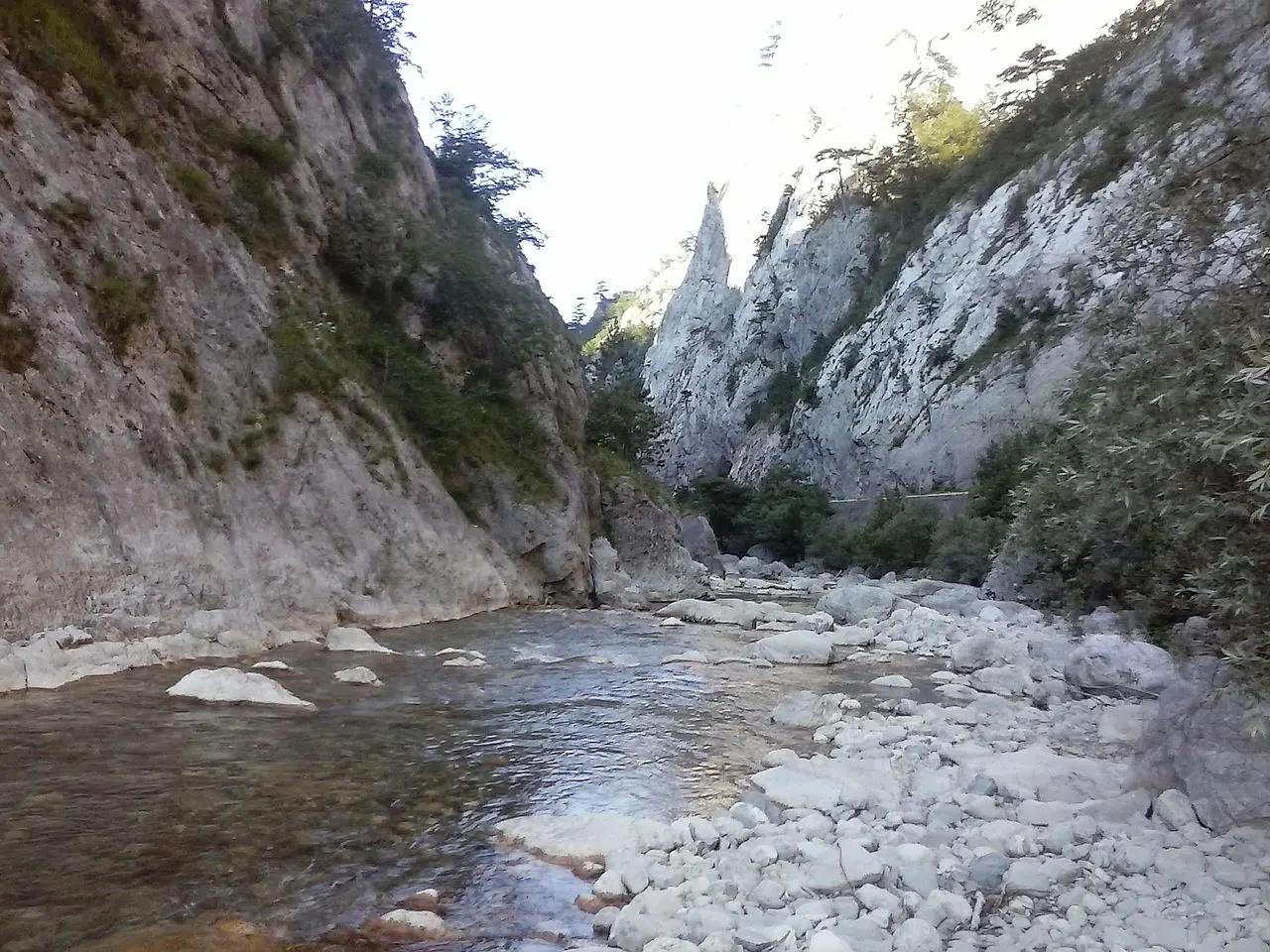
Coverage itself is good where you spend most of your time: Sarajevo, Mostar, the main towns and the roads and river valleys that link them all have reliable signal. It weakens where you would expect, deep in the mountains and canyons - the Sutjeska backcountry, the higher passes, the wilder stretches of the Una. If your trip includes hiking or a remote drive, save offline maps before you set off, a habit our guide to getting around Bosnia recommends anyway.
The short version
Don’t rely on home roaming in Bosnia, because it’s outside the EU and the free-roaming rules don’t reach it. For a short trip with an eSIM-ready phone, a travel eSIM from the likes of Airalo, Saily, Holafly or Yesim gets you online the moment you land for a handful of dollars. For the cheapest data or a longer stay, buy a local prepaid SIM: the 10 KM Ultra start pack comes with 10 GB for ten days, and each extra week of 10 GB is a 5 KM top-up. BH Telecom’s Tourist packages cost more but bundle big data with Western Balkans roaming. Skip the “5G” hype, since there is none here yet, and download offline maps before the mountains. Budgeting the rest of the trip? Our guides to money in Bosnia and how much a Bosnia trip costs cover the cash-heavy reality and the daily numbers, and long-stayers will want the data and coworking detail in our cost of living in Bosnia and digital nomad guides. And for the paperwork side of arriving, our Bosnia entry requirements guide covers visas, passport rules and registration.
Photos
Read also

Before you go · 10 min read
Where to Stay in Medjugorje: Pansions & Hotels
Updated · August 25, 2026Where to stay in Medjugorje: guesthouses near St James Church, pilgrim hotels, peak dates, and whether to sleep here or day-trip from Mostar.

Before you go · 9 min read
Where to Stay in Jajce: Hotels by the Waterfall
Updated · August 23, 2026Where to stay in Jajce: old-town hotels steps from the Pliva Waterfall, lakeside rooms by the watermills, and which base suits a one-night stop.

Before you go · 11 min read
Mostar or Trebinje: Which Herzegovina Base?
Verified · August 18, 2026Mostar or Trebinje as a Herzegovina base: crowds, hotel prices, summer heat, Dubrovnik access and wine - pick the nights that fit your trip.

Before you go · 7 min read
Cash, Cards and Tipping Across the Balkans in 2026
Verified · August 15, 2026Twelve currencies, three of them the euro, and two pegged to it. What is fixed, what is a habit, and where you still need notes in your pocket.