Travel Insurance for Bosnia: What You Need
Travel insurance is not required for Bosnia but strongly advised: foreigners pay clinics upfront and EHIC does not apply, so cover medical and evacuation.
Travel insurance is not required to enter Bosnia and Herzegovina, and visitors from the US, UK, EU, Canada, Australia and New Zealand cross the border visa-free for up to 90 days without anyone asking to see a policy. It is still one of the smartest things to arrange before you go. Foreigners are treated as private, paying patients here, the European health cards do not apply, and a serious problem gets expensive fast. This guide covers what a policy for Bosnia should actually do, the part travellers most often get wrong (the mountains, rivers and slopes that pull people to the country in the first place), and how to think about cost so you buy the right level rather than the cheapest option on the page. None of it is financial advice; treat it as a checklist, and read your own policy wording before you rely on any single clause.
The short version: for a trip built around Sarajevo, Mostar and the waterfalls, a standard travel medical policy with solid evacuation cover is plenty. Add a rafting day, a summit like Maglić, or a ski week on the old Olympic mountains, and the small print starts to matter, because that is exactly where a cheap policy can quietly leave you uncovered.
Do you actually need it?
Legally, no. Practically, both the UK and US governments say yes, and the reason is money rather than paperwork. The UK Foreign Office tells travellers to make sure they have “appropriate travel insurance for local treatment or unexpected medical evacuation,” and adds a detail that catches out a lot of Europeans: “The European Health Insurance Card (EHIC) and Global Health Insurance Card (GHIC) do not cover Bosnia and Herzegovina.” Bosnia sits outside the EU, so the card that works in Croatia stops at the border. The US State Department goes a step further and “strongly recommends supplemental insurance to cover medical evacuation,” while reminding Americans that “U.S. Medicare/Medicaid does not apply overseas.” (For the wider safety picture, including the rural landmine caution, see our guide to whether Bosnia is safe to visit.)
What trips people up is the order of payment. In Bosnia you generally pay first and claim later. There is no reciprocal health arrangement for tourists, so a clinic or a doctor expects payment at the time of treatment, and you send the receipts to your insurer afterwards. The State Department is blunt about it: “most care providers overseas only accept cash payments,” and “most hospitals and doctors overseas do not accept U.S. health insurance.” That is manageable for a routine consultation. It is another matter entirely for a broken leg on a mountain, a night in intensive care, or a flight home. Insurance earns its keep on that low-probability, high-cost tail, not the sore throat you could settle at a pharmacy.
Healthcare in Bosnia: what you are insuring against
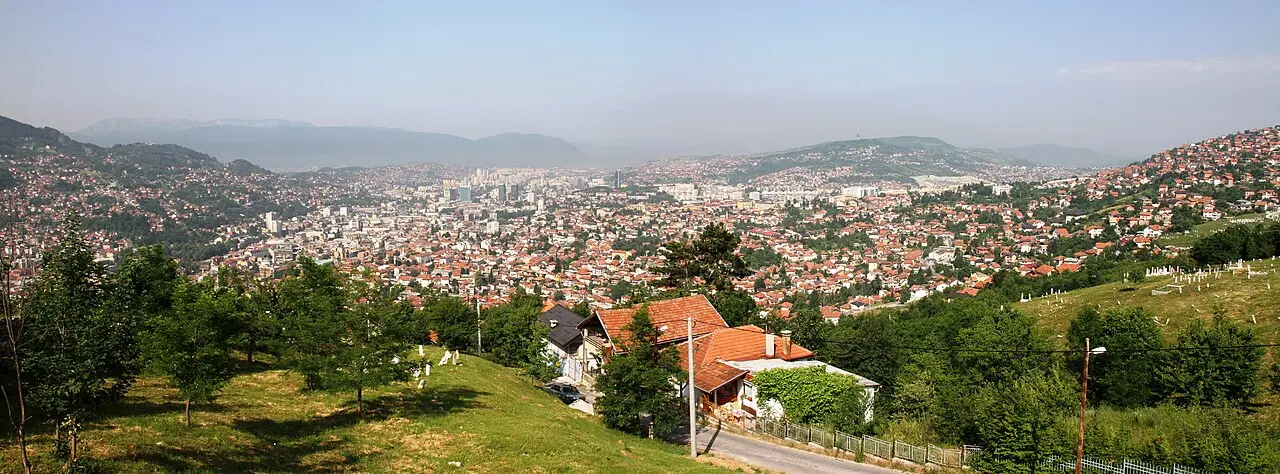
Knowing how the system works tells you what your policy has to do. Bosnia runs public hospitals, but they are set up for residents inside the local health fund, not for tourists, so as a foreigner you are effectively a private patient wherever you go. The bigger issue for travellers is geography. The UK government notes that “medical and dental facilities, particularly outside Sarajevo and major towns, are limited,” and the US State Department warns that “adequate medical facilities may not be available outside of Sarajevo and may not be up to U.S. standards,” and that outside the cities “first responders may not be available to provide urgent medical treatment.”
Read together, that shapes the risk. Sarajevo holds the country’s strongest hospitals and private clinics, and Mostar and Banja Luka have decent facilities, but much of what draws visitors sits well away from all three: the Tara canyon near Foča, the Sutjeska valley, the Una around Bihać, the trekking country of the Dinaric Alps. Those are the same places where an ambulance may be slow or a road may be long. The practical upshot is that the strongest single argument for insuring a Bosnia trip is evacuation cover, the ability to move you from a remote valley or a slope to a proper hospital in Sarajevo or, if it comes to it, out of the country.
If you do need care, the emergency number for an ambulance in Bosnia is 124, and the general European emergency line 112 also works. Save both offline before you travel, along with your insurer’s assistance number.
What your policy should cover
Strip away the marketing and a policy for Bosnia comes down to a handful of things worth checking line by line.
Emergency medical and hospital treatment. The core of any travel policy. Because you pay upfront here, look at the limit, and, just as important, whether the insurer runs a 24/7 assistance line that can guarantee payment to a hospital directly in a real emergency. That is what spares you fronting a large bill on a credit card.
Medical repatriation and evacuation. The expensive, trip-defining cover, and the one both governments single out. This pays to move you to adequate care or fly you home, and an air ambulance out of the Balkans can run to tens of thousands of dollars. Some cheaper plans cap evacuation at around 25,000 US dollars, which sounds generous until you price an actual medical flight, so aim higher if you can and check whether the limit is per trip or a lifetime figure.
Baggage loss and delay, and trip delay. Easy to overlook, and genuinely useful for Bosnia because almost nobody flies in direct. Sarajevo and the regional airports are served mostly by one-stop routes through Vienna, Istanbul, Munich, Zagreb or Belgrade, and a large share of visitors arrive overland from Dubrovnik or Split. Every extra connection and every border transfer is another chance for a bag to go astray or a schedule to slip, so cover that reimburses a delayed suitcase or a missed night pays its way.
Personal liability and 24/7 assistance. Liability covers you if you injure someone or damage property; the assistance line is the number you actually call at 3am when something has gone wrong and you do not speak Bosnian.
To reach that assistance line, file a claim or send photos of receipts from a clinic, you will want data on your phone rather than a hunt for cafe wifi. A local Bosnia eSIM keeps you connected the moment you land, which matters more than it sounds when you are trying to get an insurer on the line from a valley with one bar of signal.
The part people under-insure: rafting, hiking and winter sports
This is where a standard policy can leave you exposed, and it is specific to what makes Bosnia worth the trip. The country sells itself on the outdoors, and “adventure” activities are frequently excluded from a basic plan or need a paid add-on. If your itinerary runs beyond sightseeing, read the activities schedule of your policy closely before you buy.
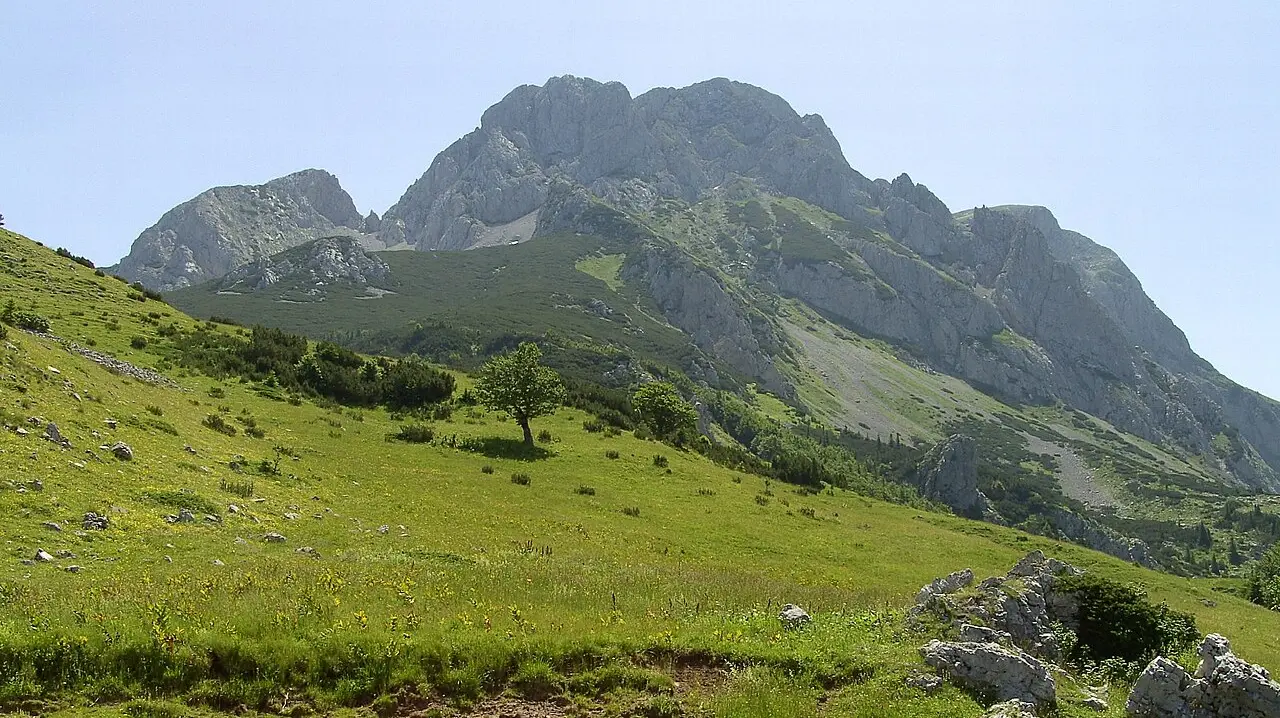
Start with the good news on altitude, because it removes one worry cleanly. Many policies stop covering sports and activities above a set elevation. SafetyWing’s popular nomad plan, for example, does not cover any sport or activity at 4,500 metres or higher unless you buy its adventure-sports add-on, which then extends mountaineering cover to under 6,000 metres. Every mountain in Bosnia sits far below that line. Maglić, the country’s highest peak in Sutjeska National Park, tops out at 2,386 metres; the Olympic mountains south of Sarajevo, Bjelašnica and Jahorina, reach 2,067 and 1,916 metres. So altitude alone almost never voids your cover here.
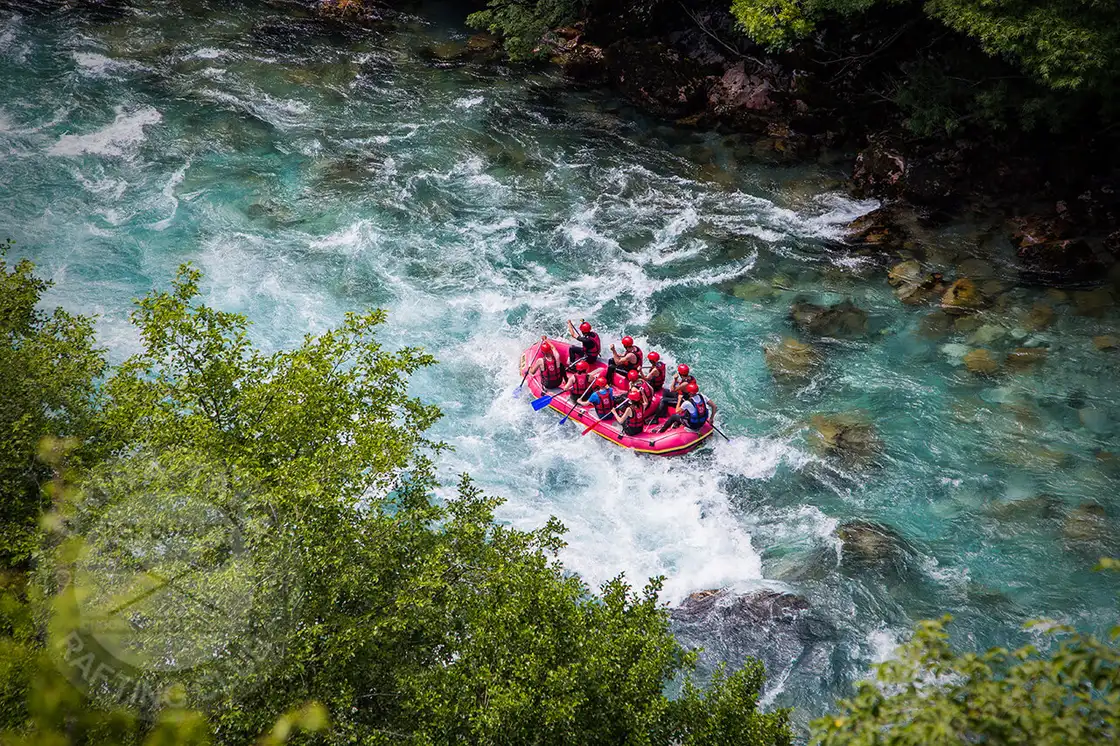
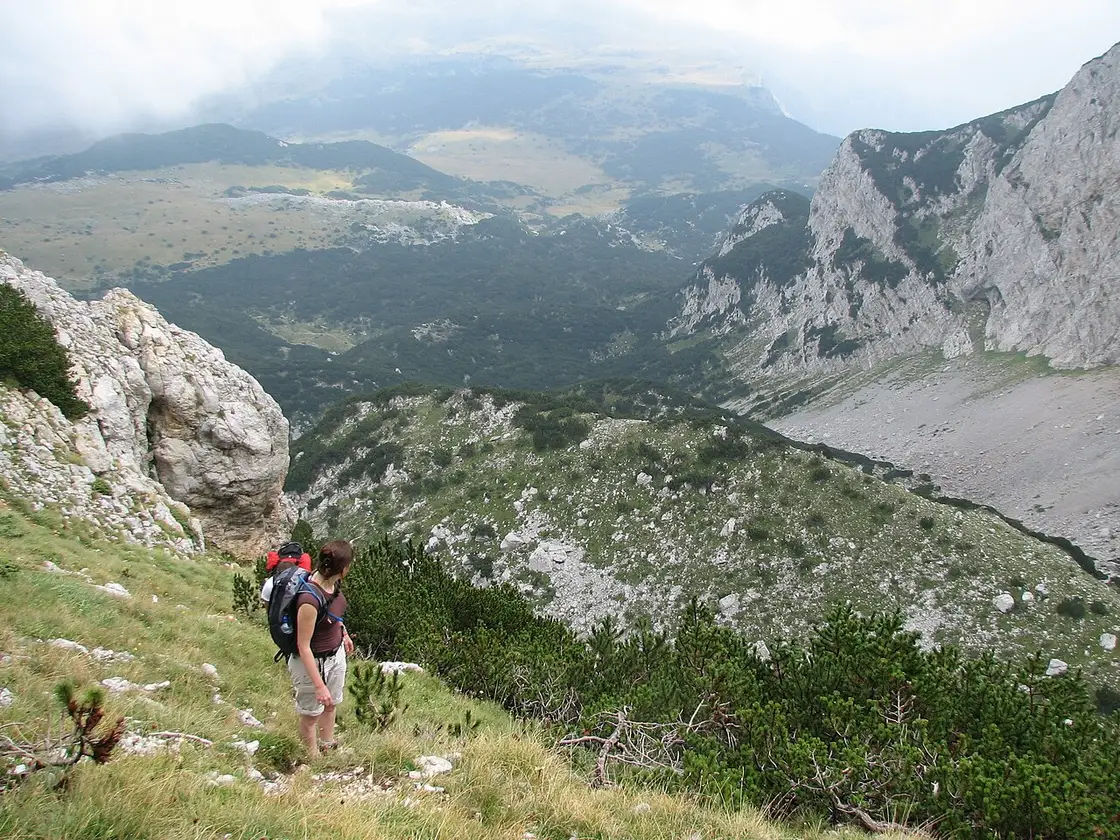
The activity is the real question. Whitewater rafting is Bosnia’s signature adventure, and the flagship rivers are not gentle: the Tara runs at grade III to IV with sections up to grade V, and the upper Vrbas reaches grade IV, while the Una is the tamer, family-friendly option. Plenty of standard travel policies treat guided rafting as an excluded “hazardous activity” or one that needs an add-on, and some cap it by grade. Our guide to rafting in Bosnia lays out which river suits which paddler and what a trip involves, and the insurance line is worth settling before you turn up at the put-in, not after. Hiking is the same story with a twist: a marked valley walk in the Una or Sutjeska is usually fine, but some insurers class any trekking as an adventure activity, and a scramble to the summit of Maglić is a serious mountain day, not a stroll. Do not assume; check the wording, and if you are eyeing a demanding peak or a multi-day route on the Via Dinarica, price the add-on.
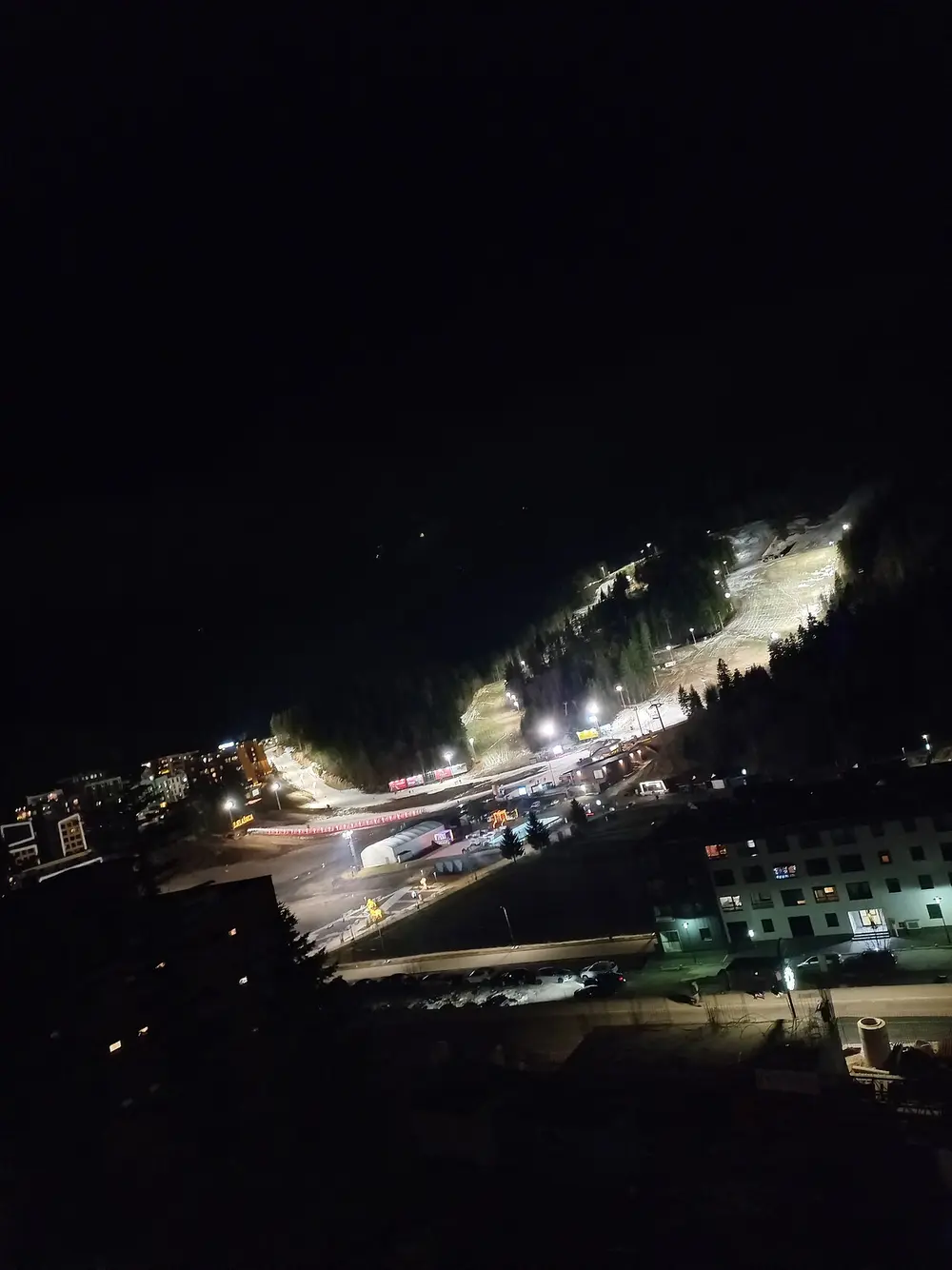
Winter sport is the other gap. If you are heading to Bjelašnica or Jahorina to ski the slopes that hosted the 1984 Sarajevo Winter Olympics, confirm that snow sports are included. Many policies cover on-piste skiing on the base plan but exclude off-piste and skiing against local advice, and some treat winter sports as a rider you have to add on. A day on the mountain without the right cover is a classic, avoidable hole in a policy. The best time to visit Bosnia breaks down the ski season against the rest of the year, which helps you match the cover to when you are actually going.
The rental car: travel insurance is not car insurance
One point trips up almost everyone who drives here, so it is worth stating plainly: your travel policy does not insure the rental car. Damage to the vehicle is handled by the rental company’s own collision damage waiver (CDW) and third-party cover, which comes with the car, not by your travel medical plan. What a travel policy might cover is you, the driver and passengers, if you are injured, subject to the same activity and licence conditions as anything else.
The gap that costs money is the excess, the deductible you still owe on the CDW if the car is damaged, which can run into four figures. A standard travel policy does not cover that either. If you want it covered, you either buy the rental company’s excess-reduction product at the desk or a separate car-hire-excess policy, which is often cheaper. Either way it is a decision apart from your health cover. Our guides to car rental in Bosnia and driving in Bosnia walk through the CDW, the excess and the road realities before you sign anything at the counter, which is the point where these numbers get decided.
How much does it cost?
There is no single figure worth quoting, because the premium depends on you and the trip. The main levers are your age, the length of the trip, the coverage limits you choose, and any add-ons for rafting, hiking or winter sports. A short trip for a young, healthy traveller on a standard plan is genuinely cheap, often a small fraction of the airfare. Older travellers, longer stays, higher medical and evacuation limits, and any pre-existing conditions push it up, sometimes sharply. The adventure rider is usually a modest extra, and far cheaper than the day on the river or the slope it protects.
Rather than chase a headline price, get a quote for your exact dates and cover level and compare a couple of providers, because the same trip can be priced very differently. A monthly, renewable option such as SafetyWing’s Nomad Insurance suits open-ended or long trips and remote workers, while a fixed-dates single-trip policy from a mainstream travel insurer often works out better value for a defined two-week holiday. Whichever you pick, weigh it on the evacuation limit and the exclusions, not the sticker price alone, since the cheapest plan is usually the one with the lowest ceiling exactly where you would need it most. And note the currency on the ground: Bosnia uses the convertible mark (BAM, written KM), euros and cards are accepted unevenly outside the cities, so carry some cash for a rural clinic or a pharmacy that a claim will later reimburse.
The one thing to get right
If you take a single decision away from all this, make it the evacuation cover, then read the exclusions for whatever you actually plan to do. A basic medical policy is fine for a city trip through Sarajevo and Mostar and the waterfalls; the risk profile changes the moment you add a raft, a summit or a set of car keys, and each of those has its own small print. Buy for the trip you are really taking, add the adventure rider if the rivers or the ridges are on your list, keep the insurer’s assistance number and the 124 ambulance line saved offline before you fly, and hold on to every receipt, because in Bosnia the paper in your pocket is what gets reimbursed.
Photos
Read also
How Much Does a Bosnia Trip Cost?
Verified · July 4, 2026What a Bosnia trip really costs: daily budgets for backpackers, mid-range and comfort travellers, plus weekly totals, in convertible marks and euros.
Croatia vs Bosnia: Which to Visit?
Verified · July 4, 2026Croatia or Bosnia? A traveller compares them on coast, price, crowds, culture and food, says who each suits, and shows how to fit both in one trip.
Is Bosnia Safe to Visit?
Verified · July 4, 2026Yes, Bosnia is safe for tourists: low violent crime, welcoming people. The one real caveat is rural landmines - stay on paved roads and marked trails.
Is Bosnia Worth Visiting?
Verified · July 4, 2026Yes - Bosnia is one of the best-value, least-crowded trips in Europe: Sarajevo, Mostar, wild rivers and low prices. Who it suits, and the honest downsides.