Best Museums in Sarajevo: War, Memory & More
The best museums in Sarajevo, from the award-winning War Childhood Museum and Gallery 11/07/95 to the National Museum and the Sarajevo Haggadah.
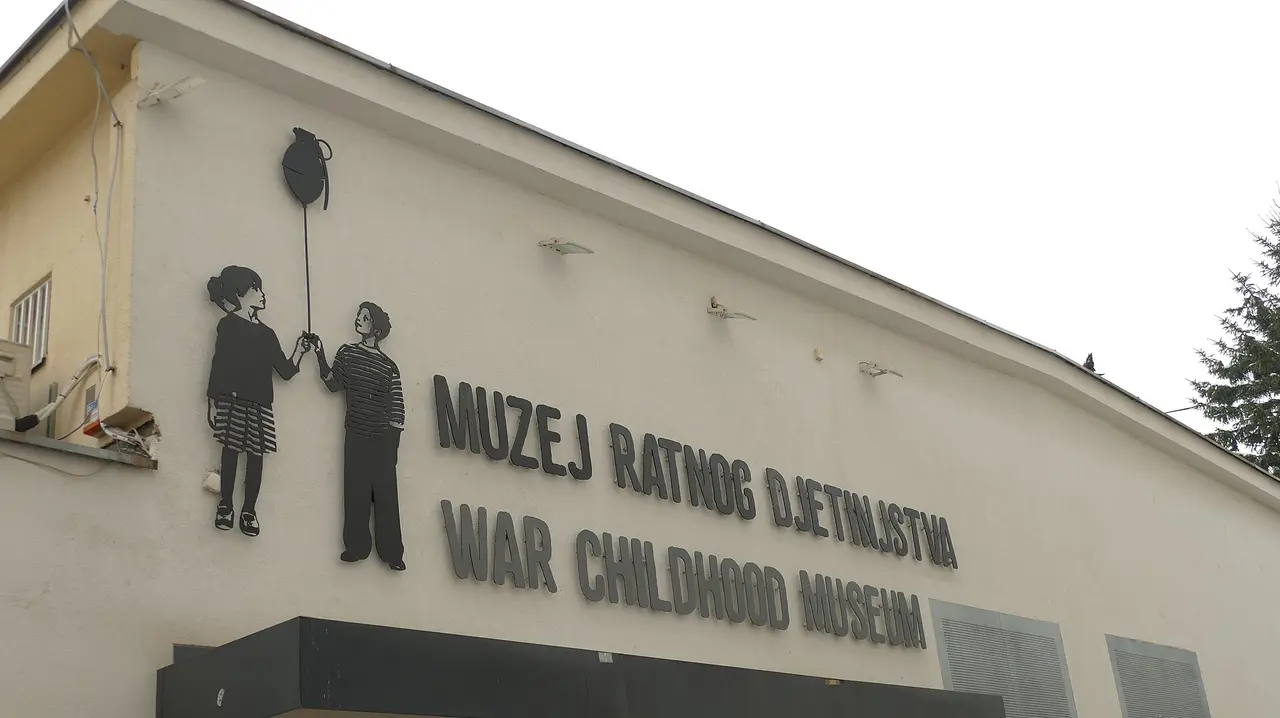
Sarajevo’s best museums are small, intense and mostly about memory. The standout is the War Childhood Museum, which won the Council of Europe Museum Prize in 2018, alongside Gallery 11/07/95 on the Srebrenica genocide and the country’s grand old National Museum, home to the priceless Sarajevo Haggadah. This guide runs through which to pick, what they cost, how long to give each, and how to space out some genuinely heavy visits so a day of museum-going doesn’t flatten you.
War Childhood Museum
If you see one museum in Sarajevo, make it this one. The War Childhood Museum grew out of a simple question the writer Jasminko Halilović put to people who were children during the 1992-95 siege: what was a war childhood for you? Thousands answered, and the museum that opened in 2017 turns those answers into an exhibition of small personal objects, each paired with a short handwritten testimony. In 2018 it won the Council of Europe Museum Prize, one of the most respected awards in the field, and the recognition is deserved.
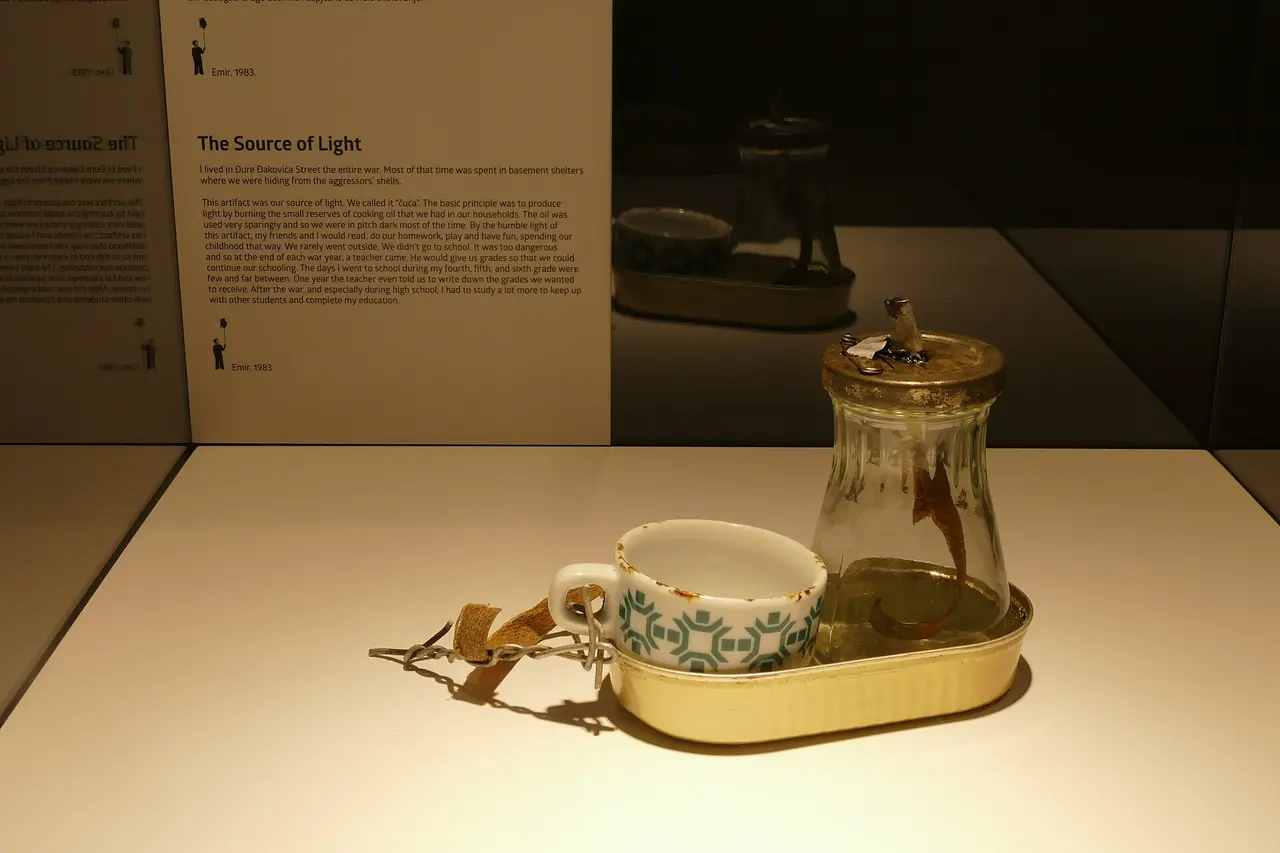
What makes it land is the restraint. There are no shock tactics, just a ballet shoe, a bicycle, a diary, a home-made oil lamp, and a couple of sentences explaining what each meant to a child hiding from shells. It’s quietly devastating and, oddly, full of resilience and humour too. It sits at Logavina 32 in the old town and runs daily 11:00 to 19:00; entry is around 15 KM (about €8) for adults, 7 KM for ages 6 to 17, and free on the last Thursday of the month from 17:00 to 19:00. Give it an hour, more if you read every card, which you will.
Gallery 11/07/95
Gallery 11/07/95 is Bosnia’s first memorial museum dedicated to the Srebrenica genocide, and its name is the date the killings began: 11 July 1995. Founded in 2012 and built around the documentary photography of Tarik Samarah, it uses images, film, maps and audio to tell the story of the more than 8,000 people killed. A wall roughly sixteen metres long carries the names and ages of the 8,372 victims, and reading the birth years is the moment most visitors say the scale finally sinks in. Among the exhibits are 640 personal photographs gathered by the Mothers of Srebrenica.
It occupies a top-floor Austro-Hungarian space near the Sacred Heart Cathedral on Ferhadija, so it’s easy to reach in the centre. Audio guides are available in a dozen languages including English, which is worth taking, since the context is everything here. Hours are generous (the gallery lists long daily opening), and there’s a modest entry fee you buy on site; confirm the current price and times on the gallery’s website. Plan around an hour. Many visitors treat it as preparation for, or a counterpart to, a trip east to the Srebrenica-Potočari memorial itself.
Historical Museum of Bosnia and Herzegovina
For the siege years specifically, this is the museum to see. The Historical Museum sits in a striking, slightly battered 1960s modernist block on Zmaja od Bosne, and its permanent exhibition on besieged Sarajevo stays with you: the everyday objects people improvised to survive nearly four years of blockade. Hand-cranked lamps, stoves burning books and shoes, siege “currency”, canned humanitarian rations turned into cooking fat, cameras and diaries. It shows the siege from the inside, as lived, not as headlines.
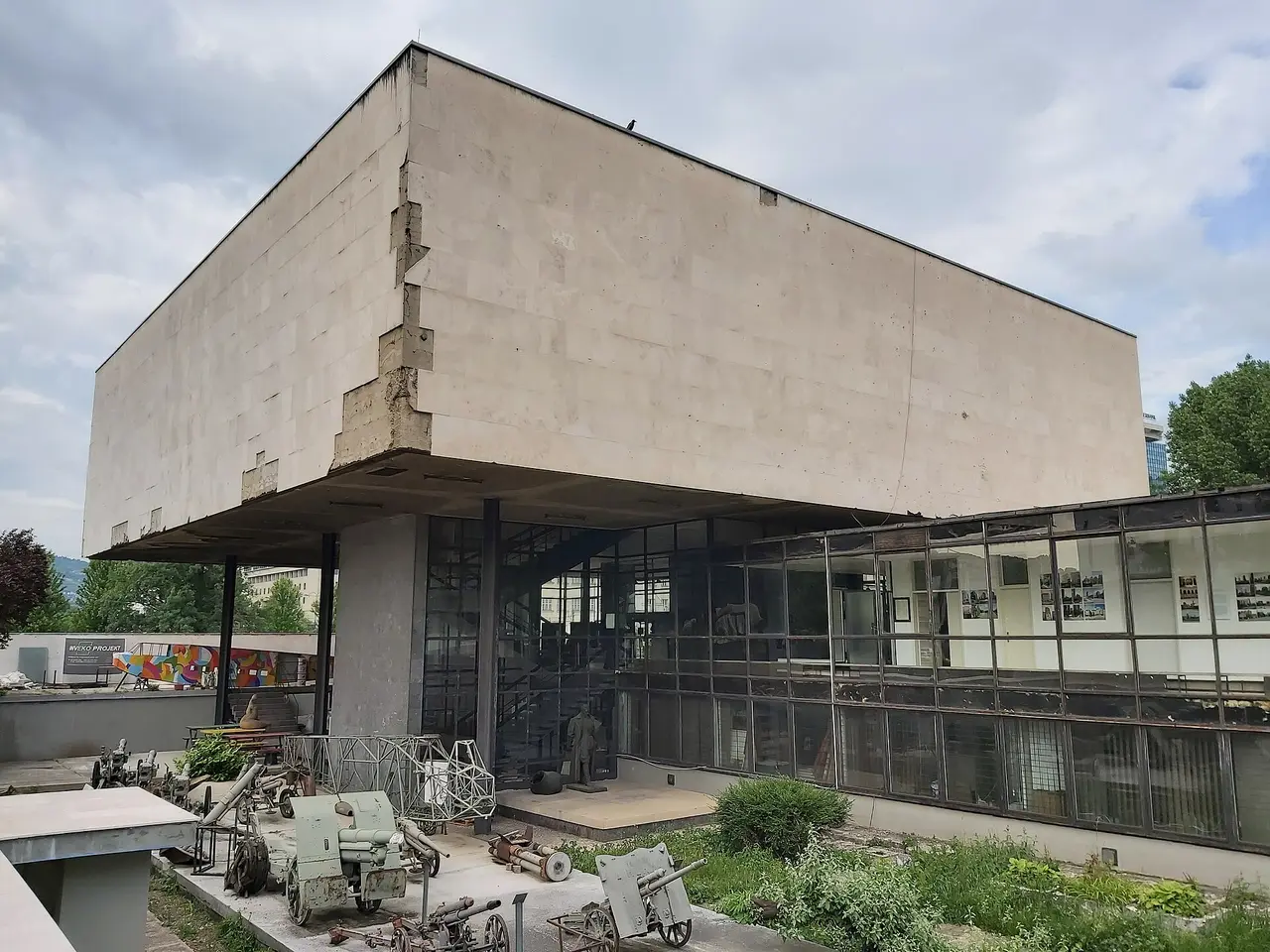
The building itself is worth a look for anyone into architecture, and there’s a much-loved Tito-themed café next door if you need a coffee and a sit-down afterwards. Entry is a few marks; confirm hours before you go, as they can be shorter than you expect. It pairs naturally with the wider story told at the Siege of Sarajevo sites around the city.
Museum of Crimes Against Humanity and Genocide 1992-1995
Central, on Muvekita just off Ferhadija, this museum opened in 2016 and was put together by survivors and young researchers. It documents the camps, the siege and the Srebrenica genocide through survivor testimony, photographs and video, and it’s unflinching. It’s the heaviest room-for-room of any museum on this list, and easy to underestimate from its small central premises, so go when you have the emotional space for it, not at the tail end of a packed day. Entry is a small fee; allow a couple of hours if you read the testimonies, and confirm current hours locally.
National Museum of Bosnia and Herzegovina
For a change of register, the National Museum (Zemaljski muzej) is the country’s oldest cultural institution, founded in 1888, spread across four grand pavilions and a botanical garden on Zmaja od Bosne. Archaeology, ethnology and natural history fill the halls, but the treasure everyone comes for is the Sarajevo Haggadah, a 14th-century illuminated Jewish manuscript made in Barcelona around 1350. It’s one of the oldest Sephardic Haggadahs in the world and has a survival story to match: smuggled out of Spain, hidden from the Nazis by the museum’s staff, and safeguarded again through the 1990s siege.
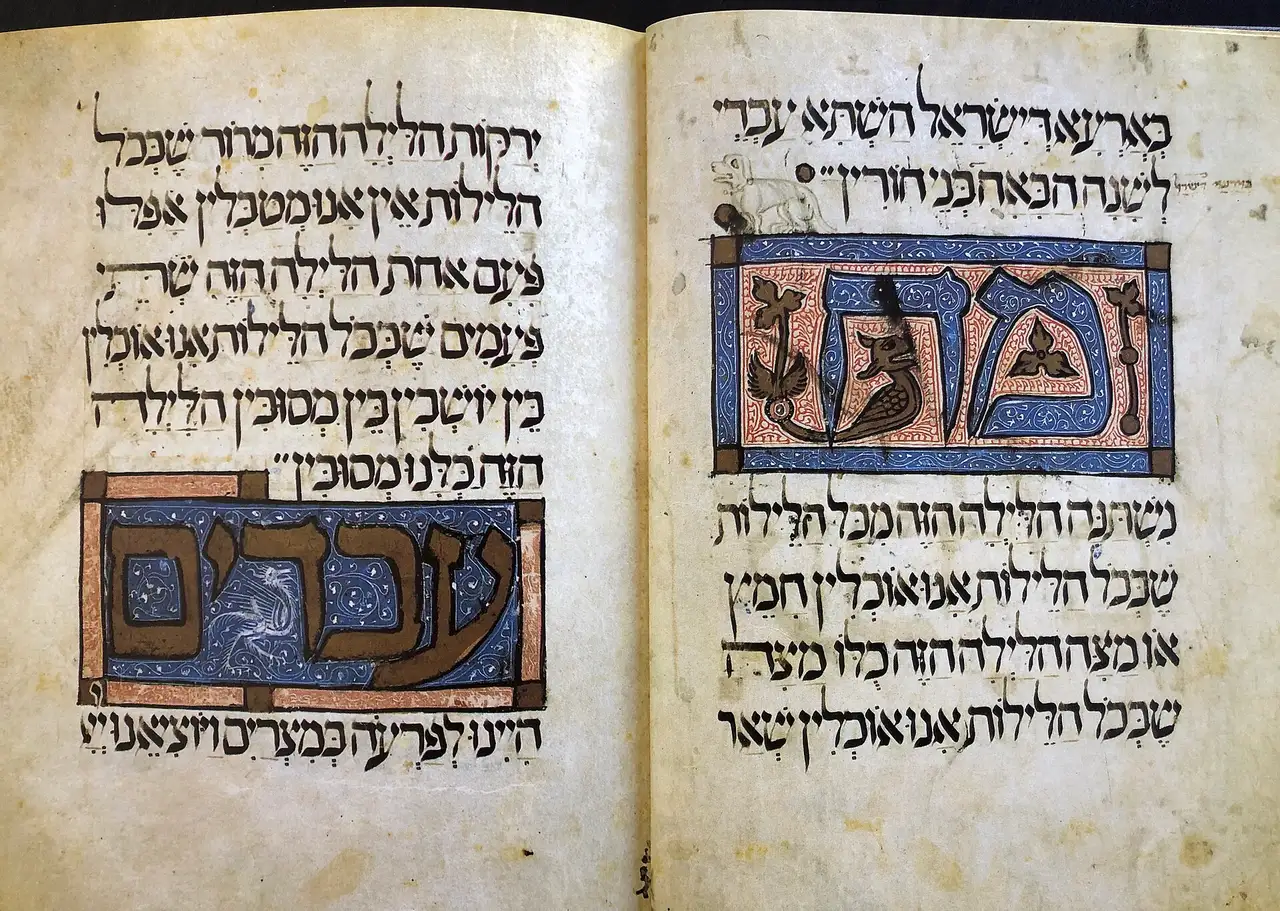
One practical catch: the original is shown only at restricted viewing times, so if seeing it in the flesh matters to you, check the museum’s schedule in advance rather than turning up and hoping. The museum itself is a resilience story too, having closed for three years from 2012 for lack of funding before reopening in 2015. Give it an hour or two.
A few more worth your time
Sarajevo has more than you can fit in a day, and a few others deserve a mention. The Tunnel of Hope, the hand-dug tunnel under the airport runway that kept the besieged city supplied, is really an open-air museum and among the most moving sites in the country. The small Museum Sarajevo 1878-1918 sits right by the Latin Bridge, on the spot where the assassination of Archduke Franz Ferdinand in 1914 lit the fuse of the First World War. A short walk upstream, Vijećnica (City Hall) combines the restored pseudo-Moorish atrium with a basement exhibition on the 1992 library fire - architecture and memorial in the same ticket. And for a complete change of mood, Svrzo’s House in Baščaršija is a beautifully preserved Ottoman-era home that shows how a wealthy Sarajevo family lived, with not a shell casing in sight.
Planning a museum day
Two honest pointers. First, pace the heavy ones. The War Childhood Museum, Gallery 11/07/95, the Crimes museum and the siege exhibition are all emotionally demanding, and stacking three of them into one afternoon is too much; the details start to blur and you stop taking them in. Pair one memory museum with something lighter, the National Museum or Svrzo’s House, and give yourself a coffee break in between. Second, carry cash in convertible marks (KM); several museums are cash-only and euro isn’t reliably accepted, and prices and hours shift, so confirm each on its own website before you set out.
Most of these sit within walking distance in and around the old town and Marijin Dvor, so a museum-focused day in Sarajevo is very doable on foot. For everything else to build a day around them, see our full guide to things to do in Sarajevo, and the old bazaar quarter of Baščaršija right on their doorstep.
Photos
On the map
The map loads on click - to keep the page lightweight.
The map didn’t load. Check your connection and refresh the page.
Admission and opening hours
- Admission price
- Varies by museum. The War Childhood Museum is about 15 KM (~€8) for adults, 7 KM for ages 6-17, free on the last Thursday of the month (17:00-19:00). Most others charge a modest few-euro fee, cash in KM. Confirm current prices on each museum site.
- Opening hours
- Hours differ by museum and change seasonally - the War Childhood Museum runs daily 11:00-19:00. Always confirm on the museum website before you go.
Sarajevo cash is the convertible mark (KM); several museums are cash-only and euro is not always accepted. Many of these museums deal with war and genocide - pace yourself and do not stack the heaviest ones in a single afternoon.
Details checked: July 16, 2026
Read also

What to see · 15 min read
Via Dinarica Bosnia: Huts, Stages & Logistics
Verified · September 12, 2026Plan the Via Dinarica White Trail in Bosnia: 12 stages, 334 km, hut booking, trailheads, closures and three workable section packages.

What to see · 10 min read
Jablanica: Neretva Bridge & Roast Lamb Stop
Verified · September 4, 2026Jablanica on the Sarajevo-Mostar road: Battle for the Wounded museum (5 KM), the 1943 bridge, roast lamb lunch. Hours, parking, how long to stop.

What to see · 8 min read
Prokoško Lake: Shepherd Huts High Above Fojnica
Verified · September 3, 2026Prokoško on Vranica at 1,636 m: katuni, gate prices for foreigners, no swimming, and the 2026 asphalt climb from Fojnica.

What to see · 11 min read
Franz Ferdinand's Sarajevo: Latin Bridge & 1914 Site
Verified · August 29, 2026The Latin Bridge corner in Sarajevo where Franz Ferdinand was shot in 1914: what happened, the Museum of Sarajevo 1878-1918 inside, hours and tickets.