Bjelašnica & Igman: Olympic Mountains in Winter and Summer
Bjelašnica and Igman near Sarajevo: 1984 Olympic mountains for skiing today (Bjelašnica 59 KM, Igman 30 KM) and hiking or biking each summer.
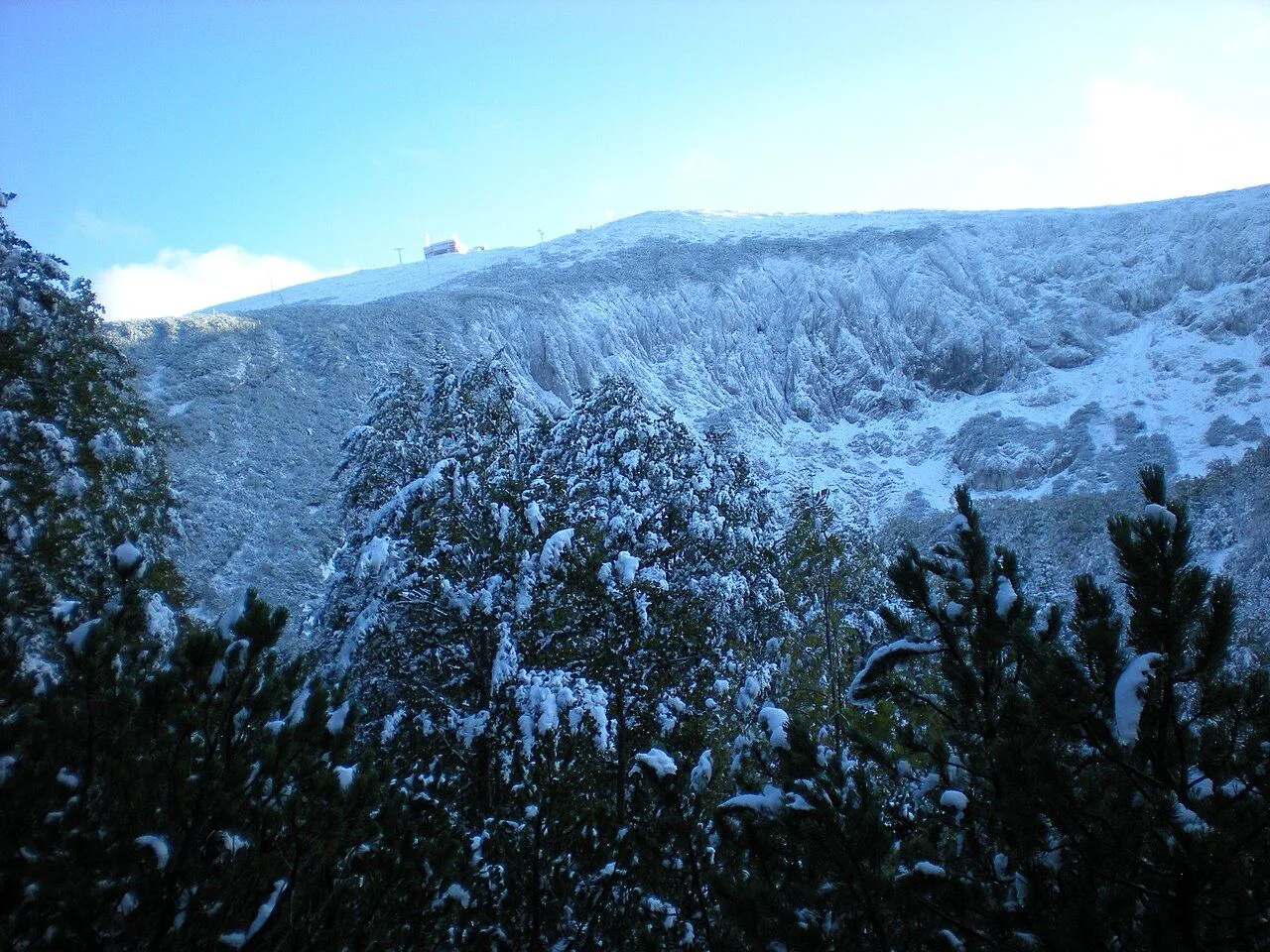
Bjelašnica and Igman split the work for the 1984 Winter Olympics: Bjelašnica staged the men’s alpine racing, Igman the ski jumping, cross-country and biathlon. More than four decades on, they’re still working two jobs each. From December into spring both run as ski resorts - Bjelašnica the taller, pricier, more serious mountain, Igman the cheap, quiet one next door on a shared lift ticket. From May to October the lifts stop and the same ground turns into hiking and biking country, with a plateau road that carries a heavier story than either season lets on. This page is about the two mountains as places, not about choosing between Bjelašnica and Jahorina - that comparison, with the full price and terrain breakdown, lives in our Jahorina vs Bjelašnica guide - and not about the one-day drive that links them to Sarajevo’s other Olympic sights, which our Olympic mountains day loop covers instead.
One set of Olympics, two mountains
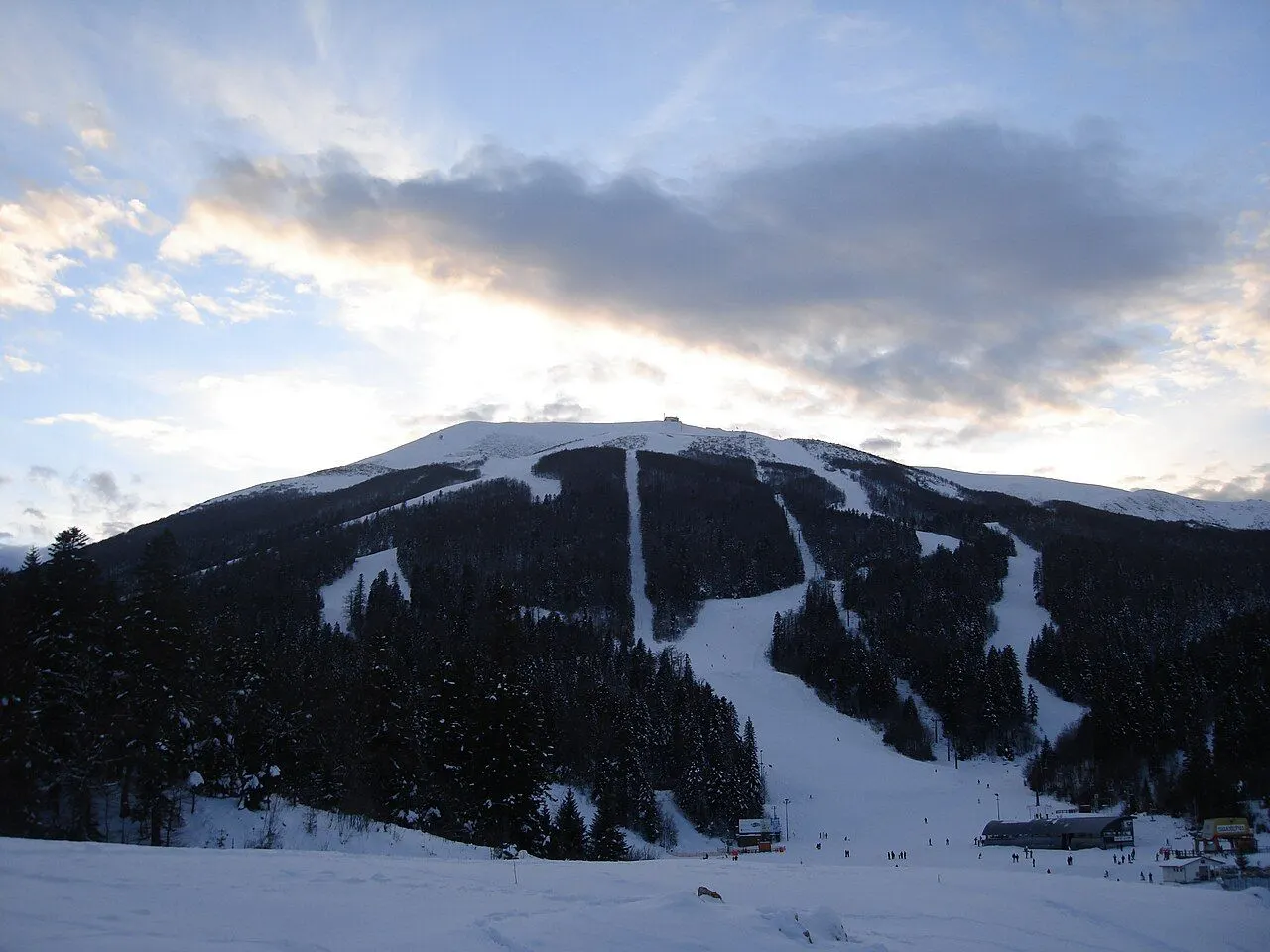
The two sit next to each other southwest of the city, part of the same Bjelasnica-Igman massif, but they answer to different operators and did different jobs in 1984. Bjelašnica hosted the men’s alpine events on the face above Babin Do, its summit reaching 2,067 m. Igman, lower at 1,510 m on its highest point (Crni vrh), carried the Nordic side of the Games: ski jumping and the jumping leg of Nordic combined at Malo Polje, and biathlon, cross-country skiing and the cross-country leg of Nordic combined at Veliko Polje. Sarajevo’s third Olympic mountain, Trebevic, sits across the city and hosted bobsled and luge; the women’s alpine races went to Jahorina, a separate massif to the east.
Skiing Bjelašnica: the numbers for 2025/26
Bjelašnica is run by KJP ZOI’84 / OC Bjelašnica, and it’s the bigger of the two mountains by a wide margin: eight ski slopes plus five for children, served by three chairlifts (six-, four- and two-seater) and five surface lii lifts climbing toward that 2,067 m summit. For the 2025/26 season the operator raised its adult day pass to 59 KM, up 10 KM on the year before. Children to 12 pay 42 KM, teenagers 13 to 18 pay 47 KM, night skiing runs 42 KM, and a standard adult season pass is back up to 960 KM. A 5 KM talon (photo card) is added on top if you don’t already hold one.
One flag before you queue at the kasa: check those numbers against bjelasnica.ba and you’ll see something lower. That site looks official and is not: it is published by a Sarajevo marketing company, not by the ski centre, and its Bosnian-language tariff table is still headed “2025/26” but lists the adult daily rate at 49 KM - the price the mountain actually charged the season before. The 59 KM figure comes from the operator’s own season-opening announcement, reported the same week by two separate Bosnian outlets; the website itself simply never caught up. It’s a small but useful lesson for skiing anywhere in the region: weigh the official page against a second source, or just ask at the window, rather than trusting either on its own.
Skiing Igman: the cheaper, quieter half
Igman charges roughly half. Its 2025/26 tariff held flat on the year before: 30 KM for an adult day pass, 25 KM for a child, 28 KM for a teenager - a real saving on a family week, and the reason locals often treat Igman as the value option rather than a lesser one.
There’s a practical link between the two tickets, and it only runs one way: a pass bought at Bjelašnica also covers Igman on the same day, but an Igman-only ticket doesn’t work back at Bjelasnica. On a day when wind is closing the high lifts, that one-way reciprocity can save a wasted morning, so buy at Bjelašnica first if there’s any chance you’ll want the option - you can’t add it afterwards.## The ski jumps nobody rebuilt
One sight here works on any date on the calendar, ski season or not: the derelict Olympic ski jumps at Malo Polje. The large hill was built to K-112 and the normal hill to K-90, both put up between 1980 and 1982 and inaugurated in 1983, in time for the Games. On 18 February 1984, Finland’s Matti Nykanen rode the large hill to 116.0 m in front of 90,000 spectators, a hill record that still stands, because nobody has jumped here competitively since.
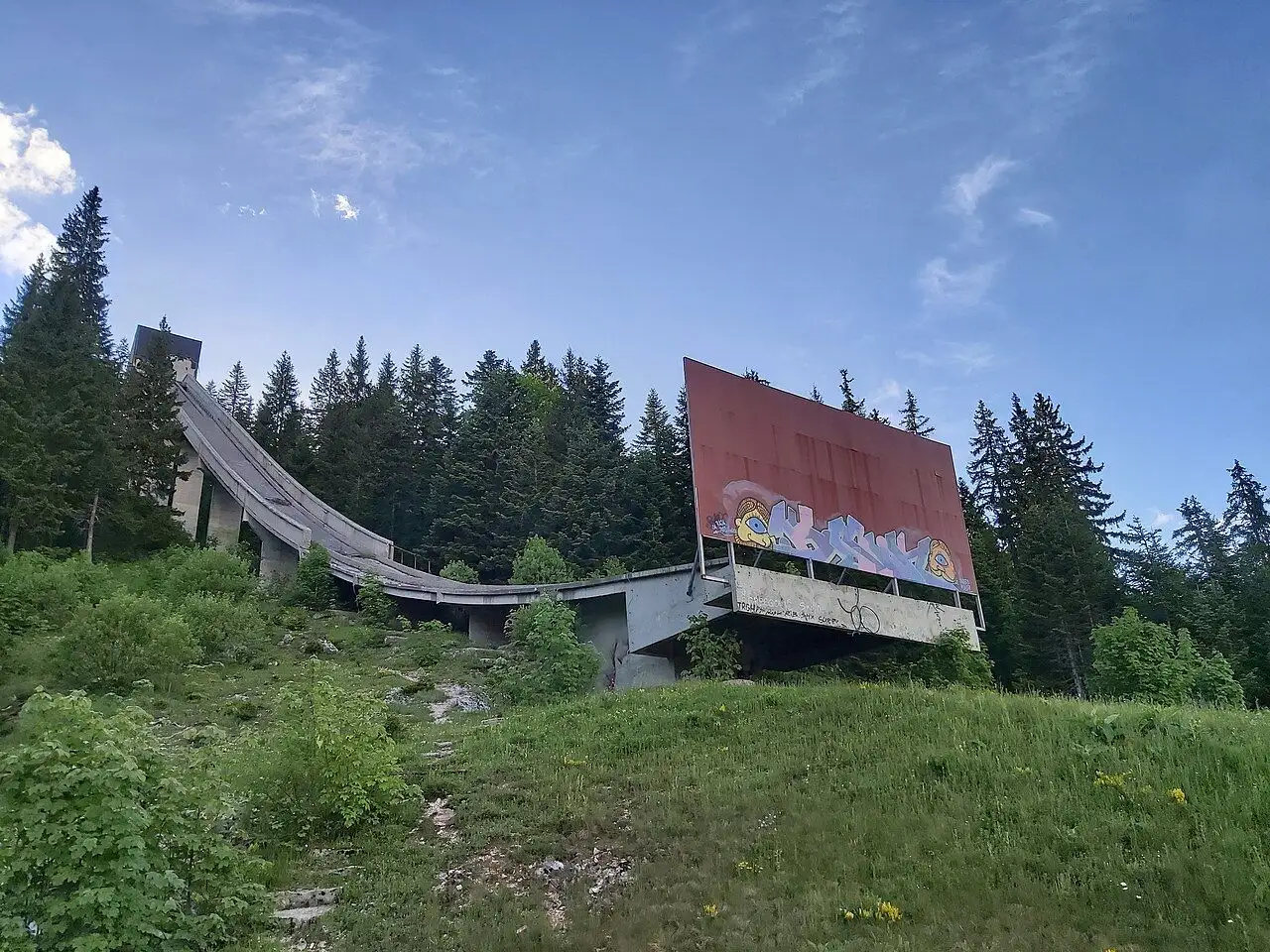
The jumps didn’t survive what came after. Igman sat inside the wartime buffer zone through the 1990s siege, and the concrete towers are pockmarked with bullet holes today, the wooden in-runs long gone. A 2010 renovation plan, budgeted at EUR 7 to 10 million and aiming to reopen by 2013 with the large hill stretched to K-120, went nowhere - no work was ever done. What’s left stands free to view, no ticket and no gate, a pair of concrete skeletons rising out of the forest that once cheered louder than almost anywhere else in Yugoslavia.
Summer: quiet lifts, trails and huts
Once the snow goes, Bjelašnica switches to a summer operation rather than shutting down: the six-seater runs daily 10:00-18:00 for the view at 30 KM a ride (15 KM for BiH residents), with a bike park, a children’s park and tubing alongside it, and the ski runs turn back into open plateau: pale limestone, grazing land, and a view that stretches past the resort to the villages beyond. The road continues past Babin Do toward Umoljani and Lukomir, the highest permanently inhabited village in the country, but Babin Do itself isn’t the trailhead for the serious walking up here - our hiking in Bosnia guide sends you to Umoljani instead for the real Via Dinarica route, a marked loop along the Rakitnica canyon rim. Multi-day White Trail logistics - stages, huts and how to section-hike - are in Via Dinarica through Bosnia.
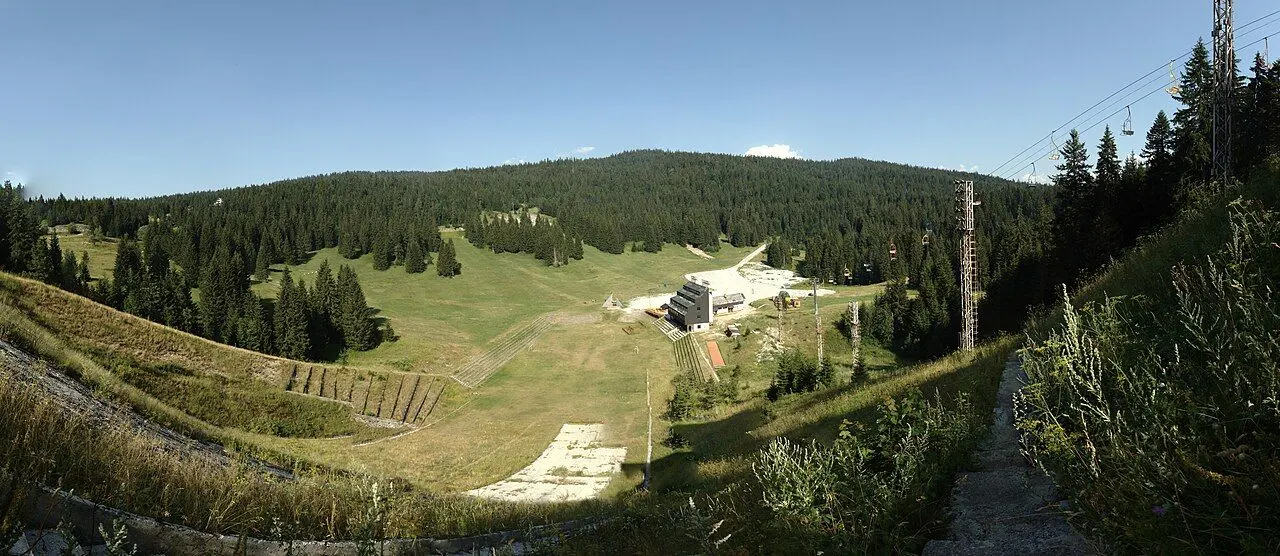
Igman keeps busier in summer than its winter reputation suggests. Marked mountain-biking trails cross the plateau, and a 34.7 km cycling route runs out from Sarajevo through Ilidza onto the mountain for a full day on two wheels. Of the roughly 39 km of Nordic and biathlon trails built for 1984, about 15 km are still walked, run and cycled today around Veliko Polje. Two mountain huts stay open if you’d rather sleep up here than drive back down: Igman Mountain Hut, at about 1,246 m, has 50 beds across six rooms and runs year-round for around 20 KM a night, and Hrasnicki Stan, higher at 1,315 m, is reachable by car or a one-to-two-hour walk. The mountain is also home to the Bosnian lily (Lilium bosniacum), an endemic of Bosnia and Herzegovina.
The road that kept Sarajevo alive
Igman’s quiet reputation hides the heaviest history of the three Olympic mountains. During the 1992 to 1995 siege of Sarajevo, it was the only one of them Bosnian Serb forces never managed to hold: the plateau stayed on the government side even when the road below it didn’t, and it was the one route into Sarajevo they never controlled outright. Their forces, and that single fact, turned a forest road built for spectators into the city’s lifeline. After the Sarajevo Tunnel (the Tunnel of Hope, dug the same year under the airport runway) was finished in July 1993, the small unpaved track over Igman became the sole significant supply route into the besieged city.
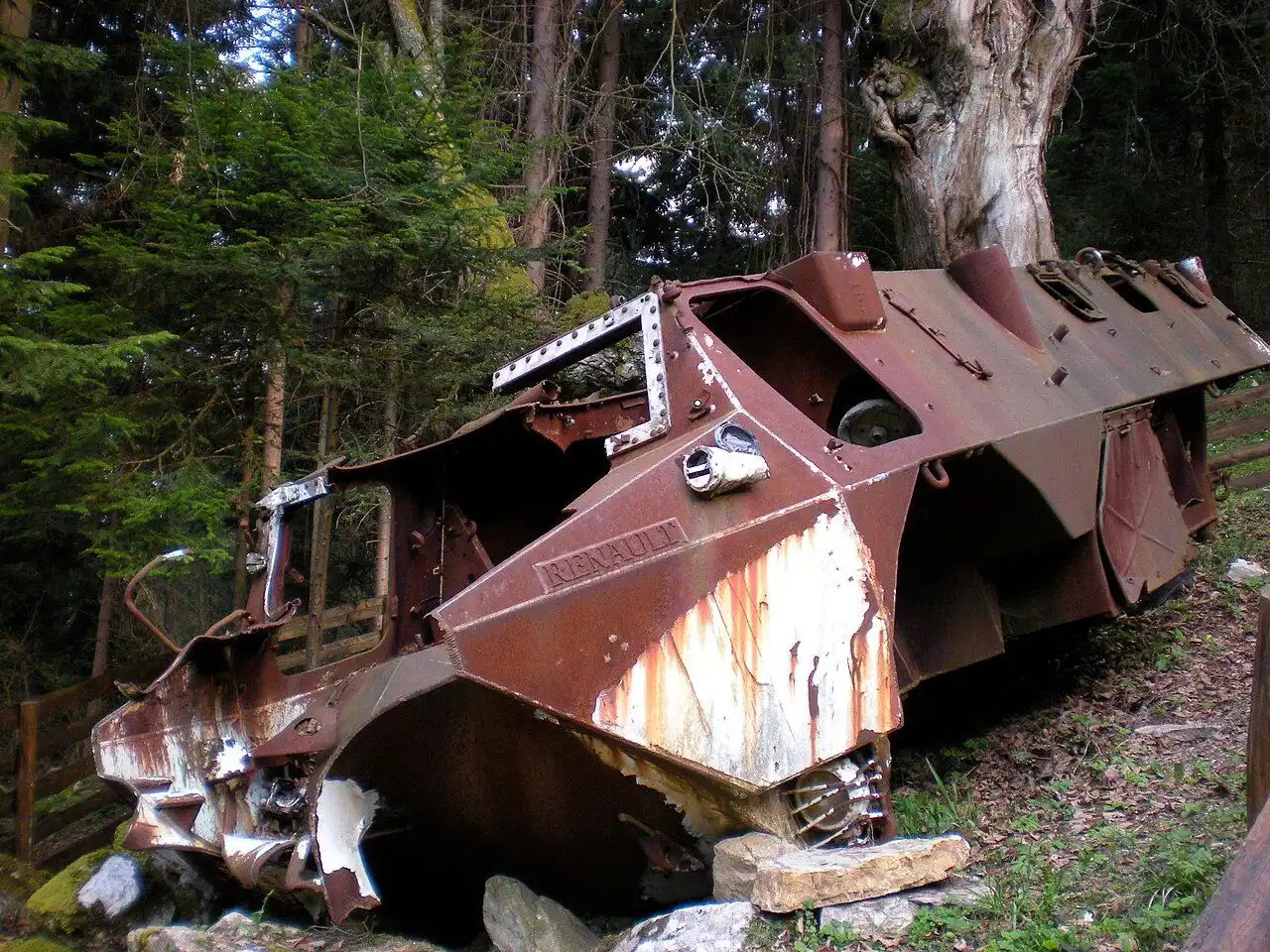
It didn’t get safer afterward. On 4 August 1993, VRS forces captured part of the Igman road during a wider offensive, and the advance was only stopped under the threat of NATO airstrikes; the area was later handed to UN peacekeepers as a demilitarised zone. Two years after that, on 19 August 1995, a US peace mission led by Richard Holbrooke used the same road. The French armoured personnel carrier carrying most of the delegation went off the edge and rolled roughly 400 m down the mountainside, catching fire at the bottom. Three American diplomats - Robert Frasure, Joseph Kruzel and Nelson Drew - and the French soldier driving them, Corporal Stephan Reoult, were killed; others aboard survived with serious injuries. Our guides to the Sarajevo War Tunnel and the siege of Sarajevo cover the wider story; that’s the one stretch of it that runs straight through Igman itself.
Getting there and around
Both resorts sit southwest of Sarajevo and share the same access road as far as the Ilidza turn-off. Bjelašnica (Babin Do) is roughly 30 to 33 km out, about 45 minutes to an hour by car in clear weather; Igman is a similar distance, about 30 km and 35 to 40 minutes. Neither has a public bus, so you’re looking at a hire car, a taxi, or a pre-booked transfer from the airport or the city.
Winter tyres are compulsory across Bosnia and Herzegovina from 1 November to 1 April regardless of the forecast, and this is exactly the kind of road where that law earns its keep: steep, winding, and quick to ice over once the sun drops behind the ridge. Confirm the actual tyres fitted at the rental desk rather than taking the paperwork’s word for it, and budget extra time on a snowy morning. Our car rental in Bosnia guide covers the deposits and cross-border rules if you’re combining the mountains with the rest of a trip. Stay on marked pistes, roads and trails at all times; parts of the wider region still carry landmine risk from the 1990s war, and neither resort boundary is a guarantee on its own.
Where to stay
Most people base in Sarajevo and drive up for the day, and for one or two ski days, or a single summer excursion, that’s the easier choice: city beds are cheaper, restaurants don’t close when a storm shuts the lifts, and our where to stay in Sarajevo guide covers the neighbourhoods. If you’re skiing four days or more, sleeping on the mountain removes two winter-road commutes a day, and those are usually the first and last runs you lose to them; Bjelašnica’s bed count around Babin Do is thin compared with Jahorina’s, so book ahead in a good snow year rather than assume a room will be there. Igman’s two mountain huts are the simplest option if a bunk and a shared kitchen suit you better than a hotel room, and they stay open through summer for hikers and cyclists too.
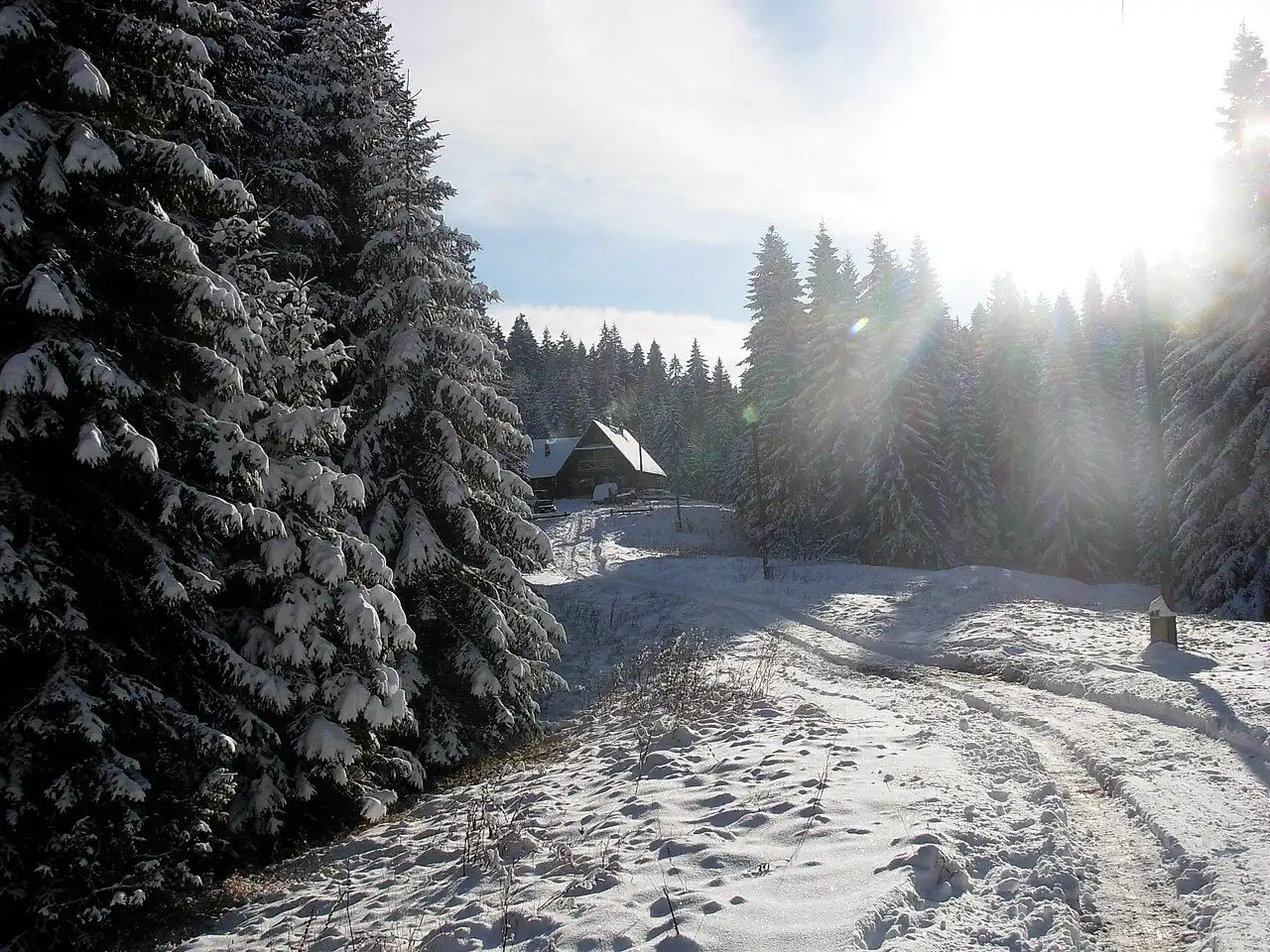
However you split the mountains and the seasons, the pairing rewards more than a single visit: Bjelašnica for the numbers and the pistes, Igman for the quiet, the history, and a ticket that costs about half as much for a similar afternoon.
Photos
On the map
The map loads on click - to keep the page lightweight.
The map didn’t load. Check your connection and refresh the page.
Admission and opening hours
- Admission price
- Two separate lift-ticket systems: Bjelašnica adult day pass 59 KM (2025/26), child to 12 42 KM, teen 47 KM; Igman adult day pass 30 KM, child 25 KM, teen 28 KM. A Bjelašnica ticket also covers Igman the same day; an Igman-only ticket does not work at Bjelasnica. The ski-jump ruins and the summer trails are free to visit, no ticket.
- Opening hours
- Lifts run through the winter season, roughly December to March or April, snow permitting. In summer the six-seater keeps running for the view rather than the skiing, daily 10:00-18:00, and the road, the ski-jump ruins and the hiking and biking trails stay open year-round.
These are 2025/26 season prices from the operator's own season-opening announcement. Bjelašnica's own website still shows an older, lower daily rate under a 2025/26 label, so confirm the current tariff directly, especially once the 2026/27 season opens.
Details checked: August 19, 2026
Distance ≈28 km · 30-40 min to Bjelašnica, 35-40 min to Igman, by car
- Sarajevo ≈28 km · 30-40 min to Bjelašnica, 35-40 min to Igman, by car A seasonal Centrotrans bus runs Sarajevo to Bjelašnica at weekends and holidays in winter (08:30 out, 16:00 back, 6 KM one way, skis carried free); Igman has no service at all, and neither mountain has one in summer, so drive, taxi or book a transfer. Winter tyres are compulsory 1 November-1 April regardless of the forecast.
Read also

What to see · 15 min read
Via Dinarica Bosnia: Huts, Stages & Logistics
Verified · September 12, 2026Plan the Via Dinarica White Trail in Bosnia: 12 stages, 334 km, hut booking, trailheads, closures and three workable section packages.

What to see · 10 min read
Jablanica: Neretva Bridge & Roast Lamb Stop
Verified · September 4, 2026Jablanica on the Sarajevo-Mostar road: Battle for the Wounded museum (5 KM), the 1943 bridge, roast lamb lunch. Hours, parking, how long to stop.

What to see · 8 min read
Prokoško Lake: Shepherd Huts High Above Fojnica
Verified · September 3, 2026Prokoško on Vranica at 1,636 m: katuni, gate prices for foreigners, no swimming, and the 2026 asphalt climb from Fojnica.

What to see · 11 min read
Franz Ferdinand's Sarajevo: Latin Bridge & 1914 Site
Verified · August 29, 2026The Latin Bridge corner in Sarajevo where Franz Ferdinand was shot in 1914: what happened, the Museum of Sarajevo 1878-1918 inside, hours and tickets.