Bosnia in Winter: Skiing, Cities & Snow
Bosnia in winter: cheap Olympic skiing at Jahorina and Bjelašnica, snowy atmospheric Sarajevo, mild green Herzegovina, and festive-season tips.
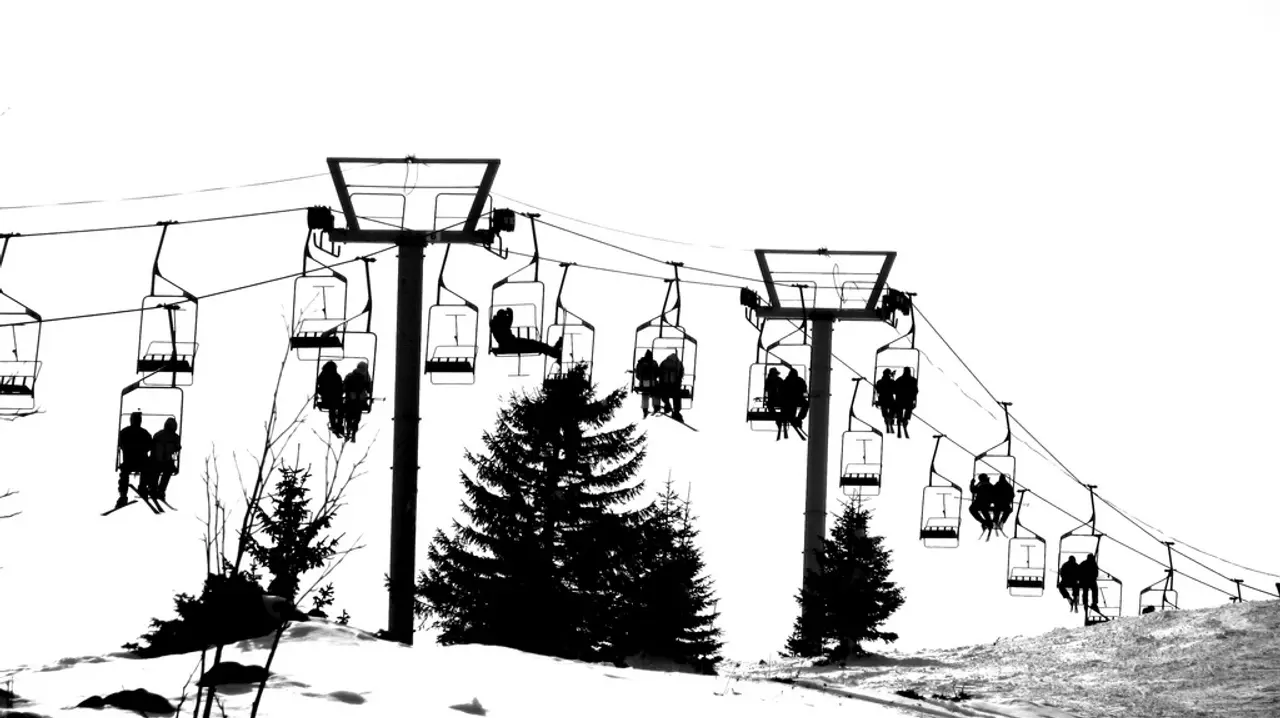
Bosnia in winter is one of Europe’s quietly great cold-weather trips, and a genuinely cheap one. You can ski the same Olympic mountains that hosted the 1984 Games for a fraction of Alpine prices, wander a snow-dusted Sarajevo where the crowds have gone home, and, if you tire of the cold, drop down into Herzegovina where Mostar sits under a mild, almost Mediterranean sky. The one thing to get straight before you book is that the country runs on two winters at once: a proper snowy, continental one around Sarajevo and the highlands, and a soft, green one down south. This guide covers both, plus the skiing, the festive season, and the practical bits that catch people out.
Two winters in one small country
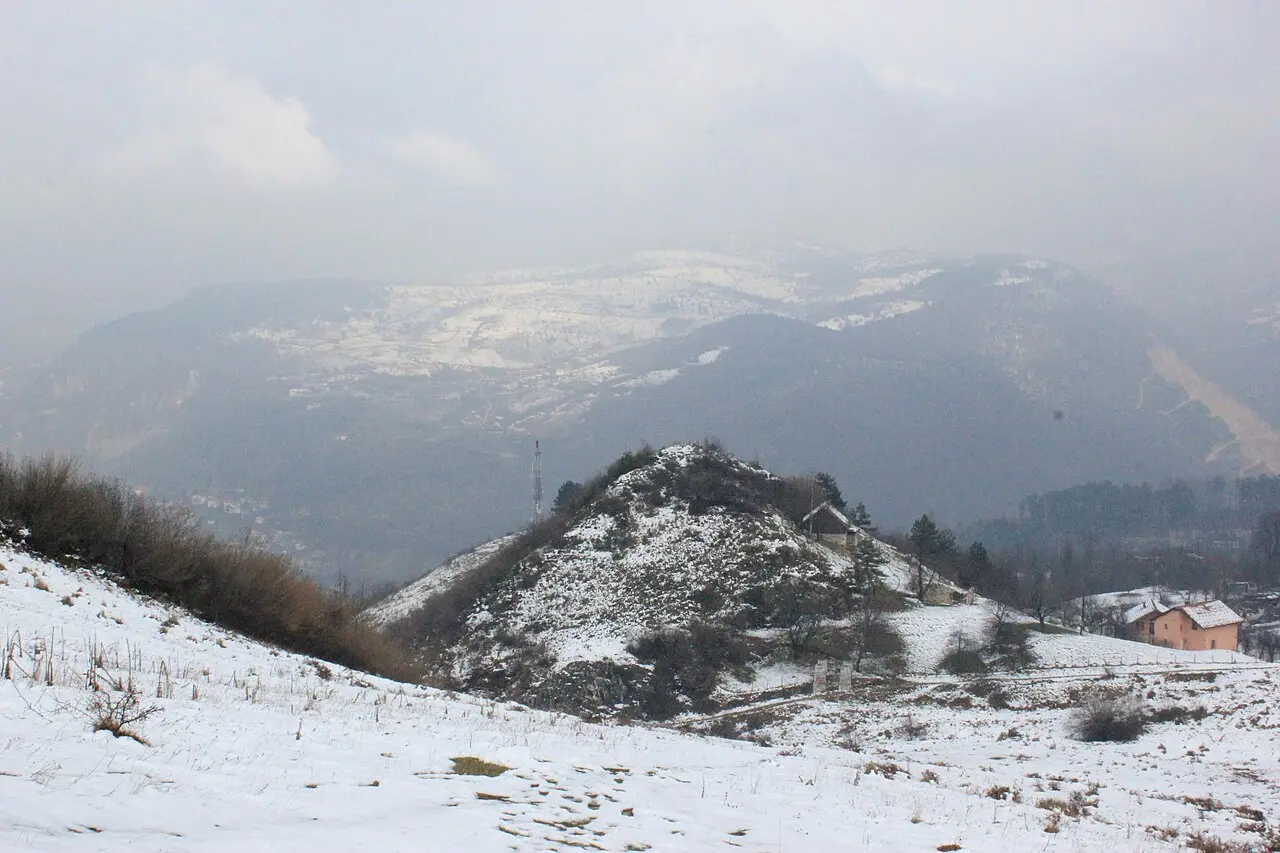
The single most useful thing to grasp is that Bosnia and Herzegovina doesn’t have one winter, it has two, and they sit surprisingly close together. Around Sarajevo and the interior highlands, at roughly 500 m and up, winter means what you would expect: cold, snow, short grey days and the occasional deep freeze. Sarajevo’s January average hovers around freezing, December days run somewhere between a few degrees below and a few above zero, and a cold snap can send it plunging toward -20°C. Snow is normal, not a novelty.
Head an hour or two south into Herzegovina and the thermometer flips. Down in the Neretva valley, Mostar sits under a sub-Mediterranean sky where December daytime highs sit around 8 to 10°C and the valley floor rarely holds snow. So the country gives you a real choice inside a single trip: bracing, snowy, ski-and-coffee days up north, and mild, crowd-free sightseeing down south - Mostar’s old-town restaurants included, without the summer crush - often within the same week. Pack for both.
Skiing the Olympic mountains
Winter has one headline draw: Sarajevo hosted the 1984 Winter Olympics, and the mountains that staged the alpine events are still working ski resorts, sitting within easy reach of the city and charging a fraction of what you would pay in the Alps. Adult day passes run about $40 to $50 (70 to 90 KM), with a shorter four-hour ticket cheaper still and rentals and lessons priced to match, which still makes this one of the best-value ski trips on the continent. Prices are quoted locally in convertible marks (KM), and both they and the opening dates shift every season with the snow, so check the resort sites before you commit; the broad picture, though, holds year after year.
Two mountains anchor it, and they have different personalities:
- Jahorina is the big, popular one and the better bet for most visitors, especially families and anyone who’s not an expert. It hosted the women’s alpine events in 1984; the operator publishes 35 km of prepared runs, and its own lift and trail table lists nine marked pistes and nine lifts, plus two gondolas. The terrain leans beginner and intermediate, with a string of hotel settlements rather than one resort village, so picking the right one matters: our guide to where to stay on Jahorina sets out the four bases, the lift each one actually reaches, and the pass prices window by window. It’s about 28 km and a little over half an hour from central Sarajevo, and roughly 33 km or 40 to 45 minutes from the airport, which is remarkably close for a ski hill.
- Bjelašnica is higher (2,067 m) and has a steeper, more serious edge. It held the men’s alpine races in 1984, the ones won by Bill Johnson and the Mahre twins, and while it has blue and red runs too, it is the one advanced skiers gravitate to. It’s even closer to the city, roughly half an hour away, so day trips are easy.
If you’re choosing between the two for a ski week rather than dipping into both, our Jahorina vs Bjelašnica comparison lays out piste kilometres, 2025/26 pass prices and who each mountain suits.
The neighbouring Igman plateau, which hosted the ski-jumping and Nordic events, is now more of a cross-country and sledding spot than a downhill resort. One safety note worth taking seriously: parts of Jahorina outside the marked resort were mined during the 1990s war, and while skiing within the resort boundaries is safe and clearly marked, this is a genuine reason to stay on the pistes and not go wandering off-piste into the trees.
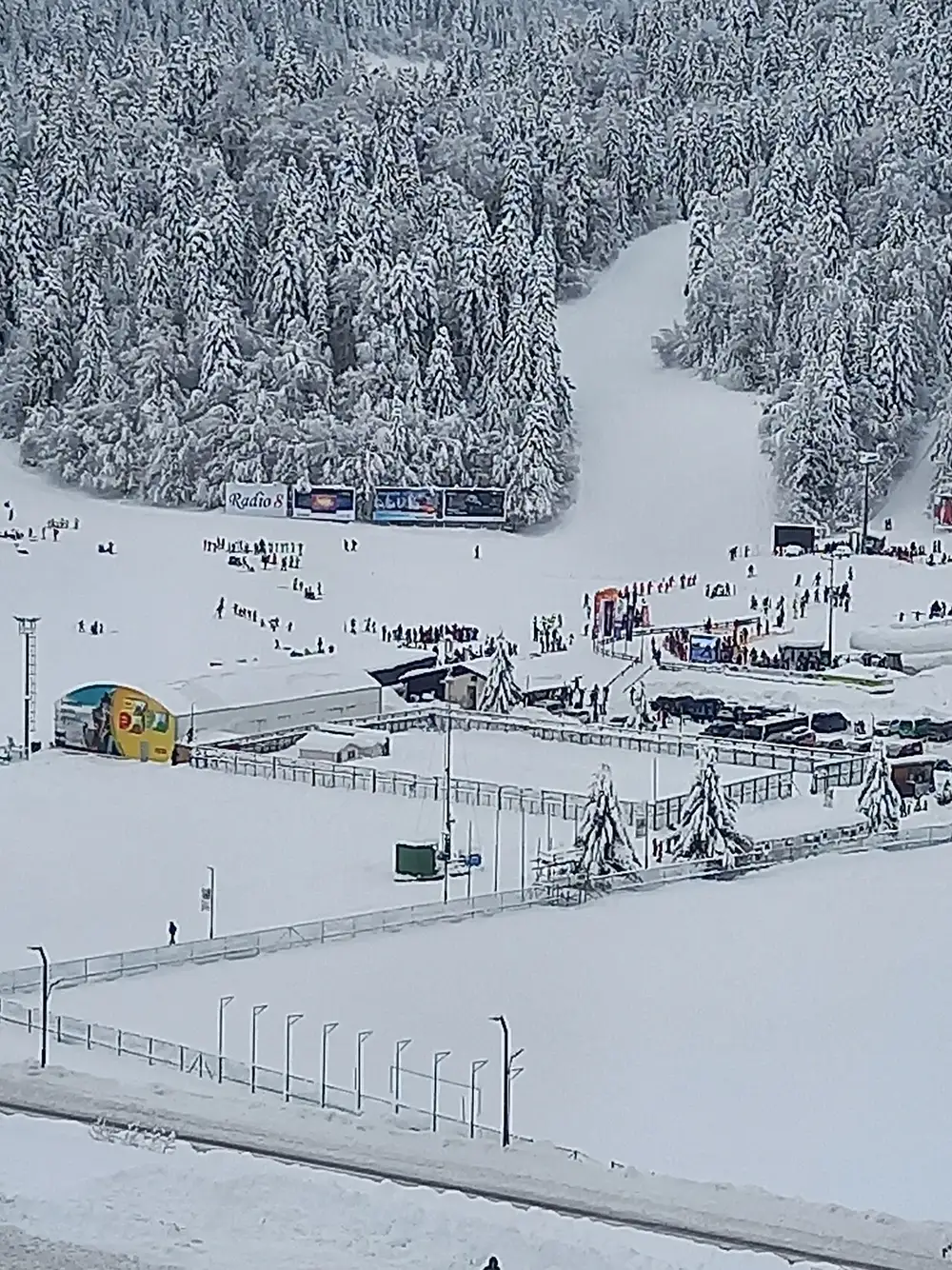
Because the resorts sit so close to the capital, you do not have to choose between a ski trip and a city break. Plenty of people base themselves in Sarajevo, where beds and food are cheaper than any resort, and drive up to ski for the day. It’s a rare and rather brilliant combination: black runs in the morning, Ottoman coffee houses by night.
Sarajevo in winter
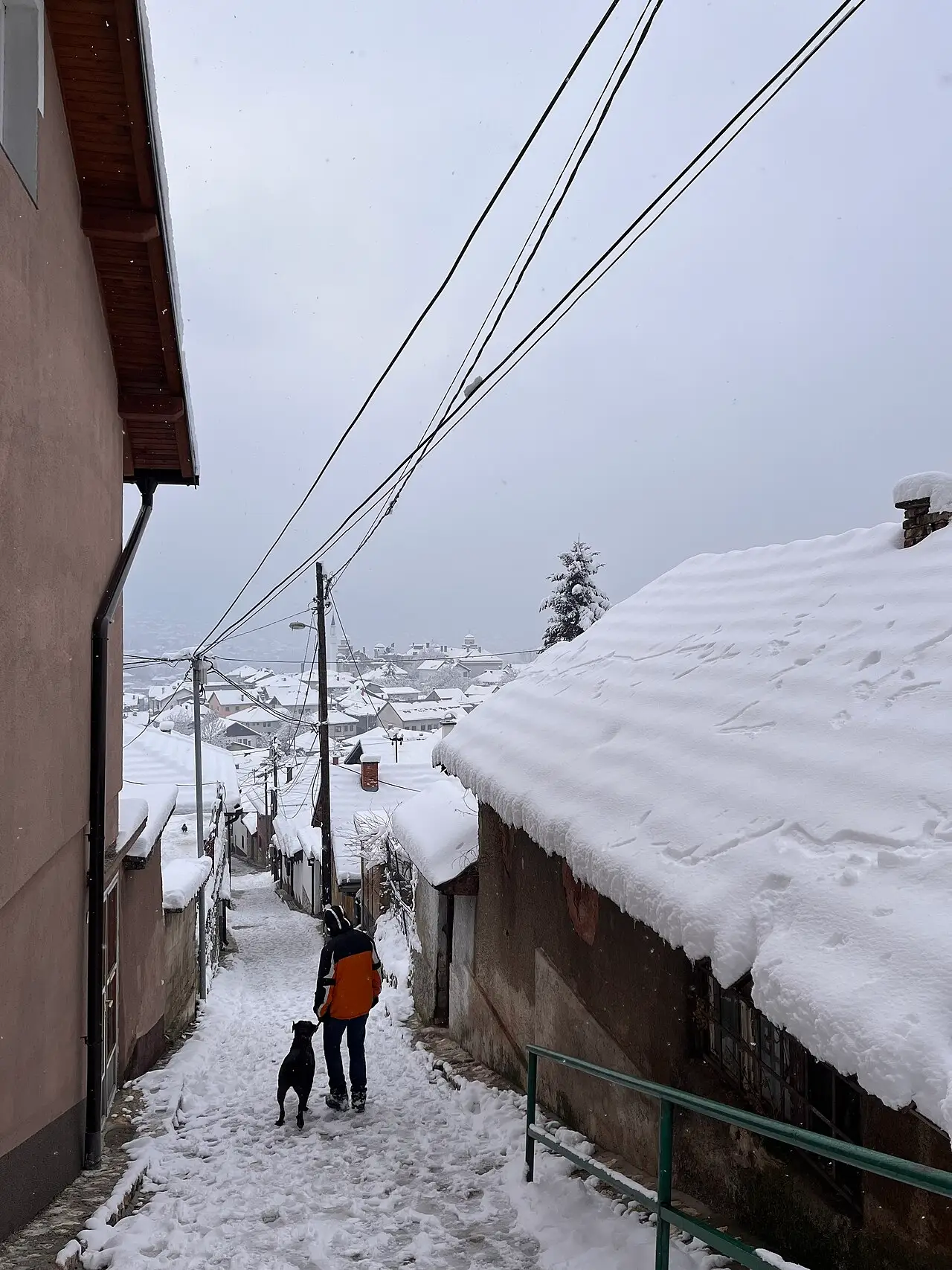
The capital is at its most atmospheric under snow. The domes and minarets of the old town wear a white cap, the copper workshops of Baščaršija steam with sujuk and coffee, and the whole city takes on a hushed, low-season calm because the ski crowds are up on the mountains rather than in the streets. Prices drop off their summer peak, museums and cafés are blissfully uncrowded, and this is a city built for cold weather anyway, with a coffee culture that turns a long, dark afternoon into an event rather than something to endure.
It rewards a certain kind of traveller. If your idea of a good winter city break is trudging between war-history sites like the Tunnel of Hope, thawing out over a bottomless Bosnian coffee, and climbing to a snowy viewpoint over the valley, Sarajevo delivers all of it and asks very little in return. Do dress properly, though. This is a real winter, the pavements ice up, and the odd heavy dump of snow can snarl the trams, so decent boots and a warm coat aren’t optional. For everything the city offers year-round, our guide to things to do in Sarajevo has the full run-down.
Herzegovina and Mostar: the mild escape
When the cold gets old, Herzegovina is the pressure valve. A couple of hours south of Sarajevo by road, train or bus, Mostar and its surroundings swap the snow for a soft, sunny, sub-Mediterranean winter. The Old Bridge, the dervish house at Blagaj and the stone-built town of Počitelj are all still there, minus the summer scrum of tour buses, and you can wander them in a light jacket while the interior shivers. It’s a strange and lovely contrast to pull off in a single trip.
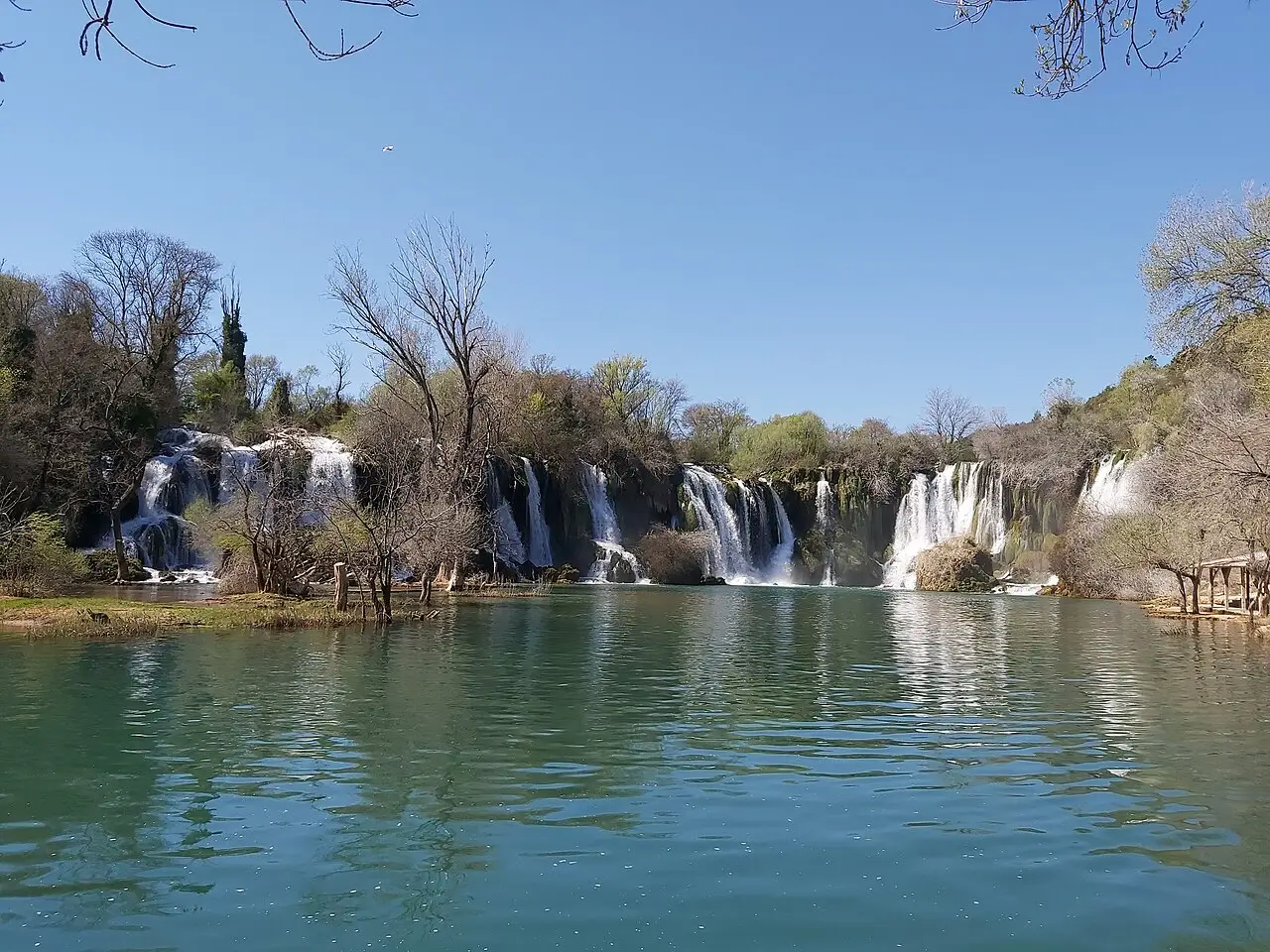
Winter is also, quietly, a fine time for the region’s water. The Kravice waterfalls, an easy day trip from Mostar, run full and forceful in the cool, wet months, and in a hard frost the spray can start to freeze into something genuinely spectacular. Temper the plan, though: the on-site cafés and the swimming are strictly summer affairs, and some seasonal spots keep short hours or close, so come for the raw sight of the falls rather than a day out by the pools, and check ahead if a specific site matters to you.
The festive season and holidays
Winter here comes with an unusually layered festive calendar, a reflection of the country’s mix of faiths. New Year is the big secular blowout, and Sarajevo throws a proper street party on the night of 31 December, fitting for a city that still wears its Olympic winter-sports identity with pride. Around it you’ll find Catholic Christmas on 25 December and Orthodox Christmas on 7 January, the latter widely marked in Republika Srpska, including the towns around Jahorina, alongside the rhythms of the Muslim community. The upshot is a season that feels festive across several weeks rather than one weekend.
Exact programmes, markets and event dates change year to year, so treat the above as the shape of things - check our month-by-month events guide for specifics - and check local listings once your dates are set. What’s reliable is the mood: warm, welcoming and low-key, the opposite of a commercialised Christmas-market crush.
Getting around, and what to pack
Two practical things make or break a Bosnian winter trip. First, winter tyres are mandatory in the cold months, so if you’re renting a car, confirm they’re fitted, and be ready for snow-covered roads climbing to the resorts. A car is the most flexible way to link Sarajevo, the ski mountains and Herzegovina, though the Sarajevo to Mostar train and buses run through winter too if you would rather not drive. Our Bosnia car rental guide covers the winter-tyre rules and cross-border paperwork.
Second, pack for two climates. Real winter kit, insulated boots and a proper coat for Sarajevo and the mountains, plus a lighter layer for the mild south. Get that right and you can be knee-deep in Olympic powder one day and strolling a frost-free riverside the next.
Is winter a good time to visit Bosnia?
For the right traveller, absolutely. Come in winter if you want cheap, uncrowded skiing with genuine Olympic pedigree, a capital at its most characterful under snow, and the novelty of pairing both with a mild-weather escape a short drive away. Give it a miss if you are chasing the swimming, rafting and full waterfall-park experience, or if you simply don’t enjoy the cold, in which case our guide to the best time to visit Bosnia walks through the warmer options, and the 7-day Bosnia itinerary shows how the pieces fit together in the greener months.
The trick to a Bosnian winter isn’t enduring the cold but playing the country’s split personality to your advantage: ski hard, drink coffee slowly, and keep the warm south in your back pocket for the day the grey gets too much.
Photos
Read also

Before you go · 10 min read
Where to Stay in Medjugorje: Pansions & Hotels
Updated · August 25, 2026Where to stay in Medjugorje: guesthouses near St James Church, pilgrim hotels, peak dates, and whether to sleep here or day-trip from Mostar.

Before you go · 9 min read
Where to Stay in Jajce: Hotels by the Waterfall
Updated · August 23, 2026Where to stay in Jajce: old-town hotels steps from the Pliva Waterfall, lakeside rooms by the watermills, and which base suits a one-night stop.

Before you go · 11 min read
Mostar or Trebinje: Which Herzegovina Base?
Verified · August 18, 2026Mostar or Trebinje as a Herzegovina base: crowds, hotel prices, summer heat, Dubrovnik access and wine - pick the nights that fit your trip.

Before you go · 7 min read
Cash, Cards and Tipping Across the Balkans in 2026
Verified · August 15, 2026Twelve currencies, three of them the euro, and two pegged to it. What is fixed, what is a habit, and where you still need notes in your pocket.