Where to Stay on Jahorina: Ski-in Hotels & Chalets
Where to stay on Jahorina: Poljice, Ogorjelica, Rajska dolina or Sator, what ski-in/ski-out really means here, 2025/26 pass prices and airport transfers.
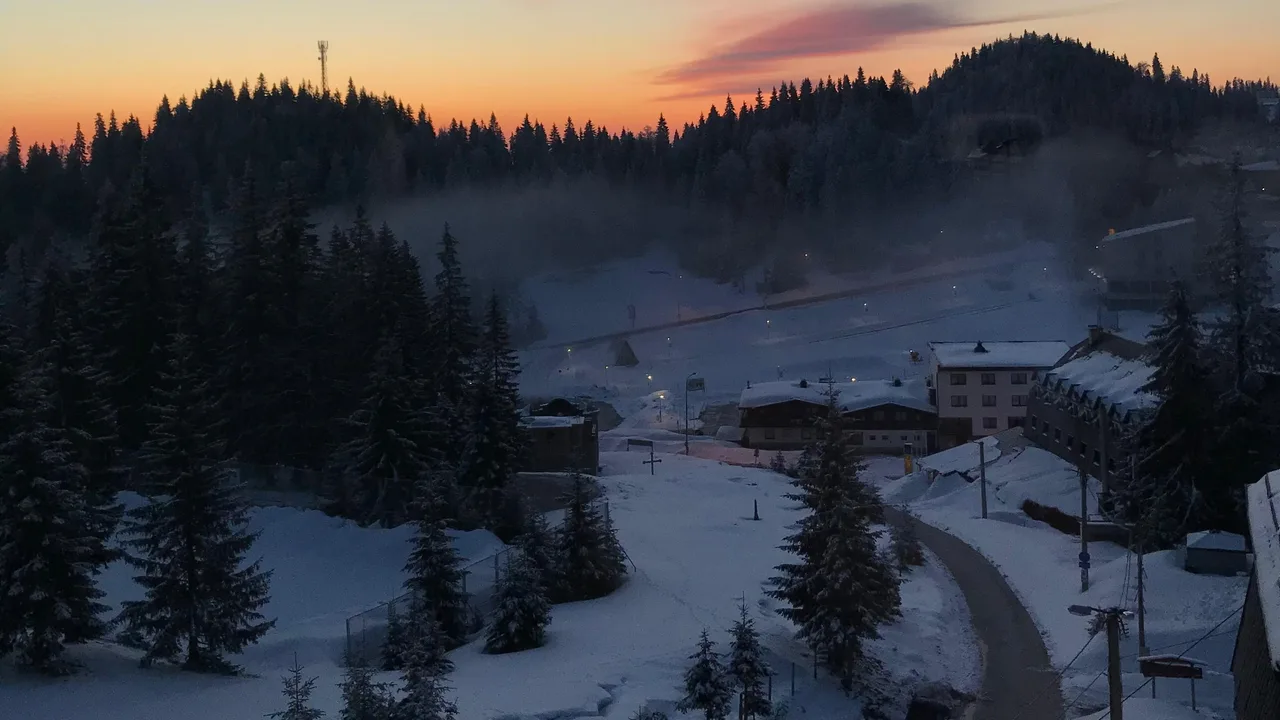
Booking a bed on Jahorina goes wrong for one reason: people picture a resort village and book a postcode. There isn’t a village. There’s a mountain road with four separate settlements hanging off it, each built around its own lifts, and the gap between them is a ten-minute drive in falling snow rather than a stroll past a bakery. The booking sites won’t tell you that, because they sell “Jahorina” as one place.
So: Poljice for beginners, kids and anyone without a car. Ogorjelica for skiers who want the fast lift outside the door. Rajska dolina for quiet and steep. Šator for a chalet with a kitchen and a fire. Get that call right and the rest is easy: the lift company publishes its prices to the mark, and the airport is 45 minutes down the hill.
Your base in one line each
- First time on skis, or skiing with kids: Poljice. Beginner terrain, kindergarten, sledding and the ticket office in one place.
- You came to ski properly: Ogorjelica, under the six-seater that climbs to 1,880 m in five minutes.
- Quiet and steep: Rajska dolina, where the 1984 races were run.
- A group, a kitchen and a fireplace: Šator, the chalet quarter towards Trebević.
- No car: Poljice, without much debate.
- Watching the money: Pale, 13 km down the hill, or Sarajevo, 28 km away.
What ski-in/ski-out means here
The useful question is never “is the hotel close to the slopes”. Almost all of them are close to some slope. It’s which lift you can reach on foot with skis on, because the night skiing is at Poljice, the Olympic descent is in Rajska dolina, and the fast ride to the top is the Ogorjelica I six-seater. A hotel 30 metres from a drag lift you’ll never use isn’t ski-in/ski-out in any useful sense.
Poljice: the base for beginners, families and car-free trips
Poljice is the operational heart of Jahorina. The gondola climbs from here to 1,879 m, the ticket offices and rental shops sit at the bottom of it, and so do the two things that decide a family holiday: the ski kindergarten and the sledding area. The wide blue run below the village is the one they floodlight, so this is the only base where “a couple more hours after dinner” is a real plan.
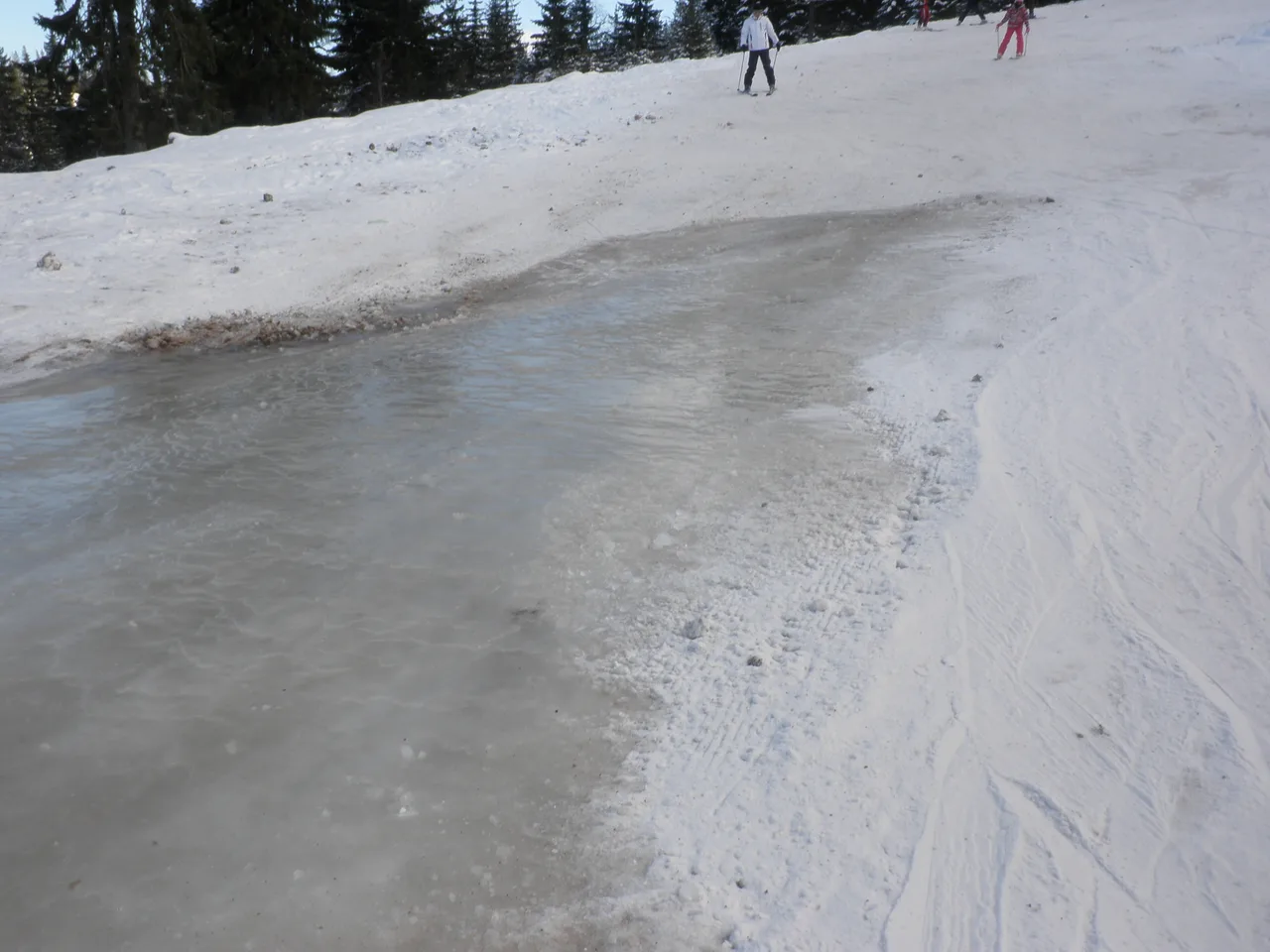
The numbers back it up for families. Children under six ski free with an adult, ticket prices count children as six to under fourteen, and the ski kindergarten is 40 KM a day, plus 5 KM if an adult goes in too. It has the most food, the most rental gear and the biggest car parks, and it’s the only base where a car-free trip works, since the ski-bus from Pale stops here. The trade is atmosphere: this is where every day-tripper from Sarajevo unloads, and on a peak Saturday it feels like a car park with a mountain attached.
Ogorjelica: where the beds and the fast lift meet
Ogorjelica is the middle of the mountain and, for most competent skiers, the right answer. The Ogorjelica I six-seater climbs 1,351 m of hill in about five minutes, from 1,560 m to a top station at 1,880 m just under the summit; the older Ogorjelica II double crosses towards the Rajska and Olimpik pistes. The densest cluster of hotels and apartments on Jahorina sits around that base, which is why it fills first.
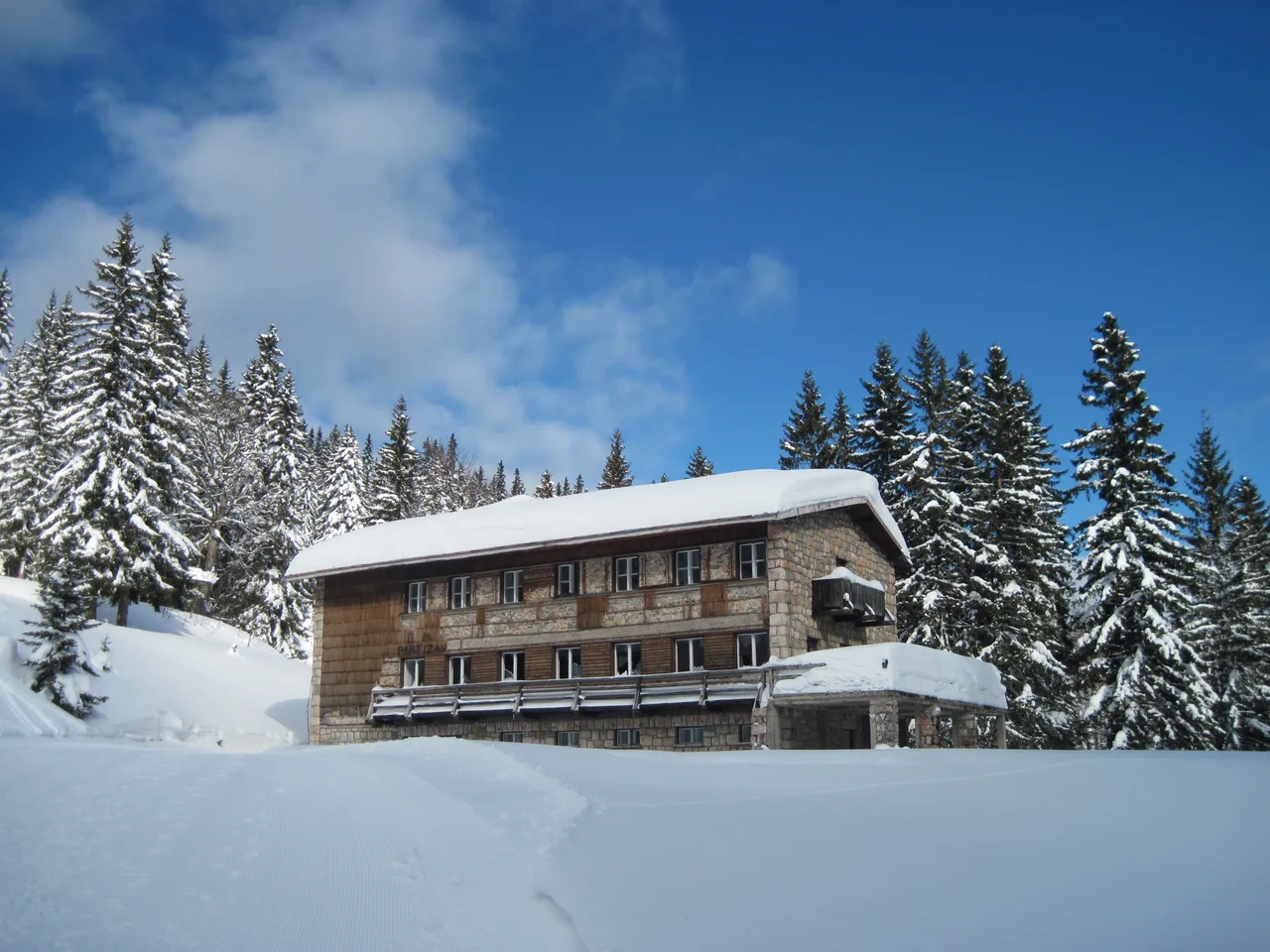
Two addresses are worth knowing by name. Hotel Lavina sits between the Prača and Ogorjelica pistes, and its own skiing page states the case plainly: guests “can go out to these slopes and return back to hotel on their skis”. It’s small, 22 rooms and 17 suites, with a rental shop and ski school in the building, which solves a lot of logistics if you’ve brought a beginner. Aparthotel Vučko, at Olimpijska 1, is the group answer: split-level and family apartments, a 700 m2 wellness floor and a playroom, in a building that carries on from the exclusive hotel built here for the 1984 Games. Termag, at 1,550 m, is the design address people name first.
Rajska dolina: quiet, steep and a little remote
Cross the shoulder to Rajska dolina, Paradise Valley, and the mountain empties out. This is the 1984 race side: the Rajska six-seater and the old Olimpik drag serve the reds and the black descent, and the Skočine six-seater carries on down towards Prača. Take the run numbers off the resort map when you arrive rather than from anyone’s blog, this one included, because the lifts here have been rebuilt and renamed repeatedly and the operator’s published table hasn’t kept up.
What you give up is convenience: fewer restaurants, fewer shops, more reliance on whatever your hotel serves. Rajska Vrata catches the character of it, a lodge running since 1998 where the pine forest opens onto the valley, with a few rooms above a restaurant people drive up from Sarajevo to eat in. Half board is the sensible default here.
Šator: chalets, cottages and the quiet money
Šator is the chalet quarter, wooden mountain houses through the trees towards Trebević. The local description calls it a retreat away from the slopes, which is fair: the six-seater Trnovo and its blue run serve the settlement, and a blue run links back down to the Poljice gondola, but you’re not stepping out of the door into a lift queue.
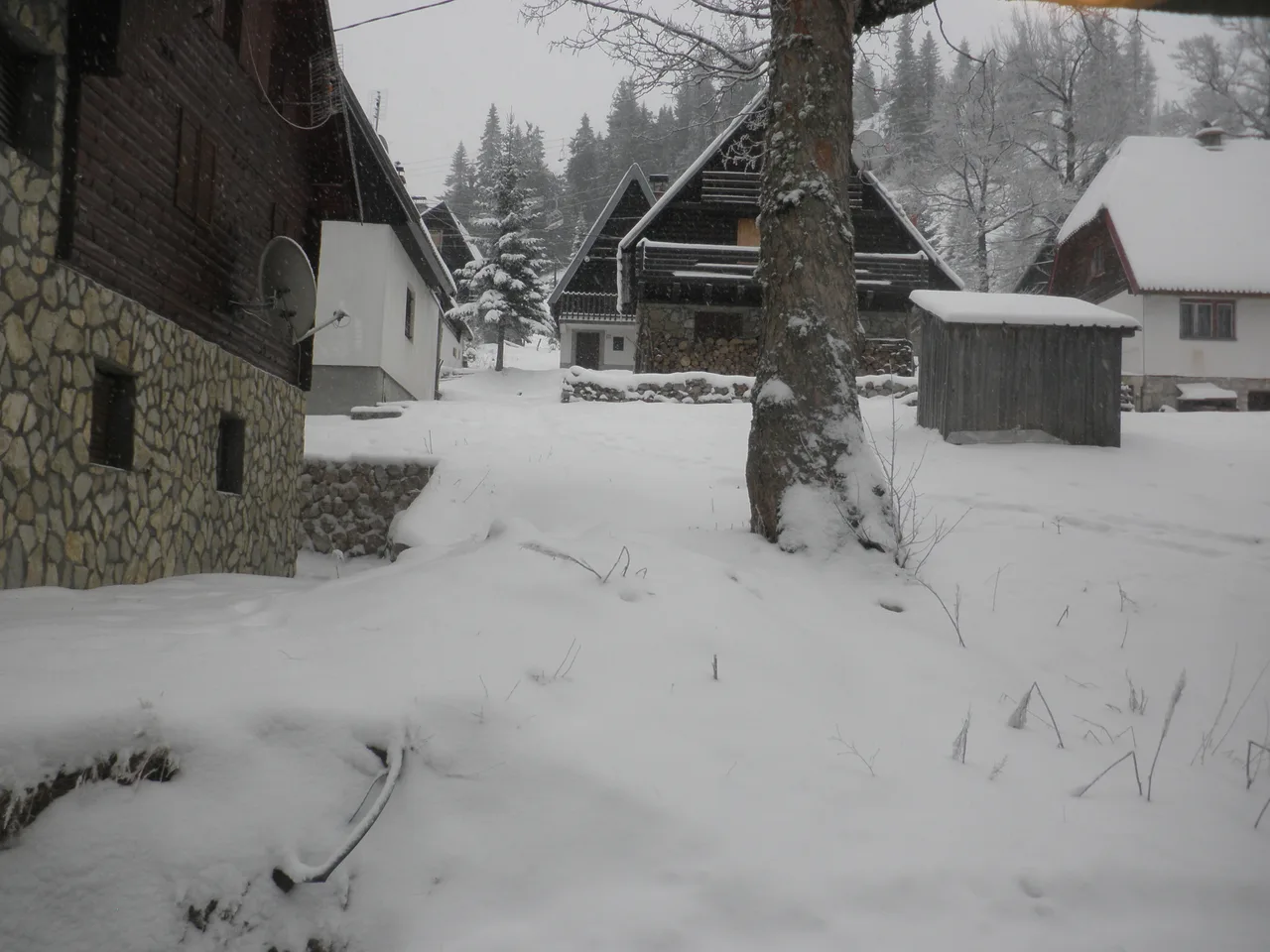
For four to eight people sharing a house with a kitchen and a fire, this is the best value on the mountain, and the settlement has enough restaurants and services to function on its own. Take a car, take cash, and accept a five to ten minute hop to the lift you want.
Apartments, half board and the cash question
The mix here isn’t the Alpine one. Alongside the hotels sit many private apartments and villas, often let directly by the owner, and half board is common enough to price in: mountain restaurants close early, and outside Poljice there aren’t many.
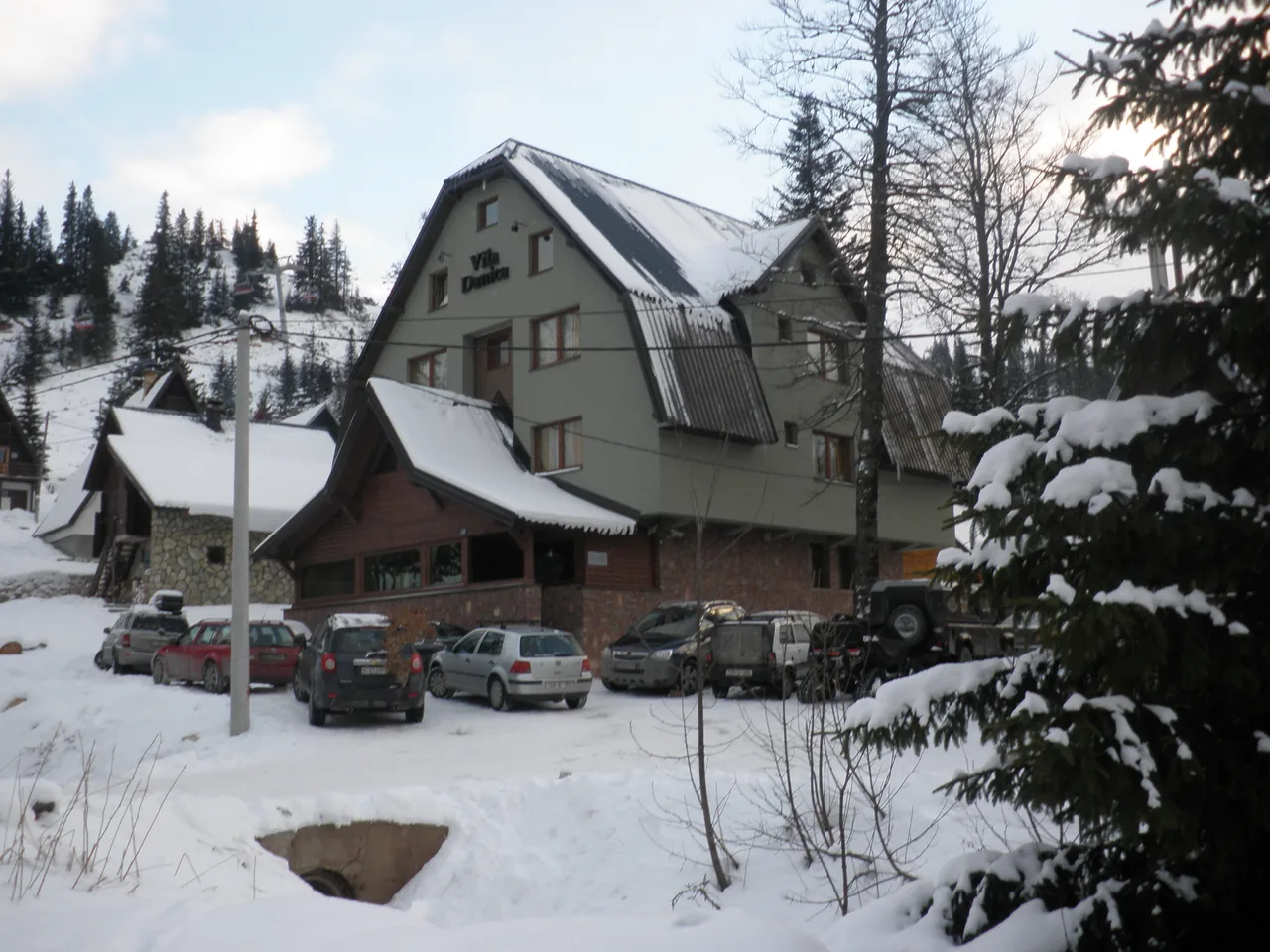
Watch what you’re actually being quoted. The week-long package Hotel Lavina advertises right now, 549 KM per person for seven nights of half board, is a green-season offer: the giveaway is the hotel mountain bike in the inclusions, and there’s nothing about skis. Budget February on that number and you’ll be out by a multiple.
The hotel’s own tariff card tells you far more, though the most recent one it publishes covers 2021/22: read the euros as dated and the shape as the lesson. Half board, per person per night, standard room: €50 in early December, €65 the week before Christmas, €80 to €95 from Boxing Day to 5 January, back to €65 from 16 to 30 January, up again through February, €55 in March. That’s the same curve the lift company prices to. The card also carries the traps: a seven-night minimum over New Year and mid-February, a compulsory gala dinner supplement on 31 December, under-fives free and half price for under-twelves.
Two more things. Quoted rates usually exclude the local tourist tax and insurance, which Lavina lists at 3.10 KM per adult per night. And the same page notes its prices are for cash payment: cash in convertible marks still gets you a better deal in plenty of places here, while euros are taken patchily at a poor rate - don’t assume a card will save you - as our guide to money in Bosnia explains.
What a week on Jahorina actually costs
Lift passes are published properly, so this part is solid. The Olympic Centre’s 2025/26 pricelist puts an adult day pass at 73 KM (€37.50, about $43) in the pre and post season, 79 KM (€40.50) mid season and 86 KM (€44, about $51) at peak. The six-day adult pass runs 316 KM (€161.50, roughly $185) pre and post season, 345 KM (€176.50, about $203) mid season and 373 KM (€191, about $219) at peak, with children and over-65s paying less. Add 10 KM for the key card deposit, bring a photo for anything from four days up, and note that multi-day passes must be used on consecutive days, so a two-day storm eats a chunk of a six-day ticket - that’s the catch if the weather turns.
Now the trick worth stealing. Nobody publishes a hotel demand calendar for Jahorina, but the lift company publishes something nearly as good: its season windows. In 2025/26, peak ran 22 December to 15 January and 9 February to 27 February, with mid season covering 6 to 21 December, 16 January to 8 February and 28 February to 15 March. The peak blocks are exactly when beds fill, and Lavina’s tariff card dips in the same week the lift company’s does. The sweet spot is the second half of January, in mid season: the six-day pass is 345 KM rather than 373, the room rate steps down, and the snow is identical.
One caveat before anything non-refundable: those figures are the 2025/26 card, posted in October 2025. The operator publishes a new list each autumn, and both prices and window boundaries shift by a few days. Since the 15 January and 9 February lines decide whether your six-day pass is a mid or a peak ticket, you’ll want to open the current PDF before you commit. Our guide to Bosnia in winter sets the ski months against the rest of the country, and Bosnia trip costs covers a non-ski trip’s daily budgets.
Getting up the mountain from Sarajevo
Road routing puts Sarajevo Airport (SJJ) about 33 km from the mountain, 40 to 45 minutes in good conditions depending which settlement you sleep in, and central Sarajevo 28 km from the Poljice base, a little over half an hour. That’s remarkably close for a ski mountain, and why people fly in and are on snow the same afternoon. You’ll still want to add time for snow and ice.
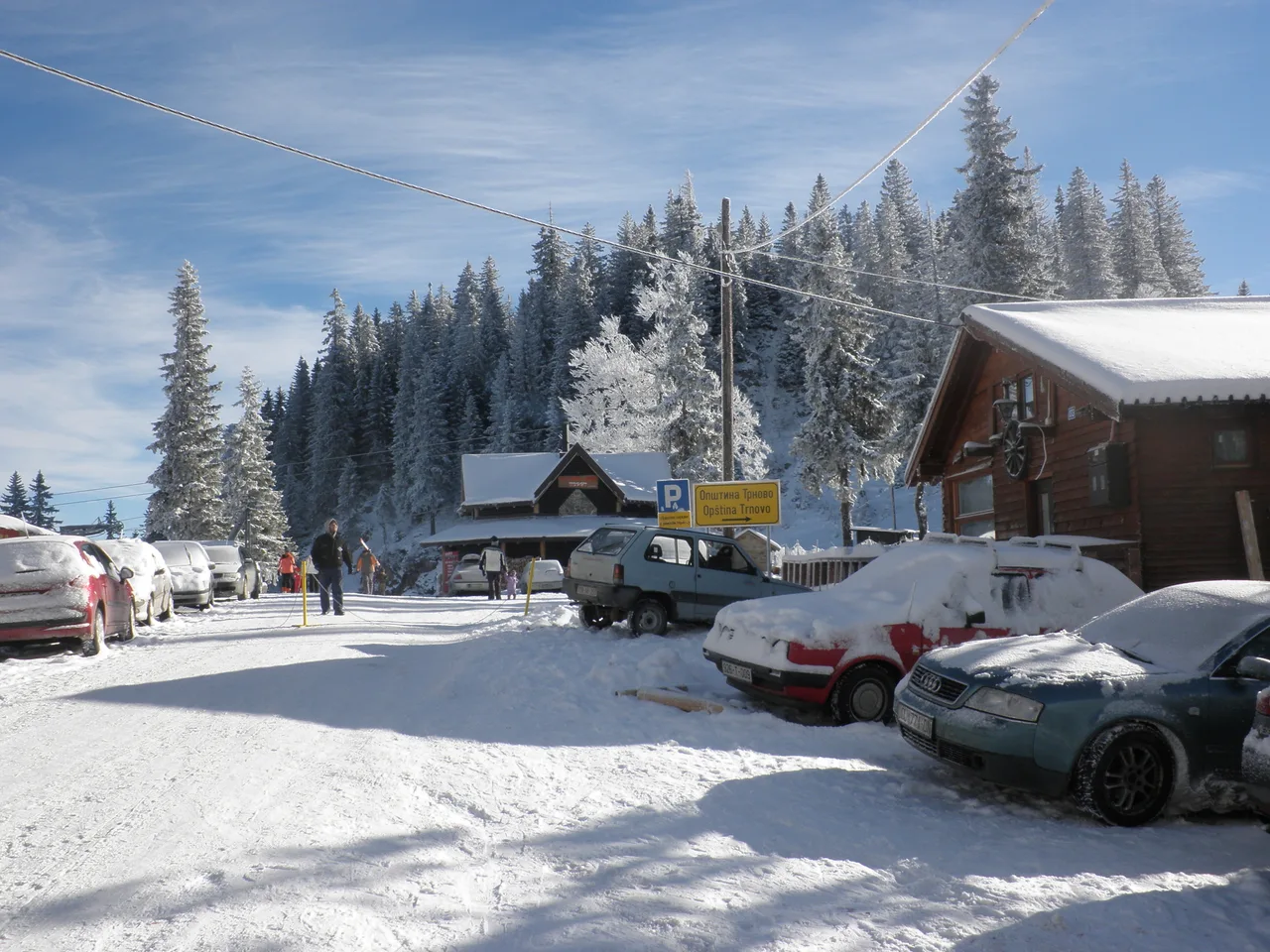
Three ways up. A pre-booked transfer is the least stressful with skis and a late flight, price fixed before you land, the same logic our Sarajevo airport guide applies to the run into town. A hire car buys you Pale, the city restaurants and a day at Bjelašnica - our Jahorina vs Bjelašnica guide helps you decide whether swapping hills for a day is worth it, and day trips from Sarajevo covers the logistics - but confirm winter tyres are fitted rather than promised, which our car rental guide and driving in Bosnia cover. Third, a seasonal ski-bus from Pale: in 2024/25 the East Sarajevo tourist board ran it daily for 8 KM return, leaving Pale about 08:45 and coming back at 15:00 via Poljice and Ogorjelica. Timetables are reissued each autumn, so don’t build a car-free week around last year’s times - confirm the current ones.
Or should you just sleep in Sarajevo?
Sometimes, yes. The capital is half an hour away, with restaurants at city prices and museums for the day the wind shuts the lifts. If skiing is one or two days of a wider Bosnian trip, sleep there and drive up; our things to do in Sarajevo guide covers the other days.
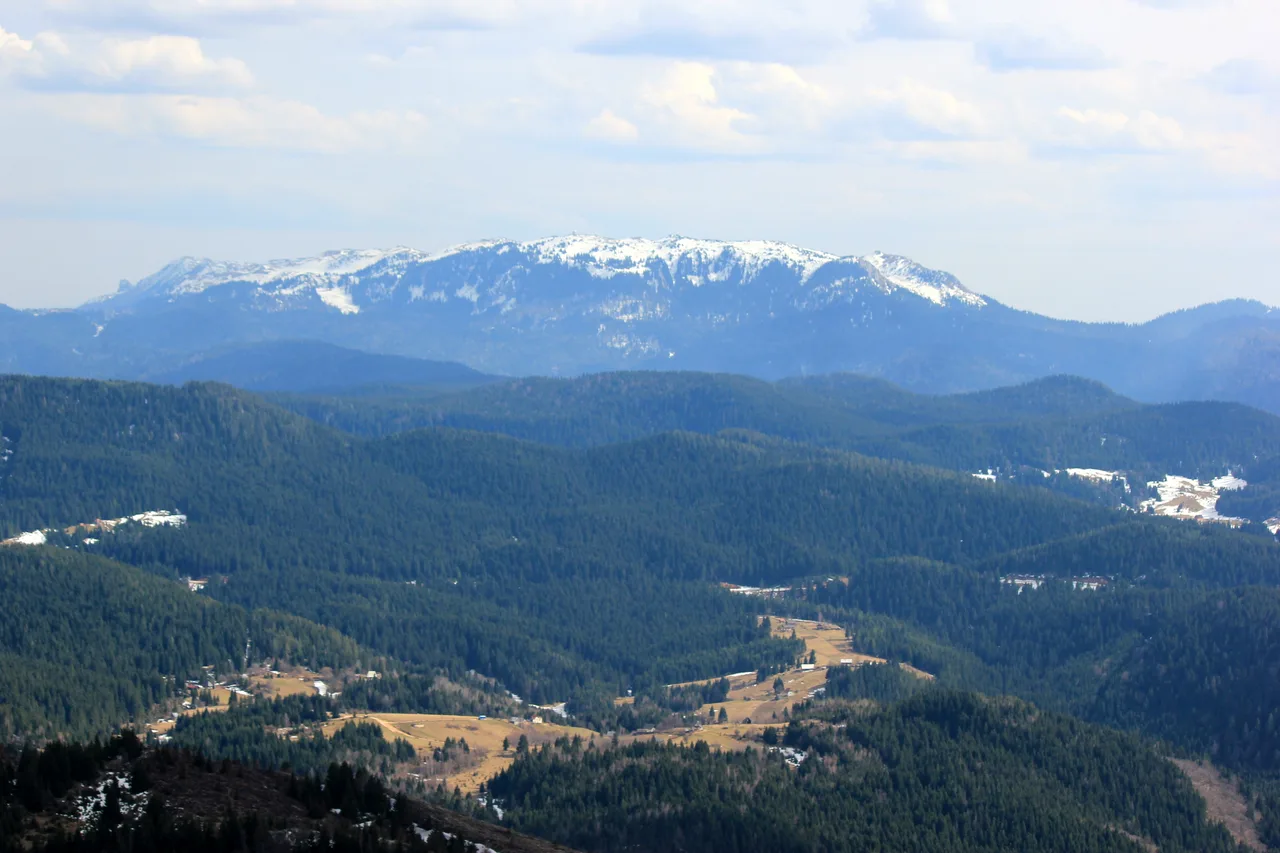
Ski four days or more and you’ll want to be on the mountain: two commutes a day on a winter road, plus the morning parking scramble, cost you the first and last run of every day, and those are the good ones. Pale splits the difference at 13 km down the hill, with cheaper beds and the ski-bus in season. For a wider trip, our where to stay in Bosnia overview sets these bases against Sarajevo, Mostar and the rest, and check that your policy covers snow sports before you buy a pass, since plenty of cover treats skiing as a paid add-on, as our travel insurance guide explains.
Then write to the property and ask it to name the lift you can walk to in boots, in metres. Anyone who answers that’s telling you the truth about their address; anyone who says “close to the slopes” is selling you the mountain.
Photos
Read also

Before you go · 10 min read
Where to Stay in Medjugorje: Pansions & Hotels
Updated · August 25, 2026Where to stay in Medjugorje: guesthouses near St James Church, pilgrim hotels, peak dates, and whether to sleep here or day-trip from Mostar.

Before you go · 9 min read
Where to Stay in Jajce: Hotels by the Waterfall
Updated · August 23, 2026Where to stay in Jajce: old-town hotels steps from the Pliva Waterfall, lakeside rooms by the watermills, and which base suits a one-night stop.

Before you go · 11 min read
Mostar or Trebinje: Which Herzegovina Base?
Verified · August 18, 2026Mostar or Trebinje as a Herzegovina base: crowds, hotel prices, summer heat, Dubrovnik access and wine - pick the nights that fit your trip.

Before you go · 7 min read
Cash, Cards and Tipping Across the Balkans in 2026
Verified · August 15, 2026Twelve currencies, three of them the euro, and two pegged to it. What is fixed, what is a habit, and where you still need notes in your pocket.