Bosnia in Autumn: September & October Travel Guide
Bosnia in October: about 17C by day in Sarajevo and Bihac, 22C in Mostar, what shuts and when, plus MESS (2-10 Oct) and Jazz Fest (4-7 Nov) dates.
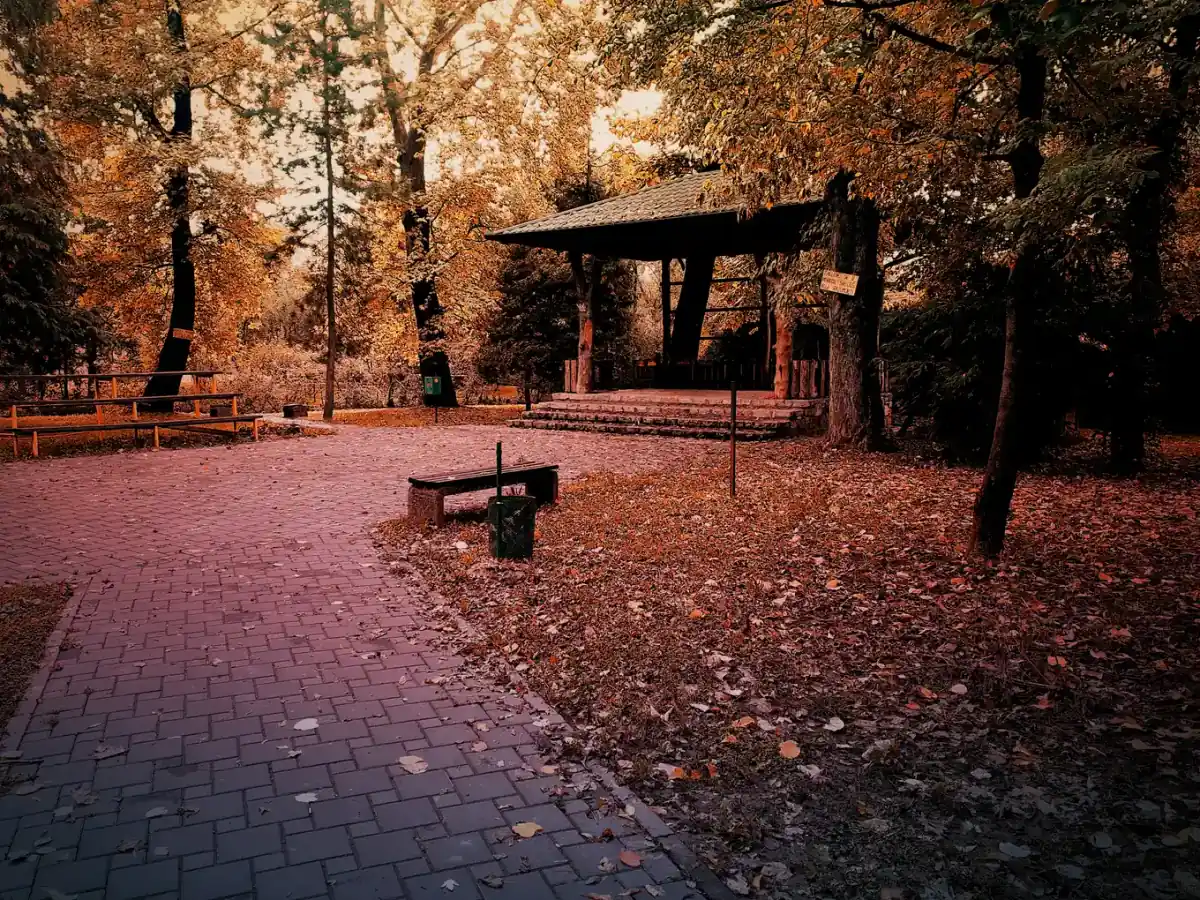
September is the cheapest of Bosnia and Herzegovina’s warm months, and October is the prettiest, cooler one - the trick is picking the right end of autumn for what you actually want out of the trip. Sarajevo cools from a daytime average of about 22°C in September to roughly 17°C in October, while Mostar and the rest of Herzegovina stay noticeably warmer, sliding from around 27°C down to about 22°C over the same stretch. Up north around Bihać and the Una valley the numbers track the capital’s - about 23°C in September easing to about 17°C in October - but the north is the cloudiest of the three, and wetter than Sarajevo. The rivers are still swimmable in early September, the Herzegovina wine harvest runs through both months, and hotel prices ease off well before the ski resorts push them back up in December. What autumn doesn’t give you is everything: the high mountain trails are done for the year by October, Kravice stops being a swimming stop, and the highland village of Lukomir empties out before the first proper snow.
September in Herzegovina: still summer, just kinder
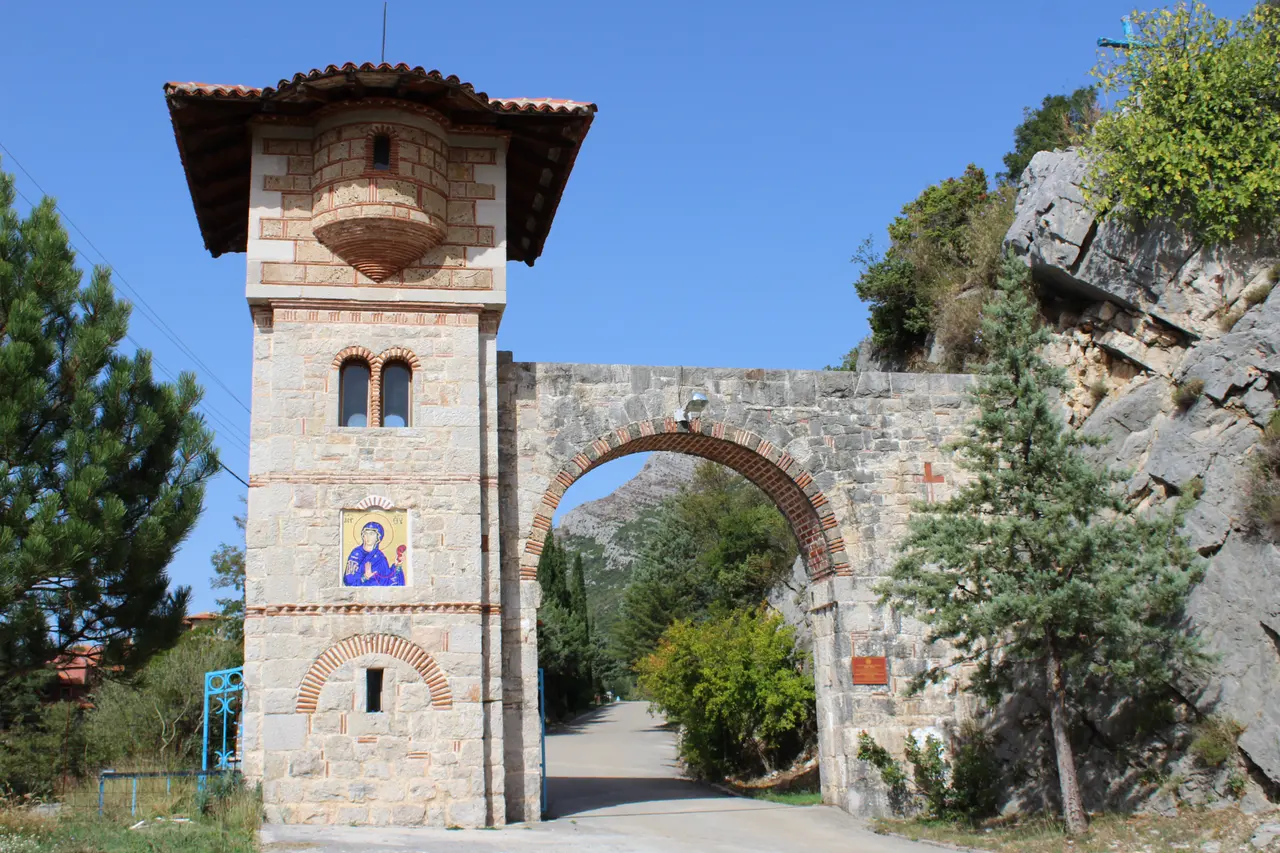
Herzegovina doesn’t really notice September has started. Mostar keeps its Mediterranean-leaning warmth, averaging around 27°C in the day, though the rain arrives with the month rather than after it - August averages about 58 mm here, September about 137 mm, and the stone of the Old Bridge still holds the heat into the evening. What changes is the crowd: the Sarajevo Film Festival rush has gone home, Medjugorje’s biggest pilgrim surges (June and early August) are behind it too, though the parish also marks the Exaltation of the Cross in mid-September, and the coach-tour density at Blagaj and Počitelj drops noticeably. Počitelj is free to walk into whatever the hour; Blagaj charges an entry fee at the booth (the lodge doesn’t publish the amount, so carry marks in cash), and its own site gives one timetable for the whole year, 08:30-20:30 daily; that page hasn’t been updated since 2018, so ring ahead before a late visit rather than assuming a long summer evening. Either way, an early-September visit gets you the same access with a fraction of the August queue.
The bigger reason to come now is in the vineyards. The berba, the grape harvest, starts with the white Žilavka grape in late August - in 2026 the first serious picking came around the 18th - and the reds follow through September and October, all still done by hand across the cellars between Mostar and Trebinje. Our Herzegovina wine guide covers the route and the two native grapes in full, but the short version for timing a trip is this: September puts you in cellars that are genuinely busy with work, not performing for visitors, which is a better trip if you don’t mind booking a call ahead rather than turning up cold.
One thing not to bank on: swimming. June to September are the usual swimming months at Kravice, but the spring-fed water is already down to around 17°C by late September, so treat any dip after the first week or two of the month as a cold-water dare rather than a proper summer swim. The falls keep their gate open 07:00-22:00 through September on the operator’s own hours, and the same visitor page is blunt about the water itself: you swim at your own risk, and nobody is watching the pool for you.
September in Sarajevo and the highlands
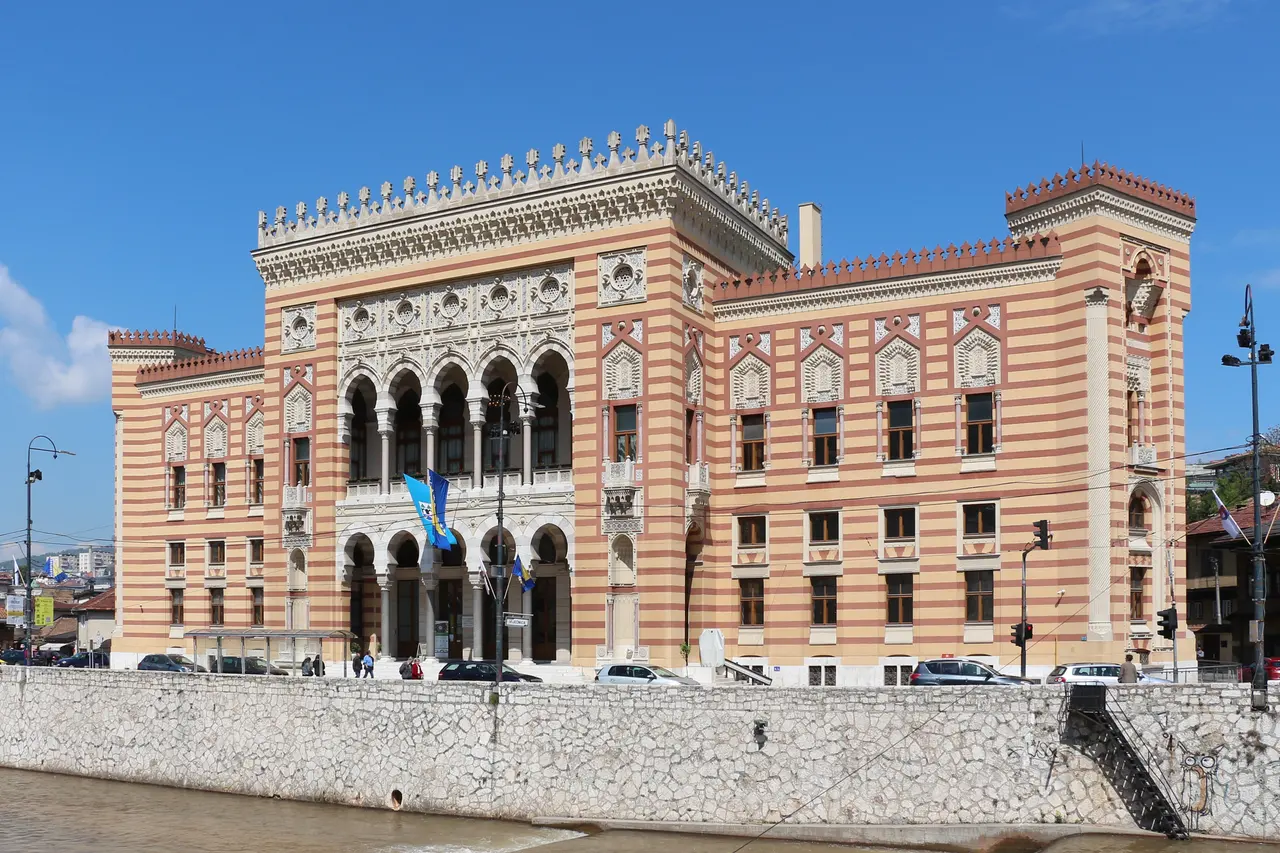
The capital is at its most comfortable in September, holding a gentle ~22°C average with none of August’s crush. The Sarajevo Half Marathon is the month’s big city event - it runs on a Sunday in mid-September, 13 September in 2026, with a 5k the same morning for anyone who would rather not do the full 21 kilometres - so check sarajevomarathon.ba for next year’s date, whether you want to run it or step around the closed streets. Museums, the Tunnel of Hope and the cafes of Baščaršija all run at a calmer pace than they did in August, and you’ll get a table without a wait.
Up in the highlands, September is the last easy month. Lukomir, the highest inhabited village in the country, stays open into October on paper, but its own konobas and the families who live there through the warm season start coming down as the month wears on, and the gravel road in gets rougher once the autumn rain sets in. The honest window for the high trails - Maglić, the Zelengora lakes, the Via Dinarica’s higher stages - runs roughly June to September for a reason: storms build fast over the open plateaus even in early autumn, and snow can return to the ridgelines with little warning once the calendar turns. If you want one big mountain day, put it in September, not October.
Bosnia in October: the turn
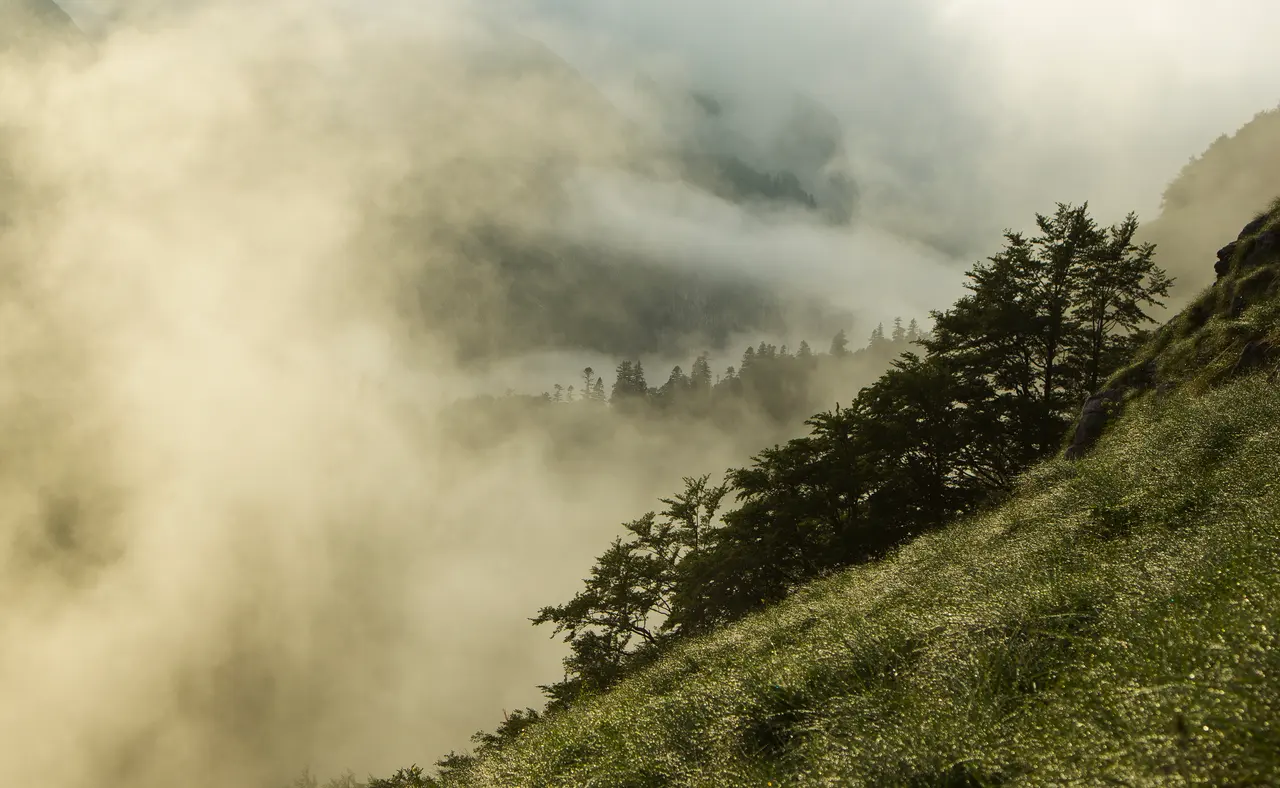
October in Bosnia means afternoons around 17°C in Sarajevo, about 22°C in Mostar and about 17°C up around Bihać, with the forests on the hills above the capital turning properly gold. All three lose much the same five or six degrees off September, so what separates them in October isn’t warmth: it’s light and rain. The north is the grey one. The met service’s station tables put October cloud cover at 6.4 tenths in Bihać against 5.3 in Sarajevo and 4.5 in Mostar, which works out at under four hours of sunshine a day in the Una valley and six down in Herzegovina. Bihać’s October rain runs to about 110mm, wetter than the capital’s 90mm but well short of Mostar’s 150mm. Rain isn’t what marks the change from September in Sarajevo, which holds at roughly 90mm in both months, and Herzegovina edges up only slightly, from about 137mm to 151mm - but pack a light rain jacket with the T-shirts, especially if the north is on your route.
This is also when the harvest finishes its work. The reds that follow Žilavka keep the cellars busy for weeks, and the one to ask for is Blatina, which grows in the villages south of Mostar around Čitluk, Međugorje, Ljubuški and Čapljina. A cellar visit in early autumn still means real activity rather than an empty tasting room, just with cooler mornings and shorter days. MESS, Sarajevo’s international theatre festival since 1960, takes the first half of the month: the 66th edition runs 2 to 10 October 2026, and the day-by-day programme is already up on mess.ba, so you can pick the play before you book the flight rather than guessing at a fortnight.
October is also the tail of the rafting season on the Una near Bihać. Operators there run roughly April to October depending on the water, and UnaAvant, for one, gives no fixed closing date and calls May to August the best of it. So if a Una day matters to your trip, aim for early October and book it before you travel rather than banking on the last week.
What shuts for the year, and what doesn’t
Autumn is a season of things quietly switching off, so it helps to know which is which before you build a route around something that’s already closed.
Closes for the year:
- Kravice swimming - the falls themselves run beautifully, but nobody’s getting in the water by October, and the gate hours pull back with the season: 07:00-22:00 in September, 07:00-19:00 in October, 07:00-17:00 from November.
- The high trails around Maglić, the Zelengora lakes and the upper Via Dinarica stages - snow and storms make them a summer proposition, not an autumn one.
- Lukomir’s konobas and its resident families, who come down off the mountain before the first heavy snow closes the gravel road behind them.
Stays open, and often gets better:
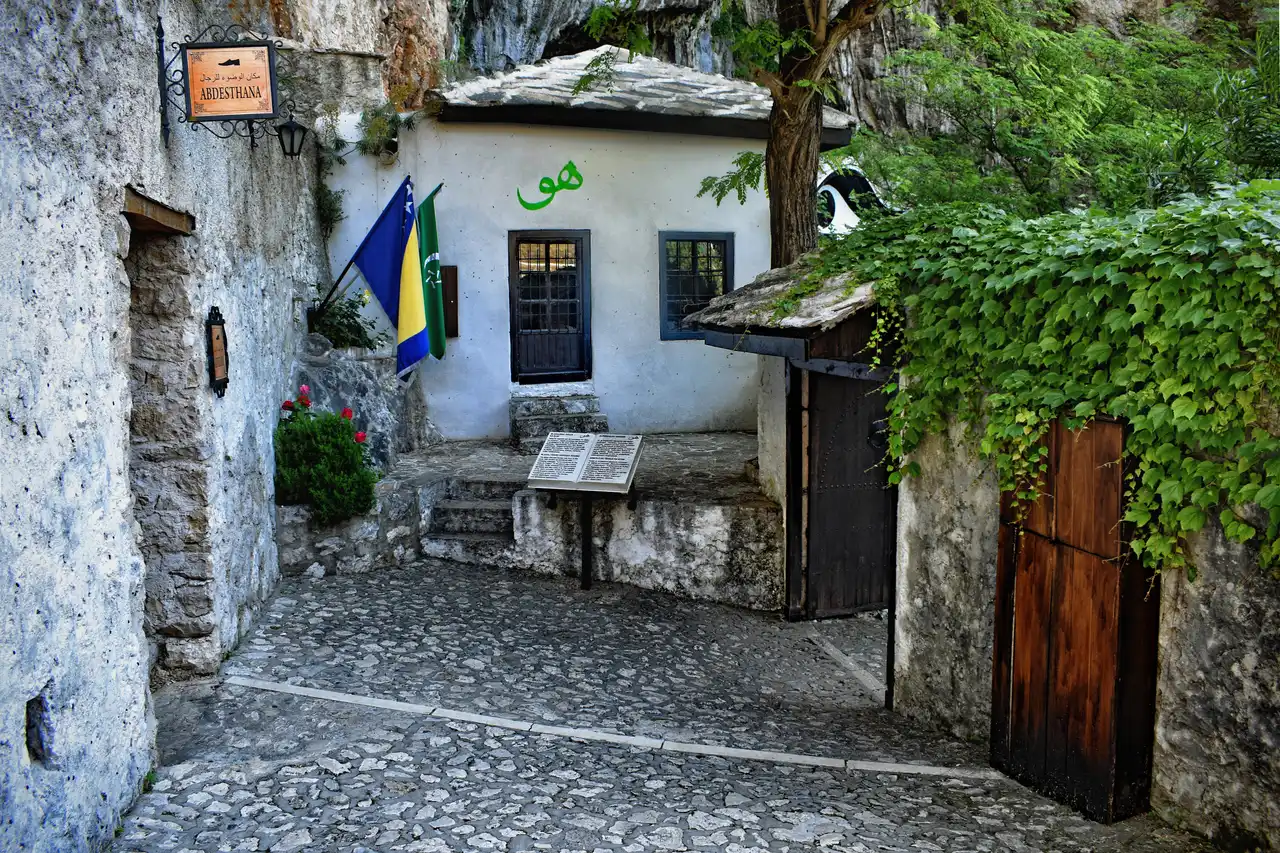
- Blagaj, Počitelj, the Old Bridge in Mostar and the museums and old town of Sarajevo - all free of the August scrum. The Blagaj lodge lists 08:30-20:30 daily on its own site, with no separate winter hours, but the page hasn’t been updated since 2018, so ring ahead before a late visit. The short boat ride into the spring cave is the one thing to ask about on the day, since nobody publishes a season for it.
- The Herzegovina wine cellars, which are at their most alive during the harvest, not their quietest.
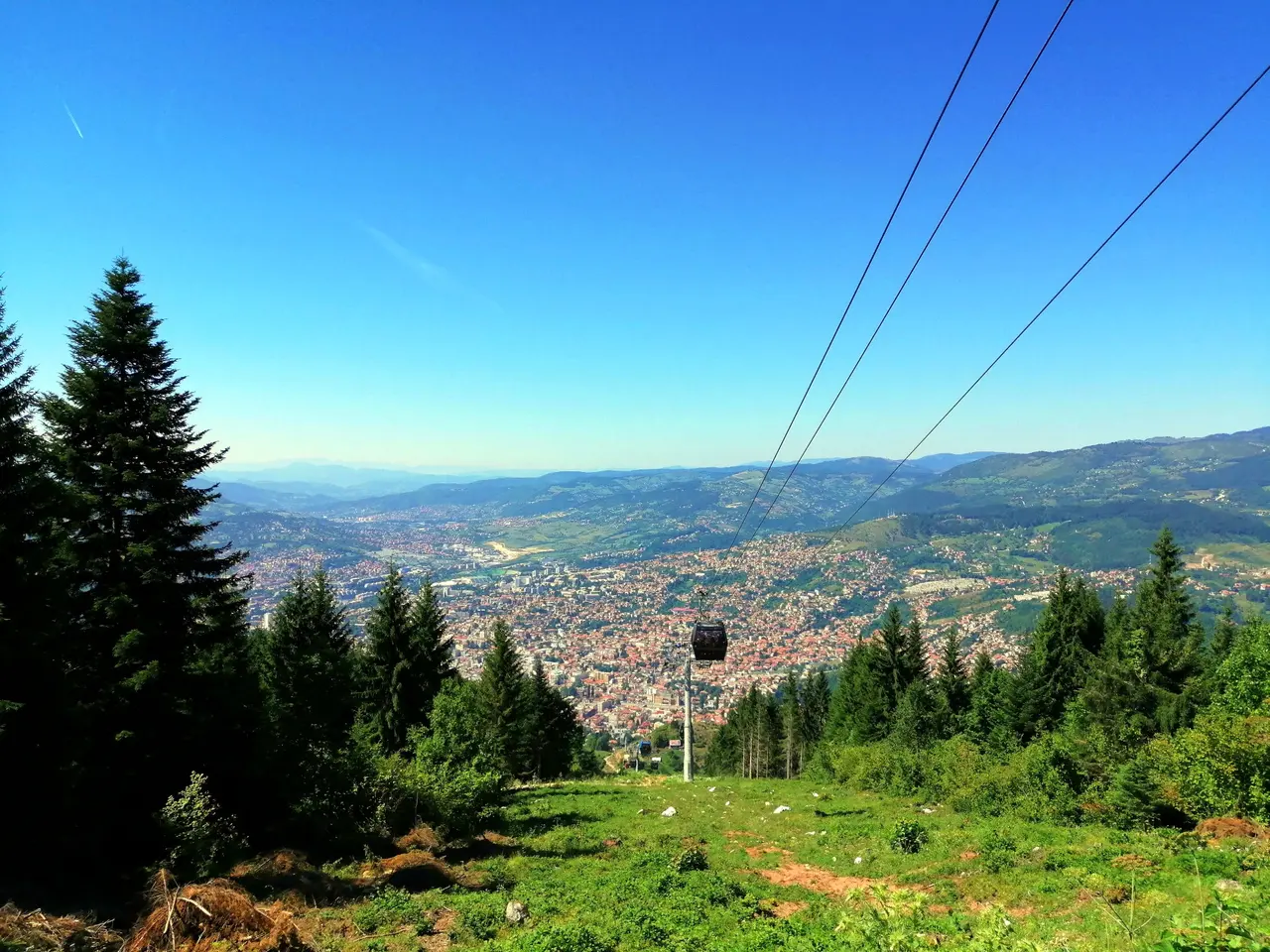
- Sarajevo’s cable car up Trebević and the walking around Baščaršija, both far more pleasant without the summer heat.
Nowhere near open yet:
- The ski season at Jahorina and Bjelašnica doesn’t start until mid-December, so don’t plan an autumn trip around the mountains reopening early. If skiing is the goal, this isn’t your season - come back once the snow’s actually down.
If you want to make the most of the closing window, a car is the only way to string together a highland day and a Herzegovina cellar stop before the weather turns on you, since none of it links up by public transport.
Timing it around an event
Two of autumn’s events have firm dates and two don’t. MESS is the fixed anchor of October, and the harvest is its opposite: no single date, though late August into the first days of September is your best shot at watching Žilavka come in, and the reds keep the cellars working for weeks after. The Sarajevo Half Marathon sits in the middle - it runs on a Sunday in mid-September, it filled the city’s beds on 13 September in 2026, and the 2027 date was not up on sarajevomarathon.ba in late September 2026, so treat it as a weekend to look up rather than one to book around. And once MESS packs up, Jazz Fest Sarajevo takes the first week of November - 4 to 7 November 2026, the year the festival celebrates 30 years - just as the rest of the country settles into the quiet stretch before winter. The nine-concert programme has been on jazzfest.ba since 24 September 2026.
What to pack for the shoulder season
Layers do most of the work. A T-shirt and a light jumper cover a September day in either region; by October you’ll want a proper mid-layer for Sarajevo mornings and a rain jacket everywhere - Herzegovina more than doubles what August gets (about 58mm to 151mm), while Sarajevo climbs more modestly, from around 63mm to 91mm. Swimwear is only worth the suitcase space in the first week or two of September, and even then only for Kravice or the Neretva rather than anything higher up. Carry cash in convertible marks (KM) for the wine cellars and Lukomir’s konoba, since most don’t take cards, and don’t bother packing for snow: it’s not coming to the valleys yet, whatever the mountain forecast up at Jahorina says.
September or October?
Pick September if you want summer with the volume turned down: warm enough to swim in the first week or two, the high trails still safely open, and the harvest just getting going. Pick October if you’d rather have the forests turning gold, MESS filling the theatres, and Sarajevo and Mostar close to empty of other travellers, and you don’t mind trading the swim and the mountain days for it. Either month beats the August heat and the December cold for the price, and both slot neatly into a wider trip: our best time to visit Bosnia guide sets the whole year against these two months, and the 7-day Bosnia itinerary works just as well run in September as it does in June. Come back once the leaves are down and the lifts are running, and Bosnia in winter picks up exactly where this guide leaves off.
Photos
Read also

Before you go · 10 min read
Where to Stay in Medjugorje: Pansions & Hotels
Updated · August 25, 2026Where to stay in Medjugorje: guesthouses near St James Church, pilgrim hotels, peak dates, and whether to sleep here or day-trip from Mostar.

Before you go · 9 min read
Where to Stay in Jajce: Hotels by the Waterfall
Updated · August 23, 2026Where to stay in Jajce: old-town hotels steps from the Pliva Waterfall, lakeside rooms by the watermills, and which base suits a one-night stop.

Before you go · 11 min read
Mostar or Trebinje: Which Herzegovina Base?
Verified · August 18, 2026Mostar or Trebinje as a Herzegovina base: crowds, hotel prices, summer heat, Dubrovnik access and wine - pick the nights that fit your trip.

Before you go · 7 min read
Cash, Cards and Tipping Across the Balkans in 2026
Verified · August 15, 2026Twelve currencies, three of them the euro, and two pegged to it. What is fixed, what is a habit, and where you still need notes in your pocket.